‘Carmageddon’ warning issued over major government parking reforms
Urban areas could face gridlock and the court system become "overwhelmed" if proposed changes to parking regulations go ahead, a leading industry body has warned.
 KickT
KickT
Urban areas could face gridlock and the court system become "overwhelmed" if proposed changes to parking regulations go ahead, a leading industry body has warned.
The British Parking Association (BPA), representing parking operators, cautioned against the "unintended and avoidable consequences" of the government’s planned code of practice.
A Ministry of Housing, Communities and Local Government (MHCLG) consultation document outlines proposals including a potential ban on adding debt recovery fees to parking tickets. These charges, currently capped at £70, are levied when operators engage agencies to pursue unpaid fines.
The consultation also sought feedback on the existing cap for parking tickets, currently £100, with a 40 per cent reduction offered for payment within 14 days.
The BPA argues that banning debt recovery fees would compel car park operators to pursue more cases through the courts, calling it their "only option left" for unpaid tickets. It also warned an "insufficient" maximum limit on tickets would create a "parking free for all", diminishing the deterrent for drivers who flout rules.
BPA chief policy and engagement officer Alison Tooze said: “We fully support and welcome the Government’s code of practice.
“However, it is our responsibility to warn against unintended and avoidable problems.
“The Government code framework has good intentions. However, we face an operational reality where we could see ‘Carmageddon’ in towns and cities and the already struggling court system being completely overwhelmed.
“We absolutely do not want this to happen.
“The code is being developed with the goal of protecting decent drivers, vulnerable road users and communities, yet there is a real danger that it could have the opposite effect and bring unintentional chaos.
“We have seen high-profile examples of this across the country including in Bournemouth and Aberystwyth where they were completely gridlocked by unfair motorist behaviour.
“Nobody wants to see this on a bigger scale and these examples illustrate what does happen in reality when drivers are not concerned about the consequences of breaking the rules.”
But the RAC warned that the threat of debt recovery fees can make drivers pay “unfair” parking tickets they would otherwise challenge.
The organisation’s head of policy, Simon Williams, said: “We don’t support the use of debt recovery companies by the private parking industry and we hope to see it tackled in the Government code of practice when it comes into force.
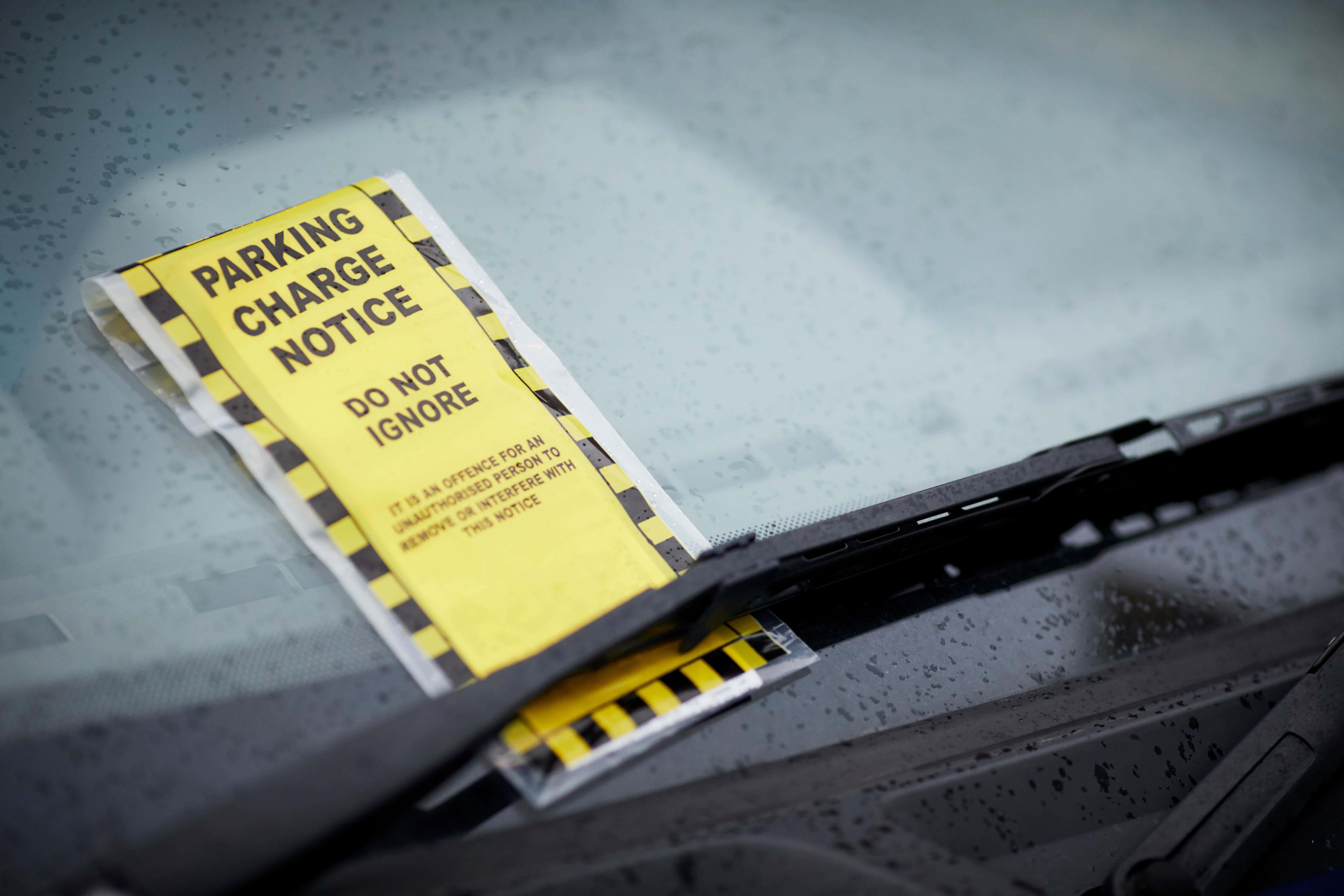
“A £100 parking charge notice is bad enough but if this isn’t paid in 28 days it automatically gets increased by £70 when a debt recovery letter lands on the doormat.
“This seems disproportionate and could scare people into paying rather than appealing any unfair fines.”
Press Association analysis of Government data shows private parking companies issued a record 15.9 million parking tickets in the year to the end of September 2025.
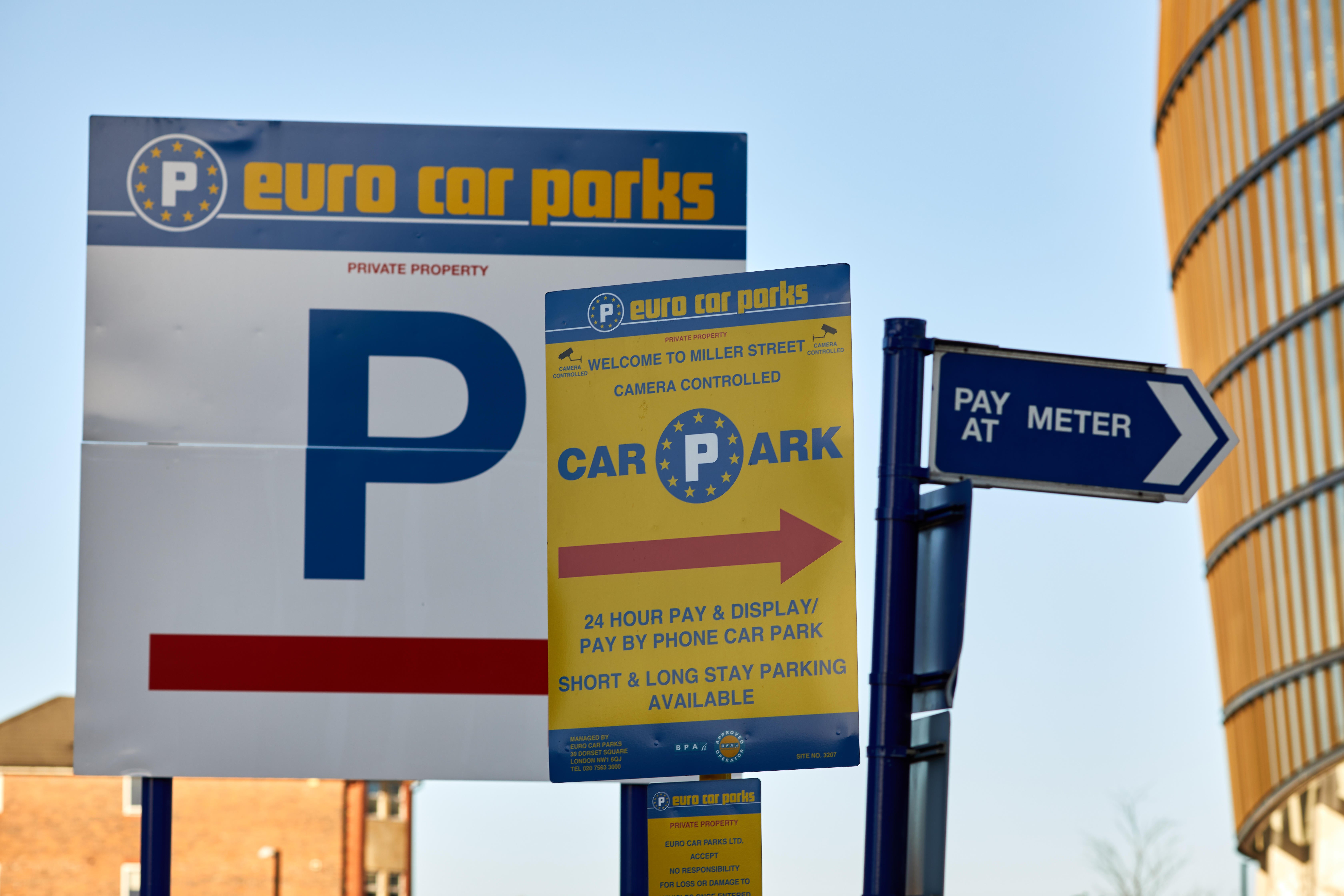
The industry has been accused of using misleading and confusing signs, aggressive debt collection and unreasonable fees.
A Bill to enable the introduction of a code of practice for the industry received royal assent in March 2019.
This code, planned to come into force across Britain by the end of 2023, included halving the cap on tickets for most parking offences to £50, creating a fairer appeals system and banning the use of aggressive language on tickets.
But it was withdrawn by the Conservative government in June 2022 after a legal challenge by parking companies.
A new consultation on the code by the current Labour Government closed in September last year.
A MHCLG spokesperson said: “Motorists must be protected when using private car parks and we are determined to drive up standards in the industry.
“No final decision has been made on the debt recovery fee cap and we will set out further details on the private parking code of practice as soon as possible.”