Essential FMCG Marketing Campaigns and Strategies: Boost Sales & Loyalty
We live in a world where consumer preferences shift as quickly as trends on social media, where brand loyalty is hard-won and easily lost, and where every click, like, and share counts. This brings out the following questions: How...
 KickT
KickT
We live in a world where consumer preferences shift as quickly as trends on social media, where brand loyalty is hard-won and easily lost, and where every click, like, and share counts. This brings out the following questions: How do FMCG brands connect, engage, and stay relevant in an increasingly digital marketplace? And most importantly, what makes a winning FMCG digital marketing strategy in this fiercely competitive field?
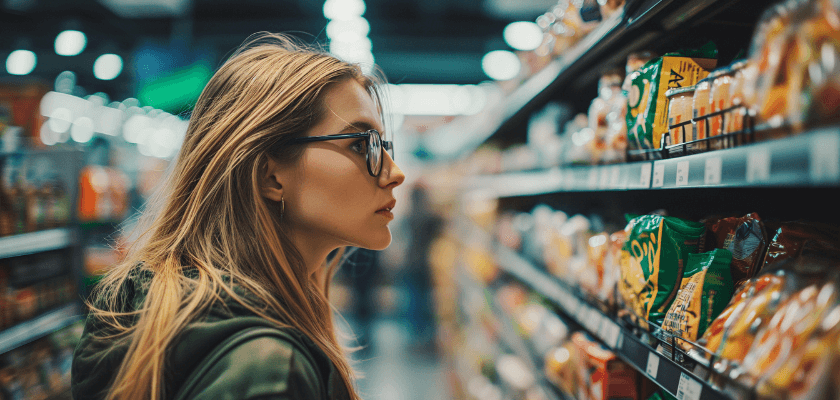
The first thing to keep in mind is that FMCG brands aren’t just competing with rival products on traditional supermarket shelves—they are competing with the entire digital ecosystem.
eCommerce is no longer an emerging fringe channel for packaged goods. Mordor Intelligence notes that online retail sales in the broader food and beverage market continue to expand steadily, while Industry Research reports that eCommerce adoption has grown from single-digit percentages to up to 30% of FMCG transactions depending on the market. Meanwhile, market analytics from Technavio show that overall global FMCG market value growth has settled into a steady 3.2% annual pace.
These statistics highlight why generic online presence is no longer enough. Winning market share in 2026 hinges on high-impact FMCG marketing campaigns, from dynamic retail media network activations to hyper-personalized, AI-driven creative, that capture consumer attention and convert intent right at the point of purchase.
Let’s look at the standout FMCG campaigns and strategies driving growth today!
Inside FMCG Marketing Campaigns
FMCG Marketing Campaigns: 5 Best Cases Doritos – Crash the Super Bowl (2006) Snickers – You’re Not You When You’re Hungry (2010) Heineken – Worlds Apart (2017) Tide – It’s a Tide Ad (2018) Heinz – Draw Ketchup (2021) 3 Digital Marketing Strategies for FMCG Brands Social Media and eCommerce Strategies for FMCG Brands eCommerce for FMCG: Beyond the Transaction Influencer Marketing: Authenticity Leads the Charge Advanced Email Marketing Techniques for FMCG Brands Enhancing Customer Experience and Brand Loyalty in FMCG Market Adaptation and Brand Expansion Leveraging Technology and Research in FMCG Marketing IndustryFMCG Marketing Campaigns: 5 Best Cases
We spend a lot of time analyzing what separates good marketing from legendary campaigns. Fast-Moving Consumer Goods (FMCG) is arguably one of the toughest arenas in advertising—you’re selling everyday items like chips, candy, laundry soap, and ketchup in ultra-crowded aisles where attention spans are measured in milliseconds.
When selecting these five standout campaigns, we didn’t just look at awards or big production budgets. We chose them because each one rewrote the FMCG playbook for its era:
None of these ads linger on technical ingredients or factory processes; they focus on how people actually feel, behave, and think. From crowdsourced content at the dawn of Web 2.0 to real-time media hijacks and unbranded social experiments, these campaigns met audiences right where they were. Every single case study here delivered massive, measurable business results alongside impact.Here is a closer look at the five campaigns that define creative excellence in FMCG.
Doritos – Crash the Super Bowl (2006)
Doritos turns over its biggest, most expensive advertising stage of the year directly to its consumers. The brand invites everyday creators to film their own hilarious, low-budget Doritos commercials and submit them for a shot at Super Bowl glory. The general public votes on their favorite entries online, and the winning ad airs live during the big game alongside multi-million-dollar corporate productions.
Why It Worked:
Long before TikTok and user-generated content, Doritos recognized the untapped creative energy of the internet generation. By surrendering control of its brand during the most corporate advertising event of the year, Doritos built authentic goodwill and massive engagement.
As reported by PepsiCo, winning fan-made commercials consistently ranked at the very top of consumer preference ratings. Micro-budget user concepts outshone million-dollar agency productions, proving authentic storytelling drives maximum ROI.
Since Crash the Super Bowl began in 2007, consumer-created Doritos ads have consistently ranked within the top-five spots of the traditional USA TODAY Ad Meter, and two of the last three years they have scored the No. 1 ranking.
Snickers – You’re Not You When You’re Hungry (2010)
Snickers uses slapstick physical comedy and pop-culture icons to depict the psychological transformation people undergo when their blood sugar drops. Whether it is Betty White getting tackled in a mud football game or Liza Minnelli complaining in the back of a car, the characters act like dramatic divas until someone hands them a Snickers bar. A single bite immediately restores them to their normal, functional selves.
Why It Worked:
Mars expressed that “hunger” isn’t just an emotion; it’s a full personality shift. Not by talking about nougat, caramel, and peanuts, Snickers positioned itself as a “quick fix for an everyday emotional problem.” Because the humor translated across cultures and languages, the brand adapted the creative formula globally, driving a 15.9% sales increase in its debut year and reviving growth across more than 50 international markets.
Heineken – Worlds Apart (2017)
Heineken marketing campaigns always amaze us!
For that piece, Heineken pairs strangers with opposed political, social, and environmental views, such as a climate change skeptic with an activist, or a feminist with a traditionalist, and places them in a room together.
They must complete team-building tasks before their radical differences are revealed on a video screen. Once the truth comes out, participants receive a choice: walk away, or sit down and discuss their differences over a cold bottle of Heineken.
Why It Worked:
In an era dominated by intense political polarization where brand purpose campaigns often felt preachy or forced, Heineken let human connection lead the way. The campaign presented beer as the ultimate social lubricant that creates room for conversation.
According to Edelman, there was a 7.3% increase in beer sales in the UK during the 12 weeks following the campaign, 80% of consumers said Heineken is a brand for them, and there were more than 50 million views of the “Worlds Apart” film.
The film provoked a global conversation among tens of millions of people, driven by a precision-targeted media and influencer strategy in earned media. A partnership with the Human Library gave the campaign credence, turning the acts of setting aside differences and finding common ground over a beer into a real-world experience for Heineken employees across the UK and consumers in UK pubs, bars, and summer festivals. We proved that when you look past labels, even the most divided people can come together.
Tide – It’s a Tide Ad (2018)
During the Super Bowl broadcast, actor David Harbour pops up in what initially appears to be classic commercial tropes; a slick luxury car ad, a romantic perfume commercial, a crisp beer spot, or a mattress pitch. He pauses the action to point out a subtle detail: every person in these diverse scenarios is wearing impeccably clean, stain-free clothes. Therefore, every single commercial on television is actually a Tide ad.
Why It Worked:
Tide’s FMCG campaign executed one of the most brilliant media hijacks in broadcast history. By turning every immaculate outfit across other multi-million-dollar Super Bowl commercials into a subconscious trigger for Tide, the brand primed viewers to think about laundry detergent during the entire game. It fundamentally changed how audiences watched the event and won the Grand Cannes Lion & FMCG Global Grand Effie by making its product the star of everyone else’s airtime.
Heinz – Draw Ketchup (2021)
Heinz launches an unbranded global social experiment by simply asking ordinary people across different countries to “draw ketchup.” Without any visual cues, packaging, or brand hints, participants put pen to paper and consistently draw a glass bottle of Heinz, complete with its keystone-shaped label and the famous “57” mark. Heinz then takes these real, messy drawings and displays them across billboards, print ads, and social media.
Why It Worked:
The campaign succeeded because it let the consumer prove Heinz’s brand supremacy without the company making a single self-congratulatory claim. The brand demonstrated that “ketchup” and “Heinz” were synonymous in the human subconscious. It converted raw consumer psychology into striking, authentic creative assets, capturing +3.2 share points back from competitors, while social engagement surged by 1,495%.
Actually, this one is not the only ad that generated millions of views; check out our Heinz marketing campaigns blog for more.
3 Digital Marketing Strategies for FMCG Brands
After looking at the traditional way of FMCG marketing, let’s now talk about digital.
Digital marketing is more than just being online. It’s crucial for FMCG brands to navigate this space with strategies that are innovative, adaptable and result-driven.
Imagine your FMCG product not just as a commodity but as a central character in your customer’s digital narrative. This is in fact the essence of social media’s role in an effective FMCG marketing strategy.
Let’s take Red Bull as a case in point. They’ve successfully transitioned from merely an energy drink to a symbol of an exhilarating lifestyle. The secret of Red Bull’s marketing strategy? Their content doesn’t just push a product; it invites audiences into a narrative, one filled with excitement and adventure, that they eagerly want to be part of. It’s this narrative approach that sets apart the mundane from the memorable in social media strategies.
eCommerce for FMCG: Beyond the Transaction
Consider the eCommerce space not just as a marketplace, but as an immersive experience for consumers. PepsiCo’s foray into direct-to-consumer platforms exemplifies this transformation, as they’re not merely selling snacks and beverages like Pepsi or Mountain Dew, but curating personalized bundles and journeys tailored to each customer. This shift highlights the growing importance of turning eCommerce into a meaningful brand touchpoint, rather than just a transactional platform.
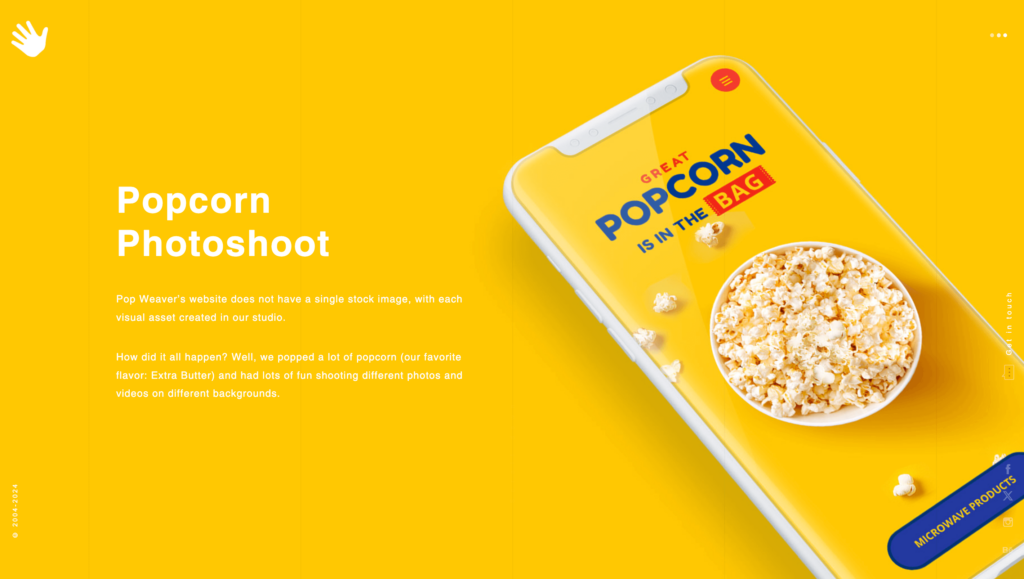
A great example of this approach is eDesign Interactive’s work with Pop Weaver, the largest popcorn company in the U.S. eDesign Interactive crafted an interactive and visually striking website that focuses on delivering an engaging user experience. Through custom 3D animations, product photography, and creative design elements, Pop Weaver’s site offers visitors an immersive brand journey. This helped reinforce their status as a market leader in a fun and dynamic way, keeping customers connected to the brand beyond just transactions.
Influencer Marketing: Authenticity Leads the Charge
The power of genuine, human connections can’t be understated, and this is where influencer marketing shines. Coca-Cola’s marketing strategy offers a brilliant example. Their collaborations with influencers aren’t just about celebrity endorsements; it’s about partnering with personalities who embody the brand’s ethos and can genuinely connect with the audience. This strategy pivots from mere endorsements to building authentic, relatable stories around the brand, making each influencer a storyteller in their own right.
As we dive into the world of digital marketing strategies, it’s easy to feel a bit lost. This is where FMCG marketing agencies come in as your guiding stars. These agencies are skilled at designing strategies that really speak to your audience, ensuring that your brand doesn’t just show up in the digital world, but truly stands out and connects with people. They’re here to create a meaningful online presence for your FMCG brand, resonating with your target market and keeping your audience engaged.
Advanced Email Marketing Techniques for FMCG Brands
Advanced email marketing techniques, like automated and targeted campaigns, are integral to an FMCG digital marketing strategy. These methods allow FMCG brands to send personalized messages to specific audience segments, engaging customers directly and encouraging repeat purchases.
Although specific FMCG examples are scarce, this approach is widely adopted across various industries for its effectiveness in engaging customers directly and encouraging repeat purchases.
Automated and Targeted Campaigns
FMCG brands benefit from segmenting their audience and creating targeted email campaigns. For example, a food brand could segment its audience based on dietary preferences communicated in sign-up forms and send personalized recipe suggestions featuring their products. Automation can trigger these emails based on specific actions, like browsing a product category or abandoning a cart, making the communication timely and relevant.
Enhancing Customer Experience and Brand Loyalty in FMCG
In the FMCG sector, building customer loyalty and enhancing the overall experience are key to long-term success. This part of the strategy focuses on connecting with customers on a deeper level. These are as important as the initial conversion.
Personalization is Key: You need to treat your customers as unique individuals. imagine receiving a recommendation for a new coffee flavor right when you’re thinking about switching up your morning routine. That’s personalization done right. It’s about leveraging data analytics to understand purchasing habits and preferences, then tailoring experiences to match these insights.
Seamless Omnichannel Experience: Customers interact with brands across various platforms – social media, websites, mobile apps, and physical stores. Thus, you need to ensure a consistent and seamless experience across all these touchpoints. For instance, a customer’s online cart should be accessible and editable through their mobile app, making their shopping journey as smooth as silk.
Responsive Customer Service: Customer service goes beyond just solving problems! It should be proactive, responsive, and available across multiple channels. Whether it’s a query on X.com or a concern raised via email, timely and helpful responses can turn a potential issue into a positive experience.
Loyalty Programs and Customer Engagement
Effective loyalty programs and customer engagement strategies are essential for incentivizing repeat purchases. FMCG brands that offer value beyond the product itself, through rewards or exclusive experiences, tend to foster a stronger connection with their customers.
Loyalty programs in the FMCG sector are designed to encourage repeat purchases. This can include point systems for discounts, exclusive access to new products, or rewards for social media engagement. A snack brand, for example, could offer points for sharing recipes on social media using their products, fostering both engagement and loyalty.
Market Adaptation and Brand Expansion
Adapting to market changes and expanding brand presence are critical elements of FMCG marketing. FMCG brands must constantly adapt to market changes and explore new avenues for growth.
Addressing Environmental and Sustainability Concerns
In today’s market, addressing environmental and sustainability concerns is not just ethical but also strategic. Brands like Unilever have made significant strides in this area, integrating sustainability into their business model and packaging innovations. These efforts not only cater to the eco-conscious consumer but also position the brand as a responsible and forward-thinking leader.
Sustainability is a growing concern among consumers. FMCG brands are responding by introducing eco-friendly packaging and marketing these efforts to environmentally conscious consumers.
Unilever has been a frontrunner in this shift towards sustainability. Their ‘Sustainable Living Plan’ is central to their business strategy, influencing everything from product development to packaging. This approach is evident in their ‘Love Beauty and Planet’ line, which showcases products that are environmentally friendly and packaged in recycled materials. This move is a clear indication of Unilever’s commitment to reducing environmental impact while still driving business growth.
Procter & Gamble (P&G) is another key player making substantial efforts towards sustainability. Their ‘Ambition 2030’ initiative underlines their commitment to sustainable practices across their brands and operations. A notable campaign by P&G, ‘The Tree of Hope,’ was launched in partnership with a retail partner to encourage consumers to adopt more sustainable behaviors. This campaign, which set a Guinness World Record, is part of P&G’s wider “ForestsforGood” program. It aimed to raise awareness about environmental issues and promote actions towards a greener lifestyle. This program, along with other initiatives under their Ambition 2030 plan, displays P&G’s dedication to embedding sustainability into its core business operations and FMCG marketing strategies.
Navigating Brand Expansion Challenges
Expanding a brand’s product line is a delicate balance of risk and reward. It involves understanding market trends, consumer needs, and the potential impact on the brand’s core identity. Successful brand expansions are often those that align closely with the brand’s existing values and customer expectations.
Risk Management in Product Diversification: When expanding product lines, FMCG brands face the challenge of maintaining brand identity while innovating. Digital marketing can be used to test new products with select audiences before a full launch, reducing risk and gathering valuable consumer feedback.
Expanding a brand’s product line involves a careful mix of risks and rewards, requiring a deep understanding of market trends, consumer needs, and how these impact the brand’s core identity. For successful brand expansions, staying true to the brand’s original values and meeting customer expectations is crucial. Take, for example, Shout Digital’s campaign for Cocobella as they expanded from coconut water to smoothies. By blending SEO with diverse marketing channels, they significantly raised Cocobella’s profile in a crowded market. Their approach led to impressive results: traffic increased by 354%, session numbers went up by 422%, and they saw a 49% cut in cost per click and a 35% reduction in bounce rate. The campaign optimized visibility across the consumer journey, improving both engagement and conversions. Shout Digital ensured that anyone searching for coconut products or recipes saw Cocobella, helping it achieve top search rankings. This strategic marketing built awareness for their new smoothies and fueled considerable organic growth, showcasing how digital strategies can effectively support brand expansion while maintaining core brand identity.
Leveraging Technology and Research in FMCG Marketing Industry
Role of AI and Automation
Consumer Data: AI-driven personalization starts with collecting a wide range of consumer data. This includes basic demographic information, purchasing history, online browsing behaviors, social media interactions, and even responses to previous marketing campaigns.
Data Analysis: AI algorithms then analyze this data to identify patterns and preferences. For example, machine learning can reveal which products a customer is likely to buy based on their past purchases and browsing history.
Predicting Future Behaviors: AI doesn’t just analyze past behaviors; it predicts future actions. For instance, it can forecast when a customer might be running out of a product and send them a reminder to repurchase.
Dynamic Personalization: AI can adjust marketing messages in real-time based on ongoing consumer interactions. If a customer starts showing interest in a new product category, the AI can immediately start showing relevant ads or recommendations.
Conclusion
As we’ve seen, embracing strategies from social media know-how to AI-driven personalization can profoundly impact brand success. FMCG brands that adapt and innovate in their digital marketing efforts are shaping the future of consumer engagement.
So, what will be your next move? Whether you’re fine-tuning your eCommerce strategy, using the latest AI technology for personalized consumer experiences, or seeking expert guidance from specialized digital marketing agencies, the time to act is now.
Let’s innovate, engage, and lead the way in FMCG digital marketing. Embrace these changes, and be the brand that sets the bar in the digital marketplace.