
Rethink That Black Spatula: How To Reduce The Risks Of Plastic Exposure
And the alarming levels of microplastics in everyday foods
 FrankLin
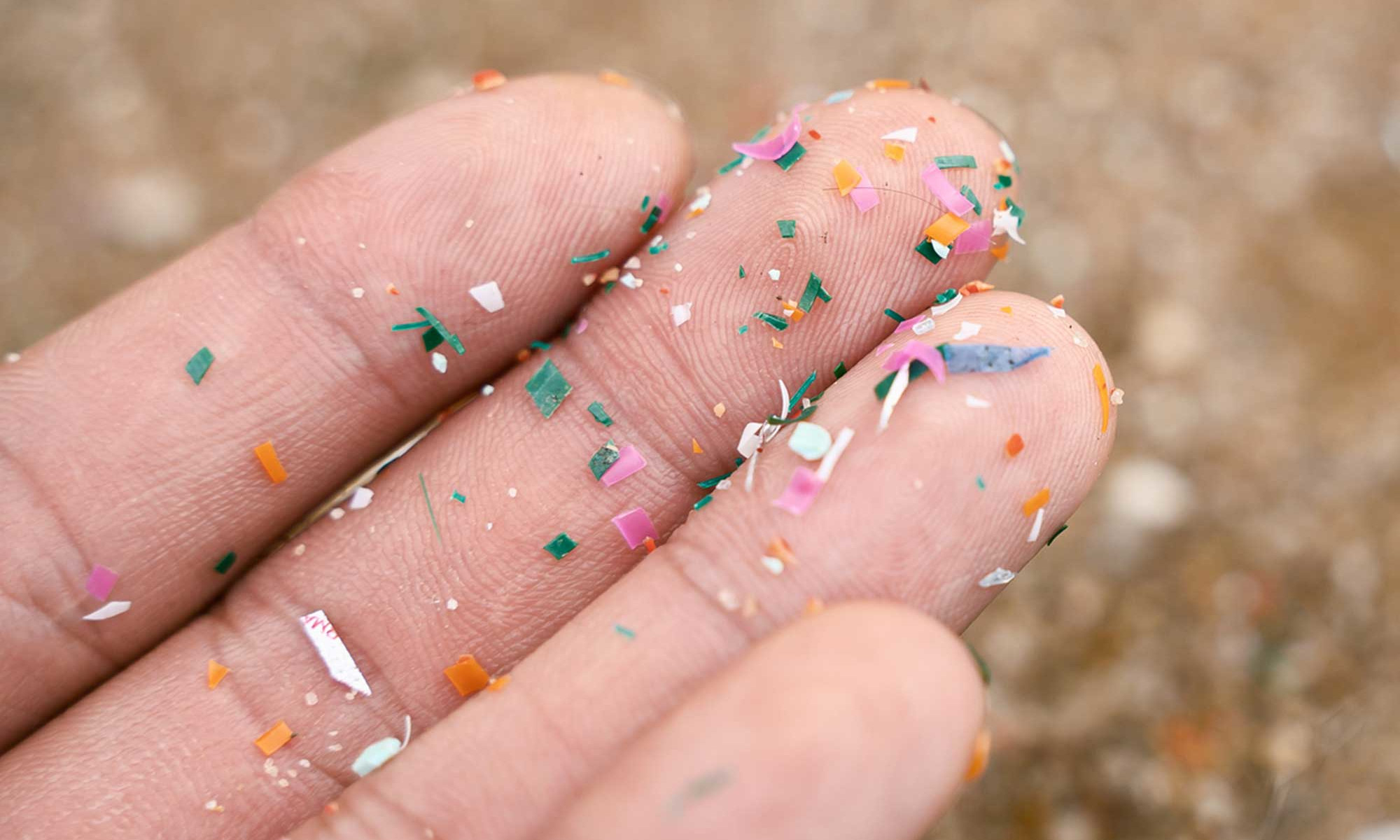
Image by iStock - Khanchit Khirisutchalual March 03, 2026 Plastic has become so ingrained in our daily lives that it’s easy to forget it’s everywhere—from the packaging on our food to the utensils we use in the kitchen. Yet beneath this convenience lies a growing health concern. Emerging research reveals that the very plastics we rely on are leaching harmful chemicals into our bodies. Microplastics and black plastic products, in particular, are loaded with chemicals that are disrupting our hormones, increasing our risk of chronic diseases, and even affecting future generations.
Plastic in our food: A closer look
A recent investigation into everyday foods revealed a shocking discovery: plastic-related chemicals were found in 86% of the products tested. This study examined 705 samples across a wide range of foods—everything from fast food and snack bars to organic produce and even breast milk. Researchers tested for 18 plastic-related chemicals, including notorious endocrine-disrupting chemicals like phthalates and bisphenols (BPA, BPS, BPF).
What’s alarming is how widespread this contamination is. These harmful chemicals were detected in products across various categories, including baby foods and prenatal vitamins—items specifically designed for the most vulnerable populations.
Even so-called "health foods" weren’t safe. Grass-fed beef and organic products all contain plastic chemicals. In fact, 22 products tested exceeded the European Food Safety Authority limits for chemical exposure, with some items containing over 32,000% of the safe limit.
A recent study1 also found that tea bags made with polypropylene, commonly used to seal them shut, can release an astonishing 1.2 billion plastic particles per milliliter of tea. Even tea bags made with alternative materials such as nylon-6 and cellulose still released millions of microscopic plastic particles into hot water.
How do these chemicals harm us?
Plastic chemicals like phthalates and bisphenols are known endocrine disruptors. They can mimic or block hormones, leading to reproductive issues, developmental problems, and an increased risk of cancers and metabolic disorders. For example:
These chemicals can leach into food, especially when exposed to heat. Takeout containers, plastic-wrapped foods, and even certain kitchen utensils can contribute to daily exposure. Hot foods in plastic containers, for example, were found to have 34% higher levels of plastic chemicals than the same food served fresh.
The hidden hazard of black plastic
Your kitchen might be another unsuspecting source of toxic exposure—especially if you’re using black plastic utensils. Spatulas, spoons, and even coffee machine components made from black plastic are often produced from recycled electronic waste4. While recycling sounds eco-friendly, this practice introduces toxic flame retardants like PBDEs (polybrominated diphenyl ethers) into products that come into direct contact with food.
Heat accelerates the leaching of these harmful chemicals. Stirring soup with a plastic spoon or flipping pancakes with a black spatula could be quietly adding toxic compounds to your meal.
What you can do to protect yourself
The takeaway
The fact that even "clean" and organic foods are contaminated with plastic chemicals shows how pervasive this problem has become. Our food systems, packaging, and household products are steeped in plastic, and it’s not just an environmental issue—it’s a personal health crisis.
It’s time for companies and regulators to take responsibility. But until then, small, conscious changes in our everyday habits can protect our health and the health of future generations.





























.jpg&h=630&w=1200&q=100&v=c0f97a310e&c=1)