Sustainable Travel Trends 2026: How the Industry Is Actually Changing
Key Takeaways 83% of global travellers say sustainability is important to their travel decisions, yet actual behaviour is still catching up with…
 KickT
KickT
Key Takeaways
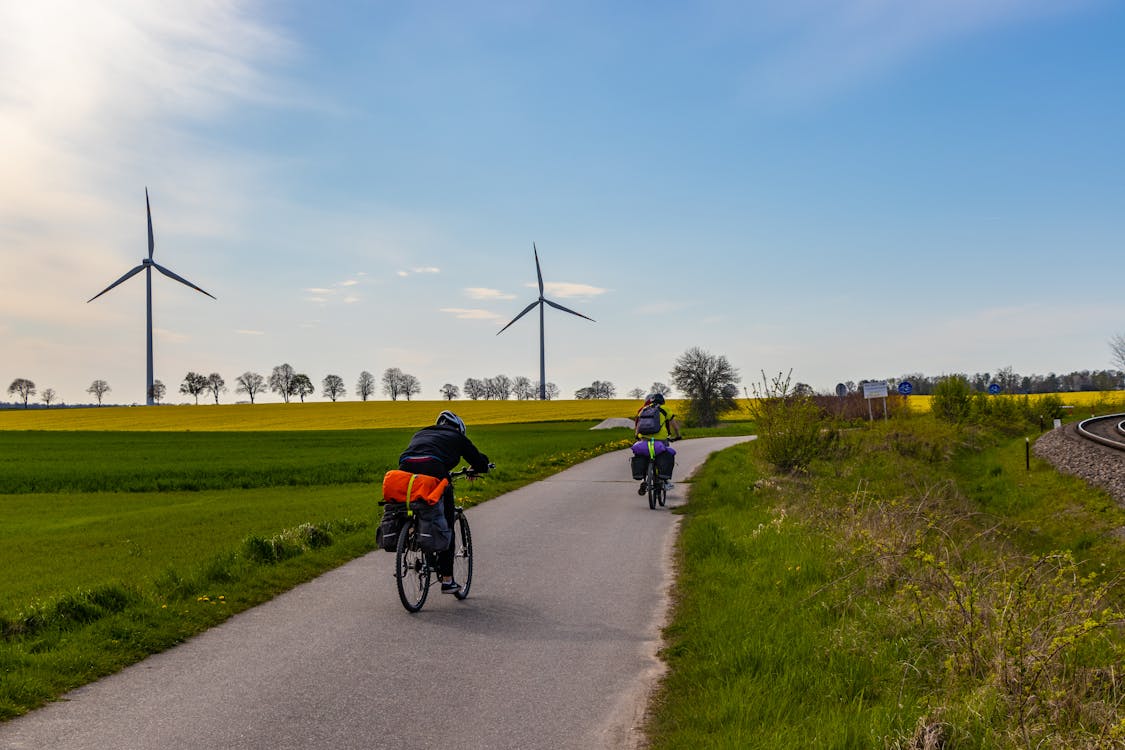
83% of global travellers say sustainability is important to their travel decisions, yet actual behaviour is still catching up with stated intentions. The global sustainable tourism market is valued at over $4 trillion in 2026 and growing at more than 11% annually. Slow travel – longer stays, fewer flights, deeper immersion – is the most impactful single change any traveller can make. 70% of tourists say they would pay more for eco-friendly accommodation, with most willing to go 16-20% above standard rates. Regenerative tourism – leaving a place better than you found it – is replacing “leave no trace” as the new standard.
Sustainable travel used to mean choosing the recycling bin in your hotel room and feeling good about it. That era is over. The conversation has grown significantly more serious in 2026, driven partly by better data on tourism’s environmental impact and partly by a generation of travellers who are genuinely paying attention.
Tourism accounts for approximately 8% of global greenhouse gas emissions. That number concentrates the mind. But the response from travellers and the industry alike is more nuanced than simple guilt – it is reshaping where people go, how long they stay, and what they spend money on.
The Rise of Slow Travel
The single most impactful sustainable travel choice most people can make is also the one that happens to produce a better holiday. Slow travel – spending longer in fewer places rather than rushing between destinations – dramatically reduces the carbon footprint of a trip while consistently producing richer, more memorable experiences.
The logic is straightforward. One long-haul flight to spend three weeks in one region produces a fraction of the emissions of three weekend city breaks by air. And three weeks in one place means you actually get to know it. You find the neighbourhood restaurant that does not make it onto any list. You adjust to the rhythm of daily life. You come home with something more than a camera roll.
Slow travel is growing fastest among millennials and Gen Z, who are less attached to the idea of maximum destinations per trip and more interested in depth of experience. It is also the sustainable choice that does not feel like a sacrifice.
Regenerative Tourism: Beyond Leave No Trace
“Leave no trace” was always the minimum viable position. Regenerative tourism asks a different question: what if your visit could actively improve the place you visited?
This is happening in concrete ways. Conservation-linked stays – where your accommodation fee directly funds habitat restoration or community projects – are becoming mainstream rather than niche. Community-managed tourism programmes, where local people control the visitor experience and retain the economic benefit, are expanding rapidly in East Africa, Central America, and Southeast Asia.
The most progressive operators now frame their impact positively. Not “we offset our emissions” but “our guests’ visits funded 2,000 trees and supported 40 local families.” That shift in framing reflects a genuine shift in practice, and it is what travellers who care about this are increasingly choosing to support. Our eco-friendly travel tips guide covers the practical decisions that make the biggest difference.
The Flight Problem Nobody Wants to Talk About Honestly
Aviation is where the sustainability conversation gets uncomfortable. Flights account for a disproportionate share of most travellers’ carbon footprints, and the honest answer is that no amount of eco-friendly hotel choice makes up for frequent long-haul flying.
This does not mean you should stop flying. It means the choice of how often and how far deserves more thought than it usually gets. Research consistently shows that flying less and staying longer when you do is the most meaningful step most leisure travellers can take.
Eco-Friendly Accommodation Is Getting Easier to Find
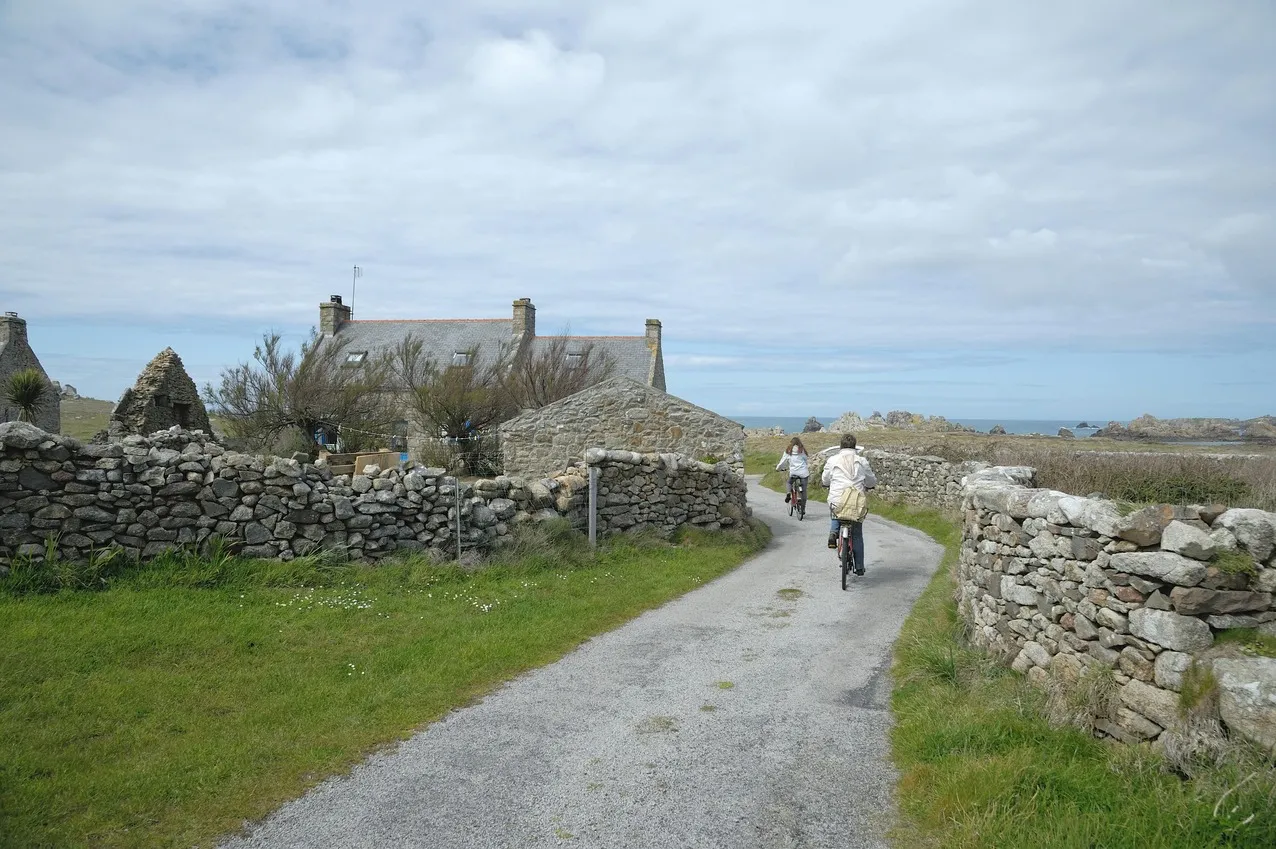
Sustainable accommodation is no longer a compromise. Certification frameworks like Green Key and EarthCheck have raised the standard considerably, and the top eco-lodges in Costa Rica, Rwanda, Portugal, and New Zealand now compete on quality with conventional luxury. Staying in certified sustainable accommodation is one of the more meaningful choices a traveller can make – it directly rewards operators who are doing the work, and it tends to produce a more authentic, locally rooted experience.
How Traveller Behaviour Is Actually Shifting
Despite the gap between stated intentions and actual behaviour, genuine shifts are happening. The slow travel movement is growing. Community-based tourism operators in under-visited regions are reporting record bookings. Travellers are asking better questions at the point of booking – about sourcing, about staff wages, about environmental certifications.
The uncomfortable truth is that sustainable travel will not be driven primarily by individual choices. It requires structural change in the aviation industry and policy intervention on pricing. But the direction travellers are moving – towards longer stays, deeper engagement, and more conscious spending – is the right one. If wellness travel is part of your motivation for travelling more intentionally, our guide to wellness travel trends 2026 covers where that intersection is heading.


















.jpeg?trim=0,0,0,0&width=1200&height=800&crop=1200:800)