Tech giants are gaga over AI, but employees say the AI race is making their jobs harder
AI companies say their tools help employees accomplish dramatically more, but workers describe punishing schedules. The emerging workplace battle may ultimately be about who gets to keep the time AI saves.
 Aliver
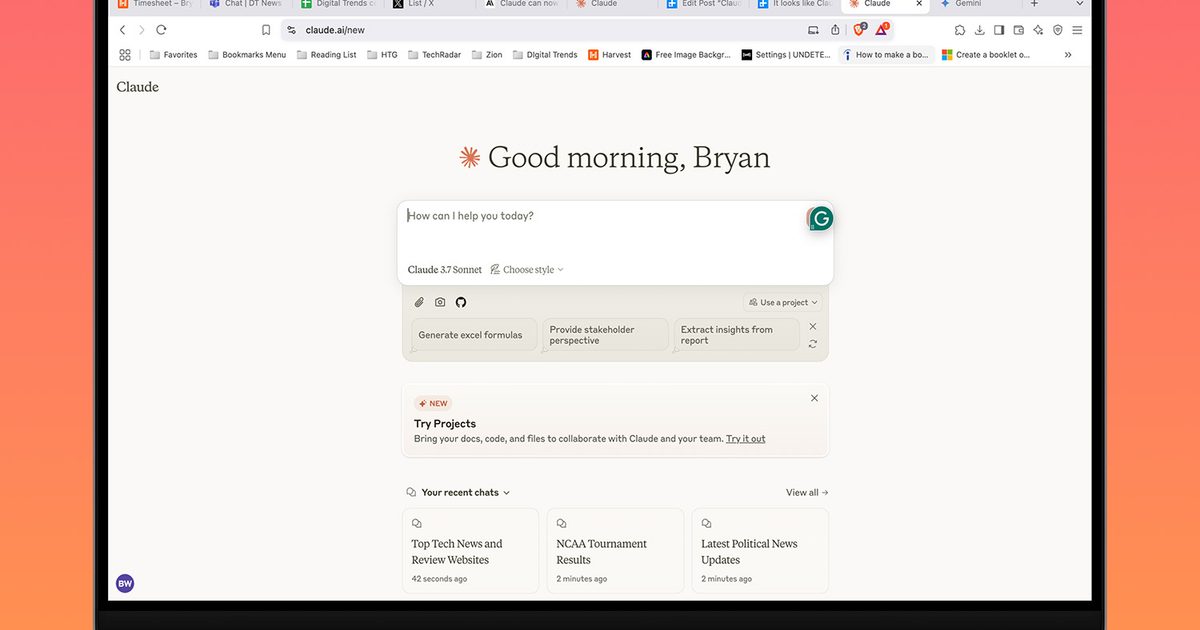
Employees at some of AI’s biggest companies say the AI push is bringing longer hours and heavier workloads
 Bryan M. Wolfe / Digital Trends
Tech companies have spent years promising that AI will help people accomplish more in less time. Inside several companies leading that race, some employees are describing an awkward consequence. More productive tools haven’t necessarily produced shorter working days.
Workers at OpenAI, Anthropic, Meta, and Google told the BBC about punishing schedules and AI projects consuming nights and weekends. The twist is that their employers increasingly have evidence that AI really can help people get more done.
AI really can help workers do more
OpenAI says Codex has become the primary AI work tool across every department, including Legal, Finance, and Recruiting. As its capabilities improved, employees increasingly handed it longer and more complex jobs, while workers also used it to tackle tasks outside their usual roles.
 Aerps / Unsplash
Anthropic’s internal numbers point in the same direction. More than 80% of code merged into its codebase was authored by Claude as of May, while the typical engineer merged eight times as much code per day during the second quarter of 2026 as in 2024. Anthropic cautions that code volume overstates the true productivity gain, but says the increase still indicates substantial acceleration.
Employees aren’t getting that time back
A former OpenAI technical employee told the BBC they worked roughly 70 hours a week, sometimes using weekends to catch up. Workers at OpenAI and Anthropic said intense release sprints could exceed 90 hours in a seven-day period.
At Meta, one current and one former employee described workers being abruptly moved onto urgent AI projects, with some assignments stretching into nights and weekends. Former Google employee Amin Shali said AI priorities affected him more indirectly. He linked overnight work to internal engineering problems as resources were redirected toward AI projects, and said his sleep and overall health improved after leaving Google.
 AI Chatbot
Productivity gains can become workload gains
In-progress UC Berkeley research offers a possible explanation. During an eight-month study at a 200-person tech company, researchers found employees using generative AI worked faster and expanded what they attempted. Work also crept into periods that previously acted as breaks, often without managers explicitly asking employees to work longer.
OpenAI itself has proposed another outcome for those efficiency gains. Its Industrial Policy for the Intelligence Age suggests incentivizing 32-hour or four-day workweek trials when AI reduces routine workloads and operating costs, with reclaimed hours potentially becoming permanently shorter weeks or paid time off.
That may be the more important AI productivity question. If these tools really can give companies hours of human labor back, who gets to keep those hours?

Paulo Vargas is an English major turned reporter turned technical writer, with a career that has always circled back to…
Your MacBook trackpad can now purr like a cat, and it’s surprisingly convincing
A clever new Mac app uses your MacBook's Force Touch trackpad to recreate the feeling of a real cat purring under your palm.
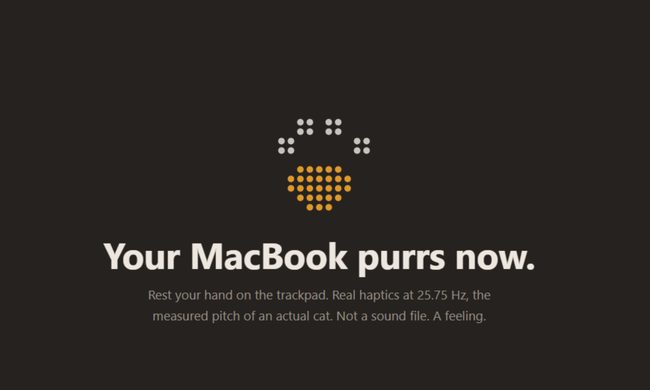
Mac developers keep finding new ways to make their laptops do things Apple never intended. Earlier this year, an app went viral for making MacBooks moan when slapped. Another unique app lets you feel a webpage's buttons through the trackpad before you click them. Now, a developer has built one that makes the trackpad purr like a cat.
PurrPad makes use of the Taptic Engine built into MacBook trackpads, so instead of hearing a purr through your speakers, you feel one under your palm. Developer Francesco Pavanetto, who shared the app on Reddit, says he tuned the vibration to the actual measured pitch of a real cat purr and built it so the pattern never repeats exactly.
MIT researchers found a new Spectre attack that can slip past Intel and AMD defenses
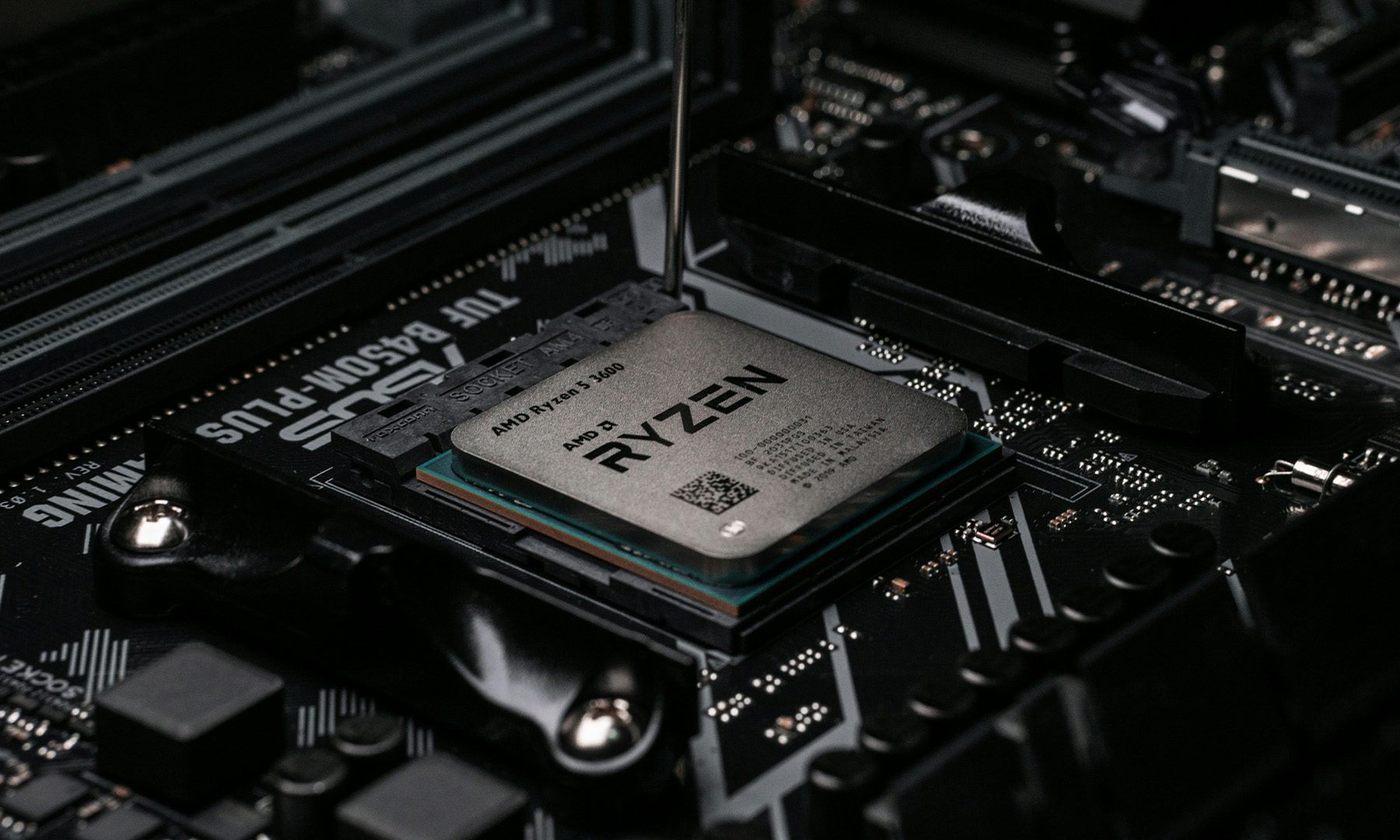
Spectre has been haunting CPU security since 2018, and MIT researchers have now found another way to make it misbehave. The new TONTOU attack can bypass some of the defenses Intel and AMD have added over the years by exploiting a tiny gap in how those protections work. The research comes from Daniël Trujillo and Mengjia Yan at MIT's Computer Science and Artificial Intelligence Laboratory (CSAIL). Their findings show that even after a processor wipes or isolates information used by its branch predictor, there can be a brief window before that information is actually used. TONTOU, short for Time-of-Neutralization to Time-of-Use, attacks precisely that gap.
The tiny gap that TONTOU exploits
Microsoft accidentally gave Windows 11 users another OneDrive app, and you can’t easily remove it
Microsoft says the wider-than-intended rollout was an accident, but removing the app currently means removing OneDrive too.
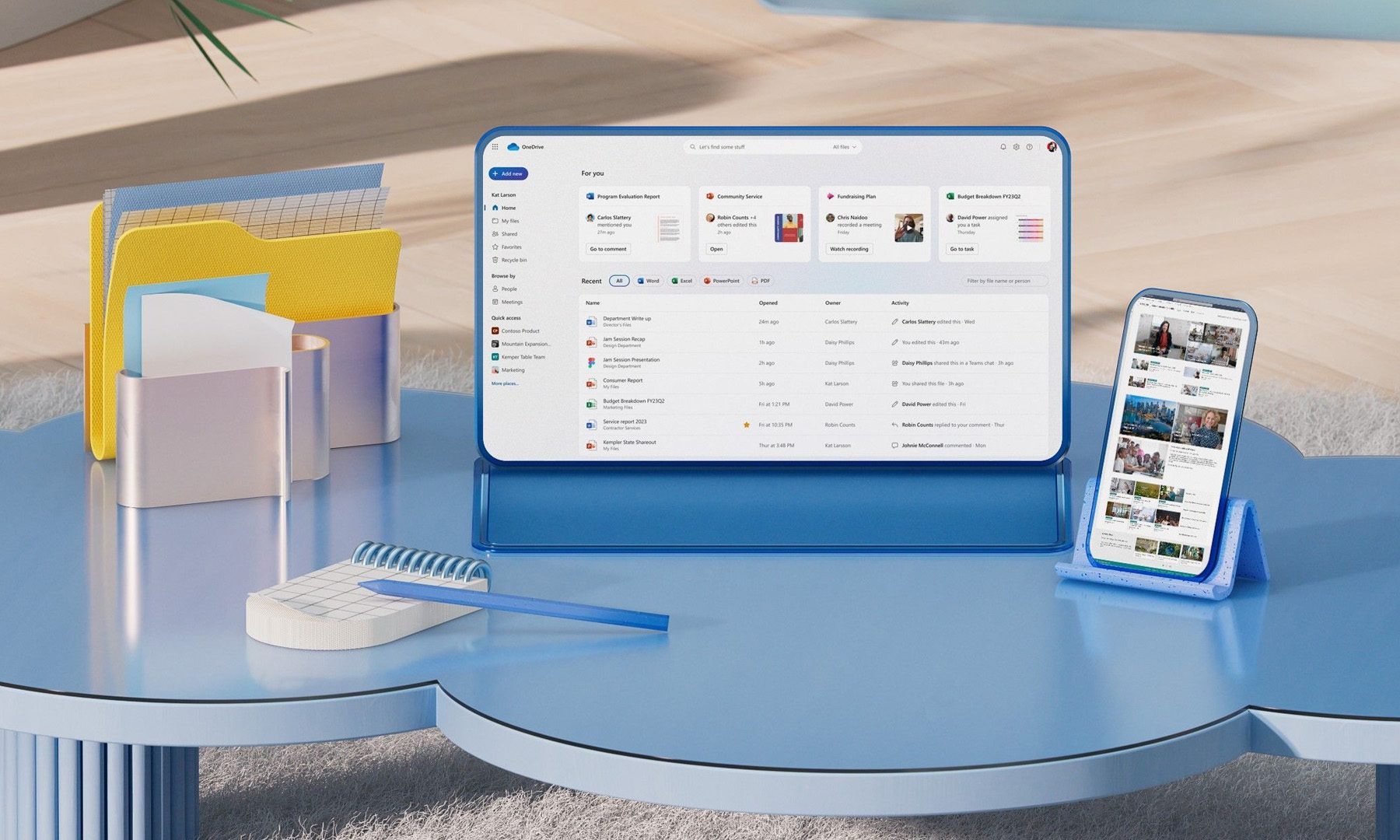
Windows 11 users have been getting a new OneDrive app whether they asked for it or not. The problem? Microsoft says it wasn't supposed to happen. Microsoft has confirmed that its OneDrive Photos app was rolled out to Windows 11 PCs more broadly than intended, including enterprise machines where the app isn't even designed to work. The company says it is now working on a fix, but there's an awkward catch: users currently can't uninstall OneDrive Photos without removing the main OneDrive app too.
So, what exactly got installed?











/cdn.vox-cdn.com/uploads/chorus_asset/file/25829977/STK051_TIKTOKBAN_B_CVirginia_C.jpg)











![AEO checker tools that measure answer engine visibility [2026]](https://53.fs1.hubspotusercontent-na1.net/hubfs/53/aeo-checker-1-20260903-3858273.webp)