
This website publicly shames popular sites like Instagram, Netflix, and Spotify for being too lazy to add passkeys
A new website called WhyNoPasskeys.com is naming and shaming popular platforms like Instagram, Netflix, and Spotify for lacking passkey support.
 Tekef
Tekef
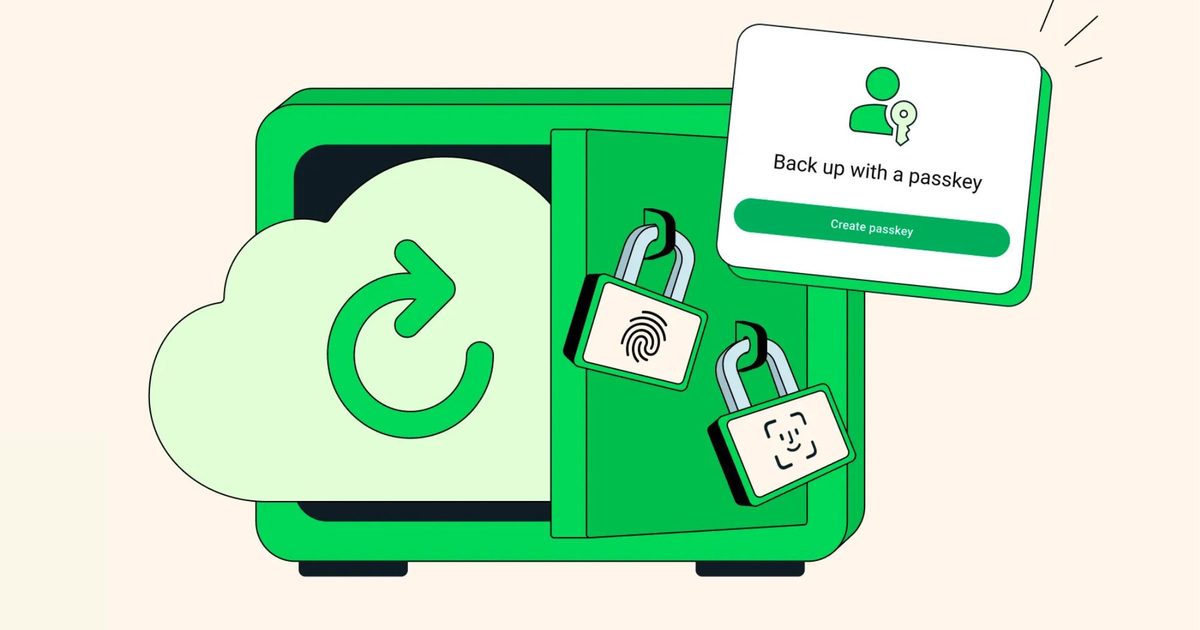
Apple, Google, and Microsoft fully support passkeys, while companies like Netflix and Spotify have offered no explanation for the gap.
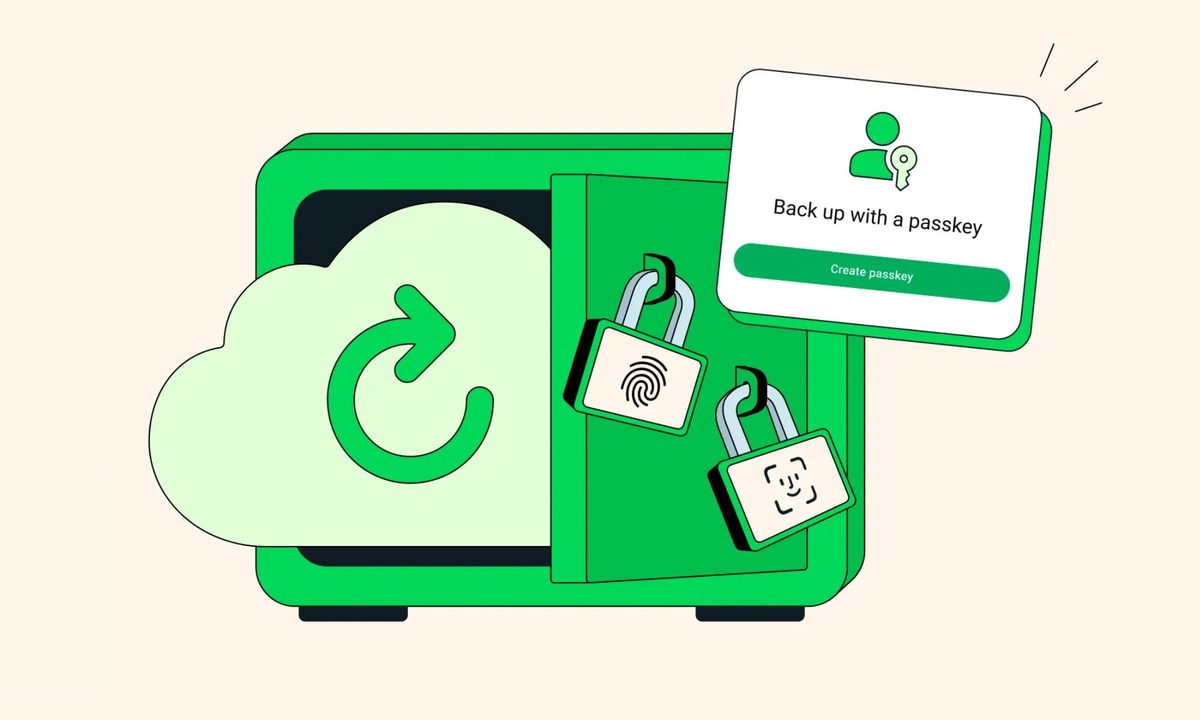 Whatsapp
A new website is doing something many frustrated security experts have wanted for years. It is publicly naming big companies that still refuse to support passkeys. Called Why No Passkeys, the site tracks major platforms that continue to rely on old-school passwords even as passkeys become the safer option. If you use apps like Instagram, Netflix, or Spotify, you might be surprised to see them on the list.
The website was created by security researcher Scott Helme, who previously teamed up with Troy Hunt in 2017 to launch WhyNoHTTPS, a site that helped push much of the internet toward encrypted browsing.
A surprising number of tech giants are stuck in the past
 Digital Trends
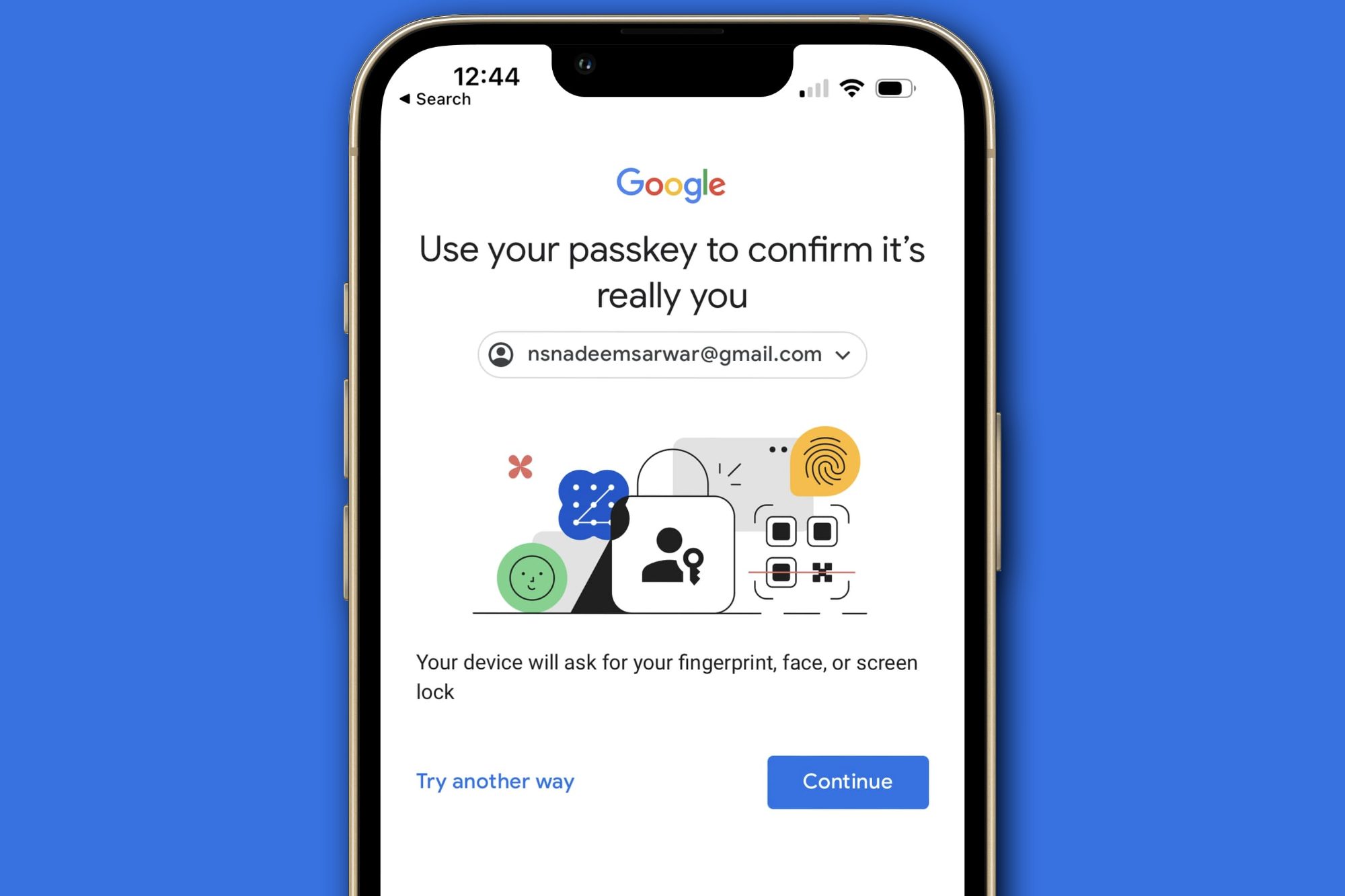
Passkeys are designed to replace passwords with device-based logins like Face ID or fingerprint scans. They are harder to steal, phishing-resistant, and far easier to use. Big names like Google, Apple, and Amazon have already embraced them, but many popular consumer platforms have not.
7 of the top 25 most visited sites globally still lack native passkey support, including Instagram, Netflix, Spotify, Samsung, Roblox, and Baidu. These are not small businesses without engineering resources; they are platforms with hundreds of millions, sometimes billions, of users still protected by nothing more than a password.
Interestingly, Meta already offers passkeys on Facebook and WhatsApp, yet Instagram users can only access the feature if they link their account to a Facebook login with passkeys enabled (via TechCrunch).
Why it matters?
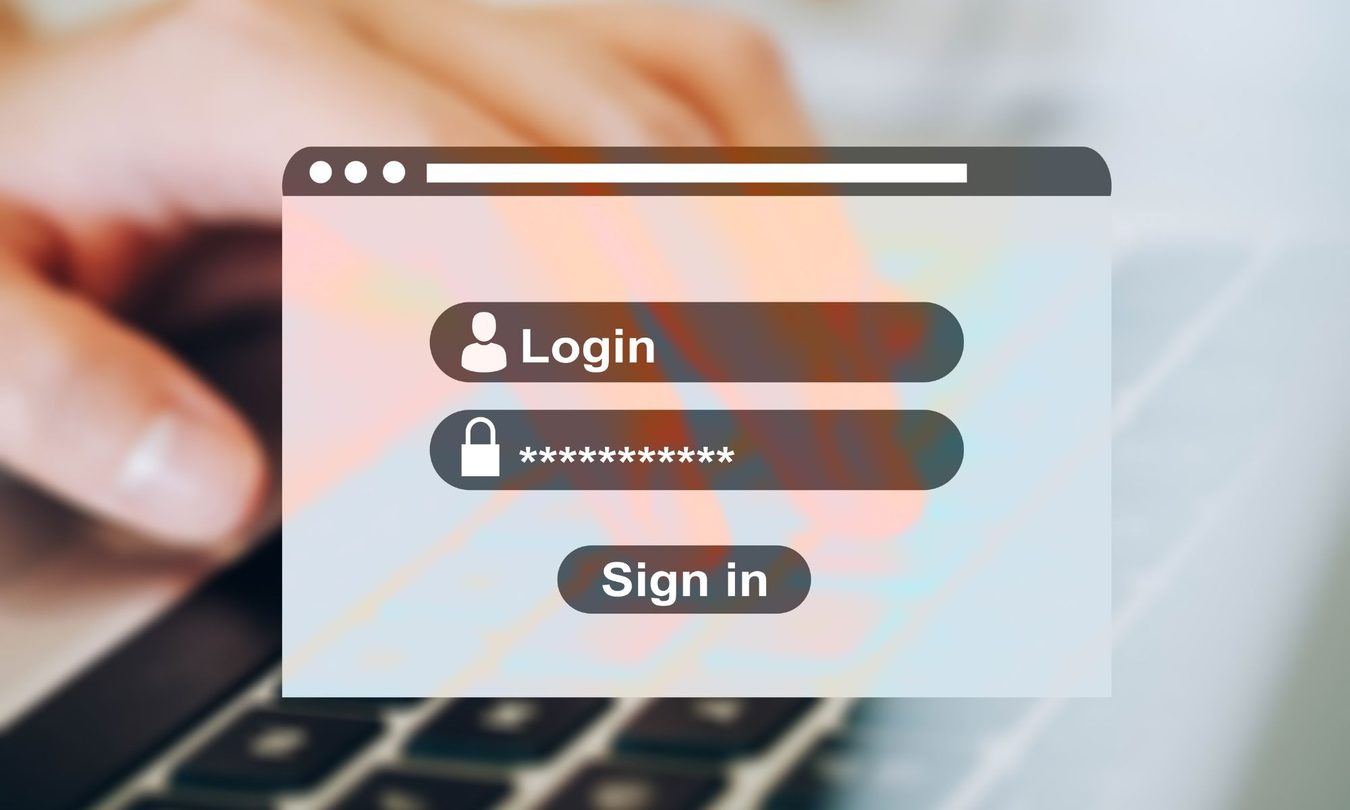
The site works like a public leaderboard, separating companies that support passkeys from those that do not. Their goal is to create public pressure and make it harder for companies to ignore better security.
This matters because passwords remain one of the weakest links online. Data breaches, reused logins, and phishing scams still hit users every day, and passkeys eliminate many of those risks. For you, it’s a reminder that even the apps you trust most may still be behind on security. And now, there is a website making sure everyone knows it.

Manisha Priyadarshini is a tech and entertainment writer with over nine years of editorial experience.
The Digital Trends App Bundle is yours to try for a whole week, free

Recently, we've entered an exciting collaboration with Maple Media, creating a bundle of 17 apps worth having on your phone. From relaxed fun to serious productivity boosts, these apps cover all your bases and provide a fun boost to your phone. Normally, the bundle is $9.99 per month (far lower than the cost of using the apps individually), but for your first 7 days you can get access to the bundle for free. View the full Digital Trends App Bundle for a complete list of the apps, or read on for a summarized take.
Start your free trial
The Galaxy S26 Ultra might not see much of a battery upgrade after all
It looks like it will stay the same as the last five years.

What's happened? This week, China's Quality Certification Center released information about a battery (EB-BS04898ABY) with a maximum capacity of 4,855mAh. That's the same capacity as was previously seen in the Samsung Galaxy S25 Ultra, and fans have taken this certification to mean the Galaxy S26 Ultra will not see a capacity increase after all.
The Samsung Galaxy Ultra models have had the same battery capacity for the last five years.
The Galaxy Tab S10 Lite is official, and it’ll be here sooner than you think

What's happened? Samsung has officially announced the Galaxy Tab S10 Lite, a budget-friendly alternative to the Galaxy Tab S10. The device has been rumored for months, but this is the first time Samsung has officially acknowledged its existence.
The Galaxy Tab S10 Lite will have a 10.9-inch display and a peak brightness of 600 nits — a bit on the lower side, versus the iPad Pro's maximum brightness of 1,600 nits.









/cdn.vox-cdn.com/uploads/chorus_asset/file/25848684/DCD_Gary_Smith_Ciena.png)


















.jpg&h=630&w=1200&q=100&v=c0f97a310e&c=1)
.jpg&h=630&w=1200&q=100&v=1a56ad72fe&c=1)

