What Living in an RV for a Year Taught Me About Owning Less
A year ago, I didn’t set out to become a minimalist. I set out on a road trip. After years of discussion and meticulous planning, my husband, our dog, and I packed our lives into an RV to pursue...
 Lynk
Lynk
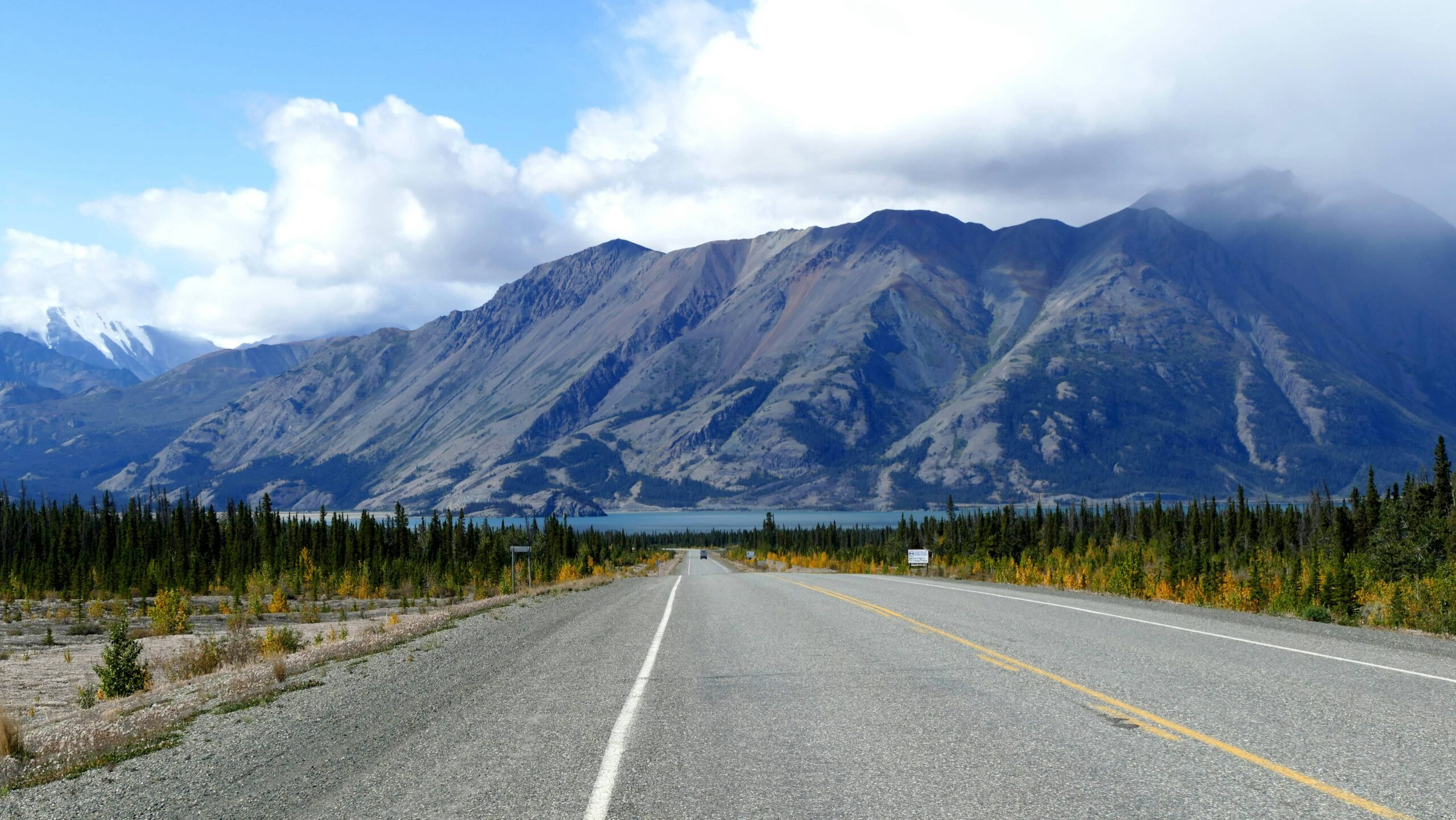

A year ago, I didn’t set out to become a minimalist. I set out on a road trip. After years of discussion and meticulous planning, my husband, our dog, and I packed our lives into an RV to pursue a long-held dream: visiting all 48 states in the continental U.S.
We knew we’d have to shed many of our possessions from our three-bedroom home to fit into a motorhome. Even with months of meticulous planning, there were still so many things to donate, sell, or discard at the last minute. Our motorhome was still packed to the brim as we pulled away from the curb of our old home, waving a fond, excited, and nervous farewell.
We spent almost a year zigzagging across the country, traversing thousands of miles in our tiny moving home. Throughout this time, I started to ask myself more and more: What do I truly, really, need to live a happy life? Again and again, I realized that the less I owned, the more life seemed to open up.
Here are 5 lessons about owning less that a year of RV living taught me.
1. Small spaces force you to focus on what matters
The moment I started to cram our clothes, bed linens and kitchen utensils into the RV, my relationship with space changed immediately. In our house, we could stow away our stuff in multiple shelves, closets and storage bins, spread across different rooms and the garage. In an RV, storing items is a deliberate activity. Every item needs to have its place, and every cabinet its purpose.
Initially, we just jammed everything into our RV, with some items sprawled on the bed and seats as we drove, because we didn’t know where to store it. We had minimal storage space for items like clothing, and I found that the hanging storage shelves in the closet were inadequate, as my clothes would tumble out as soon as I opened the closet after driving. The mere sight of this mess was already overwhelming, and after a few instances of moving things around and repacking, we started to gradually let many nonessential items go.
2. Every item has a cost
In a house, buying something new rarely feels like a trade-off. In an RV, it almost always is. Space and storage are limited. Even weight matters when everything you own is riding on four wheels. Bringing something new into the RV meant asking a simple question: Where will this go?
Over time, this simple question changed how we looked at objects. In the past when we’d travel somewhere new, we’d be tempted to purchase souvenirs, gifts, and other trinkets. But now, instead of accumulating things automatically, we started thinking carefully about whether an item truly deserved space in our lives.
As someone who loves food, my “souvenirs” ended up being the occasional food item–like a unique flavor of mustard at the National Mustard Museum (I had no idea this place existed before the trip!) in Wisconsin, which we enjoyed in our sandwiches for weeks after we’d visited.
3. Experiences naturally replace possessions
Life on the road has a natural way of focusing one’s attention. Because we were focused on seeing so many new places, trying new dishes (including many regional specialties), and doing so many things, it made it easy to prioritize experiences over possessions. We hiked through state and national parks. We immersed ourselves in US history in countless museums. We drove through the Northeast in fall to marvel at the beautiful colors of the falling autumnal leaves. I took dance classes and we met friends living in different states who showed us around their neighborhoods.
These memories–from gorgeous vistas, stunning sunsets, spontaneous conversations, and inspiring experiences–gave me a deeper sense of gratitude and satisfaction that still linger with me today.
4. Simplicity at its finest
Perhaps the biggest lesson from RV life was the simplest one. We needed far less than we thought. We cooked and ate meals in a tiny kitchen, using just a few fresh ingredients. We worked from a small table. We lived our daily lives within a space smaller than many bedrooms. And yet, life felt full.
In fact, in many ways it felt lighter. There was less to manage, less to organize, and fewer distractions competing for our attention. Minimalism didn’t feel like restriction, but freedom.
5. It’s a lifestyle and a journey
While our RV trip is now over, the lessons from the road continue to shape how we live. Today we live in a place where online shopping isn’t as convenient as it once was. At first that felt restrictive. But in many ways, it’s liberating. Without constant one-click purchases and fewer ads competing for our attention, we’re more intentional about what we bring into our lives.
The world is still full of things to buy, whether at the grocery store or online. But the trip taught us that awareness, rather than restriction, has changed how we consume.
Less is definitely more.
Living in an RV didn’t turn me into someone who counts every possession or strives to live with the absolute minimum. Instead, it reshaped how I think about what truly belongs in my life.
Minimalism didn’t end when the trip did, but continues as an evolving process. It’s less about removing things and more about making space for the things that truly belong.
***
About the Author: Lisette Glass lived in Northern California for over 13 years before traveling in a motorhome for a year with her husband and pup. You can learn more about their RV trip across the US to Nicaragua at glassiesontheroad.com.