10 Everyday Items That Are Making Your Home Feel Cluttered
Most clutter does not enter our homes announced as clutter. It arrives as something useful. We need towels, clothes, cookware, and toiletries. Because these items serve a purpose, we rarely question how many we own. We assume that if...
 Fransebas
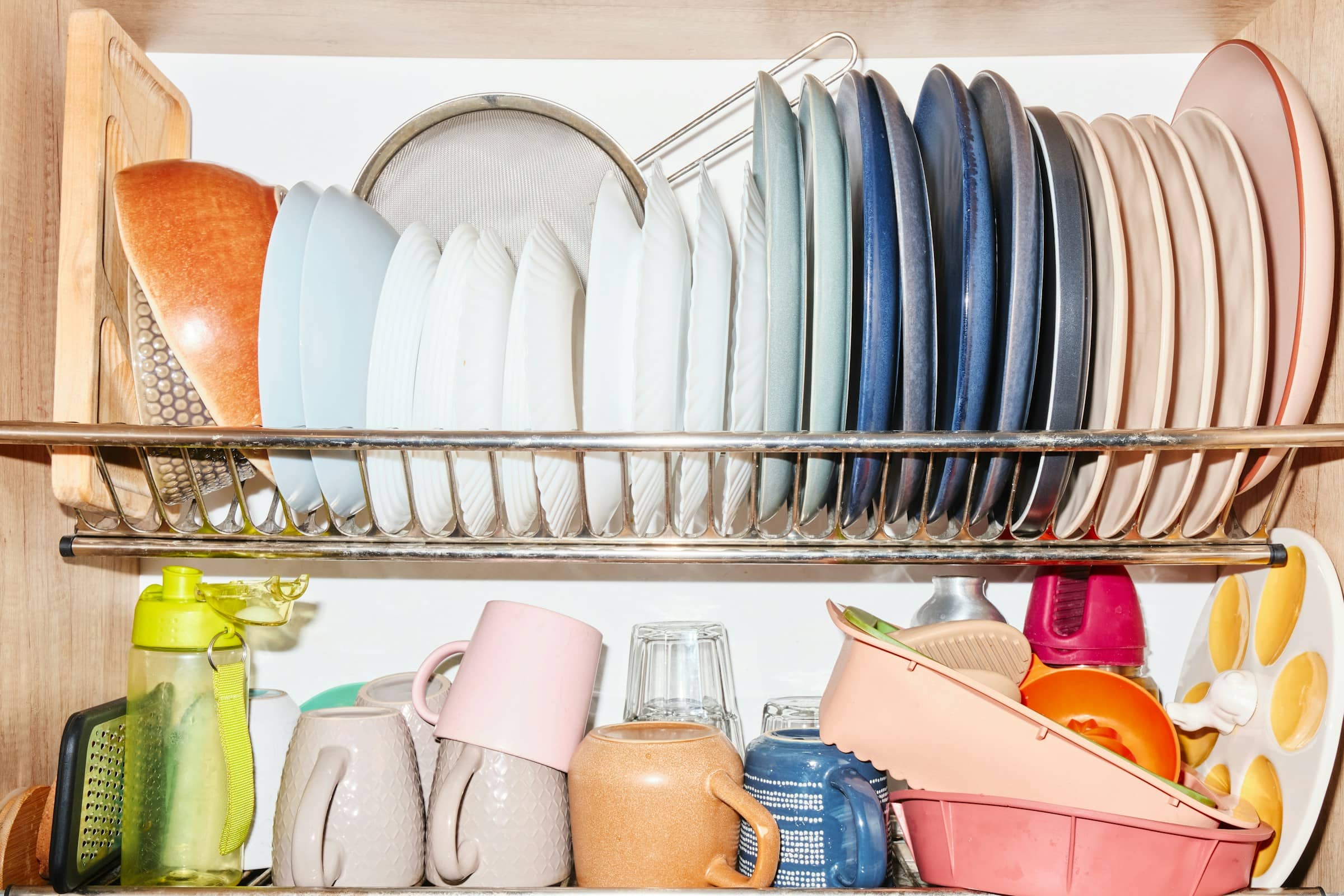

Most clutter does not enter our homes announced as clutter. It arrives as something useful.
We need towels, clothes, cookware, and toiletries. Because these items serve a purpose, we rarely question how many we own. We assume that if one is necessary, several must be even better.
That assumption creates a common problem. We keep buying useful things long after our actual need has been met. One extra becomes five. Five becomes a crowded cabinet. Soon, our homes feel full even though almost everything inside them has a legitimate purpose.
Clutter is not always made of things we never use. Sometimes it is made of useful things we own in unnecessary quantities.
1. Towels
Every home needs towels. Few homes need every towel they have accumulated.
We keep older ones for spills, pets, guests, projects, and emergencies. Meanwhile, the linen closet becomes difficult to use.
Keep enough for your household, a reasonable number for guests, and a few for messes. Every towel should have a purpose and a place.
2. Food Storage Containers
Food storage containers seem to multiply. Takeout containers join purchased sets. Lids lose their matches. Stained containers remain because they might still be useful.
Match every lid with a base, remove damaged pieces, and keep the sizes you regularly use. A smaller, dependable set will serve you better than a large collection that collapses every time you open the cabinet.
3. Clothes
We wear clothes every day, so buying more always feels defensible. But usefulness does not guarantee use.
Closets fill with items that fit a different season of life, require the right occasion, or never feel right when we put them on. Pay attention to what you reach for repeatedly. Let those pieces reveal how much clothing you truly need.
4. Toiletries
Bathroom cabinets often contain half-used bottles, free samples, backup products, abandoned routines, and purchases that did not work as hoped.
Finish what you have before replacing it. Keep your daily products easy to see. Safely dispose of unused or expired medicines by following FDA guidance.
5. Cookware
Many kitchens hold several tools for the same task: duplicate pans, extra mixing bowls, specialty gadgets, and appliances purchased for recipes made once.
Each item may work perfectly. Yet too many useful tools make the kitchen less useful. Keep the cookware that matches how you actually prepare food. Convenience comes from being able to reach what you need.
6. Decorative Items
Decorations help a home feel personal. Over time, they accumulate through gifts, travel, changing tastes, and seasonal purchases.
When every shelf and wall is filled, the objects you love compete for attention. Choose the pieces that tell your story best. Your home does not need to display every beautiful thing you have ever found.
7. Mugs and Water Bottles
Mugs and water bottles are practical, inexpensive, and easy to collect. They also arrive as souvenirs, promotional gifts, and event giveaways.
Most households still rely on the same favorites every day. Keep enough for the people who live in your home and the guests you commonly host. Release the ones nobody chooses.
8. Cleaning Supplies
We buy a different cleaner for every room, surface, stain, and problem. Soon, the area under the sink contains products we forgot we owned.
Identify the few supplies that handle most of your cleaning. Use what you have before trying another version. Some products require special disposal, so consult the EPA’s information on household hazardous waste when necessary.
9. Bed Linens
Extra sheets are helpful when a set is being washed or a guest stays overnight. Beyond that, old sheets often remain because they still fit the bed and might be needed.
Keep a practical number of complete sets for each bed. Remove sheets that are uncomfortable, badly worn, or missing their matching pieces.
10. Reusable Bags
Reusable bags were designed to replace disposable ones, yet they can become a category of excess themselves.
We accept new bags at stores, conferences, events, and fundraisers. Then we store them inside other bags. Choose the strongest and most useful ones, keep them where you will remember them, and donate the rest.
The lesson is larger than any one item on this list. Need does not determine quantity. You may need towels without needing twenty. You may need cookware without needing every gadget. You may need clothes without needing a packed closet.
Look around your home and ask a better question than, “Is this useful?” Ask, “How many of these do I actually use?” That question helps us keep what serves our lives while removing the excess that has slowly begun to crowd them.