5 Semrush AI visibility alternatives worth testing
For many, Semrush is the gold standard for tracking traditional SERP rankings, and the tool has recently added AI visibility features to its suite. However, there are plenty of Semrush AI visibility alternatives on the market worth exploring.
 MikeTyes

For many, Semrush is the gold standard for tracking traditional SERP rankings, and the tool has recently added AI visibility features to its suite. However, there are plenty of Semrush AI visibility alternatives on the market worth exploring. This guide compares eight alternatives — including HubSpot AEO — to help SEO leaders, content marketers, demand gen managers, and RevOps teams evaluate the right fit for their stack, their reporting needs, and their budget. Table of Contents AI search visibility is a brand’s presence inside AI-generated answers — the citations, summaries, and recommendations that AI engines like ChatGPT, Perplexity, Google AI Overviews, and Gemini produce in response to user queries. Traditional rank tracking measures where a webpage appears in a list of blue links. AI search visibility measures whether a brand’s content is retrieved, synthesized, and surfaced as a trusted source inside a generated response. The core difference is structure. In traditional search, ranking depends heavily on backlinks, domain authority, and keyword alignment. In AI search, visibility depends on whether an AI search engine can confidently interpret, extract, and attribute a brand’s content. A page can hold a strong position in Google’s organic results and still be absent from AI-generated answers simply because AI systems prioritize clarity, entity authority, and cross-platform consistency over ranking signals alone. Featured Resource: I Ran 100s of Queries to Find Out if AI Chatbots Are Better Than Search Engines Three metrics define AI search visibility in practice. Together, these three metrics provide more complete insight into AI search visibility than any single metric alone. A brand can have high citation frequency but poor sentiment, or low share of voice but strong positioning in the citations it does earn. Understanding all three is what makes AI visibility measurement actionable. Semrush added AI visibility tracking as an extension of its existing SEO suite, layering AI Overview monitoring, limited citation insights, and keyword data for AI‑influenced queries in addition to its traditional tooling. For teams already working inside Semrush for technical SEO, backlinks, and competitive research, this reduces tool switching and keeps everything in a single workspace. Its AI visibility features lean heavily toward Google AI Overviews, Gemini, ChatGPT, Perplexity, and traditional search integrations. Semrush’s AI visibility features do not cover emerging assistants like Meta AI, Copilot, or Yahoo Scout. This is a gap for teams that need broader cross‑engine visibility. And for organizations not already standardized on Semrush, pricing remains one of the biggest barriers to adopting its AI layer. HubSpot AEO (Answer Engine Optimization) is built specifically to track and improve brand visibility inside AI-generated answers. Where most SEO tools treat AI visibility as an add-on, HubSpot AEO is designed around it. The tool connects citation data, share of voice, and competitor comparisons directly to the CRM context and content tools teams already use. What it tracks: What makes it different: HubSpot AEO connects visibility data to Marketing Hub‘s campaign reporting and Smart CRM’s pipeline and revenue attribution. That means a demand gen team can see not just where the brand appears in AI answers, but whether those AI-influenced touchpoints are converting into contacts, deals, and pipeline. The AEO Grader — HubSpot’s free baseline tool — provides teams with a benchmark before committing to a full platform. It scores AI visibility across major engines and surfaces where competitors are being cited instead. Smart CRM integration is the piece that closes the attribution loop for RevOps teams who need to tie AI visibility data to revenue reporting. What I like: The combination of the AEO Grader for baselining and Marketing Hub for reporting makes HubSpot AEO the most complete option for teams who’ve already felt the pain of trying to connect AI visibility data to actual business outcomes. What the experts say: Peter Baraník, founder of ColorWee and a digital marketer, told me, “I super love this tool because it gives you four things out of the box: a visibility score, prompt tracking, citation analysis, and prioritized recommendations, with the main dashboard showing how your brand trends over time across ChatGPT, Gemini, and Perplexity. The setup is straightforward, the data can be interpreted without an SEO team, and at only $50 per month, it doesn’t require a big budget commitment to try.” He added, “One limitation is that it only includes three platforms, so if you care about Claude, Grok, or Google AI Mode, there will be gaps.” Best for: Marketing, demand gen, and RevOps teams who need AI visibility data connected to CRM reporting and pipeline impact. Pro tip: Start with the AEO Grader to establish your baseline before comparing against competitors. The benchmark data gives your RevOps team a defensible starting point for measuring progress. LLM Pulse is a dedicated AI visibility platform focused on citation analysis, sentiment tracking, and query fan-out research across major AI models. The platform shows actual AI responses — not just aggregated scores — which makes it useful for teams who want to audit what AI engines are literally saying about their brand. Key Features Pricing: Starts at $59/month. What I like: LLM Pulse is one of the few tools that surface query fan-out data, which shows the full range of prompts AI engines use to retrieve content on a topic. That helps design an AI search content strategy, not just monitoring. What the experts say: Doug Darroch, Managing Director at Renaissance Digital Marketing, said, “LLM Pulse stands out because of its white-label reporting. Beyond basic mention tracking, it covers citation analysis, sentiment, query fan-out, and prompt research across the major models, and it shows you the actual AI responses. The main limitation is that the optimization step leans on AI-generated recommendations rather than built-in content production, so you are still the one doing the strategic execution.” Best for: Agencies managing AI visibility for multiple clients, and brands that want to see the actual AI responses pulling their content. BrightEdge is an enterprise SEO platform that has expanded into AI search tracking, offering features such as AI Overview monitoring, content recommendations, and large-scale keyword analysis. Key Features Pricing: Contact BrightEdge for a quote. What I like: BrightEdge’s integration of AI visibility into a broader enterprise AI SEO workflow reduces the need to manage separate platforms for teams with large content operations. What the experts say: Baraník has an honest opinion about BrightEdge. He told me, “BrightEdge can be useful if your problem is enterprise SEO workflow, but it’s not enough if your problem is specifically AI search visibility, because buyers are no longer just clicking on ranked pages. They’re using ChatGPT, Google AI Overviews, and Perplexity to summarize markets for them. The data is impressive, but the platform is geared toward large teams with dedicated SEO resources, and the pricing reflects that. If you are a one-man band or a small brand, it’s more tools than you need.” Best for: Enterprise SEO teams with existing BrightEdge contracts who want to extend visibility tracking into AI Overviews without switching platforms. Authoritas measures how visible your brand is across AI search experiences. The tool tracks which entities, products, and competitors appear in AI answers and how often. Key Features Pricing: Contact Authoritas for a custom quote. What I like: Authoritas gives marketers a clear, structured view of how my brand actually appears in AI search without the guesswork. What the experts say: Raúl Menoyo, Founder of Citora, uses a variety of Semrush AI visibility alternatives each day. Here’s what he had to say about Authoritas: “The feature I genuinely rely on is URL-level AI Overview tracking, which tells me which exact pages Google is citing instead of handing me one vague visibility score. Its blind spot is the standalone assistants. It’s strong on Google and thin on ChatGPT, Claude, and Perplexity, so I have to pair it with something else when a client cares about those.” Best for: SEO teams focused primarily on Google AI Overviews who need page-level citation data to prioritize content updates. Advanced Web Ranking tracks how your brand appears across AI search results, showing which competitors are being surfaced and how your visibility shifts over time. Key Features Pricing: Starting from $139/month. What I like: Advanced Web Ranking’s historical data makes it easy to demonstrate progress over time. It’s useful for reporting to stakeholders who want to see trend lines, not just current snapshots. What the experts say: Manpreet Kaur, SEO Specialist, said, “This tool has become one of my go-to tools when it comes to keyword tracking and SEO reporting. The thing I like about it is the opportunity to track ranking positions across various locations, devices, and search engines, providing historical trend information along the way. For SEO professionals who need reliable tools for tracking their visibility and getting comprehensive reporting data, Advanced Web Ranking works great.” Best for: SEO teams managing multi-location or multi-market visibility who need reliable historical tracking alongside AI search data. The best AI visibility tool is the one that aligns with where your buyers search, how your team reports, and whether visibility data needs to connect to revenue workflows. Here are the questions to consider when deciding whether to subscribe to an AI visibility tool. Start with buyer behavior. If most research happens in Google AI Overviews, tools with strong Google coverage — like Authoritas or BrightEdge — will give you the clearest signal. If your audience is using ChatGPT, Perplexity, or Gemini, cross‑assistant tracking becomes essential. HubSpot AEO and LLM Pulse both monitor multiple major assistants, making them better fits for teams that need visibility beyond Google. Your “best” tool depends on the workflow you’re optimizing for. If you need visibility data tied directly to pipeline, attribution, and CRM context, HubSpot AEO is the most complete option because it connects natively to Smart CRM and Marketing Hub. If you’re producing client‑ready or agency‑style deliverables, LLM Pulse stands out with flexible, white‑label reporting. If you need deeper insight into how Google AI Overviews cite your content, Authoritas offers more granular detail than most alternatives. HubSpot AEO and LLM Pulse both track visibility across ChatGPT, Gemini, and Perplexity. Advanced Web Ranking and Authoritas offer stronger traditional search coverage, with varying levels of AI assistant integration. Pro tip: Because coverage changes quickly, always confirm current engine support with the vendor before committing. Most standalone AI visibility tools require manual exports to bring citation data into CRM reporting. HubSpot AEO is the only tool that removes that friction. Visibility data appears alongside CRM records, campaign performance, and pipeline metrics without additional integration work. Featured Resource: Top 11 Rank Tracking Software I’ve talked to several marketers about the future of SEO. For teams looking to launch their AI visibility strategy, the first thing I tell them is to define success before measuring or changing any part of the content marketing strategy, which gives the pilot enough runway to produce meaningful data. Here’s the six-step structure I recommend. Start with 10 to 15 queries that reflect how your buyers actually research in AI engines. Not internal keyword lists, but real buyer questions at evaluation and decision stages. Queries like: Run your target queries manually across ChatGPT, Perplexity, and Gemini before setting up any tracking tool. Document citation frequency, competitor mentions, and how your brand is described. This baseline is your starting point, and it makes the first reporting cycle more meaningful. Use HubSpot’s AEO Grader for a structured benchmark. The Grader scores your visibility across major AI engines and identifies where competitors are appearing instead of you. Use the criteria in the previous section to choose the right tool for your team. If you’re managing CRM-connected reporting, start with HubSpot AEO. If you need white-label deliverables, evaluate LLM Pulse. If Google AI Overviews are your primary surface, Authoritas is worth testing. AI visibility gaps that are content gaps are usually places where your brand’s expertise on a topic isn’t clear, well-structured, or up to date enough for AI engines to confidently retrieve. Review your top-performing pages against your baseline citation data. Pages that rank well in traditional search but appear infrequently in AI answers often need structural improvements: At the end of your first reporting cycle (4 to 8 weeks is a reasonable starting window), measure four things. This step is where most AI visibility pilots stall. Citation data without revenue attribution doesn’t move budget conversations. HubSpot AEO’s connection to Smart CRM and Marketing Hub makes this step possible within the platform. If you’re using a standalone tool, build a manual bridge: tag contacts by AI-influenced touchpoints and track them through the pipeline in your CRM. Yes, you can run AI visibility tracking alongside Semrush rather than replacing it. Most teams keep Semrush for traditional SEO workflows — technical audits, backlink analysis, keyword tracking — and layer a dedicated AI visibility tool like HubSpot AEO on top for citation monitoring, share of voice, and AI engine coverage. The two workflows operate independently, so there’s no technical conflict. Rank tracking measures where a webpage appears in search results, typically by position, keyword, and search engine. AI visibility measures whether and how a brand appears inside AI‑generated answers, which don’t have traditional ranked positions. Instead of “position one versus position five,” AI visibility tracks citation frequency (how often a brand is mentioned), share of voice (how often a brand appears relative to competitors), and sentiment (how AI engines describe the brand). Yes, HubSpot’s AEO Grader is a free tool that scores brand visibility across major AI engines and surfaces gaps in competitors. Manual prompt testing — running target-buyer queries across ChatGPT, Perplexity, and Gemini and documenting the results — is also a zero‑cost baseline approach. Both are solid starting points before committing to a paid platform. The limitation is scale: free options don’t support ongoing monitoring or automated reporting, so for regular tracking and stakeholder updates, a paid tool is more practical. Connecting AI visibility to revenue requires a bridge between citation data and CRM records. The most direct path is to use a platform that natively integrates visibility tracking with CRM. HubSpot AEO connects to Smart CRM and Marketing Hub, so AI‑influenced touchpoints can be tied to contacts, deals, and pipeline without manual export. If you’re using a standalone AI visibility tool, the manual approach involves tagging contacts by AI‑influenced discovery sources and tracking their conversion path in the CRM. The key is defining AI‑influenced touchpoints before the pilot starts, so attribution logic is in place once the data begins flowing. For most marketing teams, AI search visibility is a current reporting gap. And my experience working with brands on AI search strategy consistently points to the same conclusion: citation data is only as useful as the reporting infrastructure around it. Teams that can connect AI visibility to revenue conversations are the ones that secure ongoing investment in the channel. HubSpot AEO’s integration with Smart CRM and Marketing Hub is the most complete solution I’ve seen for closing that loop, and the AEO Grader gives teams a free, structured starting point before committing to any platform. If your team is evaluating Semrush AI visibility alternatives, start with the AEO Grader for a baseline, define your target queries and success metrics before the pilot launches, and prioritize the tool that makes visibility data actionable inside the workflows you already use.
What AI Search Visibility Means
AI Search Visibility vs. Traditional Rank Tracking
Citations, Share of Voice, and Sentiment
Where Semrush Fits In AI Visibility
Semrush AI Visibility Alternatives to Evaluate
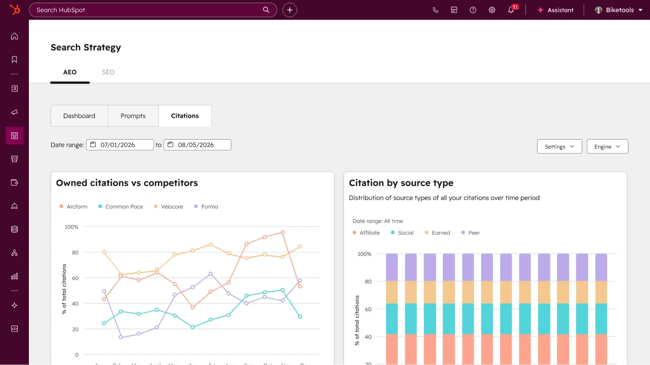
1. HubSpot AEO
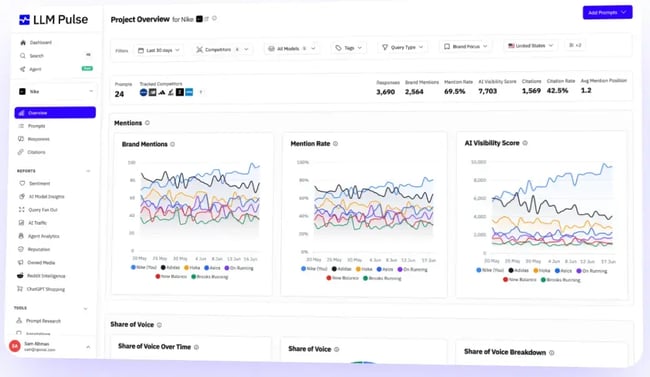
2. LLM Pulse
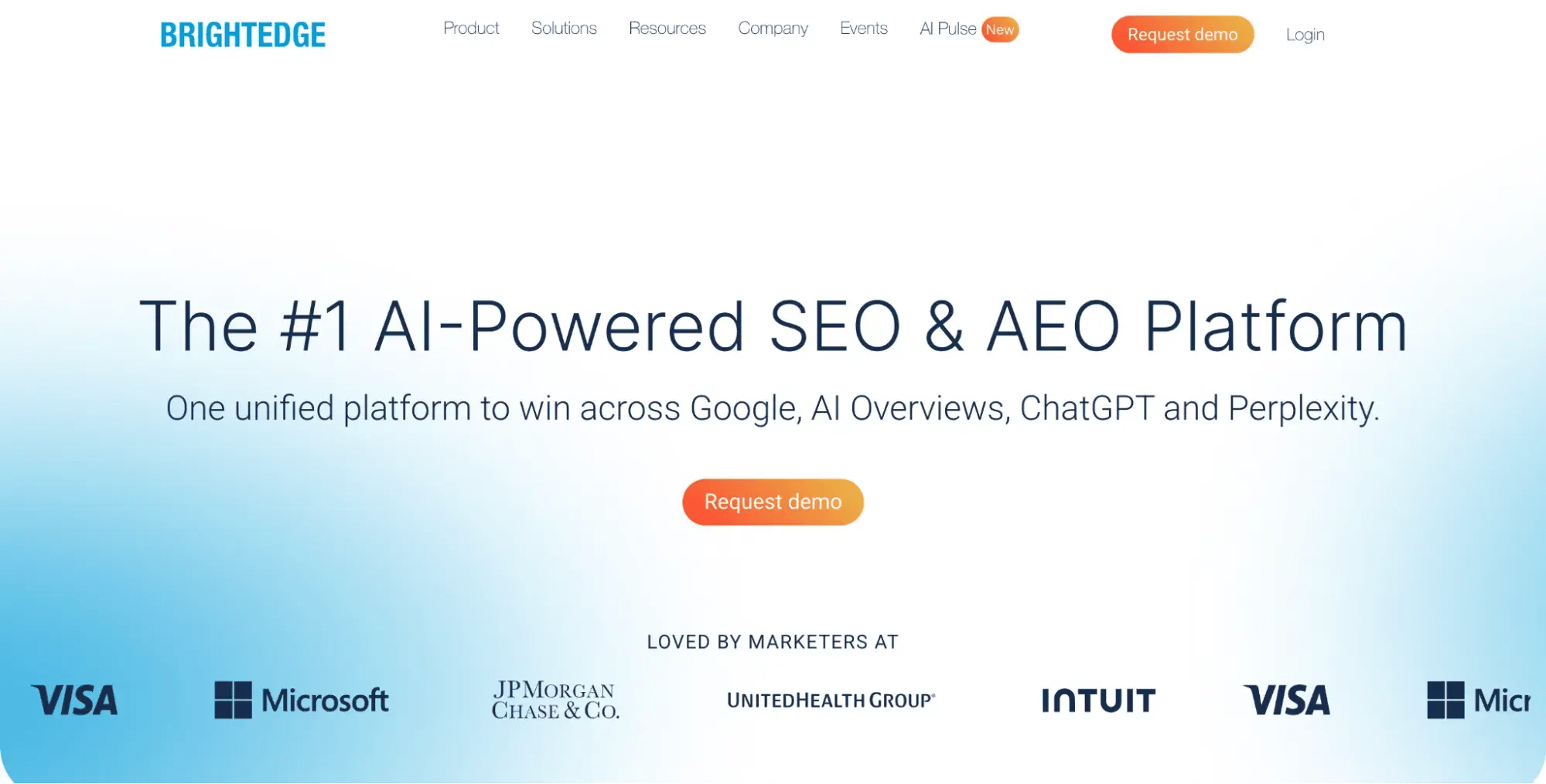
3. BrightEdge
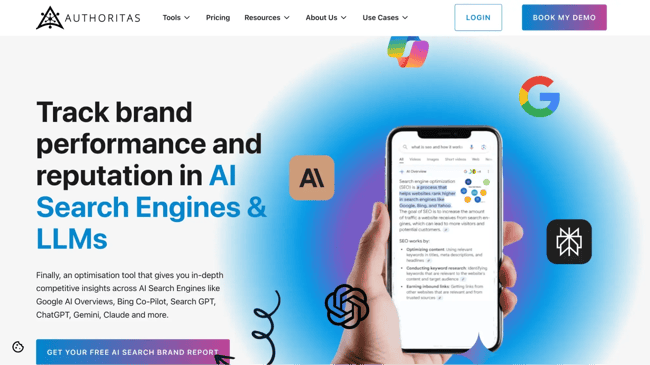
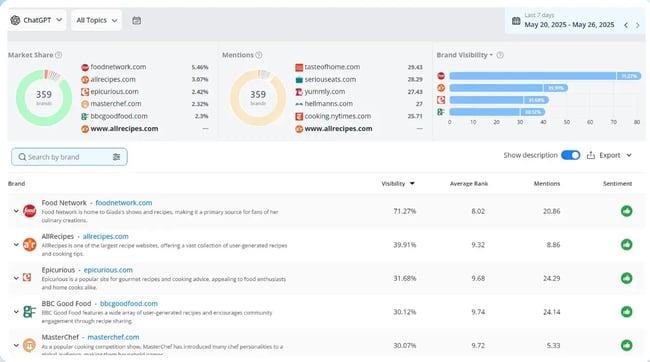
4. Authoritas
5. Advanced Web Ranking
How to Choose Semrush AI Visibility Alternatives
1. Which AI engines matter most?
2. What’s the best AI optimization tool for visibility?
3. Which AI visibility tools cover ChatGPT and Perplexity?
4. Does it connect to your CRM?
Pilot Plan For AI Search Visibility
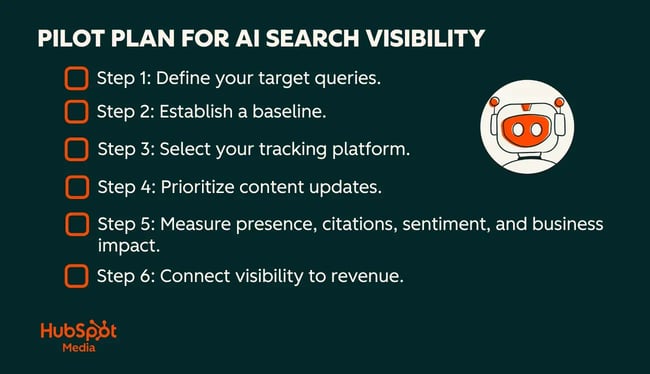
Step 1: Define your target queries.
Step 2: Establish a baseline.
Step 3: Select your tracking platform.
Step 4: Prioritize content updates.
Step 5: Measure presence, citations, sentiment, and business impact.
Step 6: Connect visibility to revenue.
Frequently Asked Questions About Semrush AI Visibility Alternatives
Can I track AI visibility without switching from Semrush?
What is the difference between AI visibility and rank tracking?
Are there any free AI visibility options?
How do I connect AI visibility to leads and revenue?
Your Next Move in AI Search Visibility









![22 Instagram Post Ideas for More Likes, Comments, Shares and Saves [Infographic]](https://imgproxy.divecdn.com/m3UT9NO3PZydi-0weidZtsT2HEj-NnbbHIMrL_4F1m8/g:ce/rs:fit:770:435/Z3M6Ly9kaXZlc2l0ZS1zdG9yYWdlL2RpdmVpbWFnZS9pZ19wb3N0X3RpcHMyLnBuZw==.webp)
![The Social Media Funnel Explained [Infographic]](https://imgproxy.divecdn.com/6ikpva2mP7mvhaHG4yj_J6dzhXnEZMvZFDHDbI6Qucs/g:ce/rs:fit:770:435/Z3M6Ly9kaXZlc2l0ZS1zdG9yYWdlL2RpdmVpbWFnZS9zb2NpYWxfbWVkaWFfZnVubmVsX2luZm9ncmFwaGljMi5wbmc=.webp)