7 Decluttering Projects to Do with Your Kids
If you declutter your home without involving your kids, you may create a cleaner space—but you miss a bigger opportunity. Because clutter is not just a household problem. It is a learned behavior. Children are not born attached to...
 Fransebas
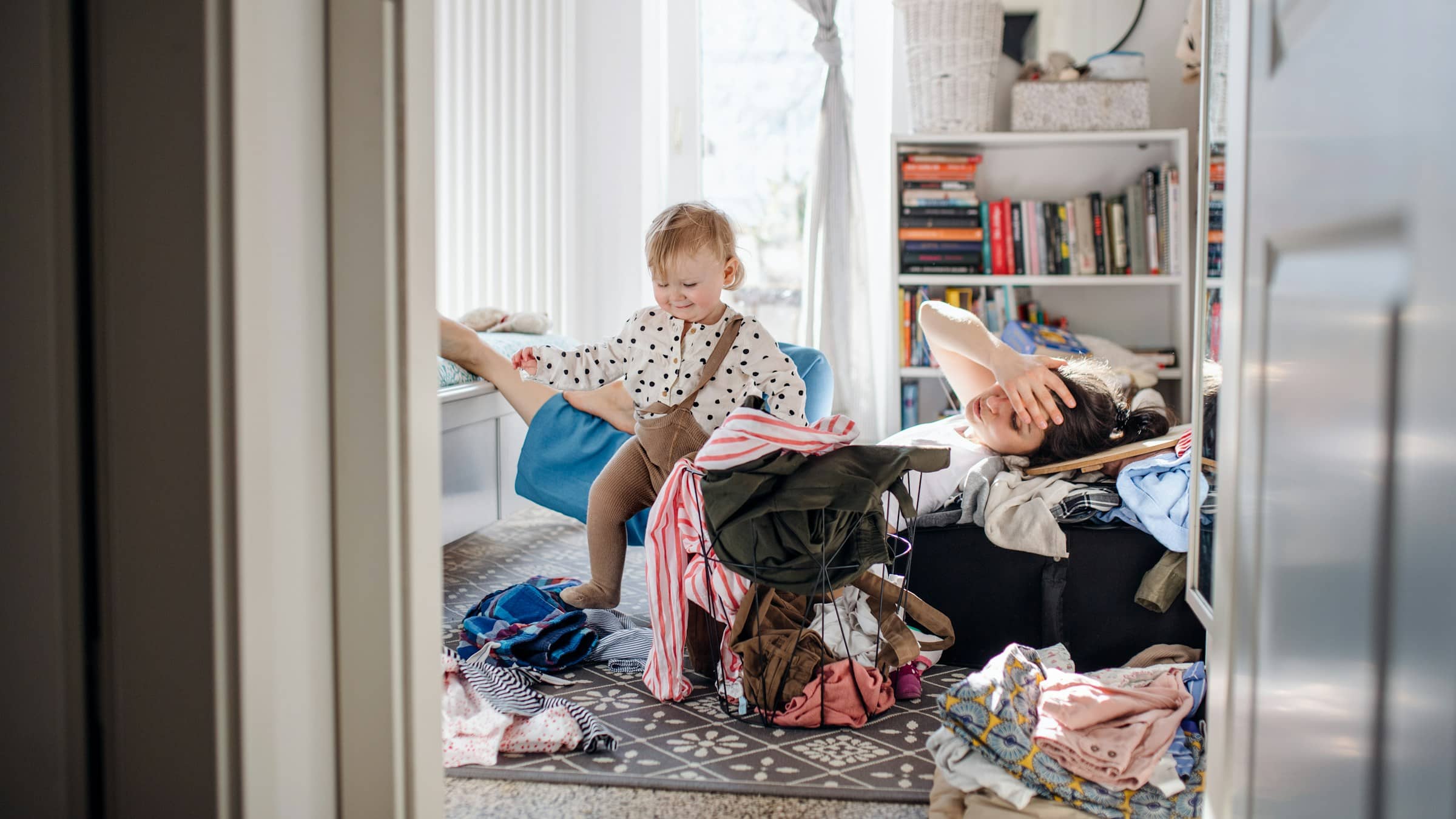

If you declutter your home without involving your kids, you may create a cleaner space—but you miss a bigger opportunity.
Because clutter is not just a household problem. It is a learned behavior.
Children are not born attached to excess possessions. They learn it slowly. From gifts, from advertising, from watching how adults treat their own things, children are highly influenced by marketing messages that encourage constant consumption. If they never learn how to let go, they grow into adults who struggle to do it.
This is why decluttering with your kids matters.
Not because you want their room to look better. But because they need to learn how to live with enough.
When kids help decide what stays and what goes, they learn ownership. They learn responsibility. And they learn that letting go is normal—not something to avoid.
Here are seven decluttering projects that help kids build those habits early.
1. Toys
Toys are the easiest place to start because kids already know which ones they use and which ones they don’t.
Bring all the toys into one area. Seeing everything together makes the decision clearer. Ask simple questions: Which ones do you actually play with? Which ones sit untouched?
Most kids are more honest than adults. They know what matters to them.
Let them choose toys to donate. Giving toys to nonprofit organizations helps them see their unused possessions can serve someone else better.
2. Arts and crafts supplies
Art supplies often pile up without anyone noticing. Dried markers. Broken crayons. Paper scraps.
Go through them together and test what still works. Throw away what doesn’t. Put the usable supplies back where kids can easily reach them.
Kids use their supplies more often when they can see them. And they take better care of things when there’s less to manage.
3. Clothes
Children outgrow clothes quickly, but those clothes often stay in drawers long after they stop wearing them.
Ask your child which clothes they actually like wearing. Not what fits. What they choose. Most kids rotate between the same few outfits anyway.
4. Stuffed animals
Stuffed animals can be harder because they often carry emotional attachment.
Instead of asking your child to get rid of them randomly, ask which ones they truly care about. Which ones stay on their bed. Which ones they reach for. Keep those. Let the others go.
This helps kids learn an important distinction: keeping everything is not the same as valuing something.
5. Collections
Many kids collect things—rocks, cards, small toys, souvenirs.
Collecting itself is not the problem. But collections often grow beyond what the child actually values.
Declutter even these. This teaches them to prioritize quality over quantity. A lesson that will serve them for life.
6. Games and puzzles
Games and puzzles often remain long after kids stop using them. Interests change quickly.
Ask which games they still enjoy and which ones they’ve outgrown.
Removing unused games makes space for the ones they actually play. It also makes cleanup easier and faster.
Less volume makes everything easier to maintain.
7. Books
Books are important, but kids move through reading levels quickly. Many books sit untouched after they’ve been read once.
Ask your child which books they would read again. Keep those. Pass along the rest to those who would benefit from them.
Decluttering with your kids does more than reduce clutter. It teaches them how to live. They learn that not everything needs to be kept. They learn that their space is easier to care for when it holds less. They learn they can make decisions about their own belongings.
And those lessons stay with them long after the clutter is gone.