After social media ban, AI bans could be next for school kids
Norway has announced a near-total ban on generative AI tools in elementary schools, citing concerns about learning and development. The decision follows growing debate among researchers, educators, and policymakers about the long-term effects of AI on how people learn...
 KickT
KickT

Norway is restricting AI in schools, and other countries could follow
 Unsplash
Artificial intelligence is rapidly becoming part of everyday life, and that includes classrooms. Students are turning to tools like ChatGPT for homework, research, writing assistance, and even basic questions. But a growing number of educators, researchers, and policymakers are questioning whether introducing children to AI at such a young age could do more harm than good.
Norway appears to agree. The country has announced a near-total ban on generative AI tools for elementary school students, arguing that children need to develop fundamental reading, writing, and math skills without relying on AI. The move could become an early sign of a broader trend, especially as governments around the world take a tougher stance on children’s use of technology.
 Unsplash
Why is Norway restricting AI in schools?
Norwegian Prime Minister Jonas Gahr Støre said the government is concerned that AI could cause younger students to skip important stages of learning. The administration argues that reading, writing, and mathematics should remain the primary focus during a child’s early education.
That said, Norway is not completely shutting the door on AI in education. Under the new guidance, students aged 6 to 13 should generally not use generative AI tools, while those between 14 and 16 may use them under teacher supervision. Students in upper secondary education, aged 17 to 19, will be taught how to use AI responsibly so they are better prepared for higher education and the workplace.
 ChatGPT Unsplash
A recent study found that even short periods of AI-assisted work may reduce independent critical thinking. Participants who relied on AI assistance were significantly more likely to struggle or give up when that assistance was removed, suggesting that frequent reliance on AI may reduce persistence and independent thinking.
The study focused on adults, which raises an obvious question. If mature minds can become dependent on AI after only brief exposure, what happens when children with developing brains use these tools every day? That question is becoming increasingly difficult for educators and policymakers to ignore, and Norway’s new restrictions suggest some governments are no longer willing to wait for a definitive answer.
Are AI restrictions the next big policy trend?
 Meta
Meta
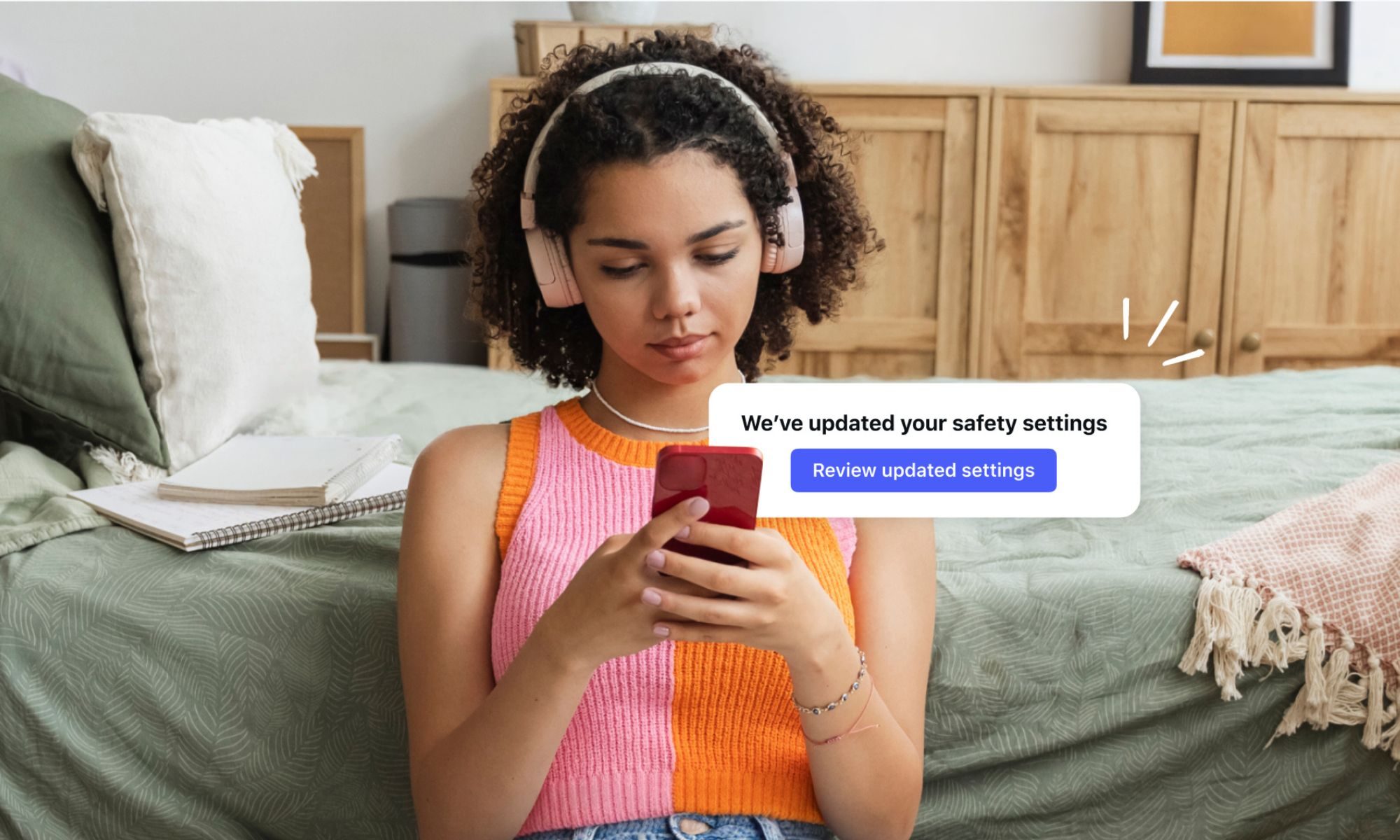
Norway’s AI restrictions are part of a wider trend. The country has already banned smartphones in schools and has proposed tighter controls on children’s access to social media. Similar debates are taking place around the world as governments become increasingly willing to intervene when new technologies are seen as posing risks to young users.
Just a few years ago, the idea of restricting children’s access to social media platforms was viewed by many as unrealistic. Today, age-verification laws, smartphone bans, and social media restrictions are becoming increasingly common. AI could be heading down a similar path.

I’ve got about 4 years of experience, mostly covering gaming, PC hardware, and smartphones. In my free time, I like…
The Digital Trends App Bundle is yours to try for a whole week, free

Recently, we've entered an exciting collaboration with Maple Media, creating a bundle of 17 apps worth having on your phone. From relaxed fun to serious productivity boosts, these apps cover all your bases and provide a fun boost to your phone. Normally, the bundle is $9.99 per month (far lower than the cost of using the apps individually), but for your first 7 days you can get access to the bundle for free. View the full Digital Trends App Bundle for a complete list of the apps, or read on for a summarized take.
Start your free trial
The Galaxy S26 Ultra might not see much of a battery upgrade after all
It looks like it will stay the same as the last five years.

What's happened? This week, China's Quality Certification Center released information about a battery (EB-BS04898ABY) with a maximum capacity of 4,855mAh. That's the same capacity as was previously seen in the Samsung Galaxy S25 Ultra, and fans have taken this certification to mean the Galaxy S26 Ultra will not see a capacity increase after all.
The Samsung Galaxy Ultra models have had the same battery capacity for the last five years.
The Galaxy Tab S10 Lite is official, and it’ll be here sooner than you think

What's happened? Samsung has officially announced the Galaxy Tab S10 Lite, a budget-friendly alternative to the Galaxy Tab S10. The device has been rumored for months, but this is the first time Samsung has officially acknowledged its existence.
The Galaxy Tab S10 Lite will have a 10.9-inch display and a peak brightness of 600 nits — a bit on the lower side, versus the iPad Pro's maximum brightness of 1,600 nits.
























.jpg&h=630&w=1200&q=100&v=c0f97a310e&c=1)