
Apple could go back to Intel for chips, but not how you would expect (or dread)
Apple and Intel are reportedly exploring a manufacturing partnership that could reshape how future Apple chips are produced. But despite the headline, this does not mean Apple is abandoning Apple Silicon or returning to Intel-powered Macs. According to a...
 Lynk
Lynk
 Apple MacBook
Unsplash
Apple MacBook
Unsplash
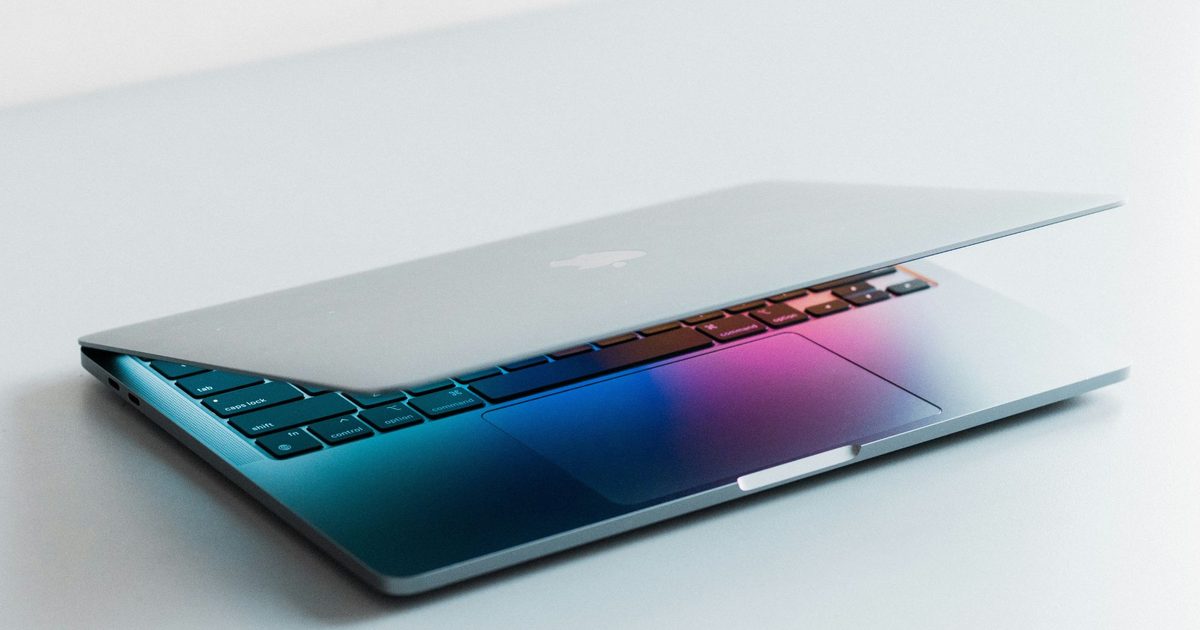
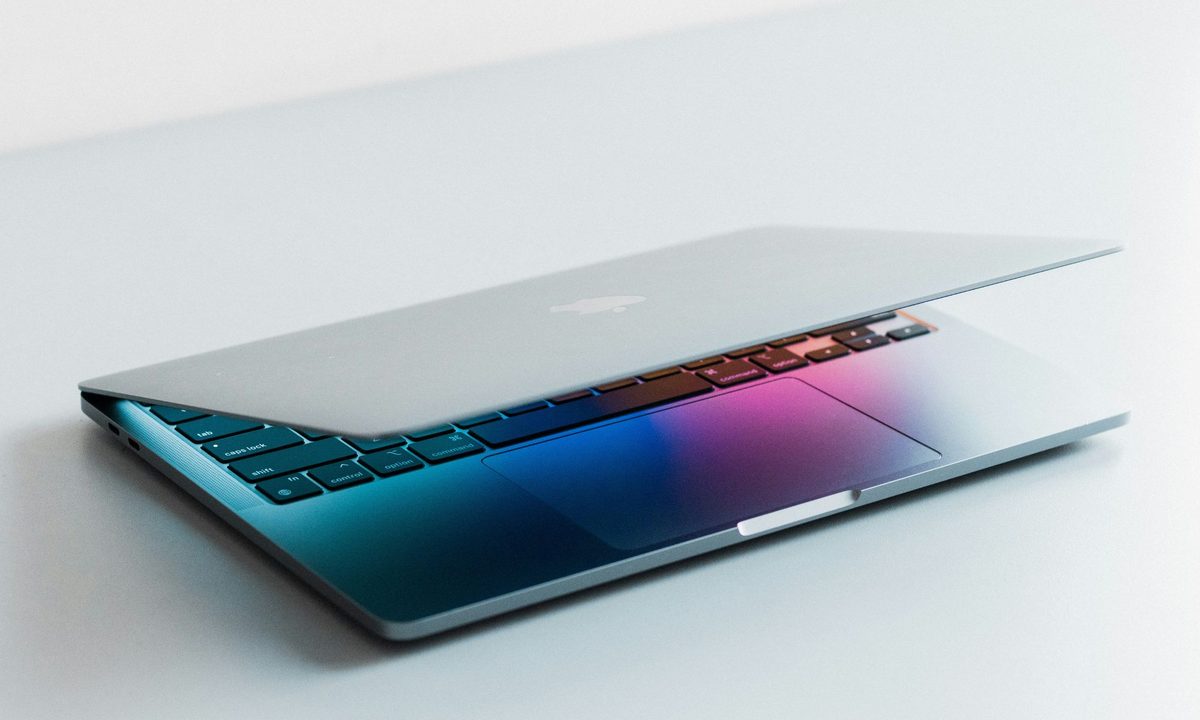
Apple and Intel are reportedly exploring a manufacturing partnership that could reshape how future Apple chips are produced. But despite the headline, this does not mean Apple is abandoning Apple Silicon or returning to Intel-powered Macs.
According to a new Wall Street Journal report, Apple and Intel have reached a preliminary agreement for Intel to manufacture some chips designed by Apple. Bloomberg’s Mark Gurman later clarified on X that there is still no finalized production agreement in place and discussions remain at an early stage. His post also noted that Apple continues to have concerns about Intel’s manufacturing technology and long-term competitiveness.
Apple’s Intel discussions are more about manufacturing than replacing Apple Silicon
The most important detail here is that Apple would still design its own chips. Intel’s role, if the deal progresses, would involve manufacturing some of those processors through Intel Foundry Services rather than replacing Apple’s in-house silicon strategy.
That distinction matters because Apple’s transition away from Intel processors in 2020 fundamentally changed the Mac lineup. Apple Silicon chips, such as the M-series processors, gave Apple tighter control over performance, efficiency, thermals, and AI capabilities. Nothing in the current reports suggests Apple plans to reverse that direction.
 Apple MacBook Unsplash
Instead, the discussions appear to center around supply chain diversification. Apple currently relies heavily on TSMC for manufacturing chips used in iPhones, iPads, Macs, and other devices. However, growing AI demand from companies like Nvidia has increased pressure on advanced semiconductor production capacity.
The WSJ report notes that Apple has faced ongoing supply constraints for some products, with Tim Cook previously acknowledging shortages affecting Mac availability. Working with Intel could potentially give Apple a secondary manufacturing option alongside TSMC.
The talks also carry broader geopolitical and industry implications
The Trump administration reportedly played an active role in encouraging partnerships between Intel and major technology companies. Intel has already secured partnerships with Nvidia and Elon Musk-linked projects, while the U.S. government now holds a 10% stake in the company following a multibillion-dollar investment deal.
 Intel Chip Unsplash
For Intel, landing Apple as a foundry customer would represent a major validation of its efforts to rebuild manufacturing credibility after years of falling behind TSMC and Samsung. Intel CEO Lip-Bu Tan has spent the past year restructuring leadership, investing heavily in advanced manufacturing processes like 14A, and repositioning Intel Foundry as a serious competitor.
What happens next remains uncertain. Gurman’s comments suggest Apple is still cautious, and the discussions may not result in large-scale production anytime soon. But even exploratory talks highlight how critical chip manufacturing capacity has become as AI demand continues reshaping the semiconductor industry.

Moinak Pal is has been working in the technology sector covering both consumer centric tech and automotive technology for the…
Apple wants you to verify your identity before you get Education discount on products
Apple moving the US Education Store off the honor system also seems about making a globally consistent verification infrastructure that could eventually support more aggressive Education Store expansion.

Getting an Apple Education discount in the United States used to be as simple as claiming you’re a student or a teacher; it didn’t need a formal verification. That era is officially over.
Starting May 8, 2026, Apple now requires formal identity verification for all Education Store purchases in the US, ending the informal honor system that was in place for years (via MacRumors).
OpenAI’s Codex just moved into Chrome, where the useful work and the risks live
The new extension lets Codex move beyond coding and handle real browser tasks across signed-in sites
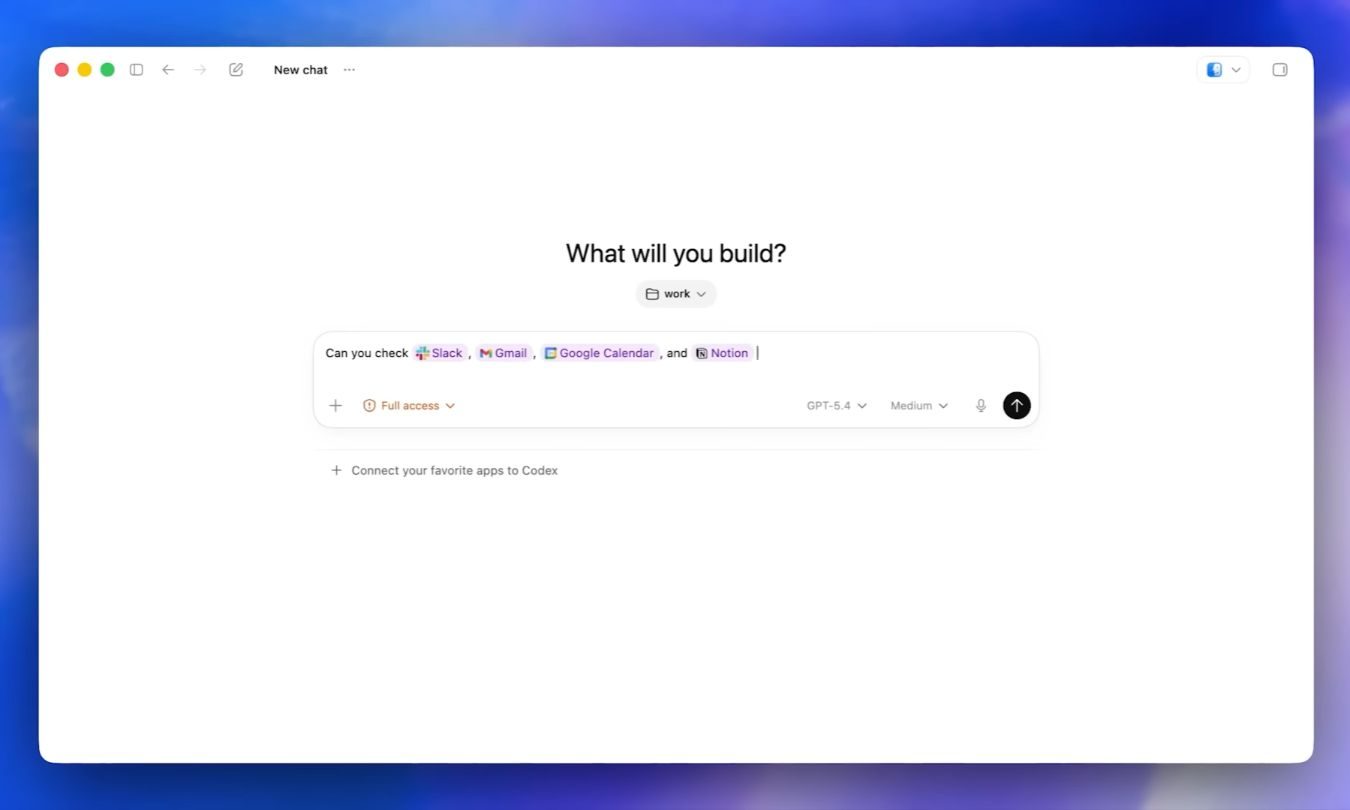
OpenAI is giving Codex a larger stage than the coding window. Its new Chrome extension lets the agent use an authenticated web session, so it can help with work that already lives inside Gmail, Salesforce, LinkedIn, dashboards, and internal apps.
That pushes Codex out of the developer sandbox and into the web apps where daily work already happens. With Chrome access, it can step into research, CRM updates, dashboard checks, and browser-based debugging, which is where plenty of work gets stuck across tabs.
MacBook Neo was such a smash hit for Apple that it might soon treat you to a price hike
The MacBook Neo's popularity didn't just create a supply problem for Apple; it exposed how fragile the $599 price point was to begin with, built on a one-time supply of discarded chips that was going to run out someday.

The $599 MacBook Neo has been flying off the shelves and online stores so fast that Apple has been forced to double its production target. Even now, when I’m writing this article, the shipping time on the official website is two to three weeks.
Semiconductor analyst Tim Culpan of Culpium claims that Apple has asked its manufacturing partners, Quanta and Foxconn, to increase the production capacity to 10 million units, nearly double the initial estimate. However, increasing production could cause a price problem for buyers very soon.



























.jpg&h=630&w=1200&q=100&v=7abd35f457&c=1)

