Ashwini Mudra: Benefits, Steps & How to Practice
⚡ Quick Answer BoxAshwini Mudra is an ancient yogic gesture (mudra) involving the rhythmic contraction and release of the anal […]
 ShanonG
⚡ Quick Answer Box
Ashwini Mudra is an ancient yogic gesture (mudra) involving the rhythmic contraction and release of the anal sphincter muscles. The name comes from Sanskrit — “Ashwini” means horse, and the mudra mimics the characteristic flicking movement a horse makes with its hindquarters. Practiced in yoga and tantra for thousands of years, Ashwini Mudra strengthens the pelvic floor, stimulates the awakening of Kundalini energy at the Muladhara (root) chakra, improves digestive function, and redirects apana vayu (downward pranic energy) upward through the sushumna nadi. It is typically practiced in seated meditation postures, in coordination with breath retention, for 10–50 repetitions per session.
In the vast landscape of yogic practices, some of the most powerful techniques are also the least visible — requiring no equipment, no special posture, and no external movement that anyone around you would notice.
Ashwini Mudra is one of these practices.
A simple, rhythmic contraction of the anal sphincter muscles — practiced with conscious breath and focused intention — this ancient mudra carries benefits that modern pelvic health research is only beginning to quantify: strengthened pelvic floor musculature, improved digestive motility, relief from hemorrhoids and pelvic organ prolapse, and — according to the classical yogic texts — the awakening of pranic energy at the very root of the body’s energetic system.
Whether you are approaching Ashwini Mudra from a purely physical perspective (pelvic floor rehabilitation, digestive health) or from a spiritual one (Kundalini awakening, pranic energy redirection), this guide gives you everything you need: the complete history and meaning, the precise step-by-step practice, the full spectrum of benefits, the critical differences between Ashwini Mudra and Mula Bandha, and the precautions that ensure your practice is safe and effective.
What Is Ashwini Mudra? Meaning and Origin
Ashwini Mudra is one of yoga’s most ancient therapeutic and spiritual practices — referenced in classical hatha yoga texts including the Hatha Yoga Pradipika, the Gheranda Samhita, and the Shiva Samhita.
The Sanskrit Meaning
The name breaks down precisely:
| Ashwa (अश्व) | Horse |
| Ashwini (अश्विनी) | Of the horse / relating to a horse |
| Mudra (मुद्रा) | Gesture, seal, or attitude |
Ashwini Mudra therefore translates as the “Horse Gesture” or “Horse Seal.”
The name is an observation of nature: a horse, after defecating, characteristically flicks and contracts its anal and perineal muscles rhythmically — a natural, instinctive action. Ashwini Mudra systematizes this same muscular action into a conscious, breath-coordinated spiritual practice.
In the Classical Texts
The Gheranda Samhita (Chapter 3, Verse 82) describes Ashwini Mudra as follows:
“Contract and dilate the anal aperture again and again. This is called Ashwini Mudra. It destroys all diseases of the rectum. It gives strength and vigor and prevents premature death.”
The Hatha Yoga Pradipika places Ashwini Mudra among the most important mudras for awakening the Kundalini Shakti — the dormant spiritual energy residing at the base of the spine in the Muladhara chakra.(1)
Ashwini Mudra in the Yogic Energy System
To understand why Ashwini Mudra is considered so powerful in classical yoga, it helps to understand the energetic framework in which it operates.
Muladhara Chakra — The Root Energy Center
The Muladhara chakra (root chakra) is the first of the seven primary energy centers in the yogic system. It is located at the perineum — the region between the anus and the genitals — at the very base of the spine.
Muladhara is the seat of:
Prithvi (earth) element — grounding, stability, physical foundation Kundalini Shakti — the dormant spiritual energy often depicted as a coiled serpent Apana Vayu — the downward-moving pranic force that governs elimination, reproduction, and the downward functions of the bodyAshwini Mudra directly stimulates the Muladhara region — activating this energy center, beginning to awaken Kundalini, and most importantly, redirecting the normally downward-flowing Apana Vayu upward through the central energy channel (Sushumna Nadi).
Apana Vayu and Its Redirection
Apana Vayu is one of the five primary pranas (vital air currents) in yogic physiology. Its natural direction is downward and outward — governing the elimination of waste, menstruation, childbirth, and the downward movement of energy in the lower body.
In advanced yoga practice, the redirection of Apana Vayu upward — to meet the upward-flowing Prana Vayu at the navel center — is considered one of the fundamental techniques for spiritual awakening and energetic unification.
Ashwini Mudra is one of the primary tools for this redirection. The rhythmic contraction of the anal sphincter creates a “seal” (mudra = seal) that arrests the downward flow of Apana Vayu and begins to direct it upward — toward the Manipura (solar plexus) chakra and ultimately toward the crown.
Ashwini Mudra and Kundalini Awakening
In the tantric and hatha yoga traditions, Ashwini Mudra is practiced as a preparatory technique for Kundalini awakening — specifically for its role in:
Stimulating the Muladhara chakra — activating the dormant Kundalini energy through direct physical stimulation of the perineal region Creating energetic pressure — the rhythmic contraction builds pranic pressure at the base of the spine that supports the upward movement of Kundalini through the Sushumna Purifying the apana region — clearing energetic blockages in the lower chakras that would otherwise impede Kundalini’s ascentAshwini Mudra vs. Mula Bandha: Key Differences
This is the most frequently confused distinction in all of mudra and bandha practice. Understanding it precisely improves both practices significantly.
| Primary action | Rhythmic contraction AND release of the anal sphincter | Sustained contraction of the perineum (not the anus specifically) |
| Rhythm | Dynamic — contract and release repeatedly | Static — hold the contraction |
| Muscles involved | Primarily the external anal sphincter | Primarily the perineal body and pelvic floor (deeper muscles) |
| Breath coordination | Can be practiced with any breath phase | Classically practiced during kumbhaka (breath retention) |
| Primary purpose | Pranic stimulation, pelvic floor toning, therapeutic | Advanced pranayama, energy lock, Kundalini work |
| Level | Beginner — intermediate | Intermediate — advanced |
| Therapeutic use | Hemorrhoids, constipation, prolapse, pelvic floor weakness | Less specifically therapeutic |
| Classical text emphasis | Gheranda Samhita, Shiva Samhita | Hatha Yoga Pradipika |
The practical summary: Ashwini Mudra is the rhythmic pump — contract and release. Mula Bandha is the sustained lock — contract and hold. They work synergistically. Ashwini Mudra is typically learned and mastered before Mula Bandha is introduced.
How to Practice Ashwini Mudra: Complete Step-by-Step Guide
Ashwini Mudra can be practiced in multiple contexts — as a standalone practice, within a pranayama sequence, within asana practice, or during meditation. The following instructions cover the foundational standalone practice.
Prerequisites
Before beginning Ashwini Mudra:
Empty your bowels if possible — the practice is more comfortable and effective when the rectum is not full Sit in a quiet, comfortable space where you will not be interrupted Loosen any tight clothing around the waist and lower body Take 5–10 slow, deep breaths to calm the nervous system before beginningPreparatory Seated Positions
Ashwini Mudra is practiced in any comfortable seated posture that allows the perineal region to be grounded and accessible. Choose one:
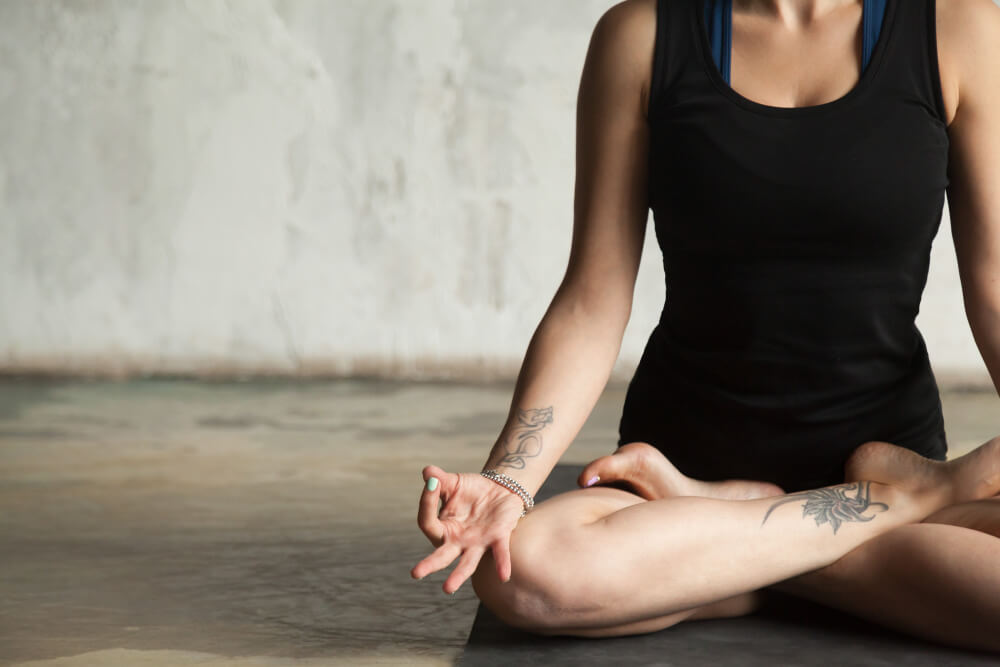
Siddhasana (Accomplished Pose) — Most traditional. One heel presses into the perineum, the other rests on top. Creates direct stimulation of the Muladhara region.
Padmasana (Lotus Pose) — Advanced. Full cross-legged with feet on opposite thighs. Requires hip flexibility.
Sukhasana (Easy Pose) — Simple cross-legged position. Accessible to all beginners.
Vajrasana (Thunderbolt/Kneeling Pose) — Kneeling with hips on heels. Excellent alternative if cross-legged positions are uncomfortable.
On a chair — Sit with both feet flat on the floor, spine upright, not leaning against the chair back. Fully accessible modification.
Stage 1: Awareness Practice (Week 1)
Before adding breath coordination, spend one week simply developing awareness and voluntary control of the anal sphincter muscles.
How to do it:
Sit in your chosen position with spine erect Close your eyes and bring your awareness to the anal region Take a slow, natural breath in On the exhale — gently contract the anal sphincter muscles upward and inward Hold the contraction briefly (1–2 seconds) Release completely — feel the full release as clearly as the contraction Rest for 2–3 seconds RepeatRepetitions: 10–15 contractions per session Sessions per day: 1–2 Duration: Practice this stage for 7 days before progressing
Key awareness note: The contraction should feel like a gentle lifting and squeezing — not a forced, aggressive grip. The release is equally important to the contraction. Many beginners contract well but release incompletely — which defeats the pumping purpose of the mudra.
Stage 2: Breath-Coordinated Practice (Week 2–4)
Once voluntary control is established, coordinate Ashwini Mudra with the breath cycle.
How to do it:
Sit in your chosen position, spine erect, eyes closed Take a slow, full inhalation through the nose (4–6 counts) At the top of the inhalation — briefly retain the breath (kumbhaka) for 2–4 counts During the breath retention — contract the anal sphincter muscles upward and inward Hold the contraction while retaining the breath (2–4 counts) Begin the exhalation — maintain the contraction for the first half of the exhale In the second half of the exhale — completely release the contraction At the bottom of the exhale — rest briefly before the next inhale This is one complete cycleRepetitions: 15–25 cycles per session Sessions per day: 1–2 (morning practice is traditional) Duration: Practice this stage for 3 weeks before progressing to Stage 3
Breath ratio: Inhale 4 counts : Hold 4 counts : Exhale 6 counts : Rest 2 counts
Stage 3: Rapid Rhythmic Practice (Month 2 Onward)
Once breath coordination is natural and effortless, introduce the rapid rhythmic version — which is considered the classical full practice of Ashwini Mudra.
How to do it:
Sit in your chosen position, spine erect, eyes closed Take a full inhalation and retain the breath During the retention — perform rapid, rhythmic contractions and releases of the anal sphincter The rhythm should feel like a gentle, rapid pumping: contract-release-contract-release Aim for approximately 1 contraction-release cycle per second Continue for as long as the breath retention is comfortable (10–30 seconds) Exhale slowly and completely Rest for 2–3 normal breaths This is one roundRounds: 3–5 rounds per session Contractions per round: 10–30 (depending on breath retention duration) Total contractions per session: 30–50 (classical texts suggest up to 100 for advanced practitioners)
Stage 4: Integration with Asana and Pranayama
Advanced practitioners integrate Ashwini Mudra throughout their yoga practice:
During Sarvangasana (Shoulder Stand): The inversion creates ideal energetic conditions for Ashwini Mudra — practice rapid contractions while holding the inversion.
During Paschimottanasana (Seated Forward Fold): The forward fold combined with Ashwini Mudra amplifies the stimulation of Apana Vayu redirection.
During Pranayama: Ashwini Mudra is classically combined with Nadi Shodhana — performing contractions during the breath retention phase of alternate nostril breathing.
During meditation: Gentle, sustained Ashwini Mudra (5–10 slow contractions) is practiced at the beginning of meditation to ground awareness in the Muladhara chakra.
12 Powerful Benefits of Ashwini Mudra
1. Strengthens the Pelvic Floor Musculature
Ashwini Mudra is one of the most direct and effective exercises for the pelvic floor available in yoga — and it can be practiced anywhere, anytime, without any visible external movement.
The rhythmic contraction-release cycles of Ashwini Mudra specifically target the external anal sphincter, the puborectalis, and the iliococcygeus — three of the primary muscles of the pelvic floor. Regular practice (10–50 contractions daily) produces measurable improvements in pelvic floor muscle strength, endurance, and coordination within 6–8 weeks.
This benefit is directly comparable to Kegel exercises — but with the added dimension of breath coordination and energetic intention that make Ashwini Mudra a more integrated and sustainable practice.
2. Prevents and Relieves Hemorrhoids (Piles)
Hemorrhoids (piles) are swollen veins in the lower rectum and anus — caused by increased intra-rectal pressure, chronic constipation, and weakened venous tone in the anal region.
Ashwini Mudra addresses hemorrhoids through three mechanisms:
Improved venous circulation: The rhythmic contraction and release creates a pumping action in the venous plexus surrounding the anal canal — improving blood return and reducing venous pooling that causes hemorrhoid swelling.
Reduced straining: Stronger anal sphincter and pelvic floor muscles reduce the strain required for defecation — one of the primary causes of hemorrhoid development and worsening.
Increased mucosal tone: The regular muscular activity of Ashwini Mudra improves the tone of the rectal mucosa — the tissue layer that supports the hemorrhoidal veins.
The Gheranda Samhita’s claim that Ashwini Mudra “destroys all diseases of the rectum” is understood in this context — the hemorrhoid-relieving benefit is one of the most clinically documented physical effects of consistent practice.
3. Relieves Constipation and Improves Digestive Motility
Ashwini Mudra stimulates the enteric nervous system — the complex network of neurons governing digestive function — through direct mechanical stimulation of the rectosigmoid junction (the junction between the sigmoid colon and the rectum).
The rhythmic contraction of the anal sphincter sends proprioceptive signals upward through the pelvic splanchnic nerves, stimulating peristaltic contractions in the descending colon and sigmoid — improving the transit of waste material through the lower digestive tract.
Regular Ashwini Mudra practice is traditionally recommended in yoga for:
Chronic constipation Sluggish bowel motility Incomplete evacuation Irritable bowel syndrome (IBS) with constipation predominancePractice 20–30 contractions in the morning before bowel movement for the most direct benefit.
4. Supports Pelvic Organ Prolapse Prevention and Management
Pelvic organ prolapse — the descent of the bladder, uterus, or rectum into or through the vaginal canal — is caused by weakness of the pelvic floor support structures. It affects approximately 50% of women who have given birth and increases in prevalence with age.
Ashwini Mudra strengthens the levator ani muscle group — the primary muscular support system for the pelvic organs — through its rhythmic contraction-release training. This strengthening directly counteracts the muscular weakness that allows prolapse to develop or worsen.
Important note: Ashwini Mudra is appropriate for prevention and mild management of pelvic organ prolapse. For moderate to severe prolapse, always practice under the guidance of a pelvic health physiotherapist alongside yoga practice.
5. Benefits Postpartum Pelvic Floor Rehabilitation
After childbirth — particularly vaginal delivery — the pelvic floor muscles experience significant stretching, and in some cases, tearing and surgical repair. Pelvic floor rehabilitation is clinically recommended for all postpartum women.
Ashwini Mudra provides a graduated, low-impact pelvic floor rehabilitation tool that can be begun within days of uncomplicated vaginal delivery (after medical clearance) — starting with the Stage 1 awareness practice and progressing slowly through the stages as strength returns.
The breath coordination element of Ashwini Mudra makes it superior to simple squeeze-and-hold exercises for postpartum rehabilitation — because the exhale-phase release teaches the pelvic floor the equally important skill of letting go, not just contracting.
6. Redirects Apana Vayu and Awakens Muladhara Chakra
From the yogic energy perspective, Ashwini Mudra’s most significant benefit is its role in redirecting Apana Vayu — the downward-flowing pranic energy — upward through the Sushumna Nadi.
In yogic physiology, the unimpeded downward flow of Apana Vayu is associated with:
Energy depletion and chronic fatigue Difficulty in spiritual practices (distracted mind, inability to concentrate) Loss of vital sexual energy (ojas) Weakness and diminished vitalityThe rhythmic contraction of Ashwini Mudra creates a “seal” at the base of the body that arrests the downward dissipation of Apana Vayu and begins to redirect it upward — where it merges with the upward-flowing Prana Vayu at the Manipura chakra, generating the unified pranic force (samana vayu) that supports both physical vitality and spiritual advancement.
Practitioners consistently report increased energy, improved concentration, and a sense of groundedness and upward expansion that develops over weeks of consistent practice.
7. Improves Sexual Health and Vitality
Ashwini Mudra directly strengthens the musculature of the pelvic floor — which plays a central role in sexual function for both men and women.
For women: Improved pubococcygeus (PC) muscle strength enhances sexual sensation, supports healthy lubrication, and reduces pain during intercourse associated with pelvic floor dysfunction.
For men: The rhythmic contraction of the anal sphincter and surrounding musculature directly strengthens the bulbocavernosus and ischiocavernosus muscles — muscles involved in erectile function and ejaculatory control. Regular Ashwini Mudra practice is traditionally recommended in yoga for premature ejaculation and the conservation of sexual energy (Brahmacharya).
In the yogic tradition, this conservation and upward redirection of sexual energy is understood as the sublimation of ojas (vital essence) — transforming it into tejas (inner radiance) and ojas (spiritual intelligence).
8. Supports Urinary Continence
The anal sphincter and the urethral sphincter share pelvic floor muscle fibers and are both governed by the pudendal nerve — the primary nerve of the pelvic floor. Strengthening the anal sphincter through Ashwini Mudra therefore also strengthens the urethral sphincter, improving urinary continence.
This is particularly relevant for:
Stress urinary incontinence (leaking with coughing, sneezing, or exercise) Urge incontinence Post-prostatectomy incontinence in men Postpartum urinary leaking9. Stimulates the Parasympathetic Nervous System and Reduces Stress
The perineal and anal region has a high concentration of pudendal nerve fibers — which carry both sensory and autonomic signals. Conscious, rhythmic stimulation of this region through Ashwini Mudra activates the sacral parasympathetic outflow — the pelvic division of the parasympathetic nervous system.
This activation reduces sympathetic nervous system dominance (the “fight or flight” response), lowers cortisol, slows the heart rate, and creates a state of calm, grounded alertness — the ideal internal state for meditation and pranayama practice.
10. Prevents Premature Ejaculation and Supports Brahmacharya
The Gheranda Samhita explicitly states that Ashwini Mudra “prevents premature death” — understood in the classical context as the prevention of the excessive loss of vital energy through uncontrolled sexual activity.
From a physiological perspective, regular Ashwini Mudra practice strengthens the bulbocavernosus muscle — directly involved in ejaculatory control — and develops the voluntary muscular awareness that supports ejaculatory delay.
From the yogic perspective, this is understood as the practice of Brahmacharya — not necessarily celibacy, but the mindful conservation and upward direction of sexual energy for physical vitality, mental clarity, and spiritual development.
11. Tones the Anal Canal and Prevents Rectal Prolapse
Regular Ashwini Mudra practice maintains the tone and structural integrity of the anal canal — the 2.5–4 cm muscular tube connecting the rectum to the exterior. Loss of tone in this region leads to:
Fecal incontinence Rectal prolapse (protrusion of the rectum through the anus) Anal fissures (chronic tears in the anal lining)The rhythmic muscular activity of Ashwini Mudra directly maintains and restores anal canal tone — providing both preventive and rehabilitative benefit.
12. Prepares the Energetic Body for Advanced Pranayama and Meditation
In the classical sequence of hatha yoga practice, Ashwini Mudra is positioned as a preparatory practice that creates the conditions for advanced pranayama and deep meditation by:
Grounding awareness in the body’s physical base (Muladhara) Clearing the lower pranic channels of obstruction Developing the voluntary muscular control needed for Mula Bandha Building the concentrated awareness of subtle body sensation that deeper practices requirePractitioners who include Ashwini Mudra in their pre-meditation routine consistently report deeper states of concentration, more sustained meditative absorption, and a clearer experience of the subtle body during pranayama.
How Many Times Should You Practice Ashwini Mudra?
The classical texts and contemporary yoga therapy both suggest a progressive approach:
| Stage 1 (Awareness) | 10–15 contractions | Once daily | Week 1 |
| Stage 2 (Breath-coordinated) | 15–25 cycles | Once to twice daily | Weeks 2–4 |
| Stage 3 (Rapid rhythmic) | 30–50 contractions | Once to twice daily | Month 2 onward |
| Advanced practice | Up to 100 contractions | Once daily | After 3+ months |
General guidance:
Begin with 10 repetitions and increase by 5 per week Morning practice (before breakfast, after emptying bowels) is traditional and most effective Never practice to the point of pelvic floor fatigue — a tired pelvic floor is a less functional one Rest days (1–2 per week) allow the pelvic floor musculature to recover and strengthenWhen to Practice Ashwini Mudra
Best times:
Early morning, after emptying bowels and before breakfast (traditional — aligns with the body’s natural elimination rhythm) During Brahma Muhurta (approximately 4–6 AM in traditional yogic practice) for spiritual benefit Before meditation or pranayama practice — as an energetic preparation During inversions (Shoulder Stand, Legs Up the Wall) — gravity assists Apana Vayu redirectionAvoid practicing:
Immediately after a full meal (wait at least 2 hours) During acute hemorrhoid flares with significant pain When experiencing active pelvic or rectal inflammationAshwini Mudra During Pregnancy
Ashwini Mudra during pregnancy requires specific guidance:
First trimester: Generally considered safe for women with established practice. Begin only under the guidance of a prenatal yoga teacher or pelvic health physiotherapist if you are new to the practice.
Second trimester: Mild, gentle practice (Stage 1 — awareness practice only) is generally considered safe and beneficial for maintaining pelvic floor strength in preparation for childbirth. Avoid breath retention (kumbhaka) during pregnancy — practice coordinated with normal breathing only.
Third trimester: Consult your midwife or obstetrician. The focus shifts from strengthening to flexibility — the pelvic floor needs to be able to release fully during delivery.
Postpartum: After medical clearance (typically 6 weeks after uncomplicated vaginal delivery, longer after cesarean), Ashwini Mudra is one of the most recommended pelvic floor rehabilitation tools available.
Important: Always practice without breath retention during pregnancy. Kumbhaka (breath holding) reduces oxygen availability and is contraindicated throughout pregnancy.
Precautions and Contraindications
Practice with Caution
Acute hemorrhoid flare with significant pain: During a painful acute flare, rest the practice and resume gently when inflammation subsides.
Recent rectal or pelvic surgery: Wait for full surgical clearance before beginning. This includes hemorrhoidectomy, colostomy, hysterectomy, and prostatectomy procedures.
Hypertonic (overly tight) pelvic floor: If you have been diagnosed with pelvic floor hypertonicity — characterized by pelvic pain, pain during intercourse, or difficulty with bowel movements — Ashwini Mudra may initially worsen symptoms. Work with a pelvic health physiotherapist to determine appropriate practice intensity.
Uncontrolled high blood pressure: The breath retention (kumbhaka) component of Ashwini Mudra should be avoided with uncontrolled hypertension. Practice the mudra with normal breathing only.
Active pelvic inflammatory disease: Avoid during acute pelvic infection. Resume after medical treatment and clearance.
Absolute Contraindications
Active rectal bleeding (until cause is identified and treated) Severe rectal prolapse (practice only under direct physiotherapy guidance) Recent abdominal or pelvic surgery within the past 6 weeksWhen to Consult a Professional
If you experience any of the following during or after Ashwini Mudra practice, stop and consult a healthcare provider:
Increased pelvic pain Rectal bleeding Worsening of prolapse symptoms Pain in the lower back or sacrumAshwini Mudra and Mula Bandha: A Combined Practice
Once Ashwini Mudra is established (typically after 4–8 weeks of consistent practice), it can be combined with Mula Bandha for a powerful synergistic practice that addresses both the physical and energetic dimensions of the pelvic floor simultaneously.
The combined practice:
Begin with 10–20 rhythmic Ashwini Mudra contractions (contract-release) on a retained breath On the next inhalation — instead of releasing fully, transition into Mula Bandha (sustained perineal contraction, held) Hold Mula Bandha with retained breath for 10–30 seconds Exhale and release completely Rest for 3 normal breaths Repeat 3–5 roundsThis combined practice is used in advanced pranayama (particularly Kumbhaka with Jalandhara Bandha and Uddiyana Bandha) and is considered one of the most powerful techniques for Kundalini preparation in the hatha yoga tradition.
Complete Ashwini Mudra Daily Practice Routine
Beginner Daily Routine (15 Minutes)
| 1 | Sit in chosen posture, spine erect | 1 min |
| 2 | Nadi Shodhana (5 rounds) — calm the nervous system | 3 min |
| 3 | Awareness of pelvic region — 3 slow breaths | 1 min |
| 4 | Stage 1 Ashwini Mudra — 15 gentle contractions | 3 min |
| 5 | Rest in Sukhasana — observe internal sensations | 2 min |
| 6 | 5 minutes of silent meditation (awareness at Muladhara) | 5 min |
Intermediate Daily Routine (25 Minutes)
| 1 | Sit in Siddhasana or Padmasana | 1 min |
| 2 | Nadi Shodhana (10 rounds with kumbhaka) | 5 min |
| 3 | Stage 2 Ashwini Mudra — 25 breath-coordinated cycles | 7 min |
| 4 | Stage 3 Ashwini Mudra — 3 rounds of rapid contractions | 5 min |
| 5 | Mula Bandha (3–5 rounds, 10–20 second holds) | 4 min |
| 6 | Silent meditation (awareness at Muladhara → Ajna) | 10 min |
Advanced Practice Integration
Advanced practitioners integrate Ashwini Mudra throughout their full sadhana (daily practice):
During meditation — gentle sustained contractions as energetic anchor
During Surya Namaskar — on each breath retention
During Sarvangasana — 20–30 rapid contractions
During Pranayama — during all kumbhaka phases
Frequently Asked Questions About Ashwini Mudra
How often should I practice Ashwini Mudra for best results?
For general health maintenance, practicing 10-15 repetitions once or twice daily is beneficial. For specific therapeutic purposes (like pelvic floor rehabilitation or constipation relief), you may gradually increase to 25-30 repetitions 2-3 times daily. The key is consistency—daily practice yields much better results than occasional intense sessions.
How soon will I see results from practicing Ashwini Mudra?
Results timeline varies by individual and condition:
Digestive improvements: Often noticeable within 1-2 weeks of daily practice
Pelvic floor strength: Measurable improvement typically occurs after 4-6 weeks of consistent practice
Energy and spiritual effects: More subtle and variable, but practitioners often report increased energy and groundedness within 3-4 weeks
Can I practice Ashwini Mudra during menstruation?
Yes, unlike some yogic practices that are contraindicated during menstruation, Ashwini Mudra is generally safe to practice during your period. Some women find it helps relieve menstrual cramps through improved circulation to the pelvic region. However, listen to your body and reduce intensity if you experience any discomfort.
Is Ashwini Mudra the same as Kegel exercises?
While similar, they have key differences:
Kegel exercises primarily target the pubococcygeus muscle
Ashwini Mudra engages the entire pelvic floor complex including the anal sphincter
Ashwini Mudra incorporates breath control and energetic components not present in standard Kegel exercises
In yogic tradition, Ashwini Mudra has specific spiritual purposes beyond physical strengthening






















.jpg&h=630&w=1200&q=100&v=c0f97a310e&c=1)