Bhramara Mudra (Allergy Relief Yoga Gesture): How to Do and Benefits
Bhramara Mudra is a simple yoga hand gesture commonly used to help manage allergy symptoms. The word “Bhramara” means bee in Sanskrit, and the hand position resembles its shape. This mudra is believed to support the body’s natural response...
 Lynk
Lynk
>>Download Yoga Mudras Free PDF!
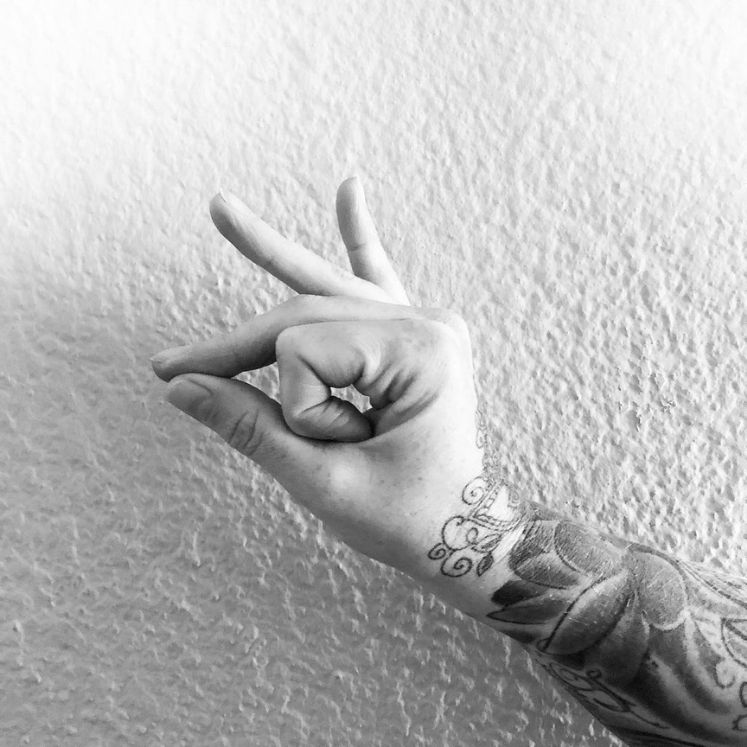
 Image Source: youryoga_sa@instagram
Bhramara Mudra is a simple yoga hand gesture commonly used to help manage allergy symptoms. The word “Bhramara” means bee in Sanskrit, and the hand position resembles its shape.
This mudra is believed to support the body’s natural response to issues like itching, rashes, and irritation. With regular practice, it may also help calm the mind and reduce stress, which can make allergy symptoms easier to manage.
Meaning
The term Bhramara Mudra comes from Sanskrit, where “Bhramara” means bee and “Mudra” means hand gesture. The name comes from the shape of the fingers, which looks like a bee.
In yoga, the bee often represents focus and gentle movement. This reflects how the mudra works—helping the body stay calm while supporting its natural balance.
To practise Bhramara Mudra, bend your index finger and place it at the base of your thumb. Then join the tips of your thumb and middle finger. Keep the ring finger and little finger extended.
This hand position is believed to help balance the flow of prana (life energy) in the body and may support relief from allergy-related discomfort.
The Mythology Behind Bhramara Mudra
Bhramara Mudra is often linked to Bhramari Devi, the goddess associated with bees in Hindu tradition. Bees symbolise focus, activity, and a deep connection with nature. Because of this, the mudra is seen as a way to bring a sense of steadiness and inner balance during practice.
In yogic belief, practising this mudra may help calm the mind and support the smooth flow of energy in the body. It is also sometimes associated with protective and healing qualities, especially in the context of allergies and irritation.
The name “Gesture of the Bee” reflects this connection, highlighting both the form of the hand and its symbolic meaning in yoga.
Bhramara Mudra in Bharatanatyam
In Bharatanatyam, a classical Indian dance form, Bhramara Mudra is used to represent a bee. The hand gesture closely resembles the shape and movement of a bee, making it useful for storytelling.
Dancers use this mudra to express themes from nature, such as flowers, beauty, and movement. It adds detail to the performance and helps convey emotions more clearly to the audience.
How to Do Bhramara Mudra(Steps)
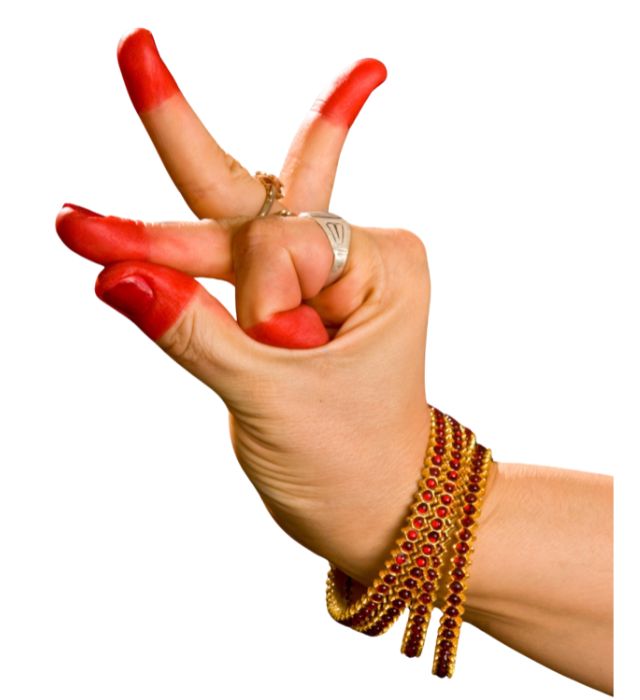
Follow these simple steps to practise Bhramara Mudra:
Sit in a comfortable position with your spine straight. You can sit on the floor (in Sukhasana) or on a chair. Rest your hands on your knees, with your palms facing upward. Gently bend your index finger and place it at the base of your thumb. Bring the tips of your thumb and middle finger together. Keep your ring finger and little finger extended. Relax your shoulders and keep your body still. Close your eyes and focus on slow, natural breathing. Hold the mudra for a few minutes, noticing any sensations in your body.Time & Duration
Best Time: Practice Bhramara Mudra between 4 am and 6 am to align with your body’s natural rhythms and enhance concentration. Duration: Aim for at least 20 minutes daily, which can be split into multiple sessions. For optimal benefits, practice up to eight times a day.Precautions
Sit comfortably, using a cushion if needed for support. Avoid dairy products like milk and yogurt if aiming to manage allergies. Ensure your fingers are positioned comfortably and correctly. Consult a healthcare provider if you have any specific health concerns.Start with shorter practice durations and gradually increase as you become more comfortable.Side Effects
Bhramara Mudra generally does not have serious side effects. However, incorrect practice or holding the mudra for too long may disrupt the flow of energy. This could potentially lead to dizziness or a sense of imbalance. To avoid these issues, it’s important to practice the mudra correctly and for the recommended duration.
How Can Bhramara Mudra Help with Allergy Relief?
Allergies happen when the immune system overreacts to harmless substances like pollen, dust, pet dander, or certain foods. Instead of ignoring them, the body treats them as a threat, which leads to symptoms like itching, sneezing, or skin irritation.
In Ayurveda, allergies are often linked to an imbalance in the Vata dosha (air element). When this element becomes excessive, it can make the body more sensitive and reactive.
Bhramara Mudra is believed to help calm this imbalance. In this gesture, the index finger is folded to the base of the thumb, while the thumb and middle finger touch each other, and the other fingers remain extended.
Practising this mudra regularly may help:
Calm the body’s overreaction to allergens Reduce symptoms like itching or irritation Support a more balanced flow of energy (prana)While it is not a medical treatment, many people use Bhramara Mudra as a supportive practice to manage allergy discomfort naturally.
Bhramara Mudra with Bhramari Pranayama
For better results, Bhramara Mudra is often practised with Bhramari Pranayama (the humming bee breath).
In Bhramari Pranayama, you make a soft humming sound while exhaling. This sound creates gentle vibrations that can help calm the mind and relax the nervous system.
When combined with Bhramara Mudra, the practice becomes more focused and soothing. Many people find that this combination helps reduce stress, improve concentration, and support relief from allergy-related discomfort.
To practise together:
Sit comfortably with your spine straight Form Bhramara Mudra with your hands Inhale slowly through the nose Exhale with a soft humming sound Continue for a few minutes with steady breathingThis simple combination can make your practice feel deeper and more calming.
Bhramara mudra Benefits
Bhramara Mudra is a simple hand gesture that can support both physical comfort and mental calm when practised regularly. It is mainly known for helping with allergy-related issues, but it may also support overall balance in the body.
Here are some of the key benefits:
Helps Manage Allergy Symptoms: Bhramara Mudra is commonly used to support relief from allergies. Regular practice may help reduce symptoms like itching, sneezing, or mild skin irritation by calming the body’s response. Supports Skin Health: By encouraging better circulation and relaxation, this mudra may help improve the natural glow of the skin. It is often practised along with breathing exercises for better results. Relieves Neck and Shoulder Tension: Performing Bhramara Mudra helps relieve neck and shoulder pain by reducing muscle tension and improving blood flow. The hand positions align and relax the muscles in the head, neck, shoulders, and upper back, reducing stiffness and discomfort.per back, improving overall neck region function and reducing tension. Calms the Mind: Bhramara Mudra calms the mind by promoting relaxation and mental clarity. The hand positions in this mudra encourage a sense of peace and focus, helping to soothe mental stress. By integrating this mudra into your routine, you can achieve a calmer state of mind, reduce anxiety, and enhance overall mental well-being.. Boosts Energy Levels: By aligning the body’s energy and removing negative blockages, this mudra increases vitality and reduces feelings of fatigue, contributing to overall increased energy and stamina.Conclusion
Bhramara Mudra is a simple hand gesture that may help manage allergy discomfort while also calming the mind. With regular practice, it can support relaxation and bring a sense of balance to the body.
When combined with Bhramari Pranayama, it may become more effective, especially for reducing stress and improving focus.
Adding Bhramara Mudra to your daily routine is an easy way to support your overall well-being in a natural and gentle way.