Controversial EU entry-exit system has already ‘proven its worth’, claims French ministry
More than 1,100 ‘concerning individuals' have been refused entry to the Schengen area since October
 Kass
Kass
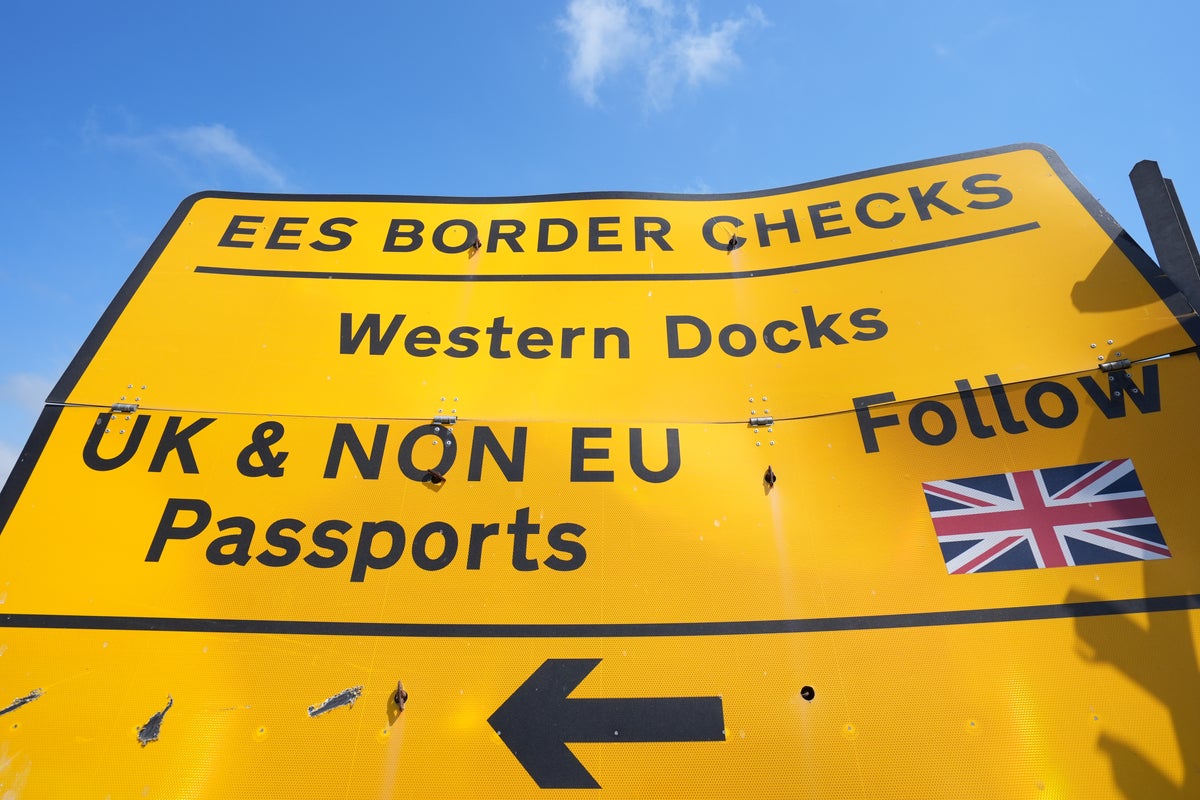
France has praised the rollout of the EU’s controversial entry-exit system (EES), despite calls from airport bosses to scrap it this summer.
The French Ministry of the Interior told The Independent that the border control process has “already proven its worth” since its launch on 12 October 2025.
A spokesperson for the Ministry of the Interior said: “Over 110 million entries and exits have been recorded in the system, and over 44,000 entry refusals have been notified, including more than 1,100 concerning individuals posing a threat to internal security.
“These figures demonstrate that EES effectively protects European citizens on a daily basis.”
Under EES, individuals from “third-national” non-EU countries, such as the UK, must have their fingerprints registered and a photograph taken upon entry to the Schengen area.
The biometric border control aims to improve internal security in EU member states and “detect irregular stays” within the Schengen area.
Since the phased roll-out of the EES ended on 10 April, air passengers have frequently faced queues up to six hours long at some European airports.
According to the ministry, France has not experienced “any major congestion” at its transport hubs as a result of the system.
“While respecting its European obligations, France has opted for a reasonable and pragmatic use of EES, utilising the flexibility provided by the European legal framework to maintain a satisfactory level of border fluidity,” it added.
The French Ministries of the Interior and Transport brought together all the port, airport and railway operators concerned in late June for advisory committees to “reassure the operators about the deployment strategy of the system”.
France, along with eight other member states, including Germany and Italy, has written a joint letter to the European Commission to ask for temporary EES emergency safeguards to stay in place after the 6 September deadline.
The French government has employed 350 additional staff members dedicated to deploying EES and developing a future remote pre-registration app to minimise the impact of EES on border control times.
It added: “Everyone has been able to see on the ground that everything is being done to limit congestion related to EES, and the Government will ensure a gradual and controlled increase in the use of kiosks throughout the summer period while fulfilling its obligations.”
Read more: How to navigate the long entry-exit system queues if you have a disability


























.jpg&h=630&w=1200&q=100&v=c0f97a310e&c=1)