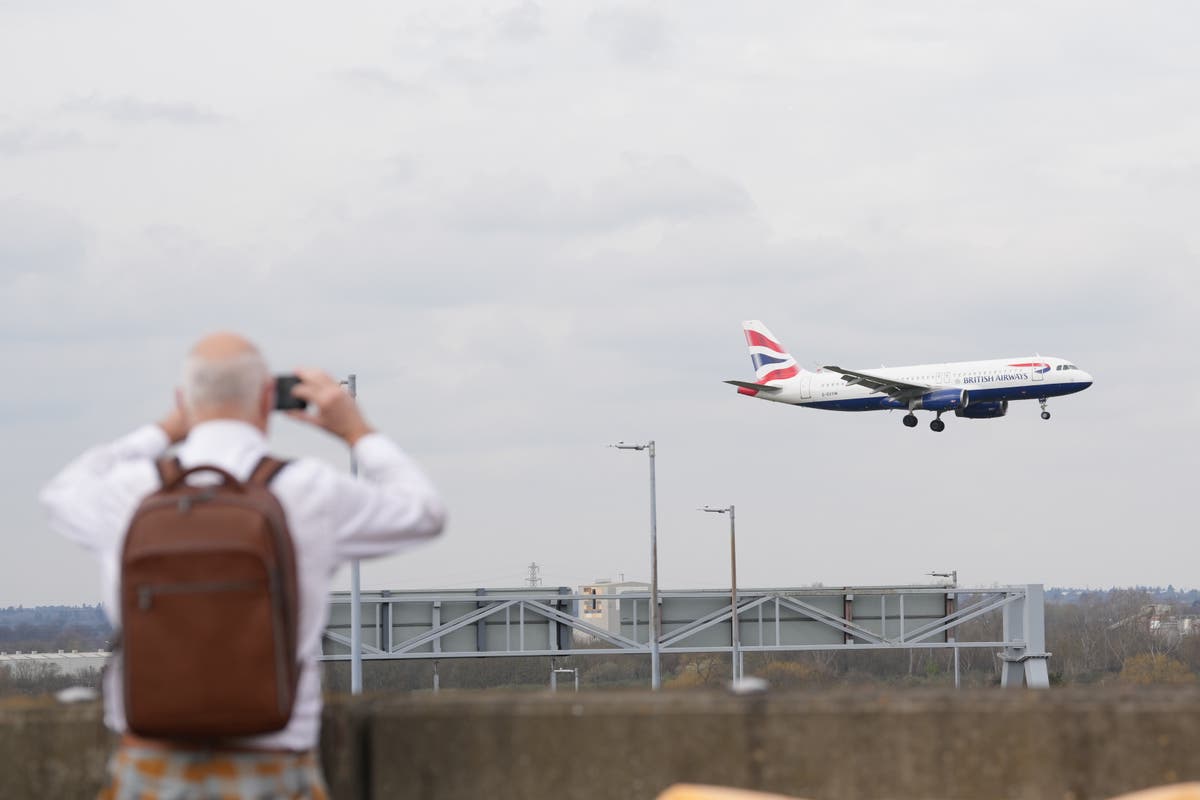
Europe only has six weeks of jet fuel supply left, energy chief warns
The energy boss warned summer holidays could be plunged into chaos if flights are cancelled
 Fransebas
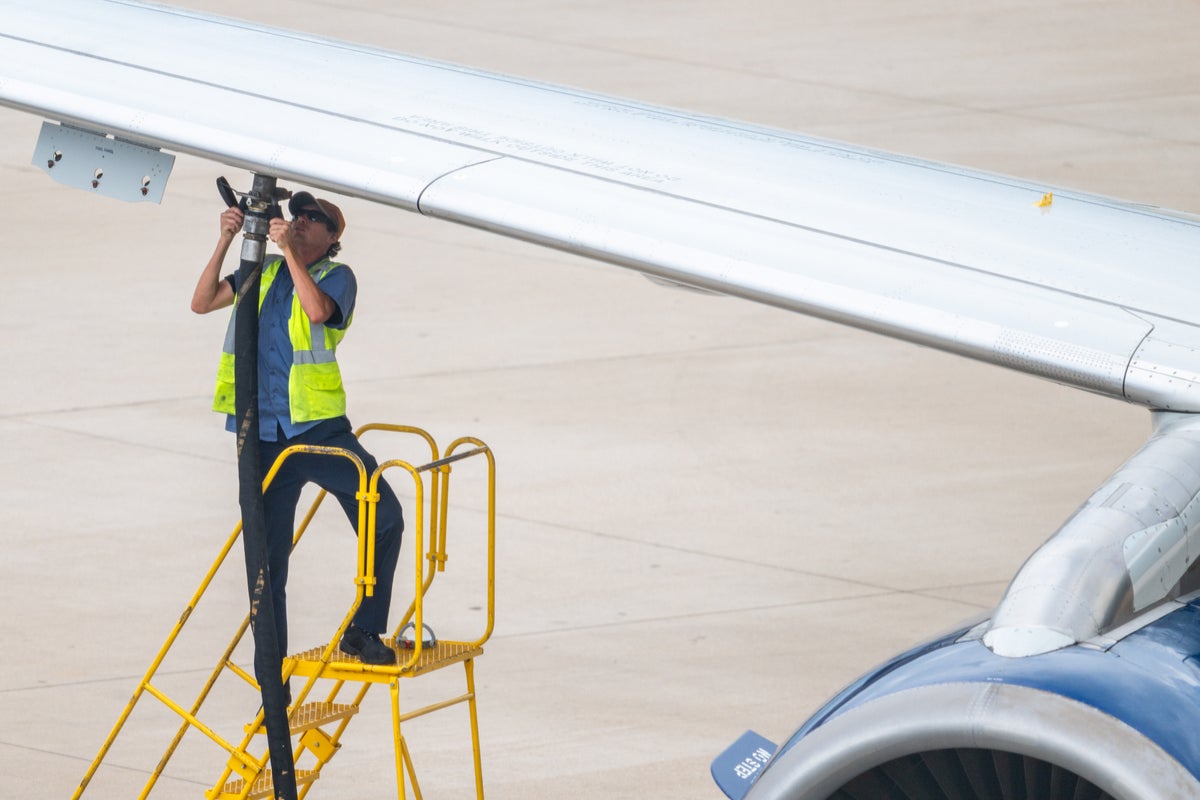
Europe only has around six weeks of jet fuel supply left, an energy chief has warned, in what he fears could be “the largest energy crisis we have ever faced”.
Fatih Birol, the head of the International Energy Agency, added flight cancellations will begin “soon” if the Strait of Hormuz remains closed amid the Iran war, potentially plunging summer holidays into chaos.
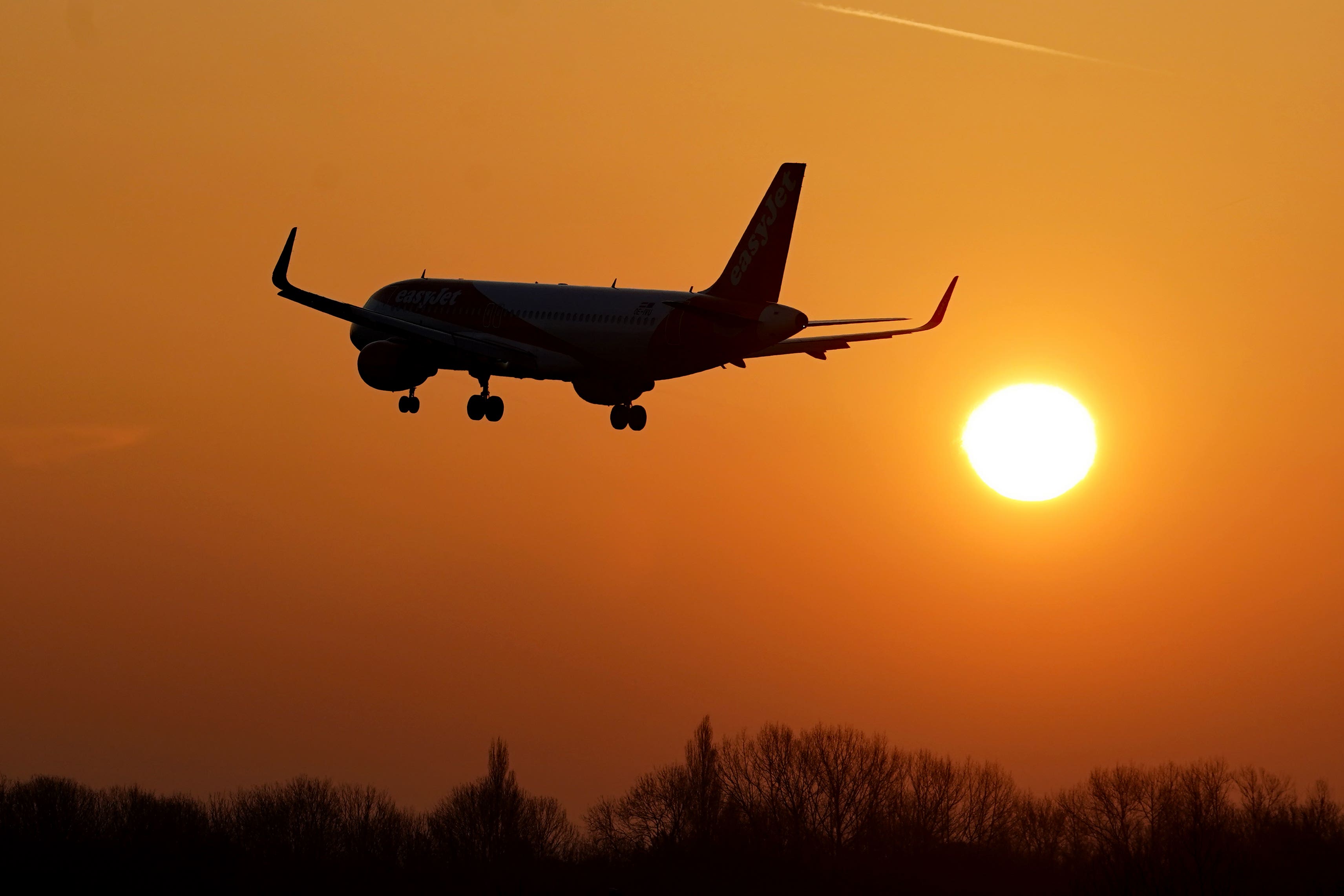
It comes as easyJet announced it expected a headline loss of between £540 million and £560 million before tax for the six months to the end of March, with the airline having spent an extra £25 million on jet fuel last month.
US president Donald Trump’s ongoing blockade of the strategic shipping route has held up much of the world’s oil supply in the Gulf and sent fuel prices soaring.
It has prompted fears of flight delays and cancellations for Britons as they prepare to travel for the half-term school break.
Speaking from Paris on Thursday, Mr Birol said: “In the past there was a group called ‘Dire Straits’. It’s a dire strait now, and it is going to have major implications for the global economy. And the longer it goes, the worse it will be for the economic growth and inflation around the world.”
The impact will be “higher petrol [gasoline] prices, higher gas prices, high electricity prices,” and will hit parts of the world “worse than others”, he said. Asian countries, including Japan, Korea, India, China, Pakistan, and Bangladesh, are expected to feel the biggest effects.
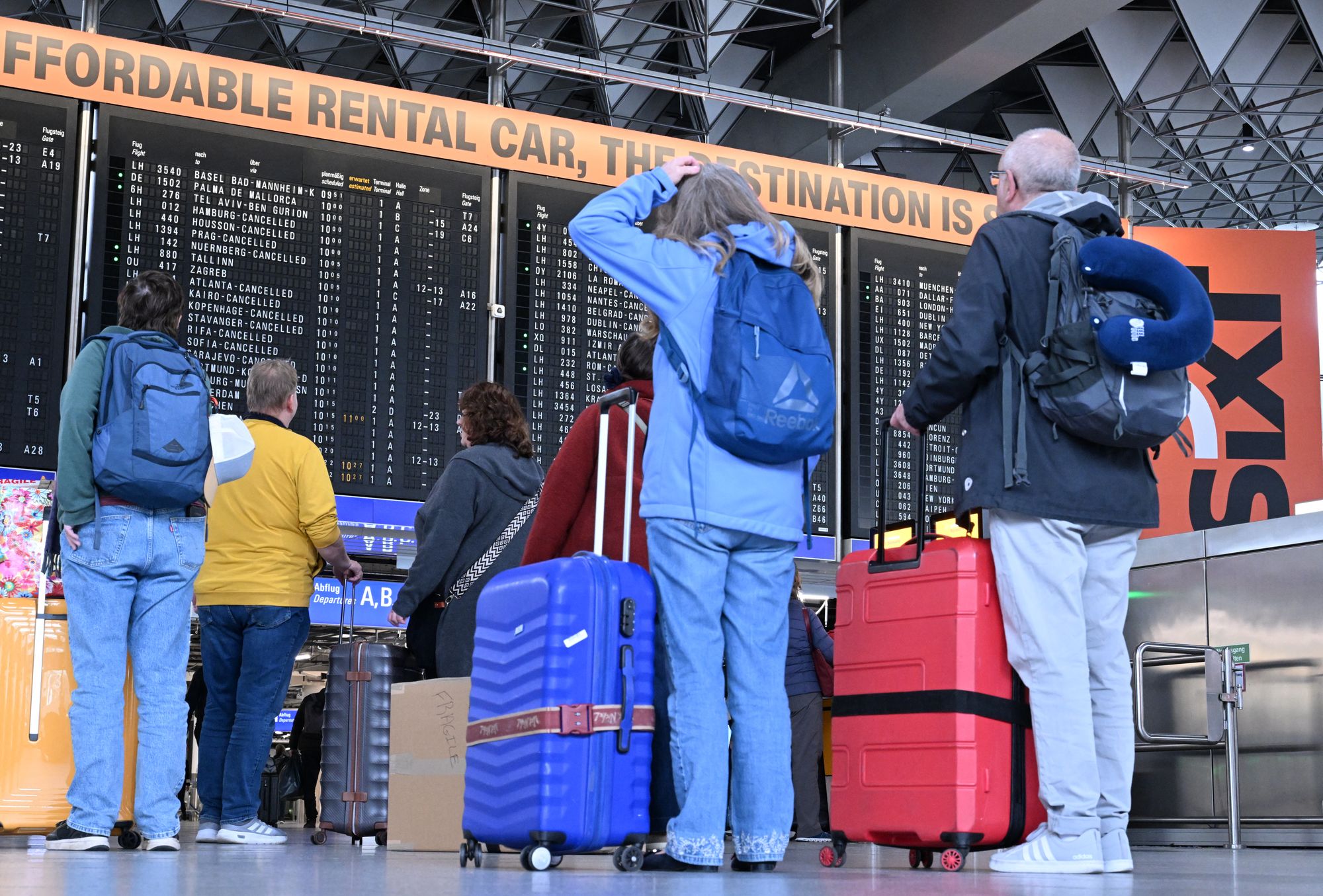
Europe and the Americas will be next to follow if oil does not start flowing through the Strait of Hormuz, he said. “I can tell you soon we will hear the news that some of the flights from city A to city B might be cancelled as a result of lack of jet fuel.”
Airlines across Europe, including those in the UK, have warned of higher airfares and flight cancellations, with Ryanair's chief executive, Michael O’Leary, stating this week that the airline is considering cutting 10 per cent of its flights.
Scandinavian airline SAS cancelled more than 1,000 flights this month and confirmed it was temporarily increasing prices due to rising jet fuel costs.
Easyjet reported the war had introduced “near-term uncertainty around fuel costs and customer demand”, with bookings down two percentage points for the three months to the end of both June and September compared with a year ago.
A spokesperson for Ryanair said: “We don’t expect any near-term fuel shortages, but the situation is fluid. At present our fuel suppliers can guarantee supply to mid-end May. If the Iran war finishes soon, then supply will not be disrupted. If the closure of the Hormuz Straits continues into May or June, then we cannot rule out risks to fuel supplies at some airports in Europe.
“With jet oil prices doubling during March, we expect all airlines will pass on these higher costs in the form of higher air fares post Easter and later this summer.”
On Monday, airlines were leading the stock market falls in London as worries deepened over the supply and cost crunch for jet fuel.
Airport Council International Europe said last Friday that airports could face jet fuel shortages within a few weeks if the Strait of Hormuz remains closed.