How could droughts in France affect your summer holiday?
Repeated heatwaves have left swathes of the country dried out and under strict water restrictions. Here is everything you need to know before visiting
 Tfoso
Tfoso

My garden in Lyon, southeast France, doesn’t smell like grass any more; it smells like hay, dried out from heatwave upon heatwave. The country as a whole experienced 45 per cent less rainfall than in a typical month of June, with the department of Indre, Centre-Val de Loire, recording the driest June since records began. When I caught the train from Paris to Lyon last week, a 260-mile journey that usually goes through lush green countryside, what I saw from the window was rather a patchwork of 50 shades of yellow.
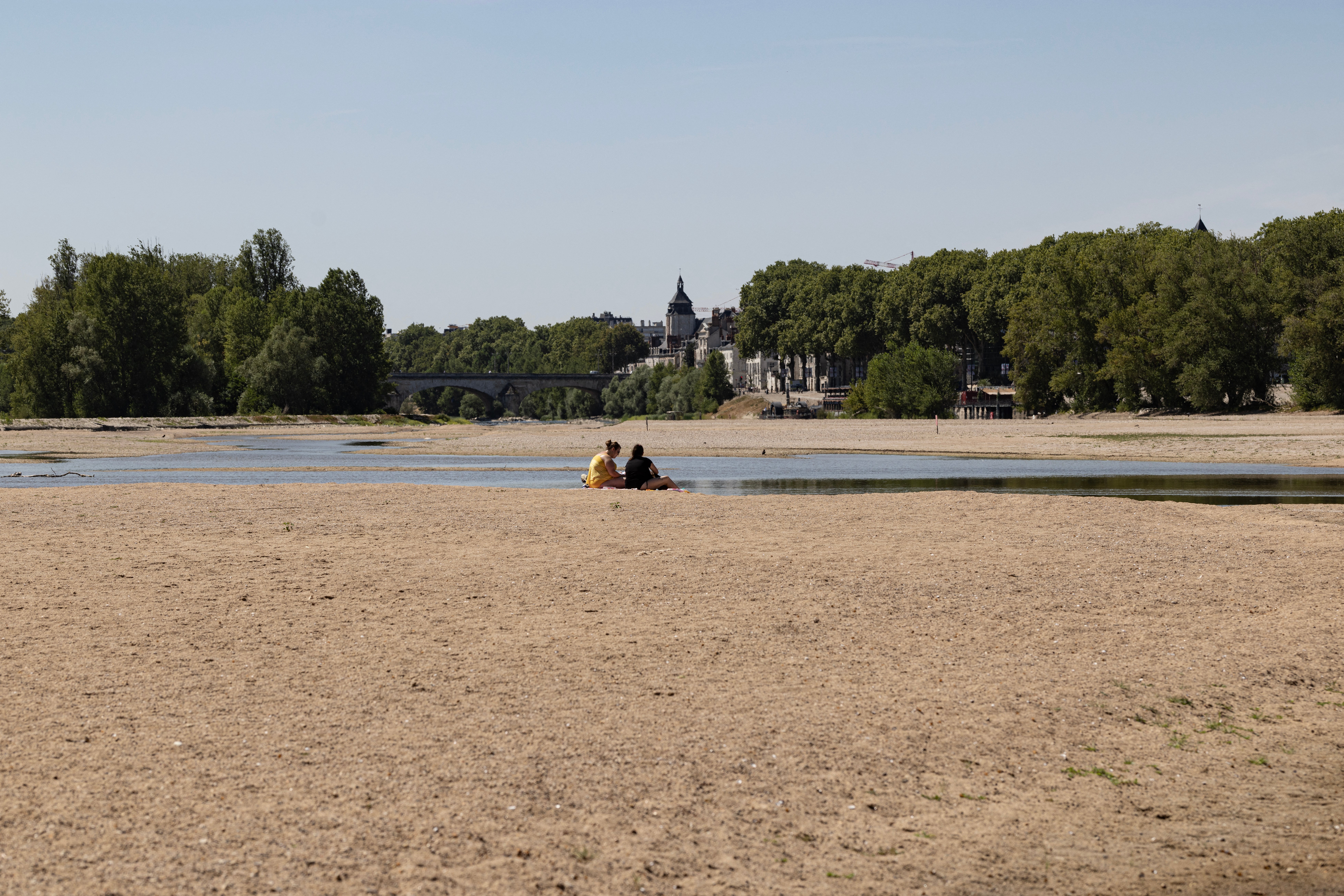
As of July 15th, 99 French departments have some form of water ban, with 43 of those placed in “crisis”, the highest level of restrictions. Environment Minister Monique Barbut described the droughts as being “exceptionally early” and “exceptionally intense.”
This is my fifth summer in Lyon, and there have been heatwaves every year, although three by mid-July is the worst yet. Compared to the rest of the country, we’ve got off lightly – we’re on “alert” level, the lowest category of water ban to come with official restrictions. For individuals, the rules don’t change much day-to-day, bar the fact that we’re not allowed to water our gardens between 10am and 6pm. The courgettes are suffering, but an infraction of the rules could result in a €1,500 (£1,275) fine, or €3,000 (£2,550) for reoffenders, which is rather more than I’m prepared to spend to enjoy homegrown vegetables.
Elsewhere in the country, particularly in the centre, east and parts of Normandy, where many departments have been placed in “crisis” level, hosepipe bans extend to all daytime hours, washing your car is forbidden, and dive bombing into private swimming pools is interdit – you’re not allowed to refill it when the water level descends. Some gites have already warned guests that they are unable to top up their shared pools (although restrictions are changing rapidly).
Golf courses, however, only need to reduce their water consumption between 15 and 30 per cent, a rule that’s proved controversial as golf courses stay lush and green among a parched landscape. An interactive map on VigiEau lists the full restrictions by department so that you’re not caught out.
In other European countries, cruise trips have been left stranded, and sightseeing boat trips have been cancelled due to low water levels. France has been one of the countries hardest hit by heatwaves in Europe this year and the water levels of major rivers including the Loire and Garonne are much lower than usual, which might make tourists concerned about how their own trip could be affected, particularly if you’re planning on hitting the water.
Good news for cruise passengers: in France at least, it’s not as bleak as it seems. Although the River Garonne’s water level dropped so dramatically that water had to be released from hydroelectric dams in the Pyrenees to prevent sections from drying out, none of the river cruise companies that I contacted was planning on cancelling or reducing summer sailings. Certain canals, including the Meuse, Vosges and Marne au Rhine, have banned cruising along stretches where the water levels are particularly low, however, which could affect those planning barge holidays. The VNF (Voies navigables de France) publishes a weekly list of canal closures.
River kayaking and paddleboarding are among the activities most likely to be affected by this year’s droughts. Stretches of river more often used for watersports are often shallower to begin with, and lower water levels mean portage on some sections is often required. Kayaks have even been temporarily forbidden on parts of the River Loue in the Doubs region of eastern France due to the low water levels.
Due to fire risks, many French towns and departments banned fireworks on July 14, Bastille Day, and if the country stays this dry, it’s likely that even more will follow suit for Assumption Day on August 15th. The country is on high alert: more than 2,000 hectares of the Forest of Fontainebleau near Paris went up in flames last week, followed by forest fires in the Var that broke out on July 20th. Even involuntarily starting a forest fire in France could earn the offender up to 10 years in prison and a fine of as much as €150,000 (£130,000).
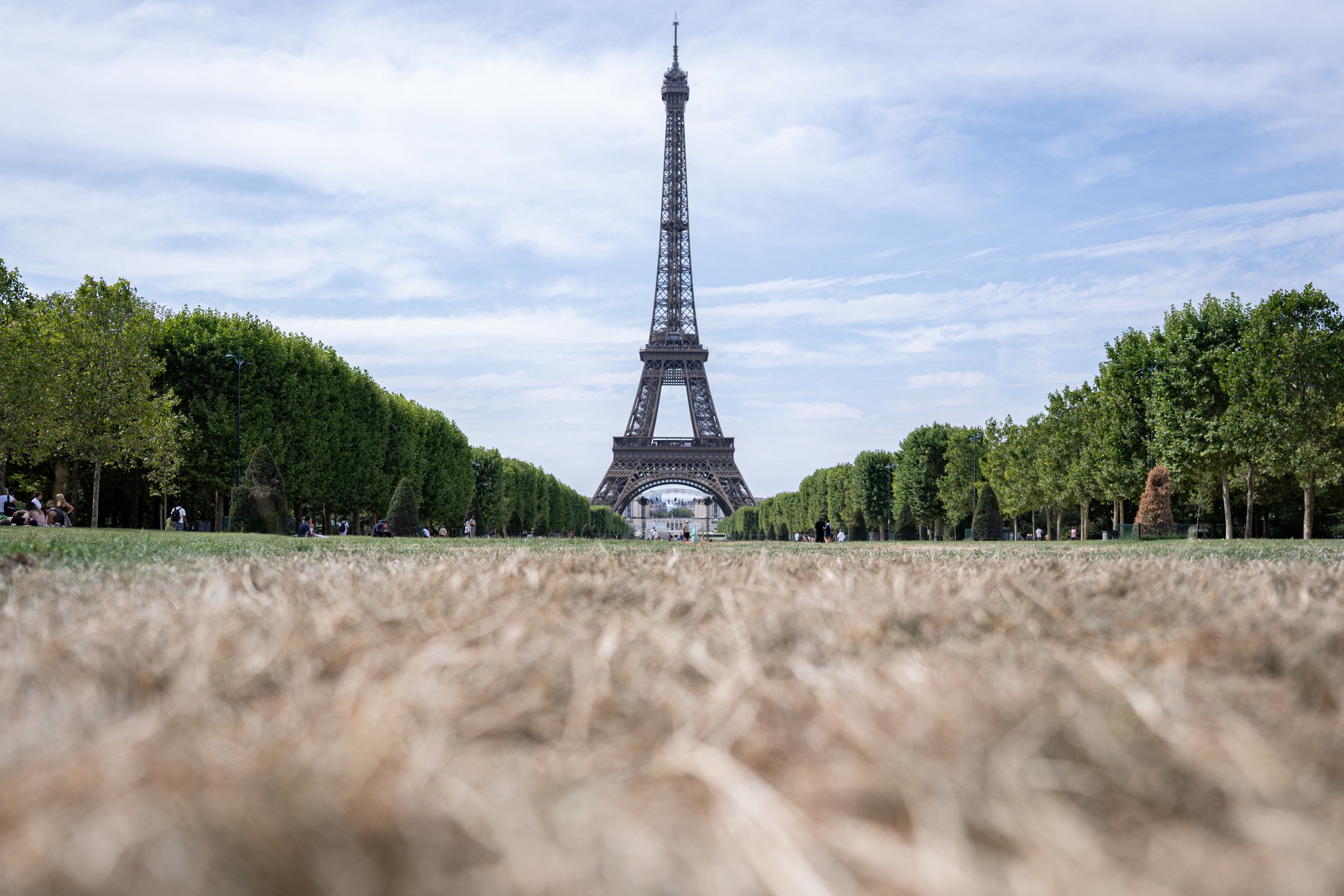
For most tourists, it’s the high temperatures rather than droughts that risk messing up their holiday plans. Earlier this month, even the Eiffel Tower closed due to the heat, with several other museums adapting or reducing their opening hours – a blow for those who planned to take advantage of the air conditioning.
With the probability of further heatwaves and droughts in France extremely elevated, France’s Home Office’s advice is remarkably simple: the only guidance is to “drink plenty of water and stay inside in the cool.” If you think your planned activities might be affected by the drought, it’s worth checking with local news sites and your holiday provider.






















.jpg&h=630&w=1200&q=100&v=c0f97a310e&c=1)
![AEO checker tools that measure answer engine visibility [2026]](https://53.fs1.hubspotusercontent-na1.net/hubfs/53/aeo-checker-1-20260903-3858273.webp)