How do you build a plane for a 22-hour journey? Inside the factory building aviation history
As Qantas reveals the launch date for its groundbreaking Sydney-London non-stop flights, aviation expert Padraig Prendergast speaks to the engineers, pilots and professors behind Project Sunrise
 Aliver
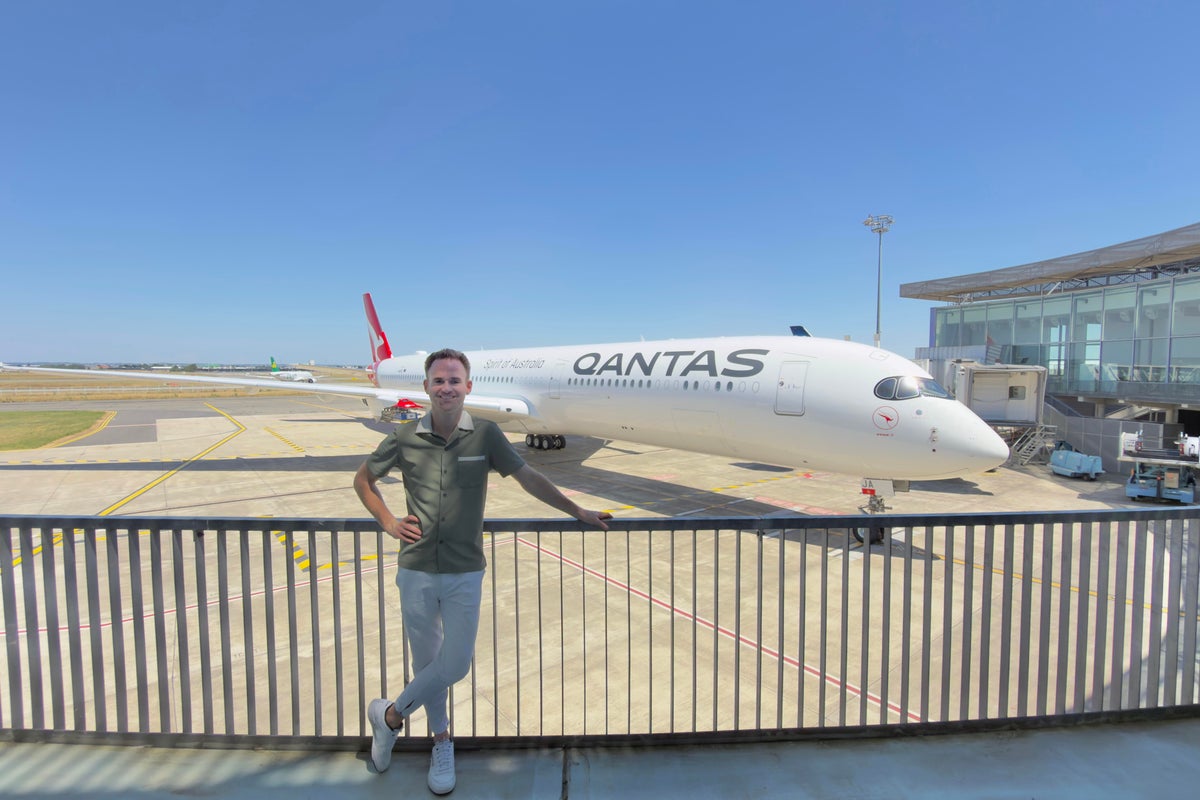
When Qantas first flew between Sydney and London in 1947 on the “Kangaroo Route”, the journey took a whopping five days and included seven laborious stops. This week, the airline and Airbus announced that its world-first, ultra-long-range aircraft will travel on the same route from October 2027 – taking only 22 hours.
The brand-new A350-1000ULR aircraft will, in homage to those first aviators, be named after the stars. It’s a move inspired by Qantas’s pioneering Captain Crowther who reportedly used the cosmos as navigation when flying between the antipodean cities in the early twentieth century.
But this will be a state-of-the-art affair. The non-stop journey will form part of Qantas’s long-awaited Project Sunrise initiative, which will connect Sydney with the British capital via some 10,573 miles. A second route, between Sydney and New York, is also planned.
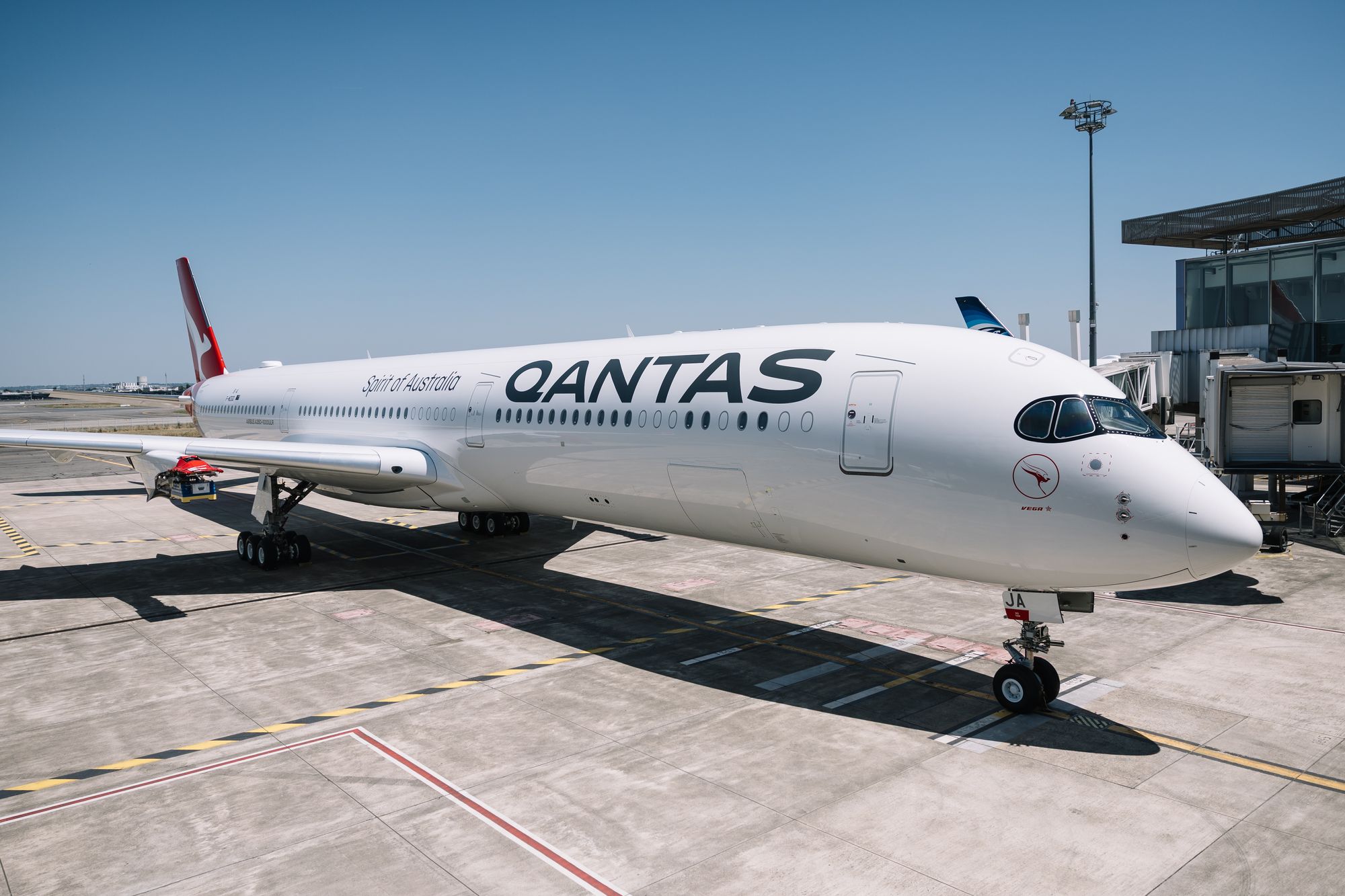
A reported $3.2 billion (£2.5 billion) has been invested by Qantas in the planes alone. It is seen as a shrewd investment: the airline believes Project Sunrise could eventually generate around $400 million (£300 million) a year in earnings once the fleet is fully operational.
And excitement abounded at the Airbus headquarters in Toulouse this week when the announcement was made. Project Sunrise has been in development for some nine years – and so I headed to the aviation base to discover exactly how it all unfolded, and everything passengers need to know ahead of the launch next year.
The tyranny of distance
The project has been a long time coming. In August 2017, Qantas posted a tweet prompting Airbus and Boeing to a challenge: build an aircraft by 2022 that can increase the range of long-haul travel to get to almost anywhere in the world, directly, in less than one day.
Airbus had no warning that tweet was coming and won that challenge over its rival. Speaking at the launch event this week, Qantas CEO Vanessa Hudson said: “Airbus stepped up. They were chosen to reduce the tyranny of distance for Australians.”
Benoit de Saint-Exupery, a senior executive at Airbus, concurred. “We asked our engineers find the solution to the Qantas challenge. There were 322 meetings. Qantas tells us one million working hours have gone into this.”
For the last nine years – bar a Covid-related pause – the two brands have been working to that aim. Holdups included supply chain issues and a delay in getting certification for a certain type of seat engineering in France, as all constituent parts need to be certified in all countries where the planes operate. And a lack of skilled labour post-Covid meant that Airbus lost time to recruitment and long stretches of staff training.
But in 2022, Qantas placed an order for twelve A350-1000ULR planes. The first aircraft will be delivered to Qantas by April 2027; five more will be delivered by November. Passengers will begin flying on the groundbreaking journey that same month.
Millions of flying hours
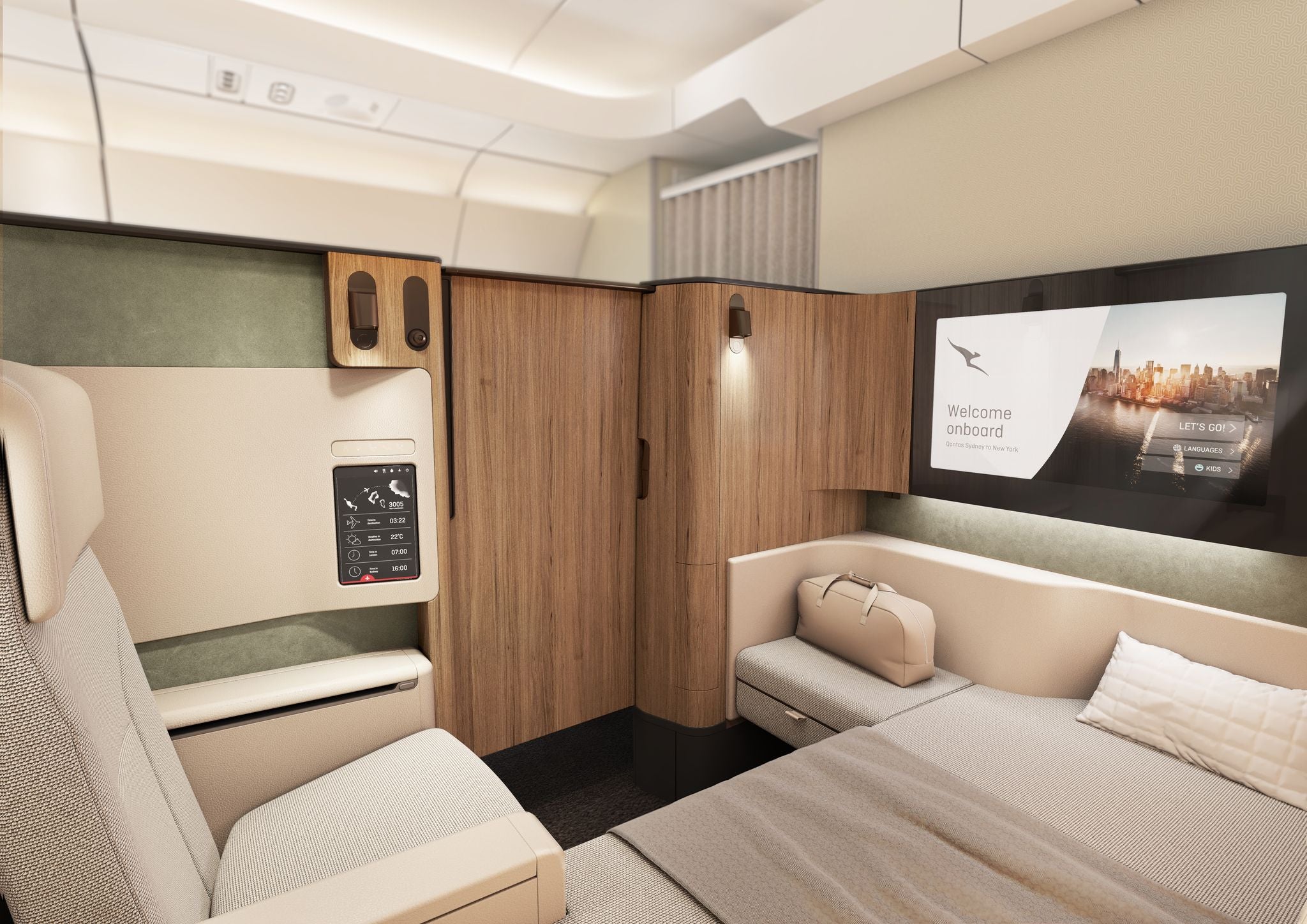
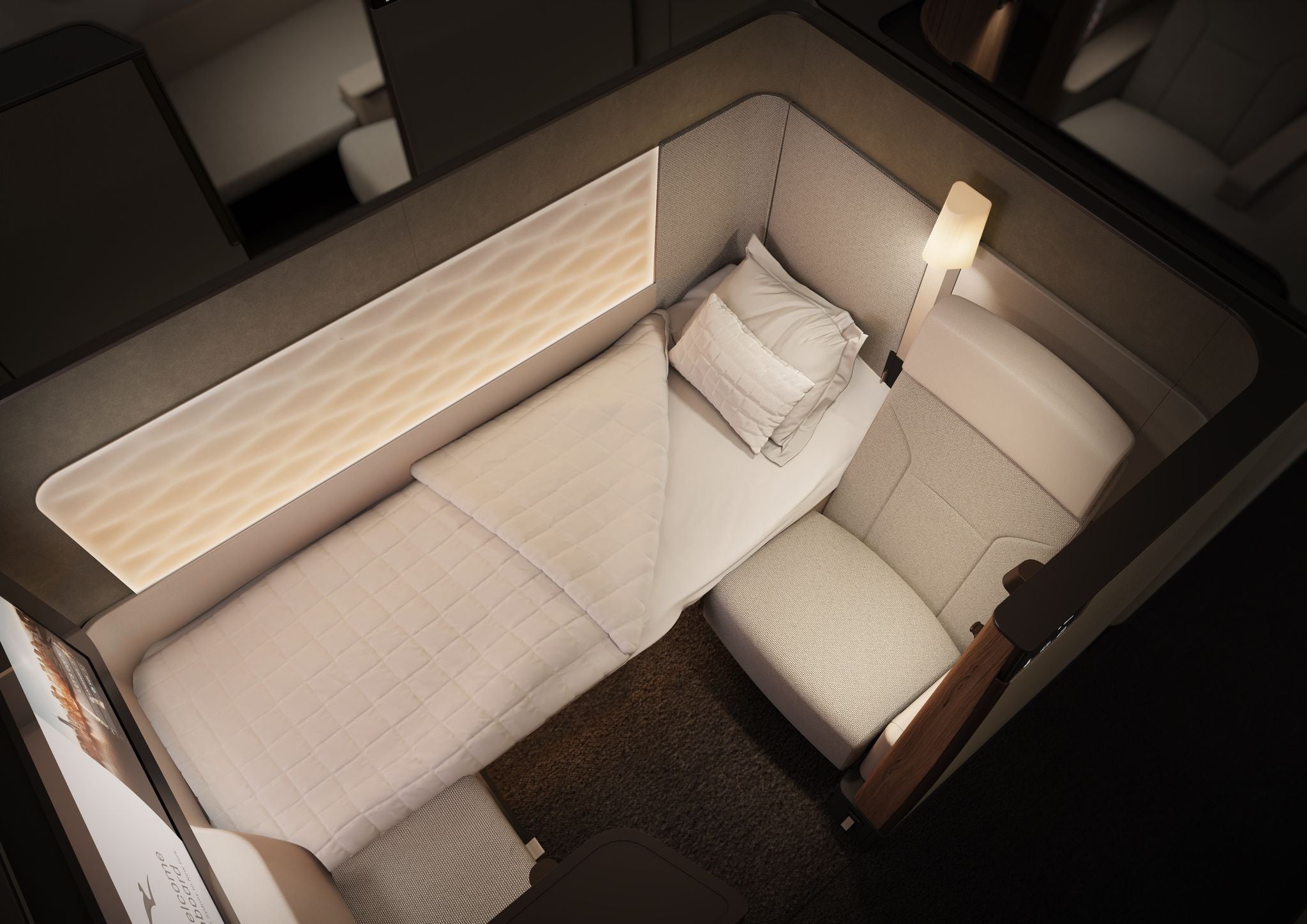
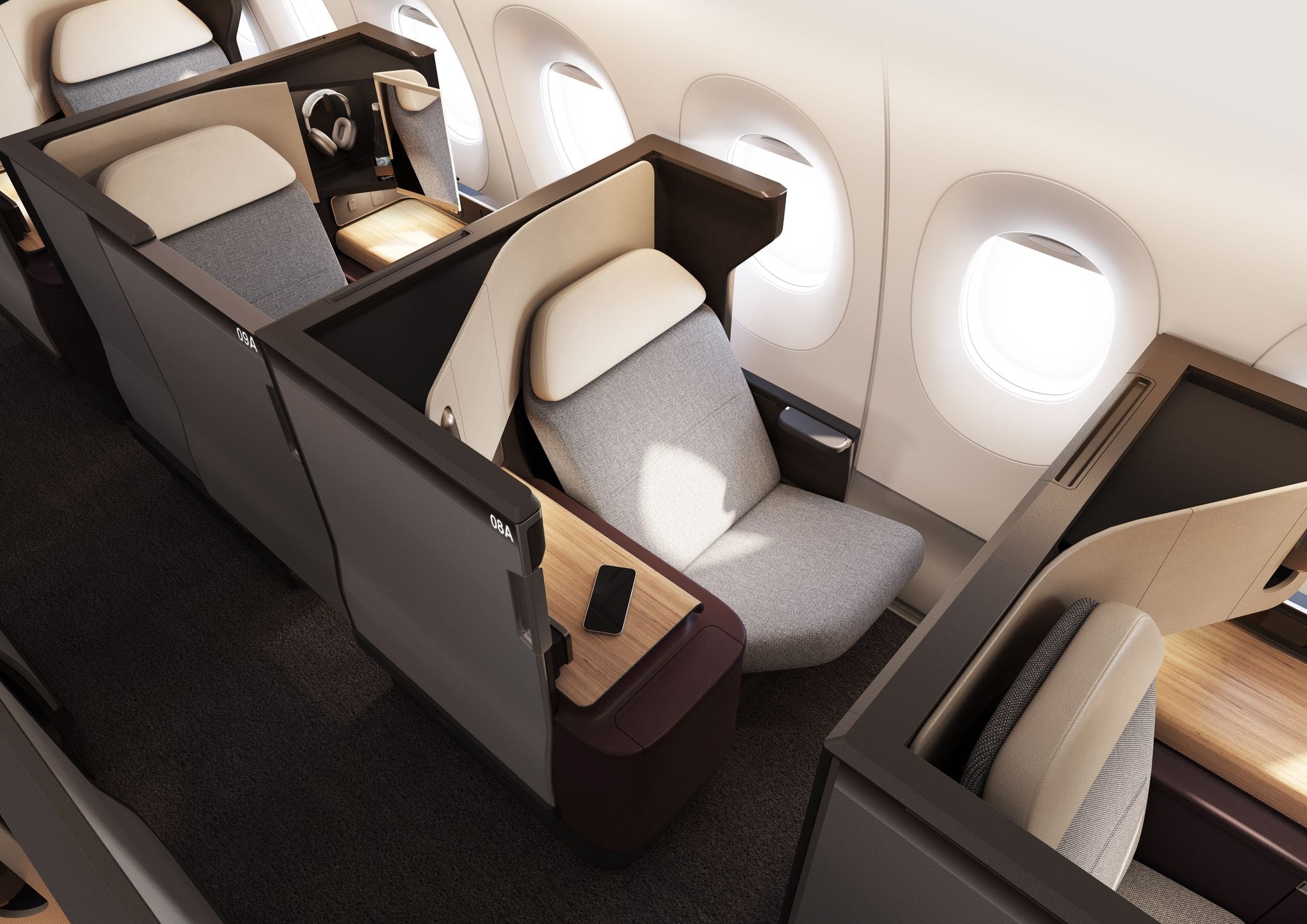
Engineers have had to rework traditional plane design in order to make the 22-hour goal possible. In addition to an extra 20,000-litre fuel tank, the bespoke, ultra-long-range planes will have just 238 seats across four cabins, comprising six first-class suites, 52 business suites, 40 premium economy and 140 economy seats – equating to less passenger weight. This is crucial: for every extra minute of flight time, some 100 kilograms of fuel is used.
The planes will have Rolls Royce engines, the same as those currently used in Airbus’s A350-1000, their most recent design.
Helen Wilson, a vice president at Rolls Royce, said, “The hurdle for the engines wasn’t the extra four hours needed. It was ensuring the 324-tonne planes could take off and land efficiently.
“Our engines on each wing can fly six to seven hours more than needed and last four to six years. They can take 30 million flying hours.”
But everything had to become lighter to achieve the range. Airbus and Qantas engineers obsessively examined every ounce of weight, adding lighter entertainment systems and air conditioning units, and even using dinner plates that weigh 20 per cent less than current options. This new technology also helps make the jet 25 per cent more efficient than Airbus’s previous A350 planes: an advancement that will undoubtedly be used on future models.
Testing times
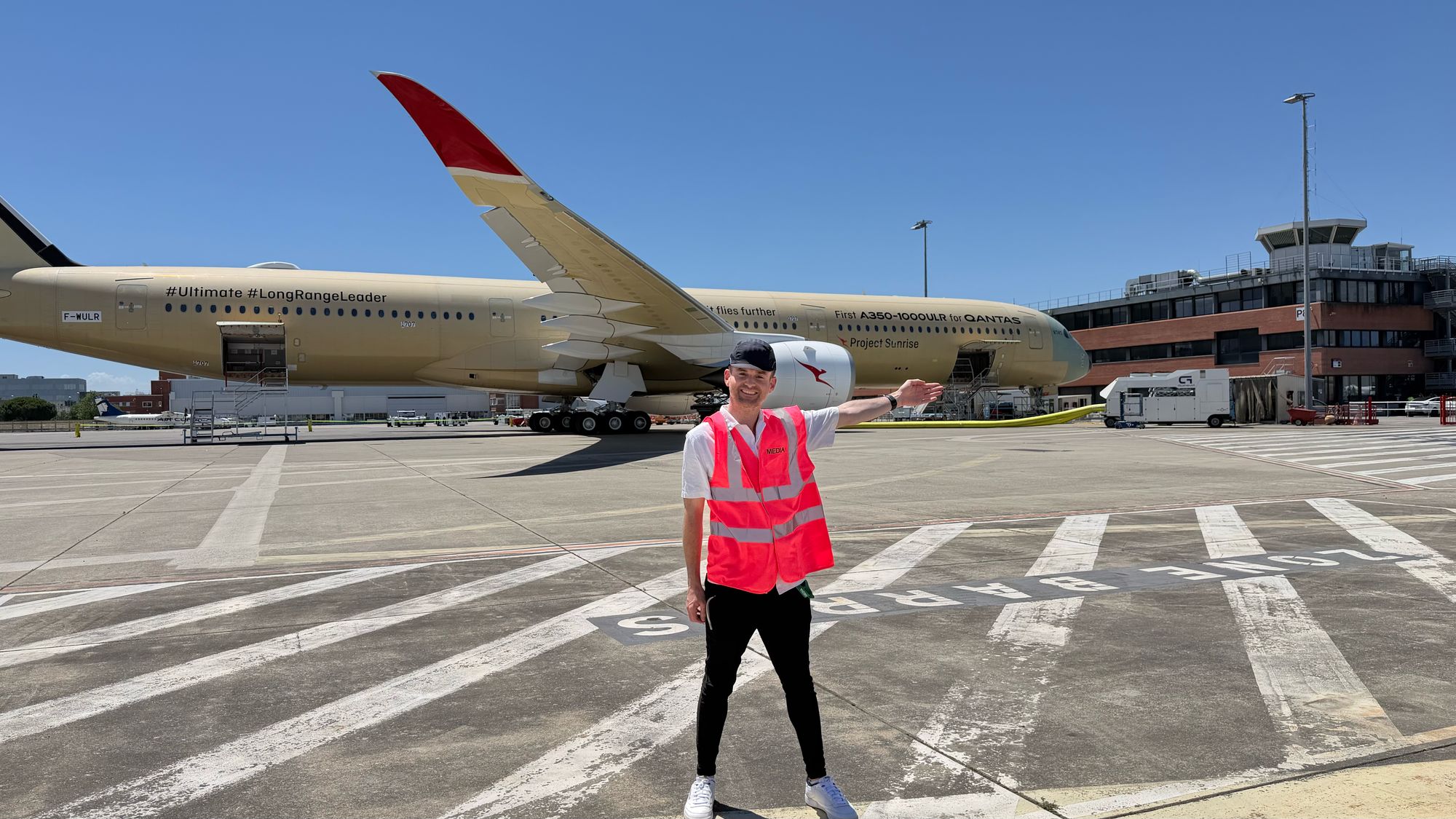
Getting here has been no mean feat. On Friday, June 19, the first ultra-long-range plane took part in a fuel testing flight: its fourth since 2 June. The planes are put through 80 hours of examinations per month, including a 22 hour flight to really test the jets before sign-off.
A second aircraft is currently moving through its eight week testing programme at Airbus HQ in Toulouse. Once the first planes are delivered, they will be flown next summer between Australia and New Zealand to get pilots and crews used to them before the inaugural flights.
Nearly 40 Qantas A330 pilots are being re-trained as part of the project. By the time the 12th aircraft is delivered, there will be more than 360 pilots and 1,200 cabin crew servicing the planes.
“There will be four pilots and 14 cabin crew on each flight and there will be two to three rest periods,” said Captain Alex Passerini, Chief Technical Pilot at Qantas.
“And the new cockpits will be the most advanced flight decks in the world, with LCD displays,” he added.
Cabin fever
Those wincing at the thought of terrible jet lag on such a long journey need not worry. Qantas enlisted some 27 passengers across three long-haul flights to test the impact on their shut-eye, and monitored the results.
Professor Peter Cistulli from the University of Sydney explained: “Our research found that when people follow the on-screen ‘journey planner’, people slept better in economy than in business.
“It is possible to shift your body clock backwards or forwards. Not by nine hours, but by a few.”
He recommends passengers aim for 12 hours of sleep, even if these are interrupted by meals and exercise. He adds that coffee and alcohol should be kept to a minimum, and that flyers should try to snooze while onboard lighting is low.
Cabins will include “wellness zones” – the first of their kind – where passengers can exercise with guided on-screen movements and help themselves to refreshments designed to provide optimum hydration at high altitude. If you follow all this guidance, Qantas says, it’s possible to reduce jet lag by up to four hours.
New routes
Conventional routes between Britain and Australia have typically involved flying over the Middle East – something the Project Sunrise journeys will typically follow. But due its technological advancements, in winter the planes will instead be able to fly over the Pacific Ocean, up past Japan, over Alaska, Greenland and down into London, on a route called the new North Polar Flight Path. The benefit will be considerably less air traffic.
On some flights, the 22-hour journey time might actually be an overestimate. The fastest the jets will be able to travel from London to Sydney, aviation experts say, is around 18 hours. From Sydney to London this increases by an hour, with the slowest route estimated to take around 25 hours to due the jet stream temperature and air pushing west to east.
As for the cost of the flight? Airline chiefs were tight-lipped about prices, but the word of the launch was “premium.”
All of the aviation world is watching this pioneering operation. Have other airlines put orders in yet? “There is huge interest,” Airbus says. Will Qantas make a profit? That’s also too soon to call, according to the manufacturer.
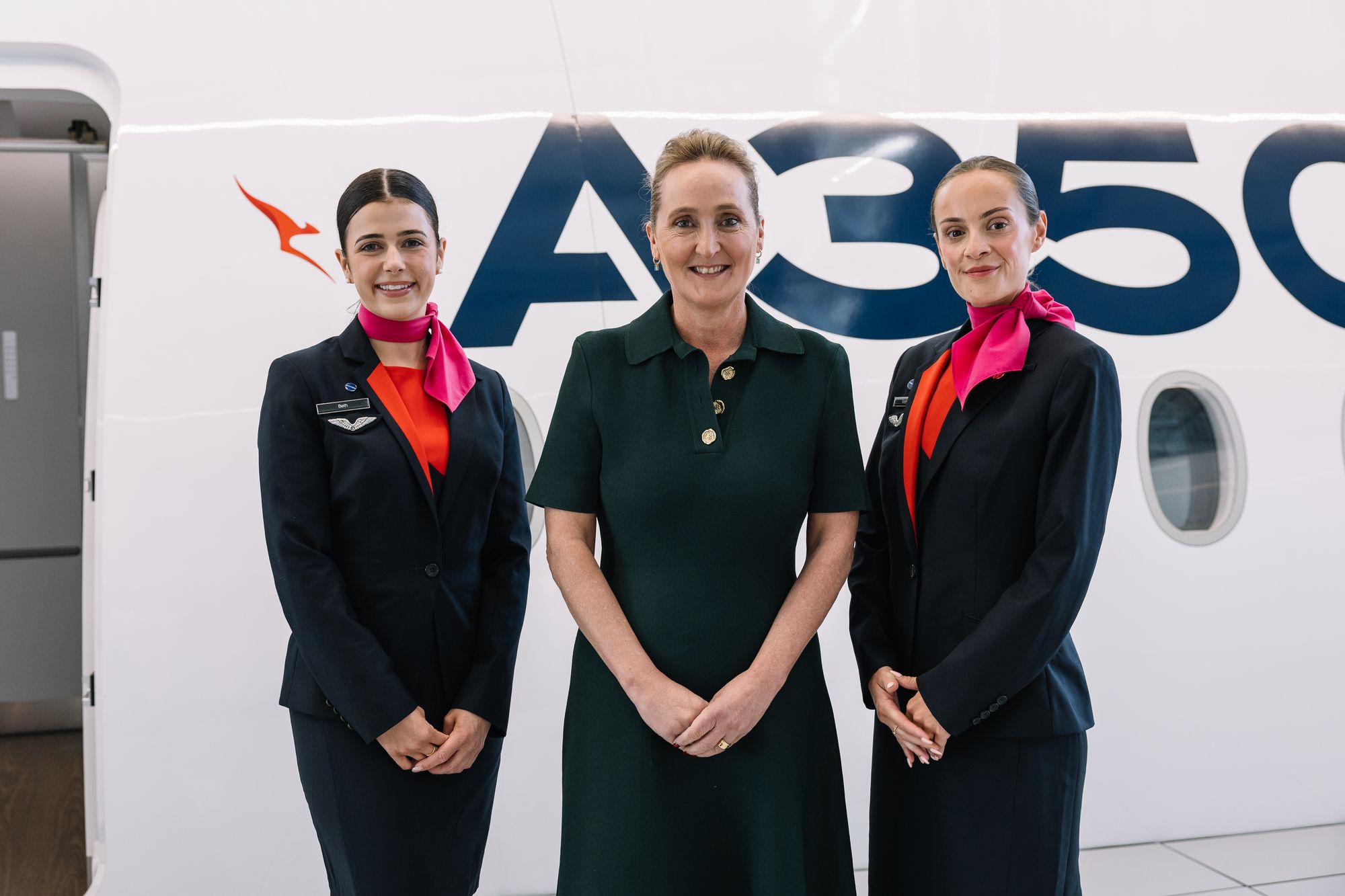
When asked if Project Sunrise would be her legacy, Qantas CEO Vanessa Hudson told The Independent: “I didn’t dream of this role. I studied to be an accountant because my Dad told me to.
“Qantas for me was history, purpose and journey. I would love us to achieve our purpose and for everyone to be proud to belong to the spirit of Australia when they step on our planes. That’s my purpose.”
A century ago it took weeks to travel by sea from the UK to Australia. Starting next year, hundreds of passengers will have the ability to fly to the other side of the planet in less than a day.
London-Sydney tickets go on sale in February 2027