Intention Setting with Sankalpa
The post Intention Setting with Sankalpa appeared first on Power Living Australia Yoga.
 Hollif
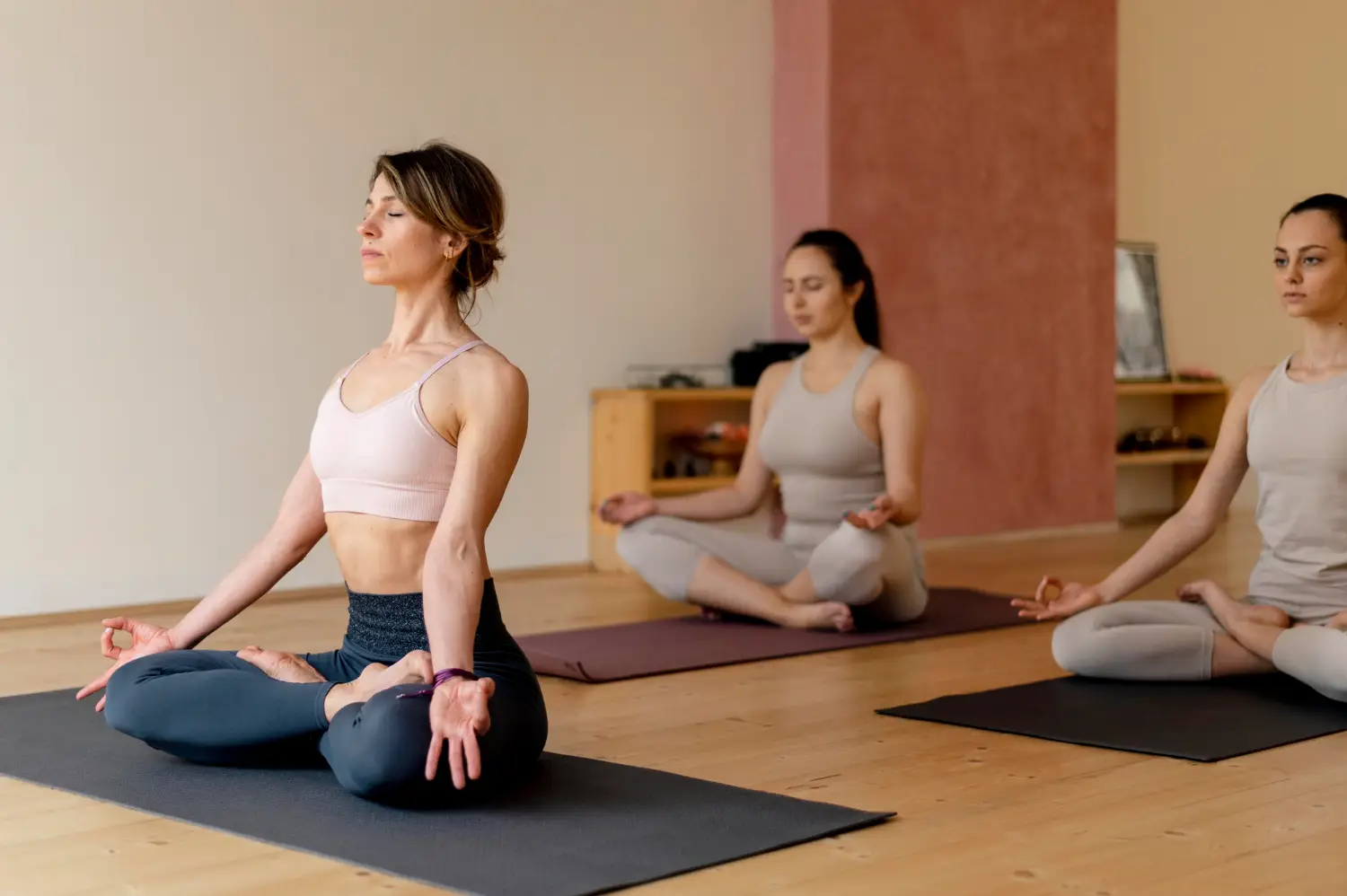

January is here, and so is the noise of “new year, new me.” If you’re craving something deeper than quick fix resolutions, discover how yogic intention setting, Sankalpa, offers real transformation. Read on to learn how Sankalpa can guide your year with purpose and authenticity.
What if there was a more powerful, authentic, and sustainable way to approach the new year? Yogic philosophy offers a profound alternative: the practice of setting a Sankalpa. This is not about forceful change or chasing external achievements. Instead, it’s a practice of deep listening and heartfelt commitment that aligns you with your truest self. A Sankalpa is an invitation to plant a seed of intention that can blossom throughout the entire year.
What is a Sankalpa?
The word Sankalpa is Sanskrit, combining San, meaning “a connection with the highest truth,” and Kalpa, meaning “vow.” Put together, it translates to a vow or intention that we make to support our highest truth. It is a heartfelt resolve, a statement of what we want to cultivate in our lives, spoken from a place of deep inner wisdom.
Unlike a resolution, which often comes from the ego-driven mind, a Sankalpa arises from the heart. It is a positive, present tense statement that affirms an existing quality within you. For example, instead of resolving, “I will stop being so anxious,” your Sankalpa might be, “at my core I am calm and at peace.” It acknowledges you already possess the quality you seek; you are simply bringing it to the forefront of your awareness. This subtle shift in language is transformative. It moves you from a mindset of fixing a problem to one of uncovering your innate wholeness.
Resolutions vs. Sankalpa: A Deeper Commitment
The noise of new year resolutions often focuses on external outcomes and self-criticism. It’s about doing more, being better, and achieving a checklist of goals. This approach relies on willpower, which is a finite resource. When we inevitably stumble, we feel like we’ve failed, and the resolution is abandoned.
A Sankalpa operates on a completely different level.
Source of Intention: Resolutions often come from the analytical mind and are influenced by societal pressures. A Sankalpa comes from your heart and aligns with your authentic self, or dharma (your life’s purpose). It’s about who you want to be, not just what you want to do. Focus on Being, Not Doing: A resolution is a to-do list for self-improvement. A Sankalpa is a statement of being. It’s an affirmation that guides your choices and actions naturally, without force. It works from the inside out. Timeframe and Attitude: Resolutions are often short-term and rigid. A Sankalpa is a long-term vow that allows for grace and compassion. It’s a guiding star, not a stick to beat yourself with. If you stray, you simply return to your Sankalpa with kindness.Think of it this way: a resolution is like trying to steer a boat through a storm with sheer force. A Sankalpa is like setting the boat’s rudder and trusting the current to guide you to your destination.
How to Create Your Sankalpa
Crafting a Sankalpa is a sacred practice of self-reflection. It requires you to quiet the external noise and listen to the whispers of your heart. Here are some practical steps to guide you.
1. Create Space for Stillness
You can’t hear your heart’s desire in the midst of chaos. Find a quiet time and space where you won’t be disturbed. This could be early in the morning, during a quiet evening, or anytime you can dedicate 15-20 minutes to yourself. Sit comfortably, perhaps on a meditation cushion or simply in a chair with your feet on the floor.
2. Practice Self-Reflection
Close your eyes and take several deep, calming breaths. Allow your body and mind to settle. Then, begin to ask yourself some gentle, open-ended questions. You might find it helpful to journal your responses.
What does my heart truly long for? What quality do I want to cultivate more of in my life? (e.g., compassion, courage, presence, peace) When I am at my best, what qualities do I embody? What is holding me back from living a more fulfilled life?Listen without judgment. The goal is not to find the “right” answer but to connect with your inner landscape.
3. Formulate Your Statement
Once a clear theme emerges, it’s time to shape it into your Sankalpa. Keep these guidelines in mind:
Keep it short and simple: A concise statement is easier to remember and repeat. Use the present tense: Frame it as if it is already true. For example, use “I am” or “I have” instead of “I will be” or “I want.” Make it positive: Focus on what you are cultivating, not what you are trying to get rid of. For instance, instead of “I am not stressed,” try “I am grounded in peace.”Examples of Sankalpas could be:
“I am guided by love and compassion in all my actions.” “I trust my inner wisdom and speak my truth with courage.” “I am whole, worthy, and complete.”4. Plant the Seed
Once you have your Sankalpa, the final step is to plant it in your subconscious mind. A powerful time to do this is during practices like yoga nidra (yogic sleep), savasana or meditation, when the mind is relaxed and receptive.
Lie down comfortably, bring your Sankalpa to mind, and repeat it silently to yourself three times with deep feeling and conviction. Then, let it go. Trust that the seed has been planted. You can repeat this practice daily, especially upon waking and before sleep.
The Benefits of Living with Sankalpa
When you begin to live in alignment with a Sankalpa, you will notice profound shifts in your life.
Greater Clarity and Focus: Your Sankalpa acts as a compass, helping you make choices that are aligned with your deepest values. It simplifies decision-making and helps you navigate life with a clear sense of purpose. Increased Self-Compassion: Because a Sankalpa is not about perfection, it encourages a kinder, more compassionate relationship with yourself. You learn to honour your journey, including its challenges. Authentic Fulfillment: By focusing on your inner state of being rather than external goals, you cultivate a sense of fulfillment that is not dependent on circumstances. Your well-being comes from within. Transformation from Within: A Sankalpa works at a subtle, subconscious level to rewire your patterns of thought and behaviour. Over time, it helps you embody the qualities you wish to see in your life, creating lasting and meaningful transformation.This January, we invite you to step away from the noise of resolutions and meet yourself with authenticity. Give yourself the gift of a Sankalpa. It is a powerful commitment to your own growth, a declaration of your inner truth, and a beautiful way to begin the journey into a new year.