Microsoft Edge is about to lock out older ad blockers, just like Chrome did
Microsoft Edge is officially transitioning to Manifest V3, gradually disabling older Manifest V2 extensions—including legacy ad blockers like uBlock Origin.
 JaneWalter
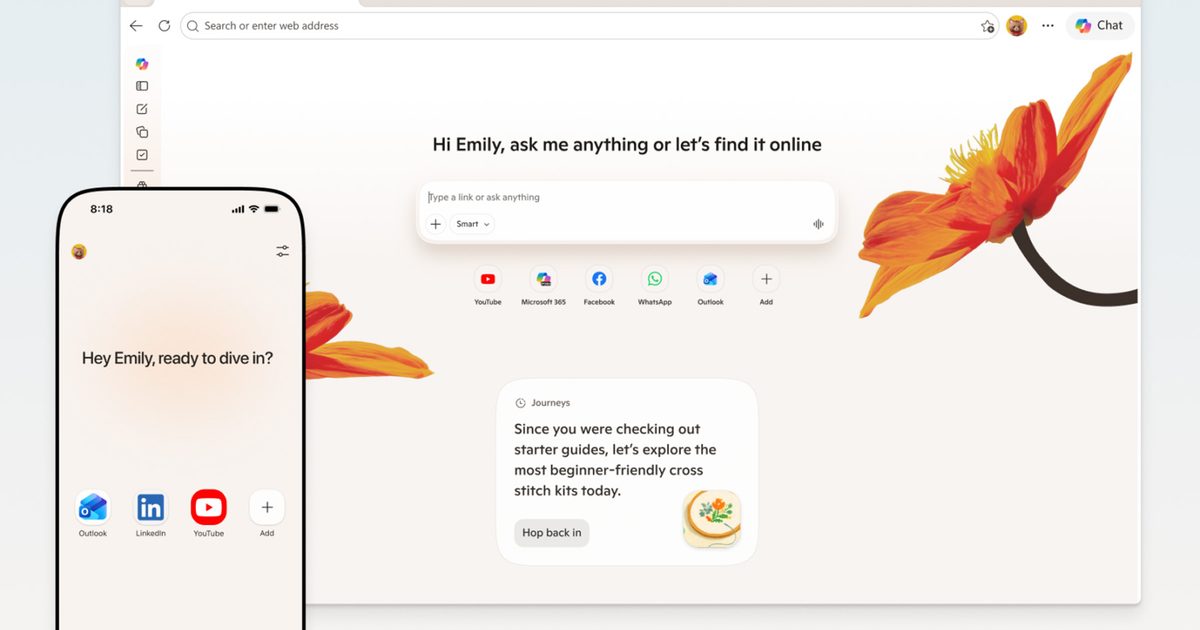
Microsoft has announced the transition to Manifest V3, gradually phasing out older browser extensions.
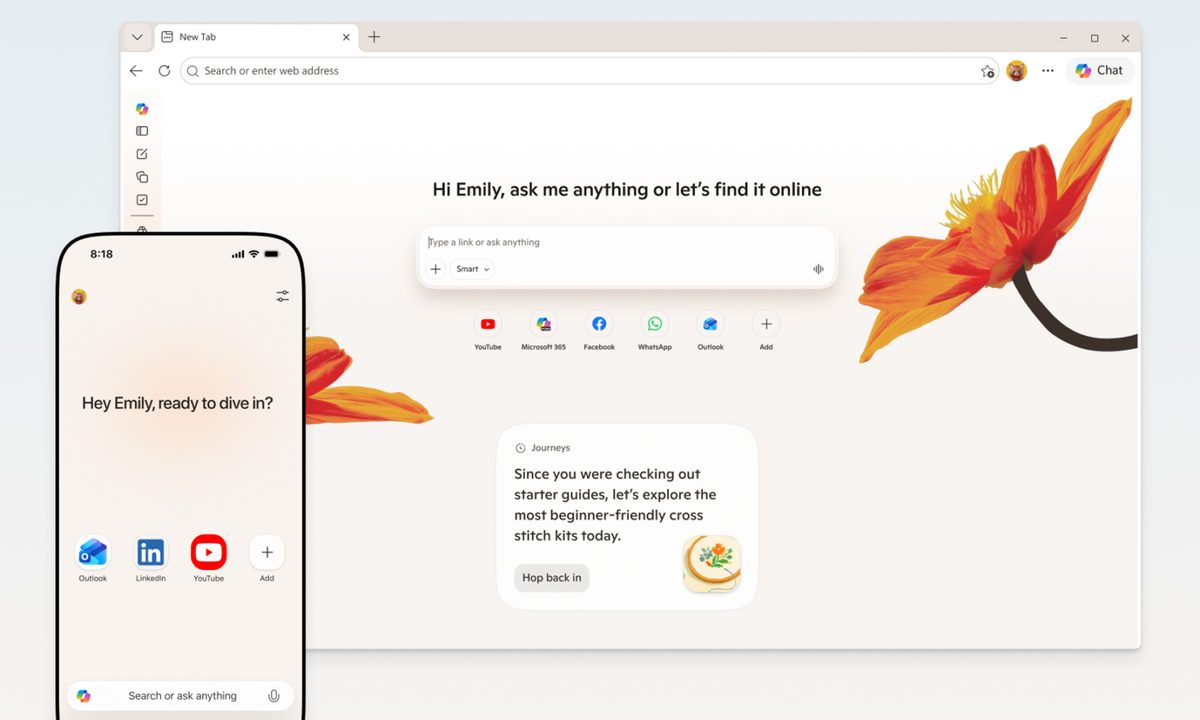 Microsoft
Microsoft Edge is finally making the same controversial move that Google Chrome did earlier this year, and it could mean the end of some of the browser’s most popular ad blockers. Microsoft has announced that Edge is officially transitioning its extensions ecosystem to Manifest Version 3 (MV3), Google’s newer extension platform that promises better security, privacy, and performance. As part of that shift, the browser will gradually stop supporting older Manifest V2 (MV2) extensions over the coming months, meaning legacy extensions such as the original uBlock Origin will eventually stop working in Edge.
What is Manifest V3, and why is Microsoft adopting it?
Manifest V3 is the latest version of the browser extension framework used by Chromium-based browsers. Microsoft says it offers a more secure architecture by limiting background processes, tightening extension permissions, and reducing the attack surface for malicious extensions. According to the company, the update also improves performance by making extensions more efficient and less resource-intensive.
 Microsoft
Microsoft says the transition will happen gradually. Beginning this month, remaining Manifest V2 extensions will start being disabled by default in Canary, Dev, and Beta versions of Edge before expanding to the Stable release in the coming months. Consumer devices are expected to complete the transition by the end of 2026, while enterprise-managed devices will continue supporting MV2 until early 2027. Microsoft also notes that only 58 MV2 extensions on the Edge Add-ons Store still see meaningful usage, and all but three already have Manifest V3 alternatives available.
What this means for Edge users
For most users, the biggest change will affect ad blockers and privacy extensions. Manifest V3 replaces the more powerful WebRequest API with the stricter Declarative Net Request API, meaning older extensions like the original uBlock Origin can no longer work without being rewritten. Fortunately, many developers have already released compatible alternatives, including uBlock Origin Lite, AdGuard, and Ghostery.
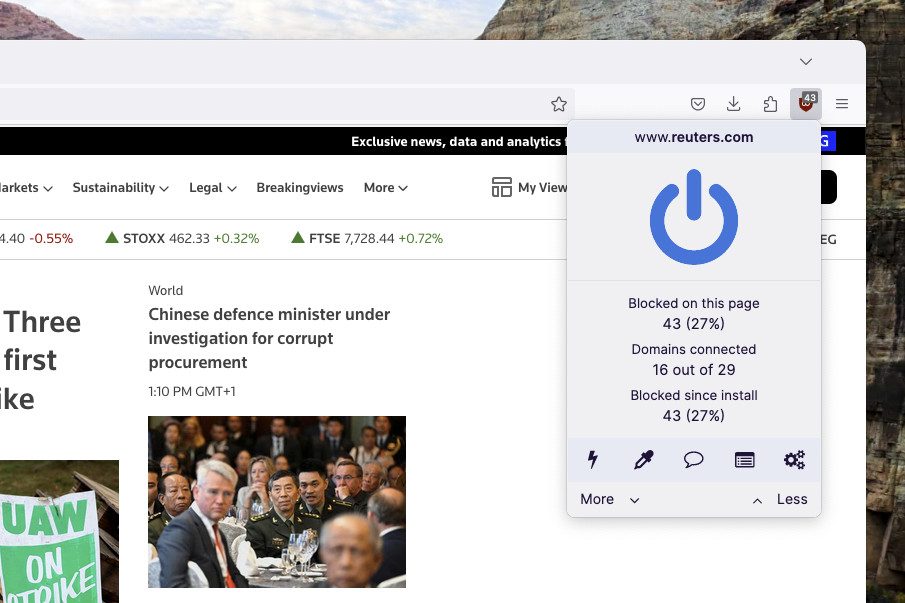 uBlock / Digital Trends
The shift has been controversial ever since Google introduced Manifest V3. Supporters argue it makes browser extensions safer, faster, and less resource-intensive, while critics believe it limits what advanced ad blockers and privacy tools can do, stripping away some of the power they previously had.
By adopting Manifest V3, Microsoft is bringing Edge fully in line with the Chromium ecosystem. For most users, the transition should be relatively smooth, but anyone still relying on older Manifest V2 extensions—especially classic ad blockers—should start looking for MV3-compatible replacements. The browser itself isn’t losing ad blocking, but some of the most capable tools will never work quite the same way again.

Varun is an experienced technology journalist and editor with over eight years in consumer tech media. His work spans…
Help, I’m talking to my computer. It’s remarkably convenient and utterly embarrassing.
Oh look, I have become the guy who randomly starts talking while staring at his computer.

A decade ago, Google introduced voice typing with the Gboard app on Android, and a year later, the perk landed on iPhones with the keyboard app. I never paid much attention to it. The biggest reason was that it was just not accurate.
The big promise was a whole new way of interacting with our phones, but it was never good enough to make me quit tapping, or swiping on an on-screen keyboard. Fast forward to 2026, I'm talking to my computer. In fact, this whole article was dictated and copy-pasted in WordPress.
Cloudflare’s new browser Kitesurf is designed for AI agents to browse the internet
AI agents just got their own browser that lets them browse the internet more efficiently.

Cloudflare just entered the AI-browser race with a twist. Instead of building another Chrome alternative for people, the company launched Kitesurf, a cloud-hosted browser made only for AI agents. Since autonomous AI systems are increasingly the ones doing the actual browsing and scrolling online, Cloudflare just made its to claim that space.
https://twitter.com/Cloudflare/status/2085372860650913898
Lenovo’s next ThinkBook looks unbelievably thin in this leak
Say hello to Aeroblade, the ThinkBook that could redefine how thin a laptop can get.
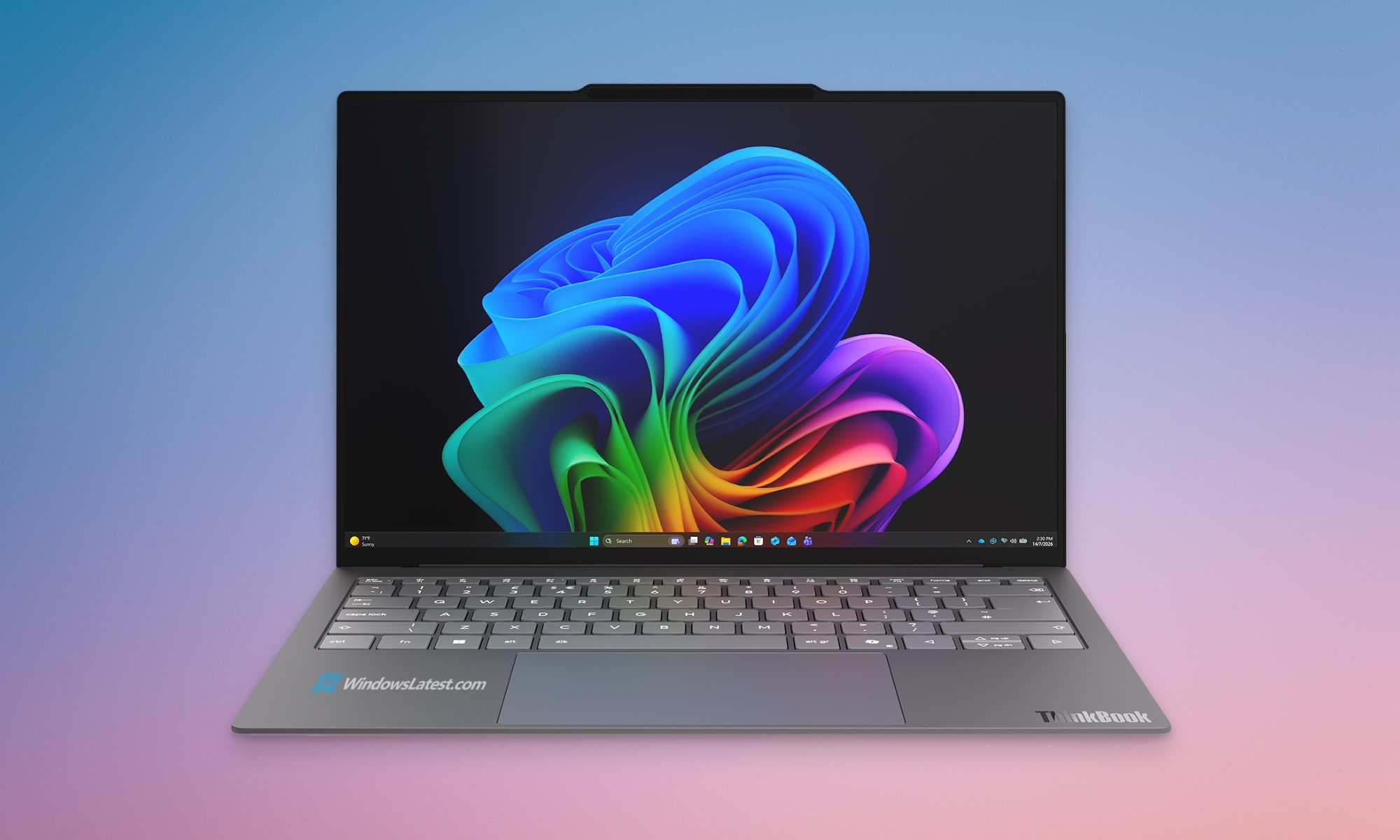
Lenovo might have a new obsession, and it's all about being thin. Windows Latest got its hands on marketing images of an unannounced Lenovo laptop, and buried in the files is a name we've never seen before: Aeroblade. The device itself is clearly branded as a ThinkBook, so this could launch as the ThinkBook Aeroblade.
If you're not familiar, ThinkBook sits just below the premium ThinkPad lineup and is built for small and medium businesses who want that ThinkPad look without the ThinkPad price tag.





















.jpg&h=630&w=1200&q=100&v=c0f97a310e&c=1)