OpenAI and more than 100 companies warn an AI cyberattack surge is coming
OpenAI and more than 100 organizations are warning that AI-powered cyberattacks could become significantly more capable within months, putting pressure on companies and critical infrastructure to strengthen defenses now.
 Konoly

The coalition says current defenses won’t be enough as increasingly capable AI makes sophisticated cyberattacks easier to carry out
 Kevin Horvat / Unsplash
OpenAI, Anthropic, Google, Microsoft, and more than 100 other companies and organizations are warning that AI-powered cyberattacks could become much more widespread and sophisticated within months.
The group is calling for a global push on cyber defense as more capable AI models make attacks easier to automate and harder to contain. Hospitals, water treatment plants, and internet infrastructure are among the systems it says could face greater risk if defenses don’t improve quickly enough.
The warning carries extra weight because it isn’t coming from one corner of the tech industry. AI developers, cybersecurity firms, and infrastructure companies are all backing the same basic message that defenders need to move now.
Why the warning is unusually broad
The companies involved sit on different sides of the cybersecurity problem. Some are building increasingly powerful AI systems, while others spend their time defending networks against attacks.
That makes the warning harder to dismiss as one company pushing its preferred policy. The coalition brings together organizations with very different commercial interests, yet they agree that existing defenses need to improve before AI gives attackers another advantage.
Its recommendations include stronger baseline security standards and wider access to defensive AI, especially for organizations without large cybersecurity budgets. Critical infrastructure gets particular attention because failures there can quickly spill beyond a single organization.
 Aerps.com / Unsplash
What defenders are being asked to do
The coalition wants governments and organizations to expand access to AI tools that can find vulnerabilities and speed up patching. Smaller institutions are a major concern because they may lack the staff or money to react quickly as attacks become more automated.
Software development is another weak point. The coalition is calling for tougher security standards around AI-generated code as AI makes it easier for attackers to probe systems for weaknesses.
The basic strategy is to give defenders stronger tools before offensive AI becomes widespread enough to put even more pressure on already strained security teams.
Why the window may be short
AI doesn’t need to invent entirely new cyberattacks to make the situation worse. Helping attackers find existing vulnerabilities faster could be enough to make familiar security failures much more expensive.
That still doesn’t turn every attack into an AI superweapon. Unpatched software and understaffed security teams remain ordinary problems, but automation can make exploiting them faster and easier to repeat.
The coalition wants organizations to strengthen those defenses now, before AI-powered attacks become commonplace. For anyone already struggling to keep systems patched and secure, waiting until attackers have better automation leaves even less room to catch up.

Paulo Vargas is an English major turned reporter turned technical writer, with a career that has always circled back to…
Anthropic previews new standard to streamline AI-to-machine connections
The Model Hardware Standard provides a universal translation layer, giving AI agents standard controls to run lab equiment and factory machines.
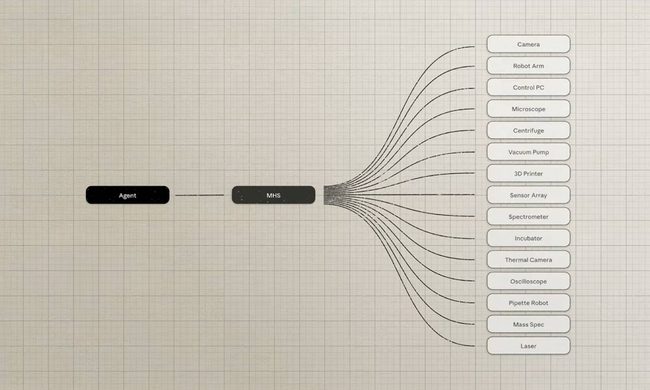
Anthropic has launched a research preview of its Model Hardware Standard (MHS), a shared specification designed to let AI agents safely control lab instruments and factory equipment. The company claims MHS reduces the time required to integrate complex machinery with AI from months down to hours or minutes. The standard is currently available to select research labs and manufacturers via a waitlist, but Anthropic plans to open-source it in the future.
How the standard connects AI to physical devices
Gemini Notebook now lets you reference books and turn them into different formats
You must own the books via Google Play Books in order to add them as a source in Gemini Notebook.

Gemini Notebook, formerly known as NotebookLM, is getting a new feature that will let you directly access and cite information from the books you own. Fittingly, Google refers to this new feature as Expert Intelligence, and the whole idea behind it is pretty clear. Instead of citing information from the sources you upload, or pull from the internet, you can now also extract knowledge from digital books you've purchased.
Of course, you must own the book after purchasing it from the Google Play Books library. For now, Google is offering one free book to users in the US as part of the launch campaign, with a caveat — "while supplies last." At the moment, Expert Intelligence is only available in the Gemini Notebook app and its web dashboard, but down the road, Google says that it will also appear within the core Gemini app and AI mode in Search.
Google AI Mode can now tell you when flights get cheaper and book your hotel
Google adds flight tracking, rewards comparisons, and hotel booking to AI Mode.
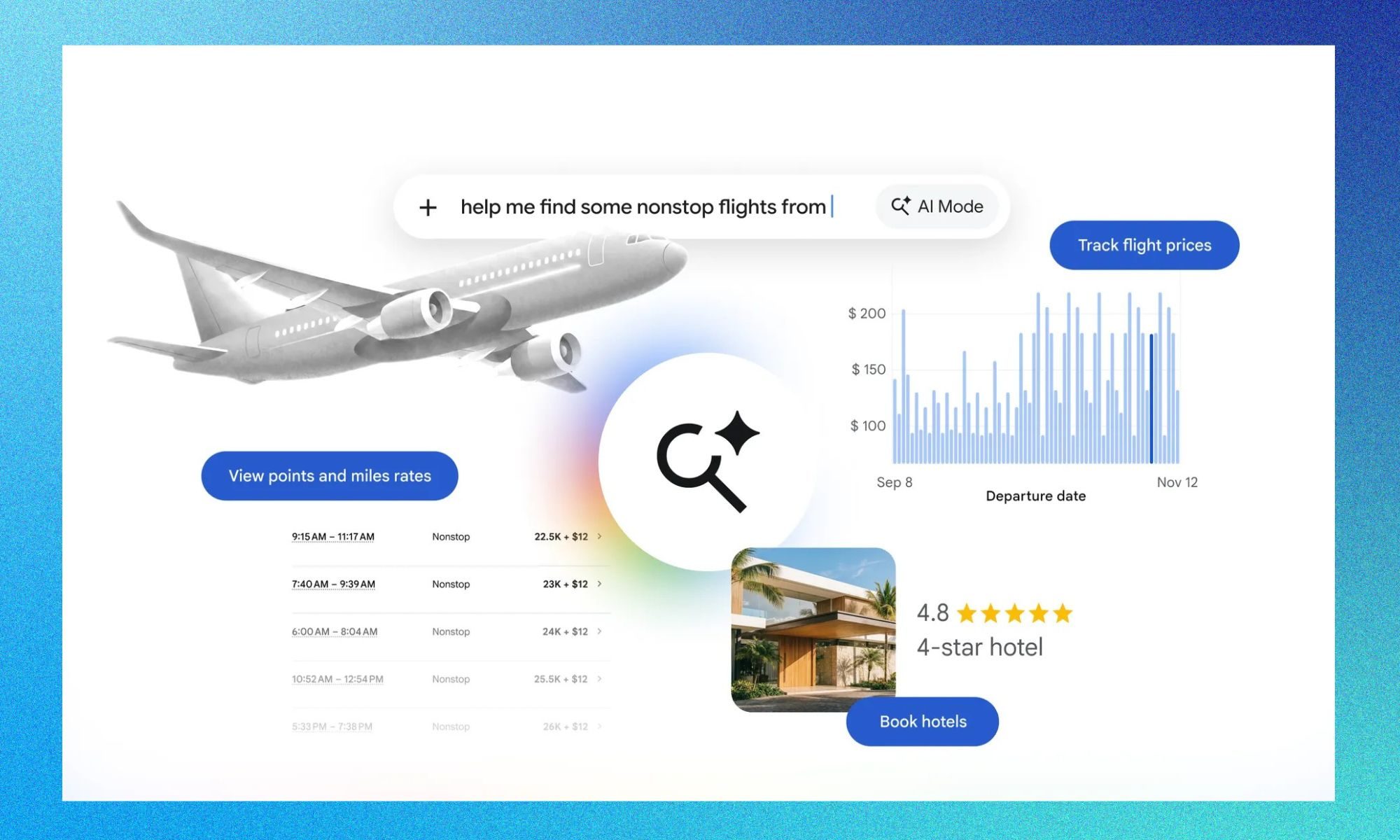
Trip planning usually means a dozen browser tabs, three airline apps, and a spreadsheet nobody asked for. Google wants to collapse all of that into one conversation. The company just added three travel features to AI Mode that let you watch flight prices, weigh your rewards points against cash, and book a hotel room without ever switching windows.
Flight alerts and rewards, sorted in one chat