Research Discoverers New Ingredient Just As Effective As Retinol
If you've been searching for a retinol alternative that actually works, the science just got a lot more convincing.
 Konoly


Senior Beauty & Lifestyle Director
Image by Aleksandar Nakic / iStock July 23, 2026 If you've ever tried retinol and had to abandon it— the peeling, the redness, the strict rule about not using it in the morning—you're not alone. Retinol is, without question, one of the most well-studied skin care ingredients ever. The research behind it is robust, the results are real, and dermatologists have been recommending it for decades. But it also comes with a list of caveats that can make it genuinely difficult to use consistently. That's why so many people have turned to bakuchiol—a plant-derived ingredient that's been positioned as a gentler alternative to conventional retinoids. And while bakuchiol has earned a loyal following, one fair criticism has always followed it: the research base is smaller, and some people remain skeptical about whether it truly delivers the same results as its storied alternative. New research may change that conversation, introducing a new form of the retinol alternative that jut may be better than both of them.
What the study found
A new study published in The Journal of Cosmetic Dermatology looked at a novel ingredient called bakuchiol ferulate (BF), which combines bakuchiol with ferulic acid. The point of the study was to, first and foremost, understand its effectiveness in skin renewal. But the study also wanted to look at the functionality of the ingredient—if it was stable throughout use, if it cased adverse reactions in the skin, and so on.
To do so, they used a combination of laboratory testing, cell-based assays, a 14-day cumulative irritation study in human vol
For context, retinol is notoriously unstable. It degrades when exposed to light and air, which is why retinol products require careful packaging and storage. And because retinol increases the skin's sensitivity to the sun, most dermatologists recommend using it only at night and pairing it with diligent SPF use during the day. These aren't dealbreakers for everyone, but they do add friction. And for some people, they make retinol impractical or impossible to use.
Bakuchiol ferulate, according to this research, sidesteps both of those issues entirely.
Why this matters:
This study adds to the growing body of evidence that there are worthwhile alternatives to retinol. Bakuchiol, and now bakuchiol ferulate specifically, is not just a consolation prize for people who can't tolerate retinol. It's a legitimate option backed by science.
Who this is for
If you're already using retinol and tolerating it well, this research isn't necessarily a reason to switch. Retinol remains one of the most extensively studied topical ingredients in skin care history, and that track record matters.
But if you've tried retinol and found it too irritating, if you have sensitive skin that reacts to most actives, if you're pregnant or nursing and avoiding retinoids, or if you simply prefer more natural formulations, bakuchiol ferulate is worth paying attention to. The research is building, and it's pointing in a clear direction.
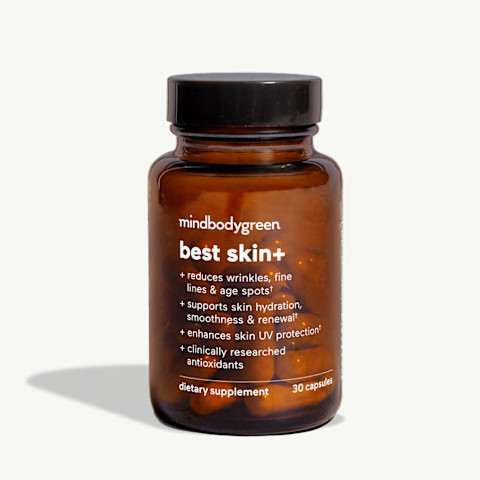
Other ways to support skin health that aren't just using retinol
As someone who's cycled in and out of retinol since my teenage acne years, I've often found it frustrating that it's treated as the only ingredient worth using.
Don't get me wrong—it's an incredible ingredient, and I recommend it often. But healthy skin isn't built on a single topical. It's the result of consistently supporting your skin from multiple angles.
That includes:
No single ingredient—not retinol, not bakuhiol, not any other novel ingredient that may arise in the future—can replace these foundational habits.
The takeaway
We've always believed in following the science, and the science on bakuchiol is getting harder to dismiss. This new research on bakuchiol ferulate doesn't just confirm that retinol alternatives can work—it suggests they may actually have some practical advantages over the original. Keep an eye out for this ingredient in formulations, and if you've been on the fence about making the switch, consider this a nudge.