The FBI says hackers are targeting your most private photos, not just your passwords
The FBI is warning that criminals are hijacking online accounts to steal intimate photos and videos, using familiar tactics including phishing, fake support messages, and password attacks.
 Troov
Troov

Account takeovers are being used to steal intimate images and videos, sometimes through fake support messages and phishing
 Digital Trends
The FBI is warning that some cybercriminals are breaking into social media and personal accounts with a specific goal. They want intimate photos and videos they can post online, sell through criminal marketplaces, or use to keep exploiting the victim after the account is compromised.
In an August 10 alert, the FBI’s Internet Crime Complaint Center said the attacks target both adults and minors. Criminals may use personal information exposed in earlier breaches to guess passwords or PINs. Others rely on phishing pages and fake support messages to trick people into surrendering account access.
The warning also arrives alongside an FBI and NCAA initiative aimed at student-athletes. The bureau says their public profiles can give offenders more personal information and more perceived leverage.
 Steve Gale / Unsplash
How attackers get inside accounts
The techniques themselves are painfully familiar. Attackers can work with details already floating around online, then try passwords or PINs tied to information they’ve collected.
Social engineering can be even simpler. A message that looks like legitimate customer support may claim there’s a problem with your account, then ask for a verification or password-reset code. Hand that code over and the attacker may be able to take control. A convincing phishing page can lead to the same result.
How to make these attacks harder
The FBI recommends unique passwords and PINs, multi-factor authentication, and credentials that don’t rely on personal details someone could easily uncover.
Unexpected support messages should also get the side-eye. Open the service through its official app or website instead of following a link from a text or email. If a verification code shows up when you didn’t request one, don’t give it to anyone claiming to represent the platform.
 Philipp Katzenberger / Unsplash
For especially sensitive material, the FBI also recommends avoiding storage on social media or other internet-accessible services.
What to do if you’re targeted
If you’re targeted, preserve relevant messages and images, stop communicating with the offender, and report the incident through IC3.gov. The FBI also advises against paying an attacker or sending additional material in hopes of preventing distribution.
Once intimate content gets loose online, regaining control can be extremely difficult. Strong account security is worth the small inconvenience when the files behind that login are this personal.

Paulo Vargas is an English major turned reporter turned technical writer, with a career that has always circled back to…
Datamaxxing is the latest AI trend and for once, it could be healthy for your health goals
Feeding fitness data to AI can turn unexplained health metrics into useful conversations, but trusting it as a doctor is another matter

Datamaxxing sounds like the sort of wellness trend that would involve a spreadsheet, three supplements, and far too much free time. The basic idea is much more sensible. People are feeding data from their wearables into AI chatbots and asking them to explain what all those numbers actually mean. The Wall Street Journal recently documented several people building systems around exactly that idea.
There’s a genuine gap for AI to fill here. A 2026 Nature Communications study found that wearables are good at producing summaries, but much less useful when people want personalized answers about their own data. An AI agent built by the researchers reached 84% accuracy on objective numerical questions.
Cornell researchers found a way to spot future hits before they become popular
Early downloads can now call a research paper's fame years before it happens.
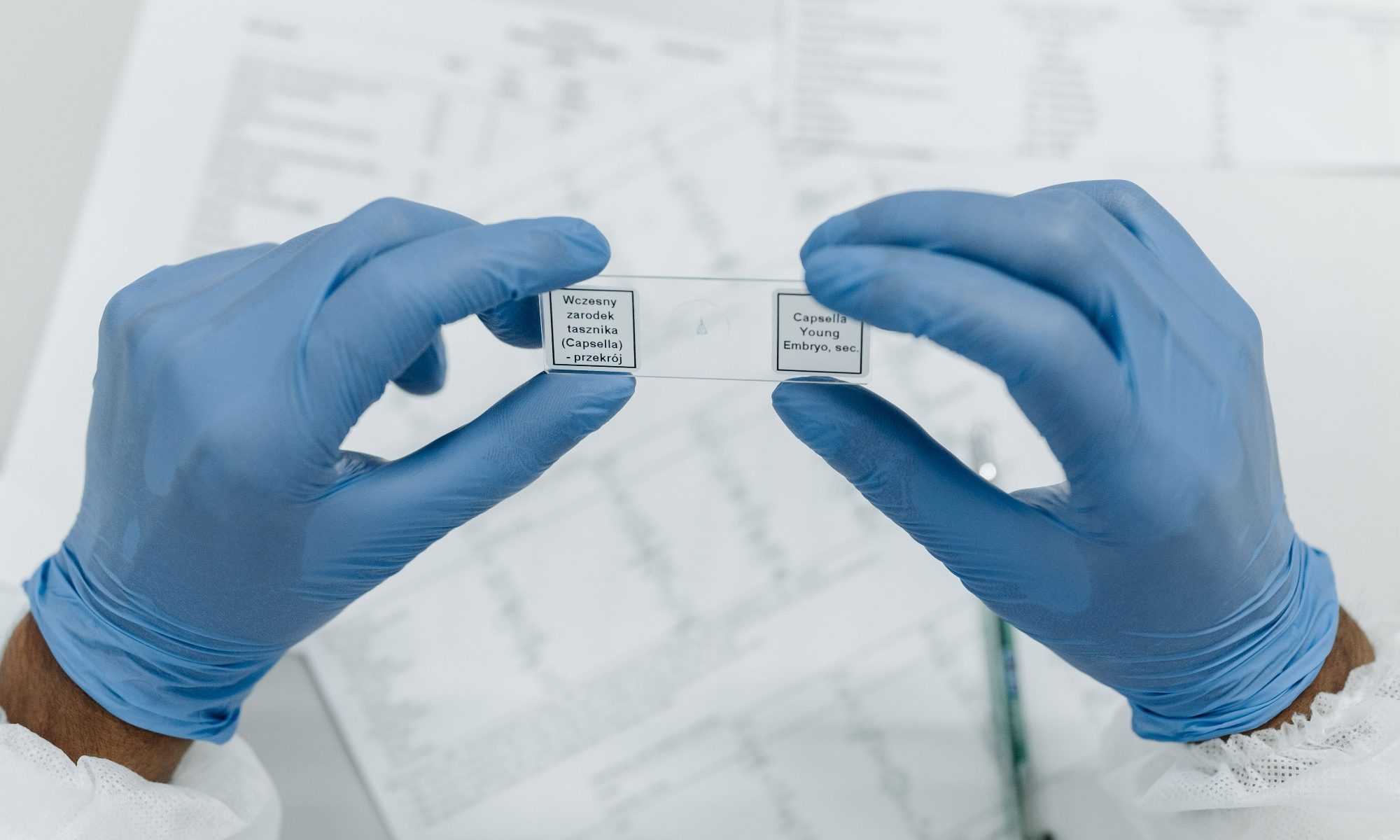
Ever wonder if a research paper is destined to be a big deal long before it actually becomes one? Researchers at Cornell University think they have figured out how to tell, and it comes down to something as simple as downloads.
The team published new datasets pulled from arXiv, the go-to repository for unreviewed research papers, and GitHub, the platform coders use to store and share their projects. The goal is to test "lead-lag forecasting," a method that uses early engagement, including views, downloads, and likes, to predict which papers or projects will matter years down the line.
The U.S. needs air traffic controllers, and it’s turning to gamers for help
Secretary Sean Duffy says gamer recruitment is helping the FAA reach its hiring goals.

Perhaps all those hours spent playing Counter-Strike 2, Valorant, or StarCraft II could finally prove useful outside your gaming setup. The U.S. Department of Transportation has been recruiting gamers to become air traffic controllers, and Transportation Secretary Sean Duffy says the unusual approach is already helping the Federal Aviation Administration make progress toward its hiring target.
The FAA says its gamer recruitment push is working