The Fiber Fix That Transforms Your Gut, Hormones, and Energy
The fiber + protein meal pairings you need. The post The Fiber Fix That Transforms Your Gut, Hormones, and Energy appeared first on Camille Styles.
 AbJimroe
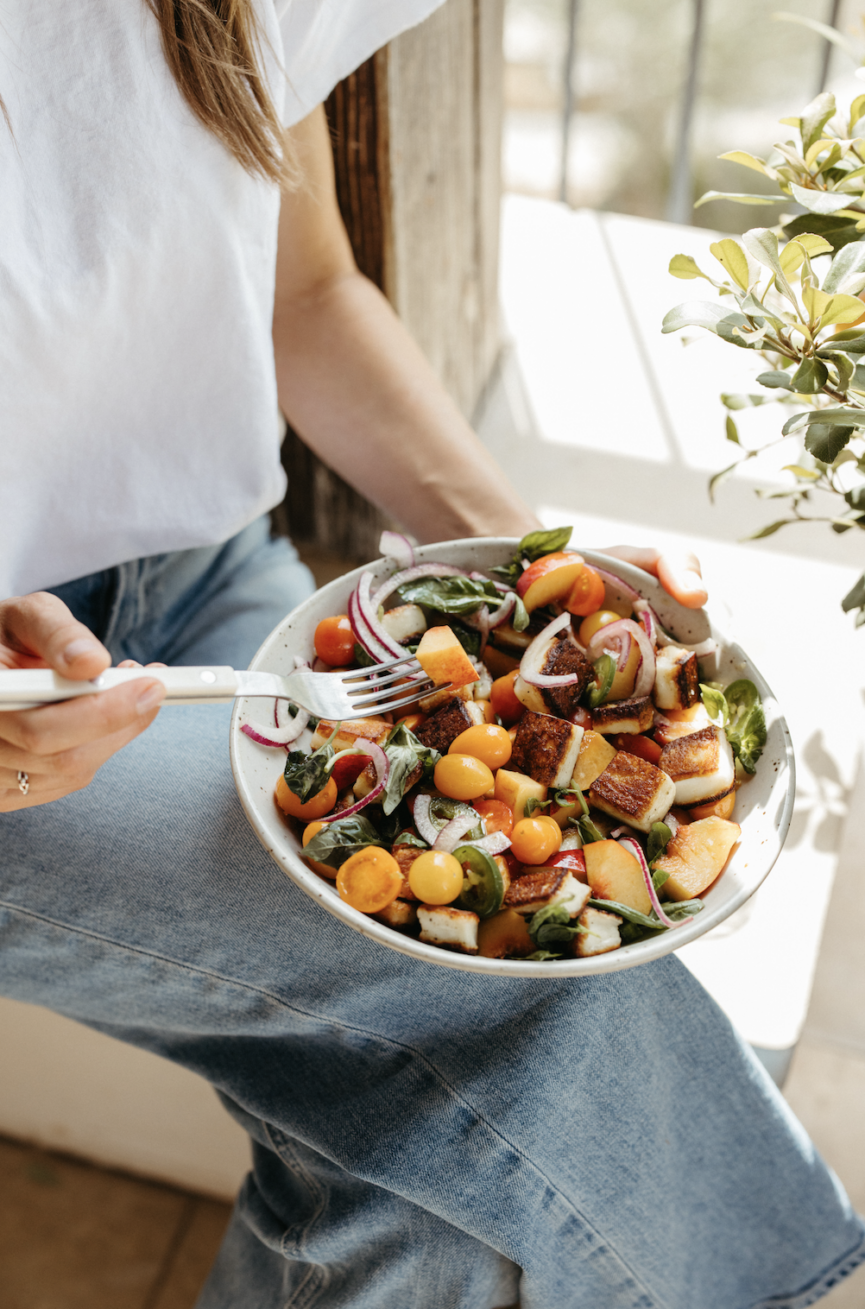
If you’ve spent the last few years optimizing your protein intake (great!), there’s a chance you’ve overlooked the nutrient that makes it all work better. Enter: fiber. It’s one of the most impactful nutrients for women’s health, but most of us aren’t getting nearly enough. As a nutrition consultant, I can’t tell you how often I see women who are doing so much right. Yet they’re simultaneously dealing with bloating, irregular energy levels, or stubborn hormonal symptoms. And 9 times out of 10, when we look at their fiber intake, there’s a gap. Let’s talk about how much fiber you need (we don’t fibermax around here), and simple ways to pair it with protein for meals that truly sustain you.


Why Fiber Deserves Way More Credit
Although fiber doesn’t get the same spotlight as protein or healthy fats, it subtly influences almost every system in your body. From digestion and blood sugar to hormones and immunity, fiber is foundational. It feeds the beneficial bacteria in your gut, helps regulate how quickly glucose enters your bloodstream, supports healthy estrogen metabolism, and keeps your digestive system moving efficiently.
How Much Fiber Do You Need?
Despite how important fiber is, the numbers tell a different story. The recommended daily intake for women is about 25 grams. Most American women are getting roughly 15. That 10-gram gap might not sound like a lot, but it’s enough to affect your energy, your hormones, and how well your body absorbs the nutrients you’re working so hard to eat.
The Benefits of Fiber for Women
Fiber does a lot more than keep you regular (although that matters, too!). Here’s a closer look at why it’s especially important for women.
1. Supports Gut Health From the Inside Out
If you’ve been investing in your gut health—probiotics, fermented foods, bone broth—fiber is the piece that ties it all together. Specifically, soluble fiber acts as a prebiotic, feeding the beneficial bacteria in your gut and helping them thrive. Without it, even the best probiotics won’t have much to work with. A well-fed microbiome means better digestion, less bloating, stronger immunity, and improved nutrient absorption.
2. Helps Balance Your Hormones
This is one of the most underappreciated benefits of fiber for women. Your liver metabolizes excess estrogen and packages it up to be eliminated through your digestive tract. But without adequate fiber, that estrogen can be reabsorbed back into the body instead of exiting. Over time, this can contribute to estrogen dominance—hello, PMS, breast tenderness, heavier periods, and mood swings. Fiber binds to that used-up estrogen in the gut and helps escort it out. For women navigating perimenopause, PCOS, or any kind of hormonal imbalance, fiber is a non-negotiable.
3. Stabilizes Blood Sugar
If you’ve ever eaten what you thought was a balanced meal and still felt a crash two hours later, fiber might be the missing variable. Soluble fiber slows the absorption of glucose into your bloodstream, which means more sustained energy throughout the day. This matters for more than just how you feel after lunch! Chronically unstable blood sugar is linked to increased inflammation, fat storage (especially around the midsection), and heightened cravings. Adding fiber to a meal is one of the simplest ways to smooth out that curve.
4. Keeps You Full
Fiber adds volume and staying power to meals without adding a ton of extra calories. It slows digestion, triggers stretch receptors in the stomach that send satiety signals to the brain, and prolongs the release of fullness hormones. If you find yourself grazing all afternoon or still feeling hungry after eating, it’s worth looking at how much fiber is on your plate—not just how much protein.
5. Reduces Inflammation
Many of the best sources of fiber (berries, leafy greens, oats, flaxseeds, cruciferous veggies, etc.) are also packed with antioxidants and anti-inflammatory compounds. And on a deeper level, fiber feeds gut bacteria that produce short-chain fatty acids, which help reduce inflammation in the gut lining and beyond. For women dealing with joint pain, skin issues, fatigue, or any chronic inflammatory pattern, fiber-rich foods are a powerful place to start.
Fiber Is Protein’s Best Friend
Here’s where I see the biggest disconnect. So many women are eating enough protein—which is fantastic—but they’re not pairing it with enough fiber. And that pairing is what makes the difference between a meal that holds you over for four hours and one that leaves you reaching for a snack by 2 pm.
Protein and fiber work through different satiety pathways. Protein stimulates hormones like PYY and GLP-1 that tell your brain you’re full. Fiber prolongs the presence of those very same fullness hormones. Together, they create a slow, sustained digestive process that keeps blood sugar steady and energy consistent.
Think of it this way: protein is the anchor of your meal. Fiber is what holds the anchor in place.
High-Fiber MVPs to Keep on Hand
Berries (raspberries are the fiber queen at about 8 grams per cup) Chia seeds (10 grams per 2 tablespoons) Lentils (about 15 grams per cooked cup) Avocados (10 grams per whole avocado) Broccoli, Brussels sprouts, and artichokes Oats, quinoa, and sweet potatoes Black beans and chickpeas Flaxseeds, almonds, and sunflower seedsEasy Fiber and Protein Meal Pairings
Instead of doing macro math, I like to keep things simple. Build your meals around a strong protein source, then layer in fiber. Here are some of my favorite pairings that come together quickly and taste amazing.
Breakfast
Greek yogurt + chia seeds + raspberries + a drizzle of raw honey Scrambled eggs + sautéed asparagus + crumbled feta + avocado on sourdough Protein smoothie with frozen cauliflower, flaxseed, a handful of berries, and almond butterLunch
Grilled chicken over a big bed of greens with roasted broccoli, quinoa, and tahini dressing Lentil soup with a side of crusty bread and a simple arugula salad Cottage cheese bowl with cucumber, cherry tomatoes, chickpeas, and everything bagel seasoningDinner
Salmon with roasted sweet potatoes and sautéed kale Falafels over a bed of fiber-rich pasta (chickpea or lentil-based) with tzatziki and roasted zucchini Black bean and veggie tacos with cabbage slaw and avocado cremaSnacks
Apple slices with almond butter Hummus with raw veggies and seed crackers A handful of almonds + a few dried apricotsSimple Ways to Eat More Fiber (Without Overhauling Your Diet)
If your fiber intake is on the lower side, start small. Jumping from 15 grams to 35 overnight is a recipe for bloating and discomfort. Instead, try these gentle shifts:
Add, don’t subtract. Sprinkle chia or flaxseeds on your yogurt. Toss a handful of spinach into your smoothie. Stir white beans into soup. These small additions compound quickly.
Swap strategically. Trade white rice for quinoa or brown rice. Choose sourdough over white bread. Use chickpea pasta instead of traditional pasta. Not every meal, but when it makes sense.
Eat your fruits and veggies whole. Juice strips out fiber. When you eat a whole apple versus drinking apple juice, you’re getting all the fiber that slows sugar absorption and feeds your gut. The same goes for blending whole fruits versus juicing them.
Front-load fiber at breakfast. Starting the day with a fiber-rich meal sets the tone for more stable blood sugar and better energy all morning. Overnight (grain-free) oats, a veggie-packed egg scramble, or a smoothie with greens and flaxseed are all easy wins.
Hydrate as you increase. Fiber needs water to do its job. As you eat more of it, make sure you’re drinking enough fluids to keep everything moving smoothly.
The Missing Link in Your Meals
Fiber isn’t the flashiest nutrient on the block. But when it comes to the benefits of fiber for women, the list is long—and it touches everything from gut health and hormones to blood sugar, satiety, and inflammation. If you’ve been focusing hard on protein (which, again, is great!), think of fiber as the missing teammate. The two work better together than either one does alone. Start with one small change this week (an extra serving of veggies with dinner or a sprinkle of ground flax on your yogurt) and let your body feel the difference.