The German city that has Berlin teetering on its trendy pedestal
Layla Nicholson swaps the capital for Hamburg and discovers an edgy city, perfect for a solo weekend away
 Koichiko
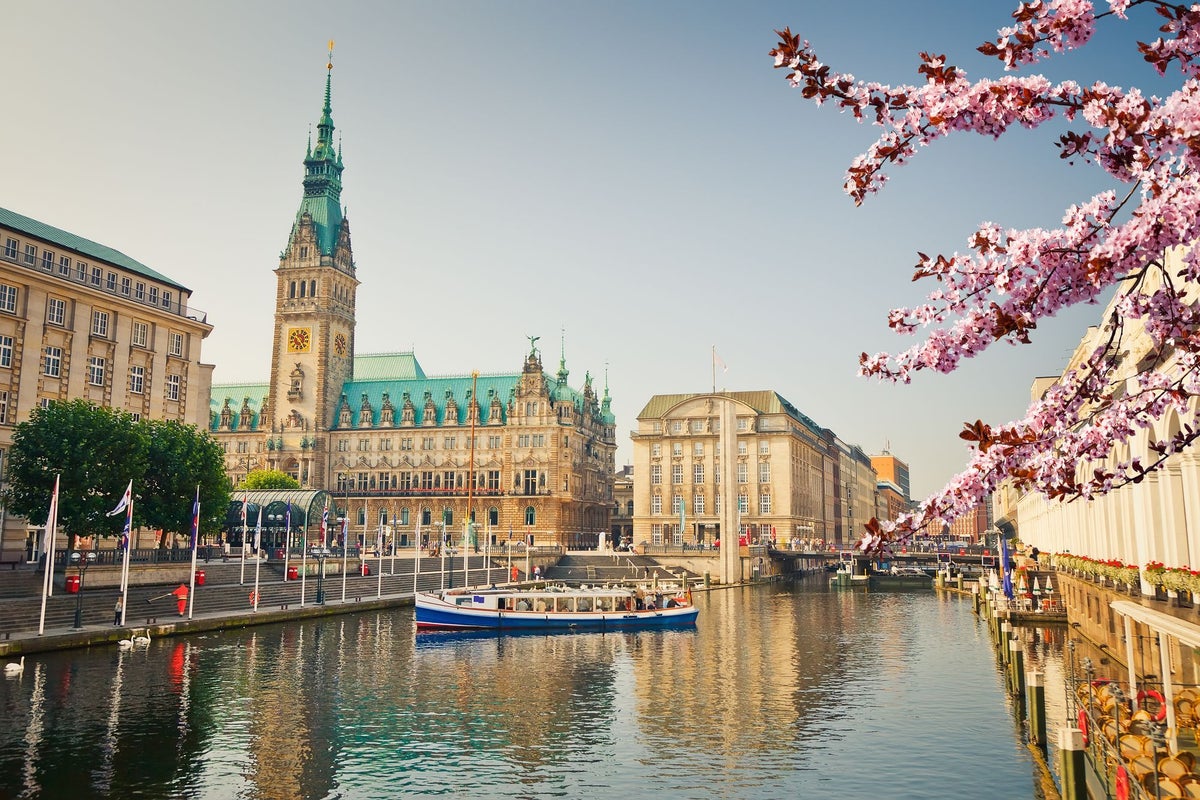
Visiting Berlin automatically gives you the stamp of cultural approval, but is this rival Hamburg just as brag-worthy? After just a flying visit, it’s not hard to think that this major port city has the capital teetering off the edge of its trendy pedestal.
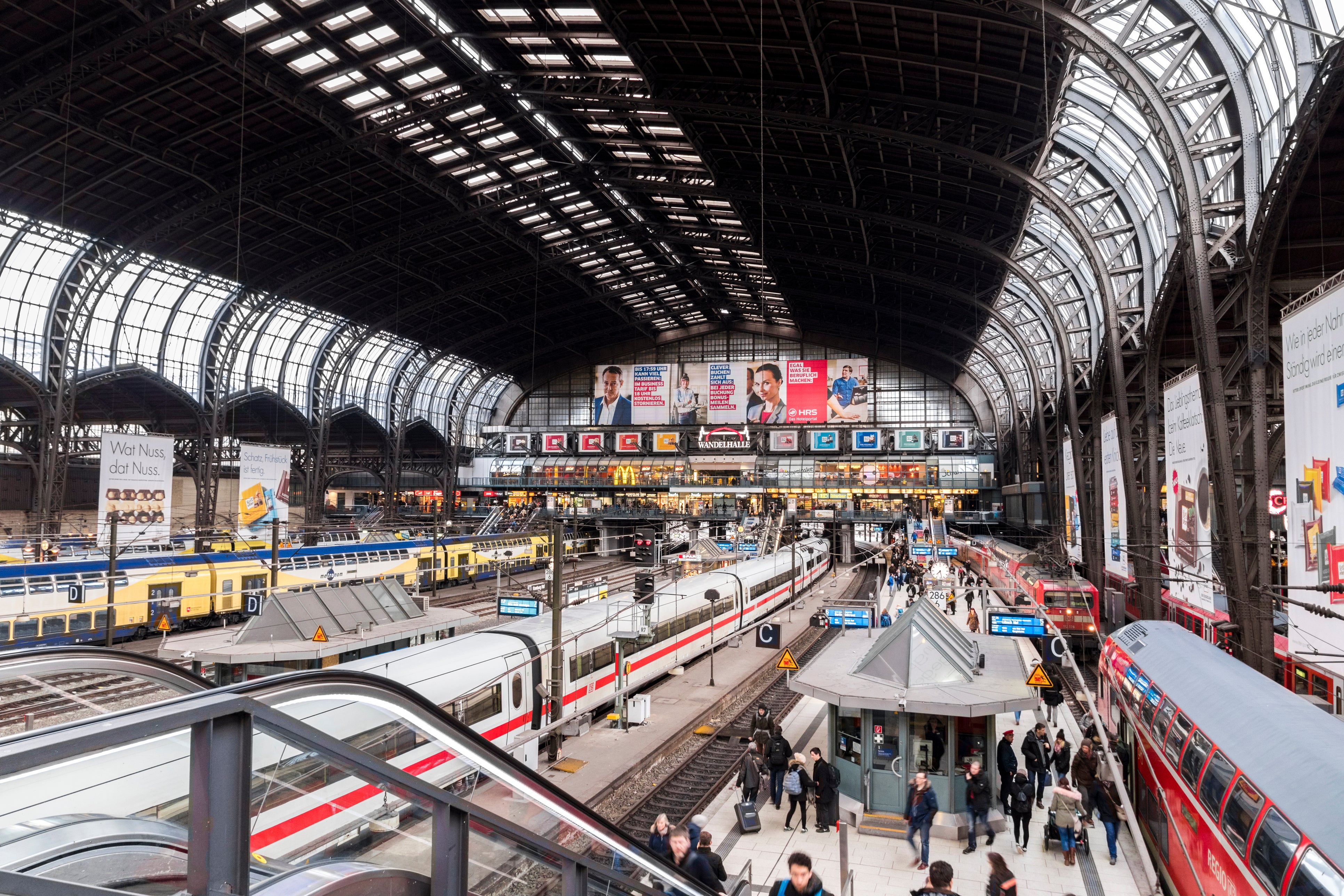
After a short flight from Stansted (and a convoluted train journey from the airport) I reached Hamburg Hauptbahnhof, the city’s main station impressed by its grandeur. Its Parisian-style glass roof presides over the second largest footfall of any European rail terminal. Bustling is an understatement.
However, lingering over the platforms was the logo of a global technology brand, firmly imposing itself on the scene. I started to fear that my alternative to Berlin might be overcommercialised and that I’d accidentally embarked on a trip to a tourist trap. My solution was to find injections of both culture and food, resisting the temptation of the glowing Golden Arches behind me.
Read more: The Morocco trip that helped me take my first step into solo travel
Once I left the station, my first glimpse of the city was reassuring. I was met with the remedial chimes of cyclists, without a conspicuous candy store in sight.
Hamburg’s architecture gives the canal city its exuberant character: brick expressionism stands sturdy, while Art Nouveau buildings are slotted among sleek postmodernist structures. It's green, too, with foliage thriving within the infrastructure. It immediately felt less rigid than Berlin.
It’s a decidedly outdoorsy city, which helps curate an intrinsic buzz. It was hard not to notice how stylish the locals were, especially as I lugged along with my underseat cabin bag like a cap-wearing turtle. In a bid to fit in with the 3pm wave of young creative types, I perched in a cafe with an iced matcha and a slice of pistachio cake.
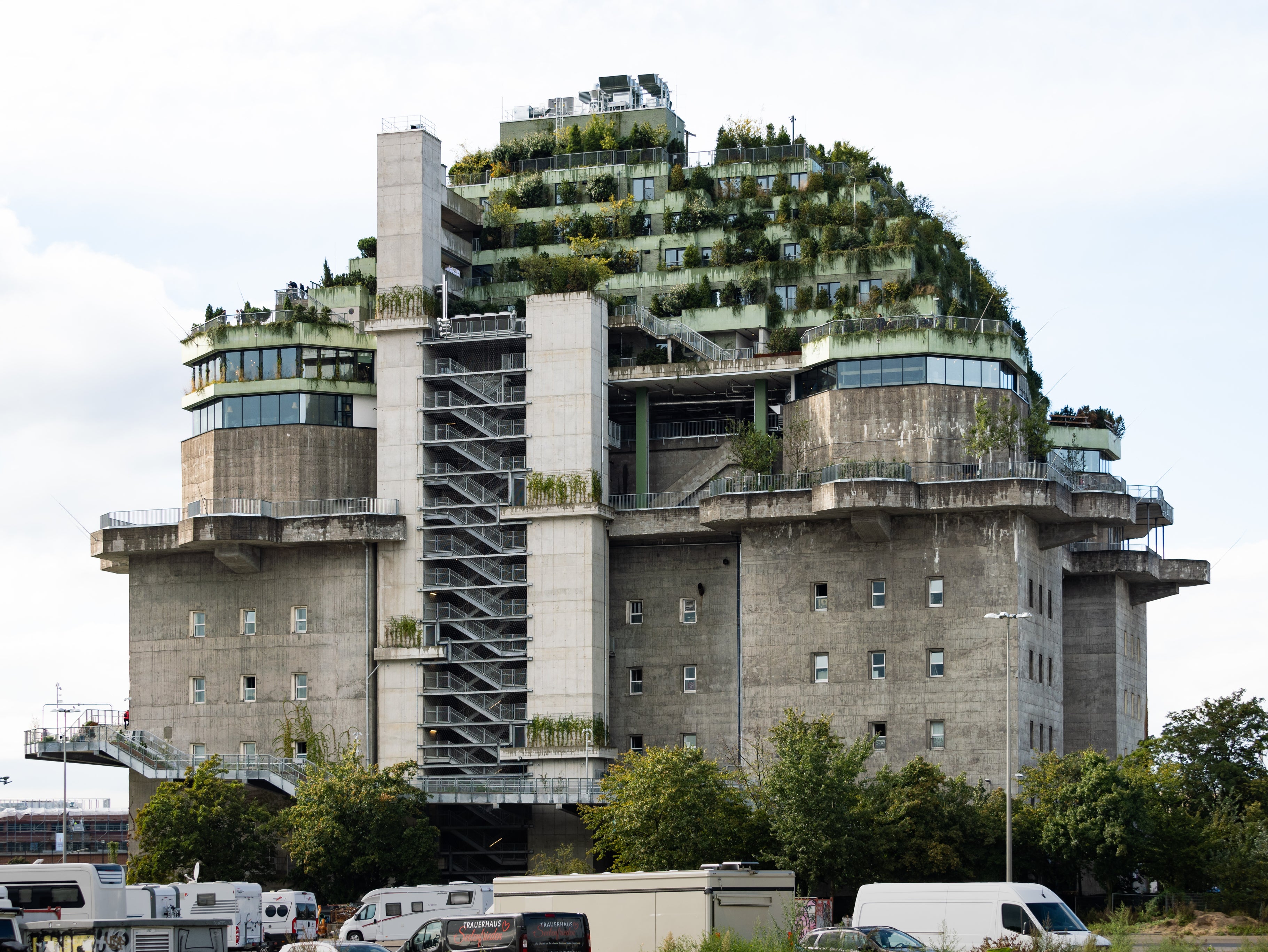
Hamburg is a city of balance, something that became most visually apparent after taking a bus through the edgy St Pauli district, famed for its “sinful” red district mile and, more noticeably, the foreboding Feldstrasse Bunker. The anti-aircraft building, built in the Second World War, has now been transformed into a culturally rich art space – and is an iconic part of the skyline. There’s no need to stop foot in the plant-adorned space to appreciate the enormity of it. It’s massive. Instead of Nazi artillery, it’s now home for some, with a roof garden – and pub – open to all. It also hosts Uebel & Gefährlich, a nightclub that hosts some of the most chic live music events in the city.
I was intrigued, but was moved elsewhere by the growing rumble of my stomach. A short bus ride away dropped me in between sleek Sternschanze and rebellious St Pauli, where I discovered Kiosques. The restaurant is an amalgamation of a bakery, osteria and wine bar, where everything on the menu is in lowercase – the ultimate signifier of cool.
The clientele of the neighbourhood pasta bar – fronted by Michelin-starred chef Fabio Haebel – matches the typography of the menu. Sophisticated. My bank account and I were equally thrilled to discover it doesn’t have Michelin-star prices.
Read more: Forget Lapland, you can explore Finland’s snowy wonderland just outside Helsinki
I perched on a lone stool and devoured a punnet of olives, a silver platter of spicy vodka rigatoni and German’s finest beverage, riesling. Sitting alone once was a marker of loneliness. Inside Kiosques’ industrial walls, however, I felt liberated. Hamburg will do that to you.
I headed back over the numerous canals, which are covered by more than 2,500 bridges. I was searching for the underground Gröninger beer hall, situated on the cusp of the redbrick Speicherstadt Unesco site – home to the world’s largest complex of warehouses.

The cavernous brewery dates back to 1793. I enjoyed a pint of pilsner from a wooden barrel (but drew the line at the bar snacks, which included pig knuckle.) Then it was time to trot back to modernity. I walked to my hotel during golden hour, with the sun gleaming off the iceberg shaped Elbphilharmonie concert hall.
Pockets of street art and al fresco drinkers lined my route, but I never felt as if I was wading through a sea of tourists – unlike in Berlin. I still felt safe. Hamburg has the hedonism of the capital, but it manifests itself in a more refined manner.
Those who want to appear cool might be eager to declare themselves a Berliner, but, in 2026, I suggest you wear the badge of a Hamburger instead.
It has that irresistible mixture of culture, history and style, with none of the crowds. I know I’ll be back for my second bite of the action soon.
How to do it
Ryanair flies from London Stansted to Hamburg, with prices starting at £44 return. Flights take around one hour and 45 minutes.
Where to stay
Superbude Hamburg St Pauli is situated in the heart of the action, and is all about music, art and community. It’s decorated with upcycled furniture and hosts drinks in the evenings. Rooms from £67 per night.





















.webp?trim=0,0,0,0&width=1200&height=800&crop=1200:800)