The Karmic Causality of Generosity
On seizing the opportunity to make offerings and be charitable, in this lifetime and the next The post The Karmic Causality of Generosity appeared first on Tricycle: The Buddhist Review.
 JimMin
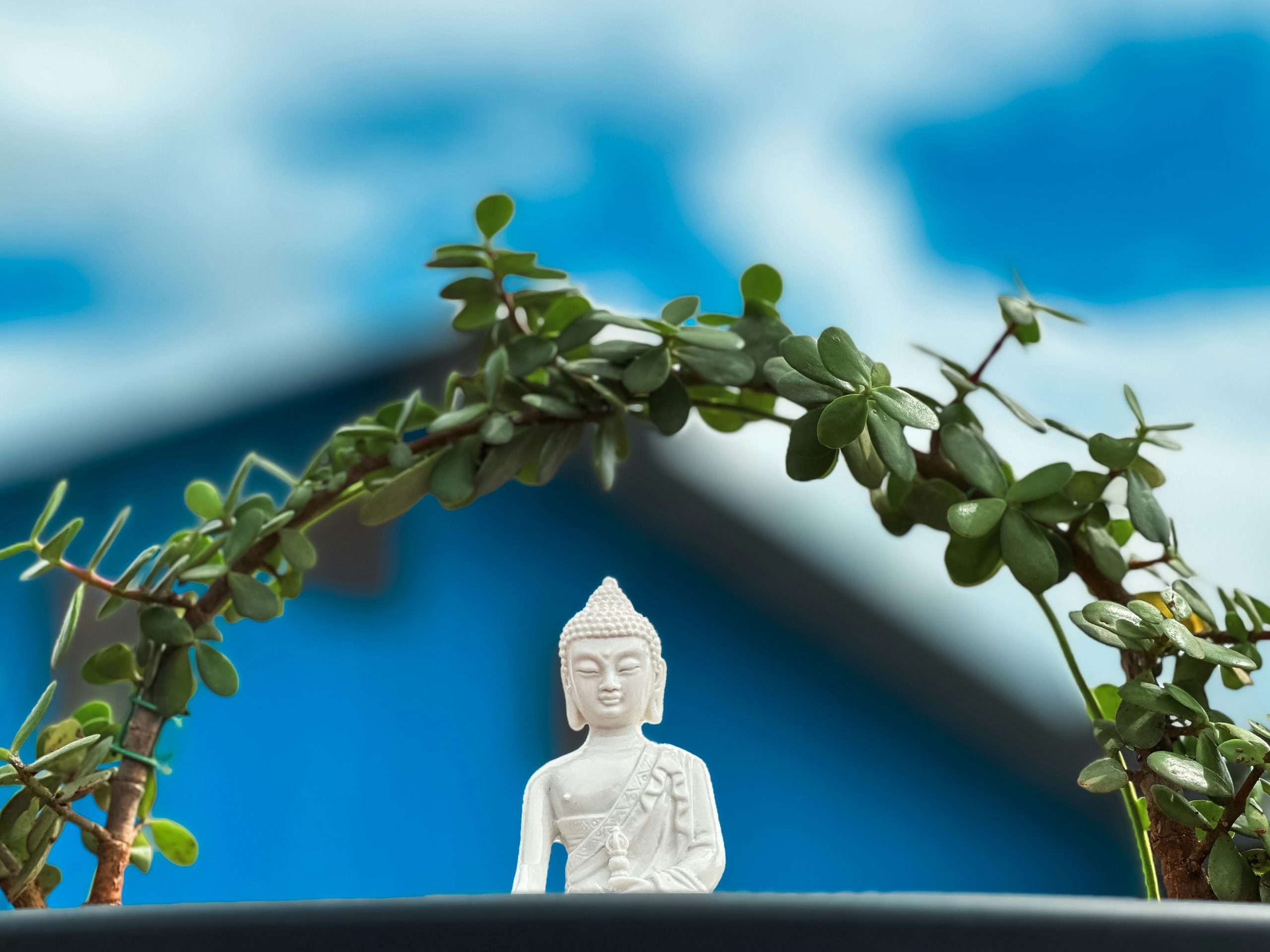
On seizing the opportunity to make offerings and be charitable, in this lifetime and the next
 Photo by Nandha Kumar
Generosity is a cause; it is a seed for future results; it is a way to accumulate merit. Without the accumulation of merit—in other words, without having created positive causes—you will not obtain a good result. Generosity will bring you good results now, in your next life, and all the way up to the attainment of buddhahood. If you are generous now, in your next life there is no possibility that you will lack food, clothing, and other necessities. Thus, generosity is necessary from a temporary point of view; it is a cause for good conditions in samsara. An excellent life, a human life, is the result of ethical conduct; but the good conditions you experience in that life are the results of generosity. So generosity is the way to prepare for your next life.
You can give material things to two different spheres. These are referred to as upper and lower fields of generosity. The upper field consists of the Sangha, bodhisattvas, arhats, and buddhas. Animals and ordinary people in need are the lower field. Corresponding to these two fields are two types of generosity: making offerings and charity respectively. You make offerings to the upper field because they have superior qualities. Their function is to benefit sentient beings, so giving to them creates merit. When you understand causality and the concept of merit you make offerings. People who don’t understand causality may think your offerings are a waste of good food. The lower field are those who are in need, who are suffering, and who need support. Giving them what they need is charity. Charity practiced with good motivation, with a delighted mind, also creates merit.
How wonderful it is to have the opportunity to be charitable and make offerings. Being happy to give is generosity. You should be generous in a respectful manner. You should not feel that you are superior to others because of your generosity. Giving just a morsel of food with a good attitude is better than making huge offerings with a poor attitude. After you give you should feel joyful. You shouldn’t regret having made a gift or an offering. Don’t think, “Oh, I shouldn’t have done that. If I hadn’t given that away I wouldn’t be poor now.” You should rejoice that you were able to have done that. This is an especially wonderful attitude because we live in a world where so many are motivated by greed, miserliness, and avarice. Taking delight in finding the opportunity to make offerings to the upper field and to be charitable to the lower field is the bodhisattva attitude.
Generosity isn’t giving away all your material possessions; it is the mind being joyful and wanting to give.
The nature of generosity is to abandon the stain of stinginess in your mental continuum. The essence of generosity is to joyfully give without stinginess. Generosity isn’t giving away all your material possessions; it is the mind being joyful and wanting to give. It is making an effort to give; it is going out of your way to be able to do it with your own hands.
Lay people in particular can practice generosity. Engaging in meditation and other practices may be difficult for a lay person. When you see people who are tied up in stinginess and miserliness it is a good to help them to loosen a little bit and see the benefits of generosity. You don’t need to tell them about future lives, or Buddhism, in any way at all. It doesn’t matter if they have no belief in karmic causality. Causality functions whether you understand it or not. You should explain that everybody wants other people to like them. If they use their wealth to please others, they will be appreciated and that will bring them joy. In this way you can lead others to practice generosity.
In conclusion, mindfulness of generosity is to remember the nature of generosity, the benefits of generosity, and the undesirable results of the opposite of generosity. You recollect this until you attain Buddhahood. The twelfth-century Indian master Dhārmika Subhūtighoṣa said,
The wise praise those who practice generosity.
Ordinary people prefer to accumulate things:
but no matter how they hold on, there is nothing that isn’t lost.
But giving things away always brings excellent results.
[String of Lights: A Compilation of Bodhisattva Practices]
◆

© 2023 by Geshe Lhundub Sopa, Nagarjuna’s Advice for Buddhists: Geshe Sopa’s Explanation of Letter to a Friend. Reprinted by arrangement with Wisdom Publications.

Thank you for subscribing to Tricycle! As a nonprofit, we depend on readers like you to keep Buddhist teachings and practices widely available.
This article is only for Subscribers!
Subscribe now to read this article and get immediate access to everything else.
Already a subscriber? Log in.