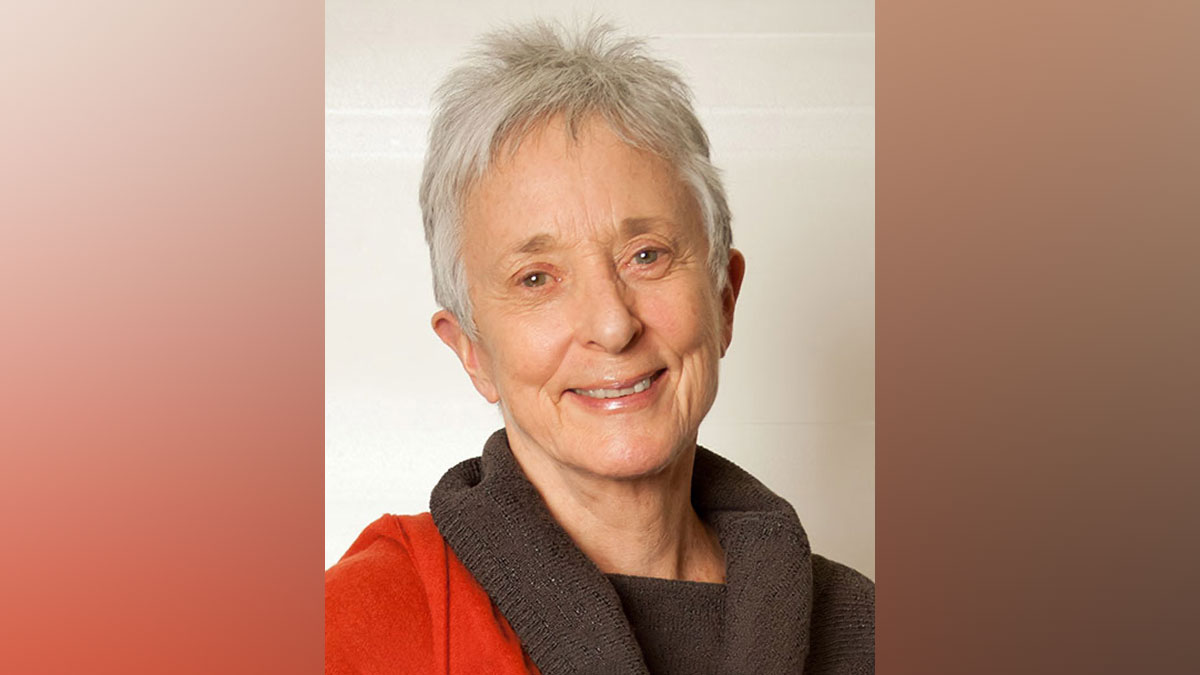
The Thirteenth Supreme Patriarch of Bangladesh, Ven. Jnanashree Mahathera, Has Died
Affectionately known as the “father of orphans,” the accomplished monk is remembered for his scholarship, generosity, and compassion. The post The Thirteenth Supreme Patriarch of Bangladesh, Ven. Jnanashree Mahathera, Has Died appeared first on Tricycle: The Buddhist Review.
 Kass
Kass

Affectionately known as the “father of orphans,” the accomplished monk is remembered for his scholarship, generosity, and compassion.

A luminous Bangladeshi monk and teacher whose life embodied the dhamma in action, Dr. Jnanashree Mahathera, also known as Sangharaj Bhante, passed away on November 13, 2025, just days before what would have been his 100th birthday. For nearly a century, Dr. Jnanashree’s presence was a steady light—calm, compassionate, and unwavering—guiding countless people toward a life of service, discipline, and loving-kindness.
Born Loknath Barua on November 18, 1925, in the village of Uttar Gujra Domkhali in Raojan Upazila, Chittagong, Bangladesh, he was the son of Premlal and Menka Barua. Even as a child, Dr. Jnanashree was noted for his quiet demeanor and gentle spirit, and by his late teens, he had turned toward renunciation, seeking a life devoted to spiritual practice and communal welfare. In 1944, he took monastic vows and received the name “Jnanashree,” a Bangla name meaning “Beauty of Knowledge” or “Radiant Wisdom”—an apt name for a man who would spend his life illuminating the lives of his followers through understanding and compassion.
After receiving full monastic ordination in 1949, Dr. Jnanashree committed himself to a disciplined path of study, practice, and service. Over eight decades he cultivated a rigorous personal practice, while opening doors for others to learn and grow. Over the course of his vocation, he served as the abbott of various important monasteries across the country. In 1988, he became principal of the monastery Binajuri Swashan Vihara, a position he held with humility and tireless dedication. Under his stewardship, the vihara became more than a place of ritual; it became a center for disciplined practice, compassionate outreach, and community renewal, where spiritual formation and social care advanced together.
Dr. Jnanashree saw no divide between inner liberation and outward service. To him, true spiritual practice naturally matured into compassionate action: feeding the hungry, sheltering the homeless, educating the young, and caring for the elderly. He championed compassionate almsgiving and taught that generosity is itself a path to awakening. Through this ethic, he strengthened community bonds and encouraged a shared responsibility for the vulnerable.
Dr. Jnanashree’s compassionate vision took institutional form through a remarkable number of projects he developed, which include establishing three religious educational centers and six monasteries, founding four higher-secondary schools and six orphanages, creating a Tripitaka Propagation Board and Child Welfare Program, and opening an old-age home. Dr. Jnanashree also helped found an International Center for Philosophical Thought and the Buddhist Shasna Kalyan Trust. In addition, he launched the quarterly Dharmayatan paper. These institutions and outlets provided education, shelter, and spiritual guidance to thousands—so many that the community affectionately called him the “father of orphans.” His work built practical supports for life’s fragility and created lasting channels for Buddhist learning and humanitarian care.
Dr. Jnanashree promoted Pali studies and Buddhist philosophy both at home in Bangladesh and abroad, sharing scholarship with humility and earning respect across national borders. His contributions were recognized with many honors: The Government of Bangladesh awarded him the prestigious “Ekushey Padak” in 2022 in recognition of his outstanding social contributions, the Government of Myanmar conferred the title “Agra Mahapandit” that same year, and in 2007, Mahachulalongkornrajavidyalaya University in Thailand bestowed upon him an honorary doctorate. Each honor acknowledged not only his erudition but also his steadfast commitment to the welfare of others.
 Image via Facebook
Within the Buddhist community, Dr. Jnanashree held singular esteem. On May 20, 2020, the highest body of Buddhist monks of his area, known as the Bangladesh Sangharaja Bhikkhu Mahasabha, conferred upon him the title “Sangharaja,” roughly meaning “King of the Monks,” honoring his decades of learning and leadership. Numerous organizations at home and abroad awarded him medals, titles, and tokens of respect—each a testament to the reach and depth of his life’s work.
Yet for all the awards he received and institutions he helped to create, those who knew him best speak of his personal presence as his most lasting contribution: as a patient teacher, a compassionate neighbor, and an unassuming leader who embodied humility. Dr. Jnanashree taught by example—how to live simply, how to hold discipline without harshness, and how to fold compassion into everyday life, and his lessons on friendship, service, and selfless care continue to ripple through the communities he served.
Though Dr. Jnanashree Mahasthavira has departed this world, his legacy endures in the lives he transformed and the institutions that carry forward his mission. He left behind not only buildings and programs but also a lived ethic: to practice generously, to serve without expectation, and to cultivate inner steadiness even amid life’s uncertainty. In that spirit we offer our humble respects and pray that he attains the bliss of nibbana.
May his life remain an inspiration—calling us to compassionate action, disciplined practice, and steady devotion to the welfare of all beings.

Thank you for subscribing to Tricycle! As a nonprofit, we depend on readers like you to keep Buddhist teachings and practices widely available.