These Foods & Nutrients Help Reduce Water Retention & Everyday Puffiness
Here's how.
 Konoly

Registered Dietitian Nutritionist
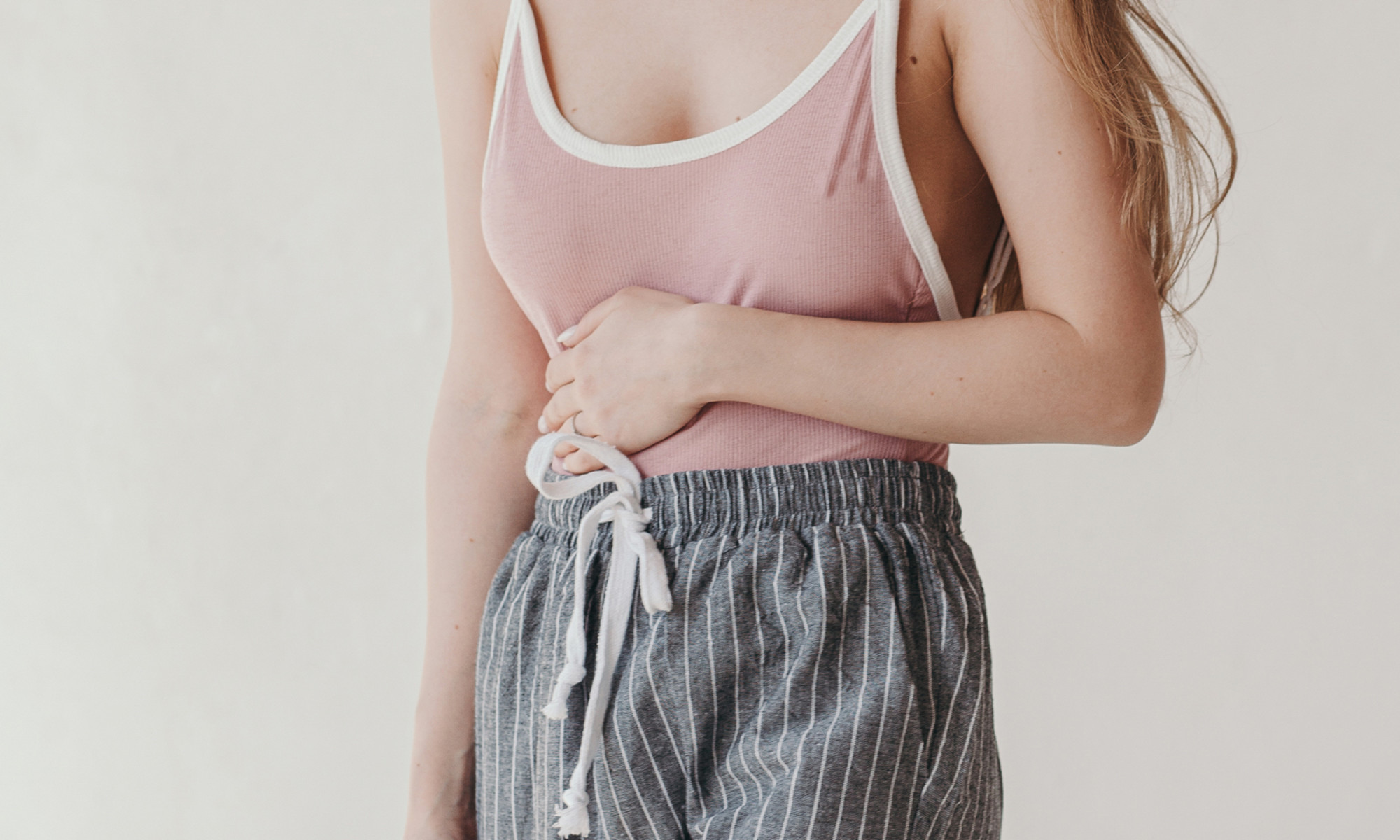
Image by Sergey Filimonov / Stocksy April 04, 2026 We've all woken up feeling a little puffier than usual—maybe after a salty dinner, a few glasses of wine, or during certain times of the month. This type of everyday puffiness is usually due to shifts in fluid balance. However, there are certain things that increase the likelihood of unwanted fluid retention as well as a few tips to help counter it when it does arise. Here's what's actually going on and what you can do about it.
Why water retention happens
Feeling like you're retaining water is frustrating. Yes, it can change slightly change your physical appearance, and it also impacts how you feel and move.These are some of the most common culprits (or reasons) that you may retain extra water some days.
Excess sodium: When you eat more salt than usual, your body holds onto water to dilute the sodium and maintain balance.
Hormonal shifts: If you menstruate, you may notice more bloating at certain points in your cycle. Research1 shows that swelling and bloating can increase two- to threefold during early phases of the menstrual cycle compared to other times in the cycle. Bloating and water retention are also recognized physical symptoms2 associated with PMS.
Heat: Warmer temperatures cause blood vessels to expand, which can lead to fluid pooling—especially in your hands, feet, and ankles.
Alcohol: While alcohol itself is dehydrating3, your body often overcompensates afterward by retaining more water than usual.
1.
Reach for potassium-rich foods
This essential mineral helps balance sodium levels in the body and signals your kidneys to excrete excess fluid.
Food and snack ideas rich in potassium include:
2.
Eat foods with natural diuretic properties
Certain foods have natural diuretic properties, meaning they gently encourage your body to release excess water. Some of the best options include watermelon, cucumbers, celery, and asparagus.
They're also incredibly hydrating. Watermelon and cucumbers, for example, are made up of more than 90% water.
These foods are also especially helpful in warmer weather or after travel, when dehydration and fluid shifts are more likely.
3.
Stay hydrated (yes, really)
It might sound counterintuitive, but staying hydrated is actually an important part of reducing water retention. When you're dehydrated, your body holds onto the water it has. Drinking enough fluids signals to your body that it's safe to release excess water.
Aim to sip water throughout the day rather than chugging large amounts at once. And don't forget that hydrating foods (like the watermelon, cucumbers, and celery we just talked about) count toward your fluid intake too.
Protein helps maintain fluid balance4 by supporting healthy circulation and preventing fluid from leaking into surrounding tissues.
If you’ve ever felt puffier after a day of mostly snacks or carbs, a lack of protein could be part of the picture.
Try incorporating protein evenly throughout the day with options like:
When to pay closer attention
Occasional puffiness like this can be completely normal. But if you’re experiencing persistent, painful, or severe swelling, it could be a sign of something else (like circulation issues or an underlying condition) and it’s worth checking in with a healthcare provider.
The takeaway
Water retention happens to everyone. Just remember that your body is constantly working to maintain balance. By choosing foods that support hydration, electrolyte balance, and circulation, you can help it do that more efficiently.