This Protein-Rich Food Was Linked To A Longer Life In A Study Of 90,000+ Adults
Are you eating it?
 Fransebas

Registered Dietitian Nutritionist
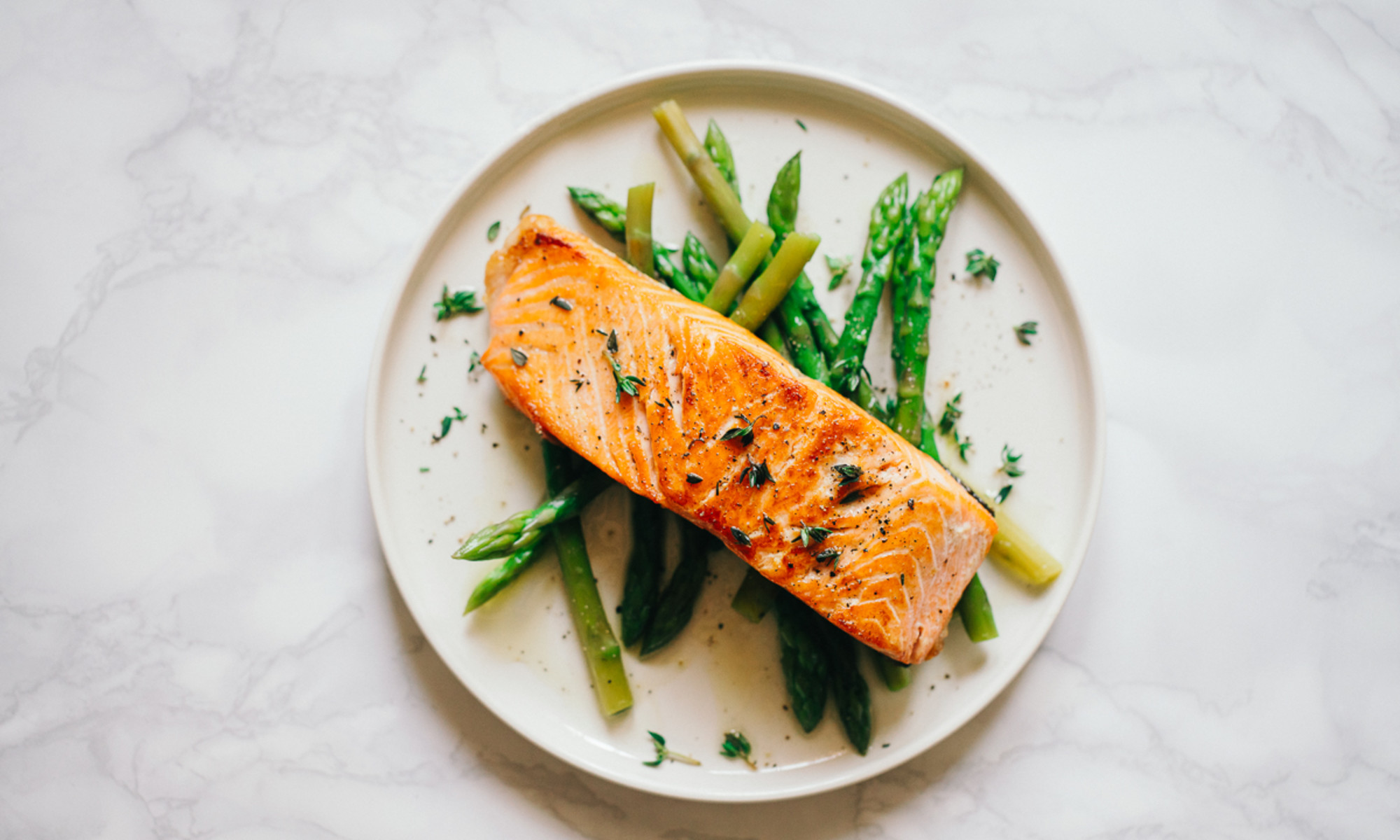
Image by David Illini / Stocksy August 08, 2026 When it comes to foods that support long-term health, few have been studied as extensively as fish. Rich in high-quality protein, essential nutrients like vitamin D and selenium, and (in certain varieties) omega-3 fatty acids, fish has long been a staple of heart-healthy eating patterns. But a new study1 suggests that the relationship between fish intake and longevity may depend on what kind of fish you’re eating, and how it’s prepared.
About the study
The objective of this study was to investigate how different types of fish and shellfish intake (including unsalted fish, omega-3-rich fish, and marine-derived omega-3 fatty acids) were associated with all-cause and cause-specific mortality in a Japanese population.
Researchers analyzed data from 90,944 adults (42,150 men and 48,794 women) who participated in the Japan Public Health Center-based Prospective Study. Participants completed a validated food frequency questionnaire between 1995 and 1998 to estimate their usual dietary intake.
The researchers then categorized participants into groups based on their intake levels and followed them for an average of 20.8 years, tracking deaths from all causes as well as specific causes, including cancer, cardiovascular disease, and cerebrovascular disease (conditions affecting blood flow to the brain, such as stroke).
Because Japan has one of the highest average fish consumption rates worldwide, the researchers were also interested in whether the type of fish consumed mattered. In particular, they looked at unsalted fish separately from salted fish, since salted varieties can contribute significant amounts of sodium to the diet.
Moderate fish intake was linked to lower mortality risk in women

After adjusting for potential lifestyle and health factors, researchers found that women who consumed moderate amounts of fish and shellfish had the lowest risk of all-cause mortality.
Compared to women with the lowest intake, those in the fourth-highest intake group had an 8% lower risk of death from any cause.
The researchers also found that women who consumed more omega-3-rich fish had lower risks of both all-cause mortality and cerebrovascular disease mortality. This category included fish naturally high in omega-3 fatty acids, such as fatty fish varieties.
Among men, higher intake of unsalted fish and shellfish was associated with a lower risk of death from cerebrovascular disease. Compared to men with the lowest intake, men with higher intakes had approximately 16% to 23% lower risks of cerebrovascular disease mortality across several intake groups.
However, researchers did not find that eating the highest amount of fish was always associated with the lowest mortality risk. Instead, the benefits appeared to level off, suggesting that a moderate intake may be enough to capture many of fish’s health benefits.
Adding more fish to your diet
Fish can be a nutrient-dense addition to an overall healthy diet—but you don’t need to eat it at every meal to reap potential benefits.
When choosing fish, prioritize varieties that are naturally rich in omega-3 fatty acids. These healthy fats have been linked to several aspects of health, including supporting heart health and helping maintain a healthy inflammatory response.
Some of the best omega-3-rich fish options include:
Lower-fat fish like cod, tilapia, and haddock can also be healthy choices, providing lean protein and important micronutrients.
For most adults, it's recommended to eat 2 to 3 servings (8 to 12 ounces total) of a variety of lower-mercury seafood each week. Choosing a mix of seafood helps provide a range of nutrients while limiting exposure to environmental contaminants.
Preparation matters, too. This study specifically separated unsalted fish from salted varieties, and the researchers noted that high sodium intake may offset some potential benefits. Opt for grilled, baked, roasted, or lightly sautéed fish more often than heavily salted or processed options.
What about omega-3 supplements?
While eating whole fish provides more than just omega-3s—including protein, minerals, and other bioactive compounds—supplements can be a useful option (even for those who eat seafood regularly). Omega-3 supplements provide a therapeutic dose of EPA and DHA omega-3s, that's hard to get through diet alone.* This is our favorite omega-3 supplement (because it's optimized for absorption and there's zero fishiness).
The takeaway
Fish remains one of the most consistently studied foods for supporting healthy aging. Adding more omega-3-rich, minimally processed fish to your weekly routine is an easy way to support your long-term health. But you don’t need to overhaul your diet overnight—small, sustainable additions (like swapping a less nutrient-dense protein source for salmon or sardines once or twice a week) can add up over time.
If you are pregnant, breastfeeding, or taking medications, consult with your doctor before starting a supplement routine. It is always optimal to consult with a health care provider when considering what supplements are right for you.


























.jpg&h=630&w=1200&q=100&v=c0f97a310e&c=1)