This Type Of Food May Be Making Lipedema Symptoms Worse For Women
Researchers linked one type of food to worse symptoms in women.
 Kass
Kass

July 06, 2026 For a condition that affects millions of women, lipedema is remarkably misunderstood. It is mistaken for obesity, dismissed as a lifestyle issue, and frequently missed altogether. It's a chronic condition marked by disproportionate, often painful fat accumulation in the legs and arms, with strong hormonal and inflammatory roots. It doesn't respond to calorie restriction the way typical body fat does. New research1 is pointing to something that could make a real difference in how it's managed: what you eat.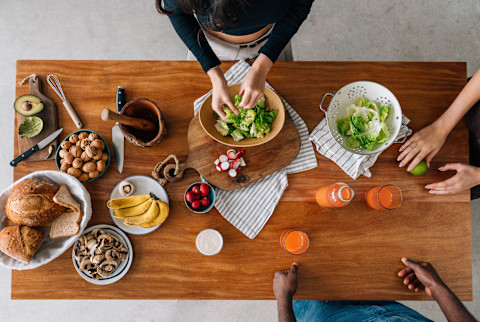
About the study
Researchers recruited 86 women between the ages of 18 and 45, all with a confirmed lipedema diagnosis across stage 1, stage 2, and stage 3 of the condition.
Using a detailed food questionnaire, the team looked at three things: how much ultra-processed food each woman was eating, how inflammatory her overall diet was, and how closely she followed a Mediterranean eating pattern.
They also tracked pain levels, physical quality of life, body composition, and blood markers of inflammation. The goal was to see whether diet quality showed up in the clinical picture, and it did.
What the research found
Women with more advanced stages of the disease tended to eat more ultra-processed foods, about 28% of daily calories in stage 1, rising to over 41% in stage 3, and showed lower Mediterranean diet adherence.
Blood markers of inflammation were also higher at more advanced stages.
When researchers accounted for other variables, both higher ultra-processed food intake and a more inflammatory overall diet were independently linked to greater pain.
A more inflammatory diet was also independently linked to higher inflammation in the blood. Greater Mediterranean diet adherence was independently linked to better physical quality of life.
Why diet quality may matter for lipedema
Lipedema involves ongoing, low-level inflammation in fat tissue, problems with small blood vessels, and impaired lymphatic drainage.
All of these can amplify pain and drive the condition forward, which is likely why eating patterns showed up so clearly in this data.
Ultra-processed foods are well-established contributors to inflammation.
For women with lipedema, whose bodies are already dealing with elevated inflammation, a diet heavy in these foods may be making things harder.
The Mediterranean diet works in the opposite direction, rich in anti-inflammatory compounds that help keep inflammation in check.
Eating for less inflammation
Two dietary patterns stood out as meaningful levers for women with lipedema:
The takeaway
For women with lipedema, what's on the plate may matter more than previously thought.
Diets high in ultra-processed, inflammatory foods are linked to worse pain, higher inflammation, and more severe disease, while a Mediterranean-style eating pattern is associated with better physical quality of life.
The research reinforces the idea that improving diet quality could play a meaningful role in managing symptoms.