Tokyo lets AI play matchmaker, and hundreds of couples have already tied the knot
Tokyo's AI-powered dating app has produced 265 marriages since 2024, as the city tries an unusual government-led fix for Japan's worsening birth rate crisis.
 Kass
Kass

Tokyo's government-built AI matchmaking app has led to 265 marriages so far.
 Igor Omilaev / Unsplash
Government-run dating apps sound like something out of a policy white paper. Tokyo built one anyway, and it’s already helping turn AI matches into real marriages (via Tech Xplore).
So how does this app actually work?
The Tokyo government launched Tokyo Enmusubi in September 2024, an AI-powered matchmaking app, with a pretty serious objective: combatting Japan’s plummeting birth rate. The idea came from a survey, which showed roughly 70% of people who wanted to marry simply weren’t actively dating.
 Representative Image (AI-generated)
To keep things on track, anyone joining had to prove they were legally single and pass an online interview before getting matched. As of June 30, 2026, the app had grown to 16,000 registered members, which, to my surprise, has been filtered down from around 36,000 applicants.
What’s even more interesting is that 760 couples, people who met through the app, are now in “serious relationships,” according to government data released this month. The total marriage count, so far, is 265.
One user, going by “Turtle,” said she joined “as a last chance” near her 40th birthday, met her now-husband in late August, entered a serious relationship by mid-September, and accepted his proposal by December.
 Unsplash
Why does Tokyo need an app for this?
Another user, “Skytree,” credited the app’s compatibility scoring for pushing him to actually meet people: “Even if you are unsure whether to meet someone, a high compatibility rating will give you the encouragement you need.” As for why the government released it, the answer lies in Japan’s birth rate crisis.
Births to Japanese nationals hit a record low of 671,236 in 2025, the tenth straight annual decline. Deaths, on the other hand, came in at more than double that: 1.6 million. The fertility rate dipped slightly to 1.14, though marriages did tick up.
Apart from the birth rate situation, it is the state-owned dating app angle that makes this development quite unique. It’s a sign of just how urgently Japan’s demographic crisis has pushed policymakers into territory usually left to private tech companies.

For more than five years, Shikhar has consistently simplified developments in the field of consumer tech and presented them…
Apple’s new Upgrade program lets you lease an iPhone, Mac, Watch, and iPad
Launched in partnership with Klarna, the new program gets you an iPhone for as little as $17.99 a month.

Apple has officially launched Apple Upgrade, a leasing program that lets customers pay monthly for an iPhone, iPad, Mac, or Apple Watch instead of buying the device outright. The program went live today on Apple's website in partnership with Klarna, replacing the iPhone Upgrade Program that Apple has offered since 2015.
What you can lease and what it costs
Chuwi CoreBook Air review: A rewarding budget laptop that wants you to cross the brand boundary
Chuwi's CoreBook Air is a relatively unknown, but a heavy-hitting budget machine for the AI-first computing era.

View at Chuwi
Quick verdict
AI’s latest problem is deepfake disaster content for farming engagement
Fake and recycled videos from disasters in Venezuela and China are making social media feeds harder to trust when people need accurate updates quickly
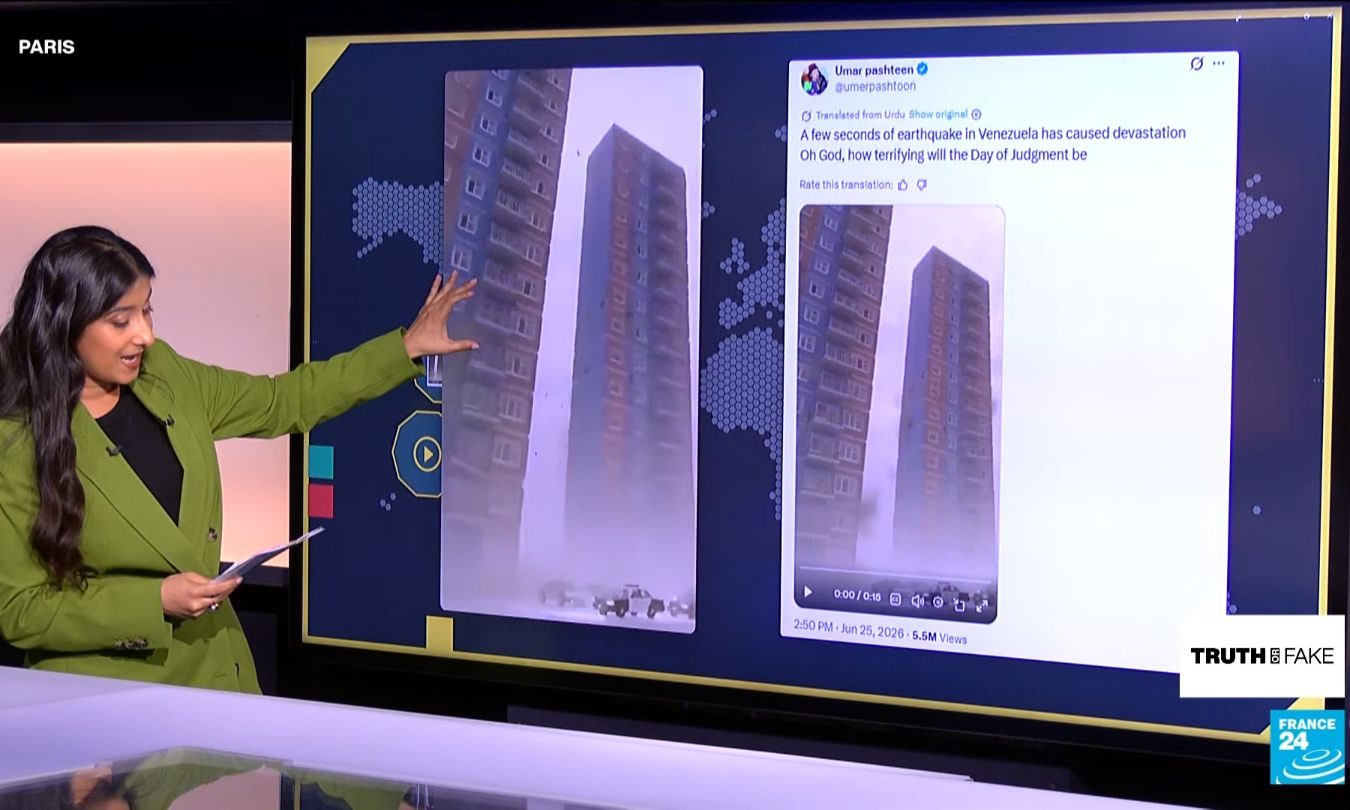
Social feeds around the earthquakes in Venezuela filled with recycled footage and AI-generated destruction. Severe weather in China attracted its own wave of AI disaster videos, including fabricated flood scenes and false reports of power outages.
It creates an ugly race. People want immediate evidence of what happened, and AI slop can deliver something dramatic before reliable information catches up. Authentic updates are left competing with fiction precisely when confusion can send people scrambling for answers.