Tourist taxes are coming to the UK – is your city next?
Edinburgh has become the first UK city to charge visitors a tourist tax – but with Glasgow, Aberdeen and Cardiff set to follow, the levy is only the beginning, as Global Travel Editor Annabel Grossman reveals in the latest...
 FrankLin
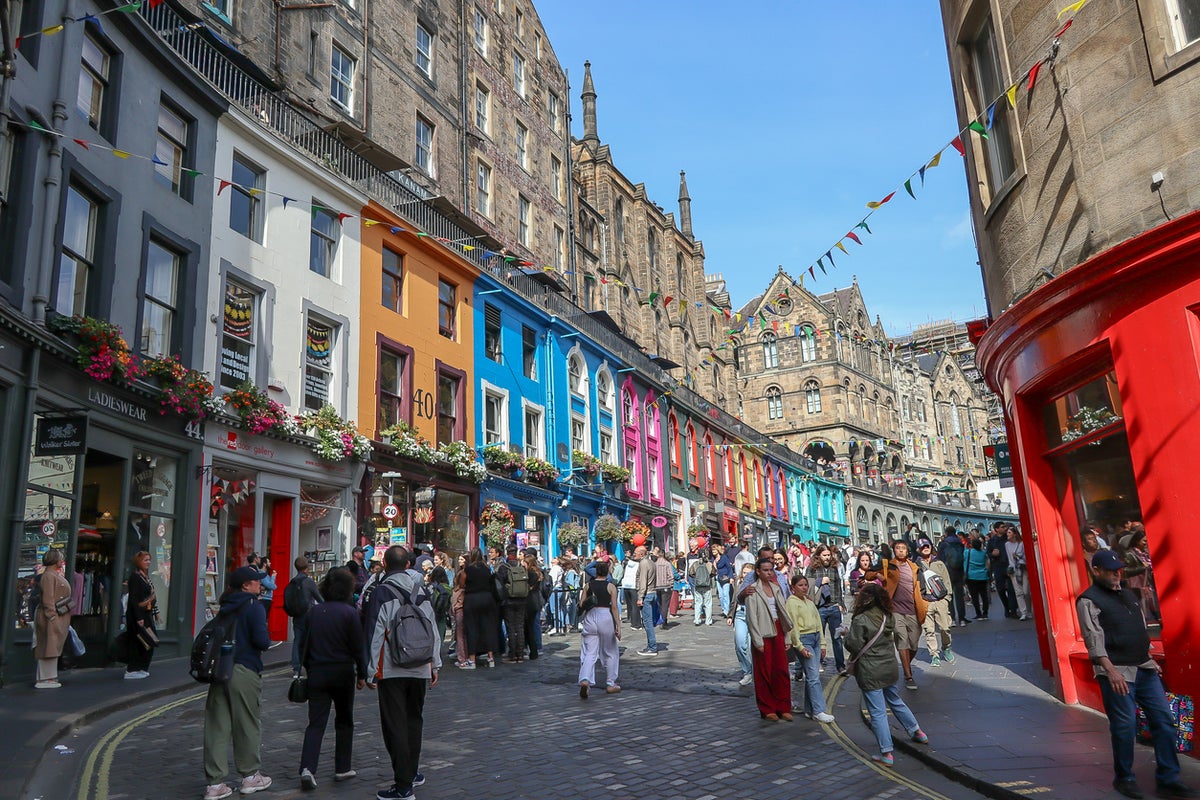
Talk of tourist taxes is usually met with a collective groan by travellers. After all, holidays are expensive enough without adding on extra charges. While the likes of popular European cities including Venice, Barcelona and Amsterdam have applied some form of taxes to overnight stays for years, Edinburgh is the first destination in the UK to introduce a city-wide tourist levy. The five per cent tax, which came into force exactly a week ago, applies to the first five nights staying in accommodation that includes hotels, self-catering apartments, bed and breakfasts, campervans, campsites, hostels, holiday lets and boats that stay in one place.
Practically, this means that if you spent £100 a night staying at an Edinburgh hotel (or any of the accommodation listed above), you would pay an extra £5 a night. So for a five-night stay your bill would be £525. For a seven-night stay your bill would be £725, as you would only pay the tax for the first five nights.
This all sounds simple enough, but things get a little more complicated when you take into account that the tax only applies to accommodation and not to any meals, drinks, transport or other services that might be included in the room fee. So if that £100 a night was for a bed and breakfast, then the cost of the breakfast would need to be deducted before the five per cent tax was calculated and added on.
Although Edinburgh is currently the only destination to introduce a city-wide tax, Glasgow is set to introduce a similar five per cent levy from January 2027, while Aberdeen is expected to follow suit with a seven per cent levy in April 2027. In Wales, following a new law passed last year, councils have the power to introduce their own taxes so long as they consult residents and local businesses, at a rate of £1.30 per person per night, or 75p per person per night (the lower rate applies to shared rooms in hostels, bunkhouses, bothies or dormitories, as well as pitches for tents). Cardiff is expected to be the first Welsh city to introduce a visitor levy, which will come into force from April 2027.
England has yet to introduce tourist taxes, but this may change soon thanks to a proposed law that would allow mayors and other local leaders the power to introduce a levy. Visitors to Liverpool and Manchester may notice that their accommodation already charges a small fee on overnight stays. This is a form of tourist tax applied via a legal workaround using an Accommodation Business Improvement District (ABID). In Liverpool, a £2 (plus VAT) charge is applied per room per night in the ABID area, while in Manchester those staying in guest accommodation in the ABID zone pay an extra £1 (plus VAT) per room per night.
On balance, I personally do not disagree with tourist taxes. Tourism places significant pressure on the infrastructure, facilities and local life of the destinations we visit, and it makes sense that we pay a relatively small amount to support the communities that host us.
Yet I was interested to hear the concerns of the Edinburgh holiday let owners that our travel writer Amelia Neath spoke to this week, who claimed that the tax was putting pressure on small business owners. They pointed out that it is the responsibility of the accommodation owners to work out the charge, with one holiday let owner describing the tax as “a highly complicated scheme that’s got lots of exclusions”. It sounds like a bureaucratic headache to me. Business owners also voiced fears that the tax could encourage the black market in holiday lets in Edinburgh, since the levy will be paid by licensed businesses while those which advertise without a licence will be able to dodge it.
Writing in The Independent this week, Rob Perkins from Responsible Travel argued that overtourism is a problem for cities like Edinburgh, but that tourist taxes are no “silver bullet” to fix it. However, he concluded: “The time to have this conversation is now, before the overtourism crisis gets worse. And if the new tourist tax gets people talking, then that can only be a good thing.”
Do you agree with tourist taxes? I’d love to hear your thoughts at annabel.grossman@independent.co.uk or in the comments section below.
Get the Travel Insider newsletter
Travel Insider is The Independent’s twice-weekly travel newsletter, packed with insight, inspiration and trusted advice to help you explore better.
It is your guide to planning smarter journeys: from finding the best low-impact ways to get around to choosing destinations that benefit local communities.
Each Friday and Sunday, you’ll receive a curated digest of the biggest developments in travel, along with unbeatable deals, destination ideas, and expert tips on where, when and how to go.
To sign up, simply enter your email address in the box at the top of this article.
You can also head to our newsletter preference centre to sign up for the email.










.jpeg?quality=75&width=1200&auto=webp)