Unraveling the Digital Marketing Strategy of Booking.com | Campaigns
As one of the world’s leading online travel platforms, Booking.com has revolutionized the way travelers search, book, and experience accommodations worldwide. With a strong digital marketing strategy at its core, Booking.com has successfully positioned itself as a go-to platform...
 ValVades
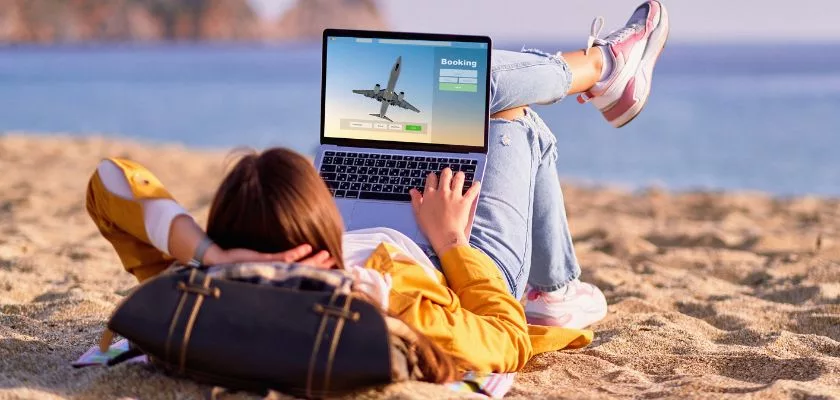
As one of the world’s leading online travel platforms, Booking.com has revolutionized the way travelers search, book, and experience accommodations worldwide.
With a strong digital marketing strategy at its core, Booking.com has successfully positioned itself as a go-to platform for travelers. In this article, we’ll explore the digital marketing strategy of Booking.com, examining its key elements and strategy that have propelled the company’s success. Let’s dive right in!
Marketing Mix of Booking.com
The successful travel and accommodation platform must be doing something right, making it the world’s most popular website and go-to option for those who’d like to explore the world of travel. Thus, we want to deep dive into Booking.com’s marketing mix.
Booking.com marketing strategy is created to reach a large audience of potential clients and give them the knowledge they need to make informed choices about their travel plans. The marketing mix of Booking.com is a combination of the P’s of marketing: product, price, place, and promotion. Let’s take a closer look at the 4 P’s:
Product
The accommodation marketplace offered by Booking.com is its product. It provides a wide range of possibilities for accommodation, such as hotels, apartments, villas, and more. Other travel-related services provided by Booking.com include tours, airport transfers, and vehicle rentals. The company positions itself as an all-inclusive platform for everything its customers may require while they travel.
Price
Booking.com attracts customers with a variety of discounts and promotions in addition to its reasonable prices. Additionally, the business offers a Price Guarantee, ensuring that clients will receive the most cost-effective price for their accommodation. This is an essential element of Booking.com’s marketing strategy since, despite being one of the world’s top platforms, there is now more competition than ever before due to shifting consumer behavior and technological advancements and successful marketing strategy of Airbnb or other competitors like Expedia Group.
Place
There are over 229 countries and territories where Booking.com is available. The company is well-established in both developed and emerging economies. Booking.com also has a strong online presence, with a website that is available in over 43 languages.
Promotion
Booking.com advertises its products and services through a number of marketing channels. The company uses a range of diverse marketing strategies, from SEM to content marketing, to reach potential customers. To promote its products and services, Booking.com collaborates with tour guides and travel agencies.
The company uses a combination of paid and organic marketing to spread its name, with a particular emphasis on social media, pay-per-click (PPC) and SEO.
Want to Market Like Booking.com and Turn Stays into Stories?
We’ve spotlighted two agencies that craft experiences, not just campaigns. They’re ready to help your brand connect, inspire, and grow.
SWOT Analysis of Booking.com
| Strengths Colossal Global Scale: Undisputed titan of the OTA sector with roughly 39.5% market share, listing over 28 million accommodations across 220+ countries. Asset-Light & High-Margin Model: Zero physical real estate or inventory risk, driving adjusted EBITDA margins consistently in the 32% to 37% range. The “Genius” Network Effect: A self-reinforcing loop where massive inventory locks users into the loyalty ecosystem, shifting traffic toward highly profitable direct app bookings. “Connected Trip” Architecture: Successful multi-vertical diversification across flights (surging 38%+ recently), car rentals, and attractions to boost customer lifetime value. | Opportunities Agentic AI Revolution: Aggressive $700M reinvestment into conversational planners and GenAI integration, already slashing customer service handling times by over 22%. Challenging Airbnb’s Dominance: Alternative accommodations (homes, apartments) now command over 22% of total room nights, directly poaching vacation rental market share. Emerging Market Influx: Capitalizing on rapidly expanding middle classes and mobile-first populations in Asia-Pacific, India, and Latin America through localized fintech solutions. |
| Weaknesses Heavy Dependency on Google: Relies heavily on spending billions annually in performance marketing (Google Ads) for top-of-funnel acquisition, leaving margins vulnerable to rising CAC. Quality Control Blind Spots: As a pure marketplace model, the brand has zero control over physical guest experiences, meaning fraudulent listings can severely dent trust. Technical Integration Friction: Managing disparate backend systems across legacy brands (Agoda, Priceline, Kayak, OpenTable) creates notable user drop-offs when bundling multi-component trips. | Threats Geopolitical & Economic Volatility: Travel demand remains highly sensitive to global instability; ongoing Middle East conflicts have already trimmed near-term growth outlooks. “Book Direct” Counter-Offensive: Aggressive direct-booking loyalty campaigns from major global hotel chains (Marriott, Hilton) and airlines bypass the OTA middleman. Search Engine Disintermediation: Google Travel operates as a powerful competitor, allowing frictionless hotel and flight comparison directly from search layouts to bypass OTAs. Regulatory & Antitrust Crackdowns: Intense scrutiny from the European Union via the Digital Markets Act (DMA), heavily targeting strict price parity clauses. |
Booking.com posts regularly on all of its social media channels, using a variety of strategies to boost its reach, such as using hashtags, running contests, partnering with influencers, or creating hilarious posts. The main goal of the company is to make sure its followers engage with its content, thus, Booking.com posts interesting and informative content. Another important step they take is to include links to its website in all of its social media posts, promoting special deals and discounts on its social media channels.
The company definitely has a strong presence on social media platforms, using them to engage with users, showcase unique accommodations, and most importantly inspire travel. Booking.com shares visually appealing content, travel tips, and exclusive promotions, generating buzz and attracting new users to the platform.
One of the series the company recently launched is its short reels which introduces destinations while advertising their own brand. This series encourages people to book a 1-month stay in popular destinations to explore:
By partnering with popular travel bloggers, vloggers, and social media influencers, the company leverages its influence and engages with its dedicated followers, effectively expanding its reach and brand visibility.
As part of their social media strategy, Booking.com creates hashtag campaigns as well. One of the recent campaigns they launched is the #TravelGenius hashtag campaign. This campaign encourages people to share their travel experiences and posts using the #TravelGenius hashtag and if Booking.com reaches out to their followers to use their content on its social media platforms, the company promises to pay $500 to the owner of the post to book another trip! This is an excellent example of social media strategy for short term rental business.
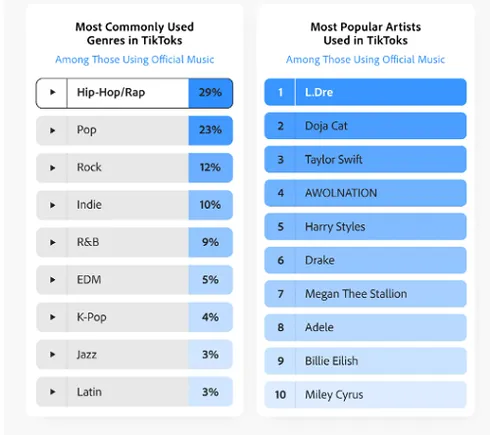
Booking.com has an account on every major social media platform, actively using the new generation platforms like TikTok as well.
By combining photographs, reels, and carousels, they offer content that encourages and stimulates customers to use their services. Social media is primarily used by Booking.com for promotional and informative purposes.
SEO Strategy of Booking.com
Booking.com’s SEO strategy is arguably one of its most crucial investments. The company makes significant investments in search engine optimization to increase its exposure in organic search results. By improving the website’s content, meta tags, and URLs with targeted keywords, Booking.com strategically improves its search engine ranking. This makes it possible for the platform to draw in organic visitors and broaden brand awareness. The company’s SEO strategy consists of content, links, and technical SEO components, each of which improves the online presence of the company in a different way.
By using keywords and phrases that people are likely to search for, Booking.com’s content, for instance, is optimized for search engines. Additionally, the company builds links to its website from authoritative websites, which helps to raise its domain authority and SERP ranking. Last but not least, Booking.com ensures that its website is technically search engine optimized, taking into account elements like page speed, mobile friendliness, and keyword usage.
With a 2 to 3 times higher conversion rate than its competitors, Booking.com has raised the bar for everyone. The Senior Product Owner of Booking.com, Leonardo Saroni, feels that great SEO, when done properly, pleases all three: customers, higher conversion rates, and web crawlers. However, SEO is typically carried out for technical reasons rather than for the users.
It is equally important to determine whether the visitors are coming back or do they proceed to booking flow etc. When conducting travel SEO, you shouldn’t use traffic as your sole metric. Just as crucial is creating captivating content. You should consider other metrics for SEO success besides improved search engine rankings and traffic growth.
Saroni adds:
“If you’re doing SEO you need to develop pages that are really interesting and engaging for your customer.”
Content Strategy of Booking.com
Booking.com encourages users to leave reviews and share their travel experiences on the platform. This user-generated content serves as social proof, building trust and credibility among potential travelers. Booking.com actively showcases positive reviews and responds to feedback, demonstrating its commitment to customer satisfaction.
Booking.com is also focusing on other areas to boost brand recognition and loyalty. As mentioned above while we were talking about their social media strategy, Booking.com has been working hard over the past few years to increase brand awareness among customers through content, social media channels, and TV advertising. The company publishes articles on its website to spark the interest of people arranging their next vacation and to offer crucial details and guidance to those who are about to book a place. With all of its content from its Instagram account to its website’s blog posts, Booking.com focuses heavily on powerful storytelling techniques.
If you’re also looking for a strong marketing strategy for your company, marketing agencies for the hospitality industry can help you build one!
Advertising Strategy of Booking.com
As one of the leading online travel agencies in the world, Booking.com’s advertising strategy is a mix of content advertising, pull advertising, and push advertising. We’ve already talked about the company’s content advertising and creation processes above so let’s talk about the other elements. Pull advertising involves creating ads that are designed to attract customers to Booking.com’s website. This type of advertising typically uses search engine marketing (SEM), social media advertising, and display advertising. The goal of pull advertising is to get potential customers to visit Booking.com’s website and start the booking process. For global brands running campaigns across dozens of countries, marketers often rely on ad verification proxies to confirm how ads appear in different regions and ensure campaign performance data is accurate
Push marketing entails contacting potential travelers instantly with advertising messages. Email, SMS, or push notifications are all acceptable forms of this type of advertising. Push marketing aims to remind prospective clients about Booking.com and persuade them to make a reservation.
Advertising Campaigns of Booking.com
In that section, we’ll look closer at the best Booking.com marketing campaigns.
While doing that, our selection approach was guided by a strict strategic filter: we wanted to isolate the exact creative mechanisms a global powerhouse uses to transform travel anxiety into absolute consumer confidence. To achieve this, we intentionally chose a balanced mix of initiatives that span the entire spectrum of modern brand engagement.
Rather than focusing on a single style of advertising, we looked for two contrasting creative formulas: massive, high-impact cultural spectacles designed for maximum mainstream reach, alongside hyper-targeted narrative plays aimed at niche consumer passion points. Furthermore, we selected ads that explicitly showcase the brand’s mastery over celebrity alignments and pop-culture integrations, prioritizing marketing efforts where talent was used to build deep trust and humanize the digital user journey.
So, we curated this specific lineup to demonstrate marketing versatility, choosing efforts that prove how a brand can successfully speak to entirely different consumer personas simultaneously without ever losing its core identity.
Book Like an MVP
Booking.com is the official partner of Major League Baseball. This 15-second ad includes Baseball Outfielder Ken Griffey Jr. It’s one of the most recent ads of Booking.com and an excellent example of how the company uses famous faces in their ads.
Why That Campaign Worked
We love how this campaign shifted focus from generic “vacationers” to highly passionate baseball fans following their teams on the road. Featuring iconic figures like Ken Griffey Jr. gave the brand instant sports-world credibility. It reframed a standard hotel booking into a tactical, “MVP-level” playbook for executing the perfect away-game trip.The Big Game
The following ad includes world-famous actress Melissa McCarthy and is as entertaining as it can be.
Why That Campaign Worked
Hitting the Super Bowl stage requires immediate, unskippable energy. By having Melissa McCarthy sing a Broadway-style musical number about going “Somewhere, Anywhere,” Booking.com turned the chaotic process of trip-hunting into a joyous, whimsical daydream. We noted their smart social extension where fans could win $10,000 in travel credits by interacting on TikTok and Instagram, effectively bridging the gap between a TV ad and measurable digital engagement.Sarah Jessica Parker Lists Her House on Booking.com
Sex and The City star, famous actress Sarah Jessica Parker partnered with Booking.com for an interesting collaboration. She listed her Hamptons Property on Booking.com for those who want to travel to Hamptons and looking for an excellent stay. Below the listing, there’s even a small note from the actress herself:
“I’m thrilled to welcome guests into this little home away from home by the beach, and hope the cozy space we’ve created in our Hamptons cottage is just what the doctor ordered.”
Sarah Jessica Parker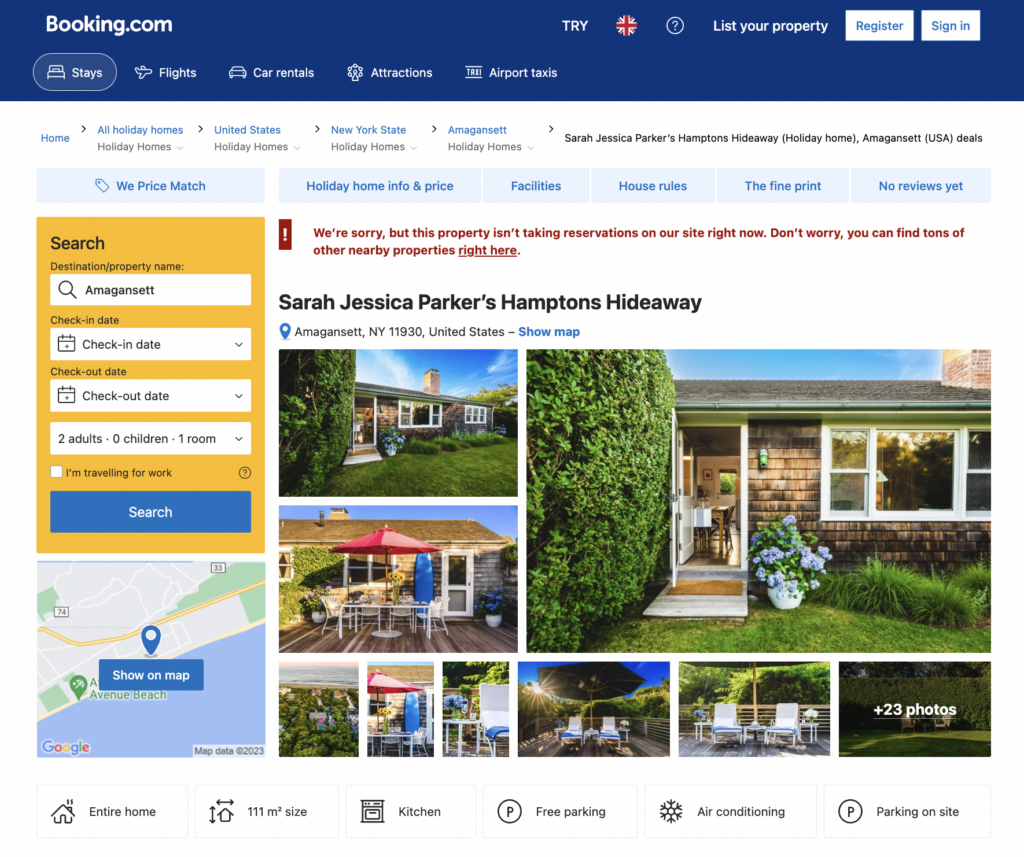
Why That Campaign Worked
Booking.com actually listed SJP’s real-life Hamptons beach cottage on the platform for a symbolic $19.98 (the premiere year of Sex and the City). This was a masterclass in direct competitive positioning. By generating massive global lifestyle press coverage, they proved to travelers that Booking.com isn’t just for corporate hotels—it’s a premier destination for elite, highly curated vacation homes.Idris Elba Sails into Summer
Without a doubt, Booking.com collaborates with amazing actors and actresses! The ad features Idris Elba, noting that he literally sails into summer with Booking.com.
Why That Campaign Worked
Reboots can be risky, but bringing in Idris Elba to spearhead the revival of the iconic “Booking.yeah” tagline was brilliant. His calm, deadpan, and straight-talking persona perfectly countered the typical over-hyped travel commercial. The campaign leaned into honesty: Booking.com might not be flashy or dramatic, but it is functional, seamless, and completely reliable. This direct message built massive consumer trust right as global travel was surging back.Get Your Stay Ridiculously Right
This 2025 Big Game campaign featuring the Muppets is the ultimate example of using high-impact cultural spectacles to disarm consumer anxiety.
Whether you’re a bougie diva looking for a swanky hotel, a family searching for some PG fun, or a bachelorette party on the hunt for nightlife, Booking.com helps you find your perfect stay.
Why That Campaign Worked
By using the chaotic and beloved energy of the Muppets for their Super Bowl push, Booking.com tapped into universal nostalgia that appeals equally to children, parents, and older generations. Travel plans change constantly, and we love how the anarchy of the Muppets served as the perfect creative metaphor for unpredictability. The campaign brilliantly emphasized the app’s flexible booking and free cancellation policies as the antidote to life’s unexpected twists.Stays for Fashionistas and Fisherman
If the Muppets ad was about capturing the entire stadium, this digital rollout was a masterclass in niche, passion-driven storytelling and radical consumer segmentation.
Why That Campaign Worked
Travel is not one-size-fits-all. We view this creative framing as a masterclass in hyper-targeting, showing two polar-opposite subcultures—style-conscious fashionistas looking for chic boutique hideaways and rugged fishermen hunting for a quiet coastal loft—finding their perfect match. By highlighting wildly diverse, niche accommodations side-by-side, Booking.com successfully proved the unmatched depth of its global inventory, cementing the idea that no matter how obscure your passion point is, they have a stay tailored precisely for you.Final Thoughts on Booking.com Campaigns & Marketing
Booking.com’s digital marketing strategy exemplifies the power of a user-focused approach, leveraging various channels and tactics to engage with travelers at every stage of their journey. By combining intuitive website design, extensive SEO effort, personalization, social media strategy, and more, Booking.com has established itself as a dominant player in the online travel industry.
If you’re interested in reading more about the hospitality and travel industry marketing, make sure to check out our article on inspiring hotel marketing strategies!











_2.jpg)