Vine makes a comeback
A new short-form video creation app called Divine offers an open-source, artificial intelligence-free platform featuring an archive of more than 500,000 restored Vines.
 MikeTyes
This audio is auto-generated. Please let us know if you have feedback.
Beloved short-form video app Vine is making a comeback of sorts, with a new app called Divine that aims to recapture the magic of the Vine app, while also taking a stand against the influx of artificial intelligence-generated video online.
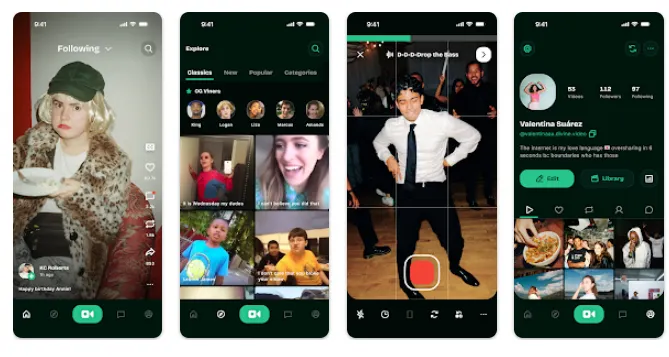
Divine was financed by Twitter co-founder Jack Dorsey and built by Evan “Rabble” Henshaw-Plath, the former lead developer at Odeo, the company that helped develop the original Twitter. The app provides access to an archive of almost 500,000 Vine videos that have been restored from a community-created archive of the original service.
Human creativity is at the core of the new app, according to the company, which said Divine wants to keep AI slop out by requiring that uploaders either record videos directly in the app or verify video creation details via C2PA, which provides transparency in video details.
The app is built on open source protocols, and aims to showcase the benefits of the open source approach in social media connection.
As per Divine: “We built Divine for people who miss real moments and real makers. The quick jokes. The chaotic edits. The tiny masterpieces. The stuff only humans would make. And because Divine is built on an open protocol, you stay in control. Your account, your feed, your audience, your data. Not locked inside someone else’s platform.”
The question then is, whether people will warm to a new short-form video app, and whether Divine can have a place in the modern social media ecosystem, which has now been inundated with short-form video options of varying kinds.
TikTok is the logical successor to Vine, and represents what many believe Vine could have become, had Twitter not opted to shut it down 2016.
Though that’s an oversimplification, and largely overlooks the challenges that Vine faced.
Because while TikTok has gone on to become a billion-user app, which generates billions of dollars in revenue, Vine never exceeded 200 million active users, and never made money, which is why Twitter abandoned the project.
Yet, Vine did kickstart the careers of many now well-known creators, and as such, many people hold a place in their hearts for the original short-form video app.
But the truth is, Vine was never that popular, and is unlikely to be a real rival to the new wave of short-form video options, no matter how it gets re-dressed.
It’s good for nostalgia, no doubt, and some users will be pleased to see the familiar minty green display and old, grainy Vine clips brought back to life. But that nostalgia may be short-lived, and Divine is likely to go the same way as its predecessor, despite the goodwill behind the project.
But it might also provide a short-form video option for the open source community, which could ensure that some form of Vine lives on in a non-profit way.
Divine is now available for download on the App Store and Google Play Store.









![The 9 Building Blocks of a Business’s Organizational Structure [With Diagrams]](https://www.hubspot.com/hubfs/business-building-blocks-1-20250109-2858404.webp)