Visitors to one of Tokyo’s top tourist hotspots could face on-the-spot fines under new anti-littering rules
Patrolling staff fluent in English, Chinese and Korean will now fine people £9.3 for littering on one of the world’s busiest road crossings
 Lynk
Lynk
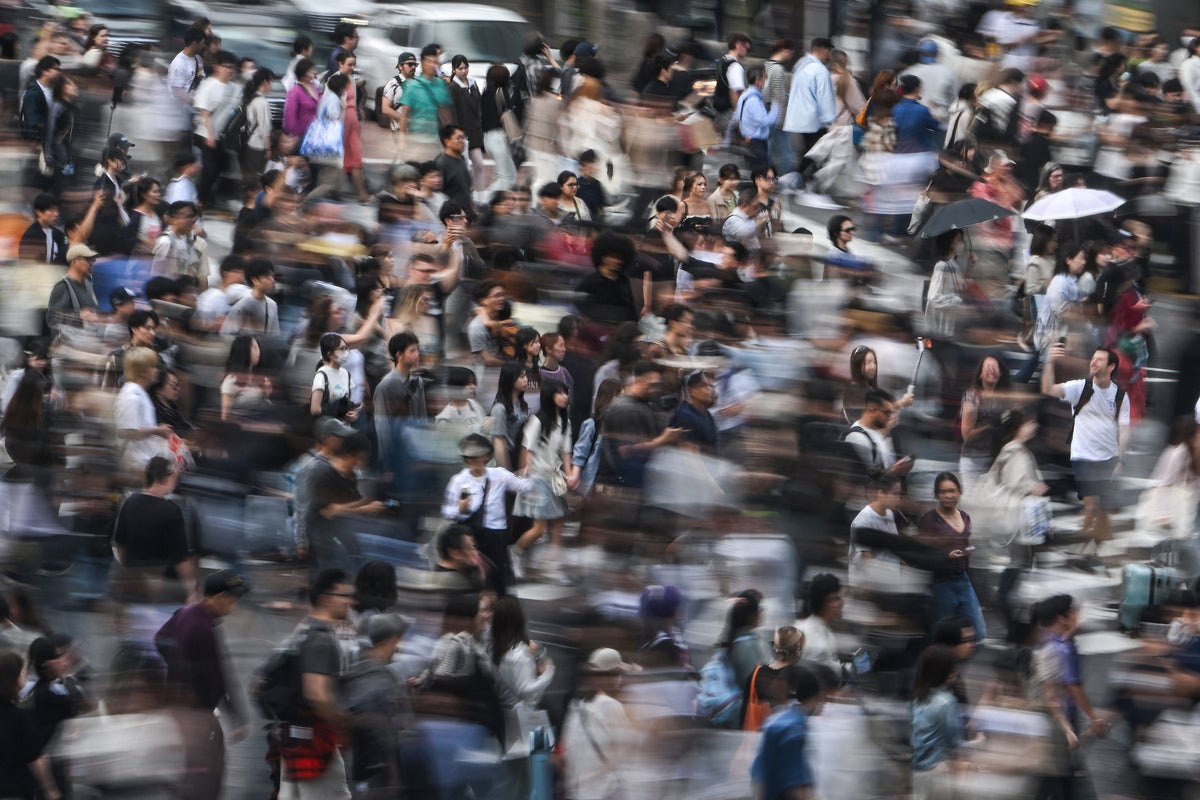
Japan’s tourist hub Shibuya will now fine people who litter on the streets or in parks as part of a cleanliness campaign targeting both locals and foreigners.
Those caught littering in Shibuya ward will now have to pay a 2,000 yen (£9.30) fine, officials said on Monday.
The penalties are a part of revision introduced to the Ordinance for Creating a Clean Shibuya Together, which was rolled out in April and aimed to tackle the littering problem Shibuya is facing with a sharp increase in visitors, including foreign nationals, the ward said.
Earlier, the fine was only applicable to public smoking.
Shibuya ward is perhaps best known for the Shibuya crossing, a pedestrian crossing with traffic lights that is one of the busiest in the country and the world.
With a global reputation for cleanliness to protect, Japan is facing a surge in littering, poor garbage disposal and pollution at some of its major tourist hubs like Mount Fuji and the cities of Tokyo and Kyoto, as it welcomes record-breaking numbers of tourists.
Officials said an increasing number of people have been drinking on the streets and littering near Shibuya and other stations.
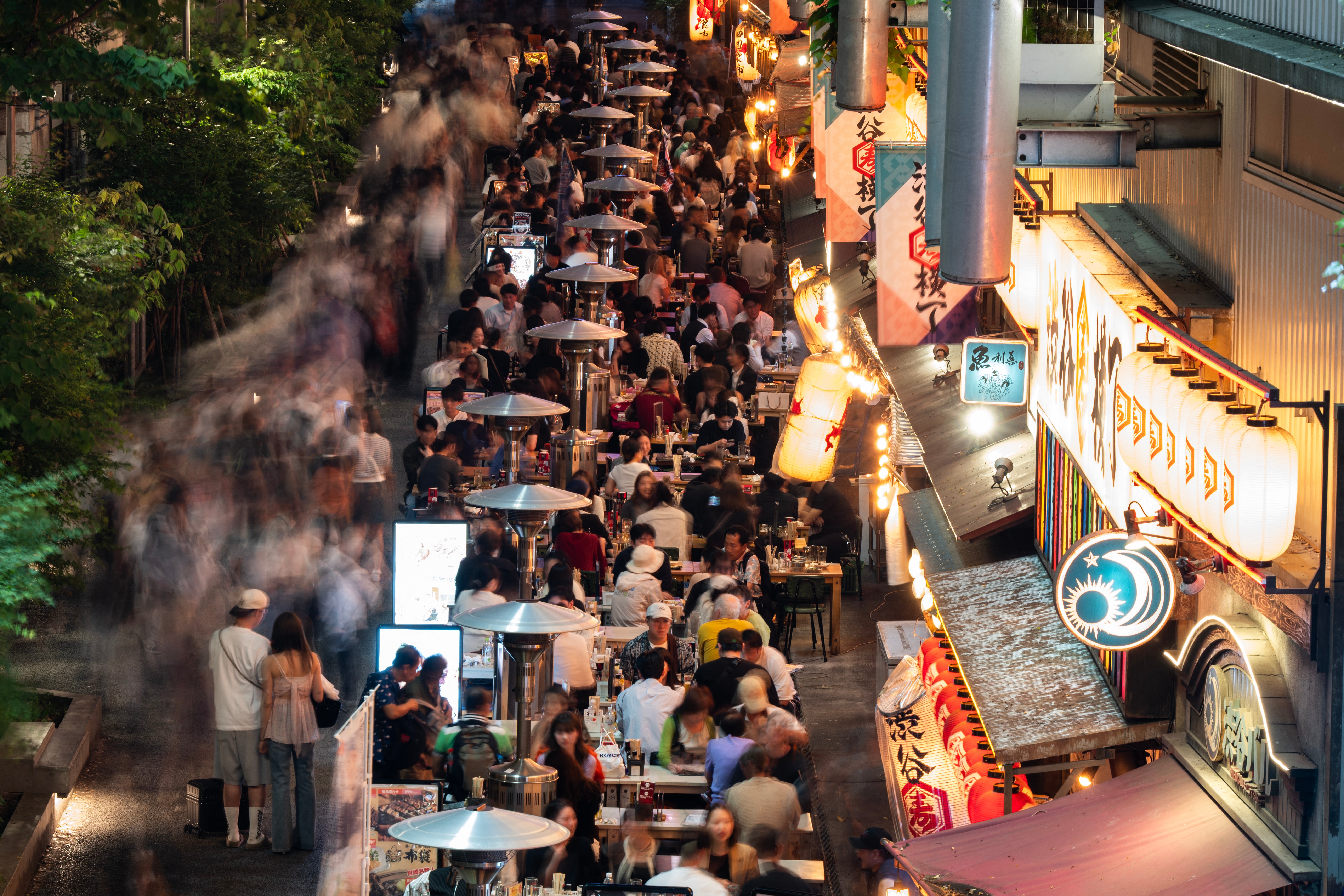
A ward official said stricter measures were needed as notices asking people to be careful and use good manners had not proved effective.
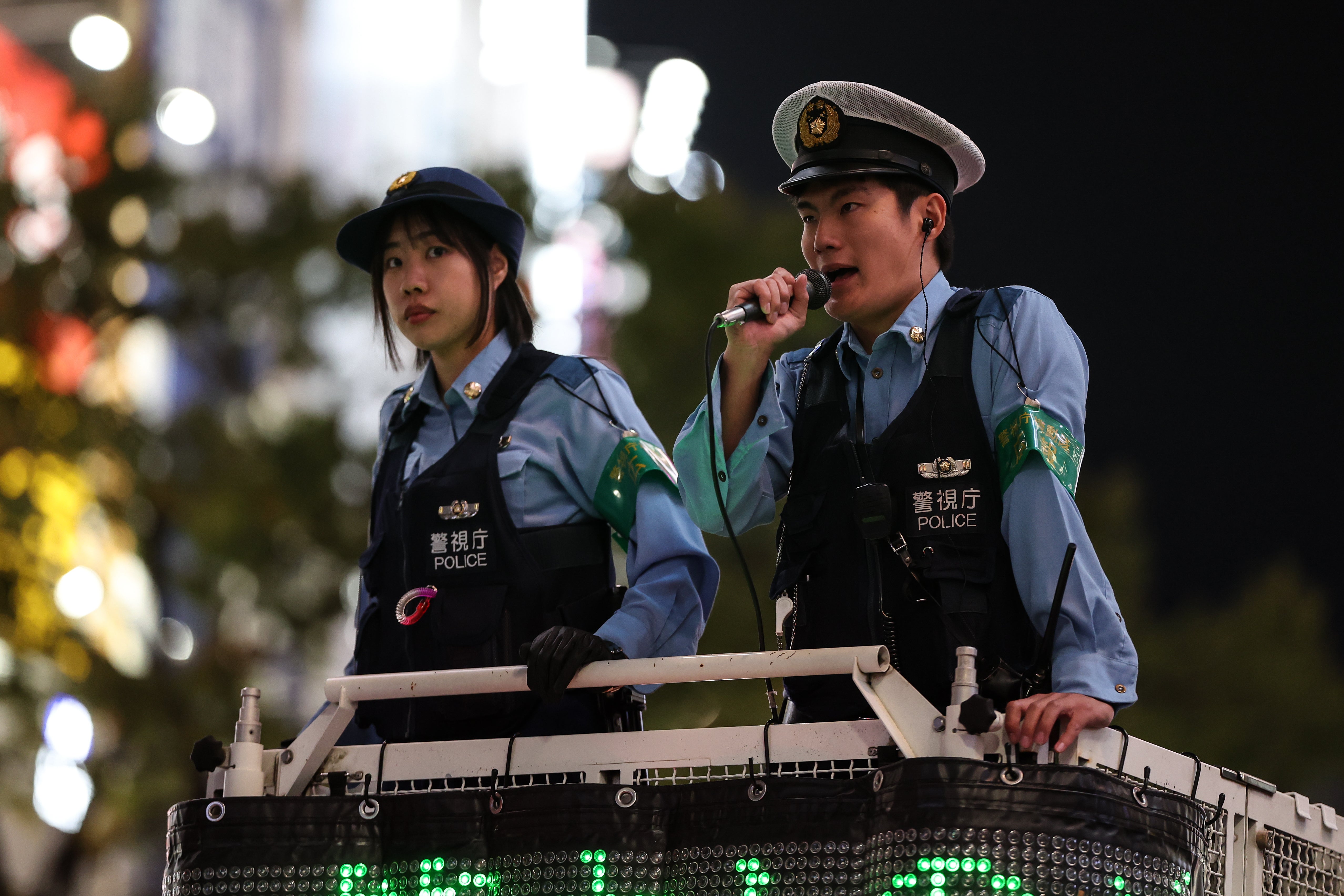
They will now increase the number of staff on the streets and deploy about 50 patrol officials, including ward employees, in the neighbourhood around Shibuya station.
The patrol staff will include members fluent in English, Chinese and Korean to ensure the enforcement is easily understood.
Violators will be asked to pay in cash on the spot, but they will also be allowed to pay via card or QR code if required.
An estimated 1,000 to 2,500 people hurry to cross the intersection before the light changes during the busiest times of the day. The daytime foot traffic through Shibuya is typically more than double its residential population of nearly 240,000, ward officials have said.
Shibuya mayor Ken Hasebe said: “Shibuya is an international city visited by many people in Japan and from around the world. While that vibrancy is something we take pride in, we must also fulfill our responsibility to protect the urban environment.
“Through this ordinance revision, we have made the rules clearer,” he said.
"We ask everyone who visits Shibuya, regardless of nationality, to follow the city’s rules. Shibuya will continue to make responsible choices as a city where vibrancy and order coexist,” Mr Hasebe said.























.jpg&h=630&w=1200&q=100&v=c0f97a310e&c=1)