What Counts As An Ultra-Processed Food? What A Panel Of Experts Says
This classification system is all about the ingredients.
 Hollif

Image by Wiphop Sathawirawong / iStock May 20, 2026 We all know that ultra-processed foods are bad for you. These packaged foods can be loaded with sugar, additives, and other seemingly unnatural ingredients that may be harmful when consumed frequently over time. But when you're standing in the grocery aisle trying to figure out if your favorite snack makes the cut, things can confusing fast. How? Well, two crackers may have wildly different ingredient lists. They're both processed, but are they both ultra-processed? The question of, what actually qualifies as "ultra-processed?" is one that still does not have a clear answer. And it's a definition that the FDA has been wrestling with for months. One expert panel report from the policy group Healthy Eating Research developed recommended definitions and policies around ultra-processed foods. Now, these are just recommendations, and they won't necessarily be put into practice. However, it is a comprehensive attempt of how to address a classification of foods that has consistently been linked to poor health outcomes1. Here's what you need to know.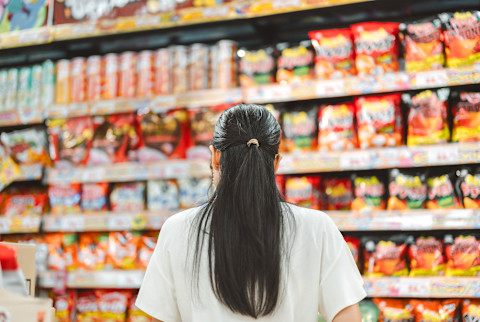
The new classification system, explained
The panel's definition builds on the Nova food classification system, which was developed by researchers in Brazil. Nova sorts all foods into four categories based on how much industrial processing they've undergone:
Ultra-processed foods, Nova Category 4, are the focus. These are industrial formulations made mostly or entirely from substances derived from foods, with little to no whole food remaining.
The ingredient marker approach
Rather than trying to evaluate every production method a food went through (which consumers can't see anyway), the panel recommends an "ingredient marker" approach. The idea is that certain ingredients reliably signal that a product is ultra-processed.
These markers fall into two buckets:
Cosmetic additives are ingredients added primarily to make a product look, taste, or feel more appealing. This includes:
Non-culinary ingredients are substances you wouldn't find in a home kitchen, like:
If a product contains one or more of these markers, it's classified as ultra-processed under the Healthy Eating Research expert panel's framework.
The exemption framework
The panel added some nuance to this ingredient framework by creating some caveats. The guidelines recognize that some foods technically contain these markers but still provide meaningful nutritional benefits. For these products, the panel recommends exemptions.
The exemption framework is designed to help programs like the Supplemental Nutrition Assistance Program (SNAP) and the Women, Infants, & Children (WIC) nutrition program make practical decisions about which foods to include.
For consumers, it's a reminder that context matters. A whole-grain bread with one unfamiliar ingredient isn't the same as a bag of cheese puffs. And a protein powder with an artificial sweetener in it isn't the same as a neon-colored energy drink.
How to use this at the grocery store
You don't need to memorize every ingredient marker. Here's a practical approach to using these guidelines while you roam the aisles:
The takeaway
This expert panel's ingredient marker approach is one perspective on the complicated matter of identifying ultra-processed foods. It's suggested approach of looking at cosmetic additives and non-culinary ingredients on the label is a practical way to Z. But it's not the only way. The FDA is still expected to release an "official" definition of ultra-processed foods. From there, policies can then be established to regulate them (this report also outlines what those policy options could entail).
In the meantime, it's still best to focus on building meals around whole foods with lots of protein and fiber when you can, and incorporate whole-ingredient based processed foods on occasion.
















.jpeg?trim=319,0,21,0&width=1200&height=800&crop=1200:800)