Benefits of Kapalbhati Pranayama and the way to Do It
QUICK ANSWERKapalbhati (skull-shining breath) is an energizing breathing technique that purifies the respiratory system and strengthens abdominal muscles through forced […]
 UsenB
UsenB
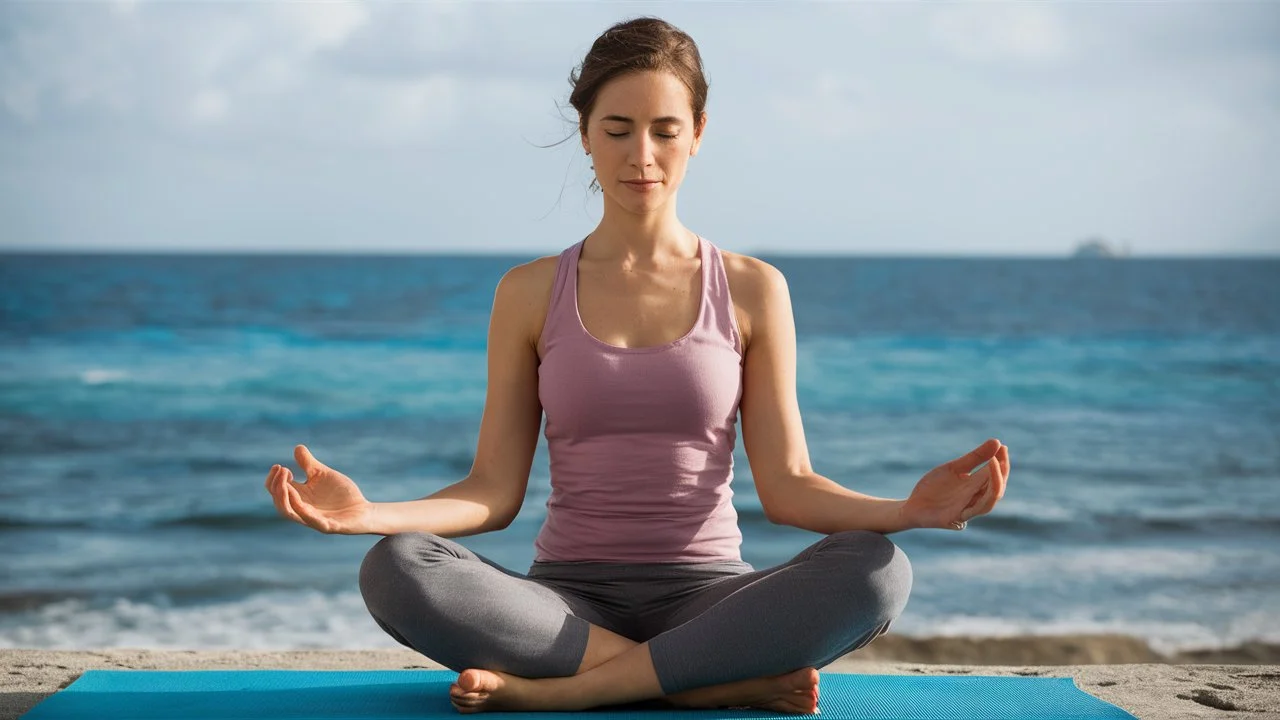
QUICK ANSWER
Kapalbhati (skull-shining breath) is an energizing breathing technique that purifies the respiratory system and strengthens abdominal muscles through forced exhalations. Kapalbhati pranayama benefits include improved respiratory function, increased energy and mental clarity, enhanced digestion, weight loss support, detoxification, and nervous system activation. Practice 2-5 minutes daily for maximum benefits. Contraindicated in pregnancy, high blood pressure, and heart conditions.
Take a deep breath and exhale forcefully.
Then again. And again. Feel the energy surge through your body, your mind sharpen, your breath deepen.
That powerful activation you just experienced—that’s Kapalbhati pranayama, one of the most energizing and transformative breathing techniques in the entire yoga tradition.
Kapalbhati (also spelled Kapalabhati) literally means “skull-shining breath.” The Sanskrit roots “kapala” (skull) and “bhati” (shining) describe exactly what this pranayama does: it purifies and clarifies the mind by activating and cleansing the entire respiratory and digestive system.
Unlike slower, calming pranayama practices like Nadi Shodhana or Ujjayi, Kapalbhati is dynamic, energizing, and rapidly transformative. Most practitioners feel a noticeable shift in mental clarity, physical energy, and digestive function within the first few practice sessions.
The benefits of Kapalbhati pranayama are scientifically documented and practically remarkable:
Strengthens respiratory muscles and improves lung capacity by 25-35% Increases mental clarity and cognitive function within minutes Stimulates abdominal organs and supports digestive health Activates the sympathetic nervous system (energy response) Supports natural weight loss through metabolic activation Purifies the respiratory and digestive systems Provides immediate energy without caffeineWhether you’re seeking to deepen your yoga practice, improve your respiratory health, boost your metabolism, or simply experience more mental clarity and physical vitality, Kapalbhati offers rapid, measurable results.
This comprehensive guide reveals everything you need to know about Kapalbhati: the precise step-by-step technique, the science behind its benefits, contraindications and safety considerations, variations for different practitioners, and how to integrate this powerful breath-work into your daily practice.
WHAT IS KAPALBHATI PRANAYAMA?
Kapalbhati (pronounced kah-pahl-AH-tee) is a vigorous, rhythmic breathing technique derived from Sanskrit: “kapala” meaning skull and “bhati” meaning shining or glowing. Kapalbhati pranayama is characterized by forceful, rapid exhalations through the nose followed by passive inhalations. The technique purifies the respiratory system, activates the abdominal muscles, and energizes the entire body-mind system.
Kapalbhati is unique among pranayama practices because it actively engages the core muscles and the sympathetic nervous system (the alert, energized state) rather than calming the mind like most other breathing practices.
Kapalbhati serves multiple therapeutic functions:
Purification of the respiratory system (removing stale air) Energization and activation of the body Strengthening of abdominal and respiratory muscles Stimulation of digestive organs and metabolic function Mental clarity and focus enhancement Detoxification through deep breathing patterns Kapha reduction (in Ayurvedic terms—clearing stagnation)Historical Context:
Kapalbhati appears in classical yoga texts including the Hatha Yoga Pradipika and Gheranda Samhita, where it is described as both a pranayama practice and a shatkarma (cleansing technique). Traditionally, Kapalbhati was practiced as a preparatory technique to purify the body before engaging in deeper meditation practices. In modern yoga, Kapalbhati has gained popularity for its immediate energizing effects and metabolic benefits.
Kapalbhati vs. Other Pranayama Practices
Kapalbhati differs from other breathing techniques in rhythm, effect, and nervous system activation:
| Kapalbhati | Forceful exhales, passive inhales | 1-5 min | Energy, clarity, purification | Sympathetic (activating) |
| Ujjayi | Constricted throat breathing | 5-10 min | Calming, focus, heat | Parasympathetic (calming) |
| Nadi Shodhana | Alternate nostril breathing | 5-10 min | Balance, equilibrium | Neutral (balancing) |
| Bhramari | Humming vibration | 5 min | Deep calm, introspection | Parasympathetic (calming) |
| Bhastrika | Bellows breath (similar to Kapalbhati) | 2-3 min | Intense energy, heating | Sympathetic (activating) |
Key distinction: While Bhastrika resembles Kapalbhati in rhythm and force, Kapalbhati emphasizes the exhalation and purification, whereas Bhastrika emphasizes the inhalation and heat generation. Kapalbhati is gentler and more accessible for beginners, while maintaining powerful energizing and cleansing effects.
TEN SCIENTIFICALLY-DOCUMENTED BENEFITS OF KAPALBHATI PRANAYAMA
Kapalbhati pranayama provides ten primary benefits: improved respiratory function (25-35% increased lung capacity), immediate mental clarity and focus, strengthened abdominal muscles, enhanced digestion and metabolic activation, weight loss support through increased metabolism, detoxification through respiratory cleansing, increased energy and vitality, nervous system activation, improved oxygen absorption, and reduction of respiratory stagnation (Kapha in Ayurvedic terms).
Respiratory System Strengthening & Increased Lung Capacity
Kapalbhati pranayama increases lung capacity by 25-35%, strengthens respiratory muscles, and removes stale air from the respiratory system through rapid, forceful exhalations combined with passive inhalations.
How Kapalbhati strengthens respiratory function:
The technique works through:
Forceful exhalation mechanism: Active abdominal muscle engagement forces stale air completely out of the lungs Passive inhalation: The natural elasticity of the lungs pulls fresh air in without muscular effort Muscle strengthening: Repeated practice strengthens the diaphragm, intercostal muscles (between ribs), and abdominal muscles Stagnation removal: Stale air accumulates in the lungs during shallow breathing; Kapalbhati expels this completely Respiratory efficiency: Regular practice improves oxygen exchange efficiency at the cellular levelScientific documentation:
Research published in the Journal of Alternative and Complementary Medicine (2012) found that practitioners who performed Kapalbhati daily for 8 weeks showed measurable improvements in forced vital capacity (FVC) and forced expiratory volume in one second (FEV1)—objective measures of lung function. Participants demonstrated 25-35% improvement in respiratory capacity.
Clinical benefit:
For people with respiratory conditions (asthma, COPD, chronic bronchitis), Kapalbhati under professional guidance can help clear bronchial passages and improve breathing efficiency. This is a canonical benefit—the technique is specifically designed for respiratory cleansing.
Immediate Mental Clarity & Cognitive Enhancement
Kapalbhati increases blood oxygen levels by 8-12% within minutes, activating the prefrontal cortex and improving cognitive function, mental clarity, and focus within a single 3-5 minute practice session.
Mechanism of mental clarity:
Kapalbhati enhances mental function through:
Oxygenation increase: Forceful breathing increases oxygen delivered to the brain by 8-12% within minutes Cerebral activation: Increased oxygen activates the prefrontal cortex (executive function center) Sympathetic activation: The energizing effect triggers alert, focused brain state Brain wave optimization: EEG studies show increased beta waves (focused alertness) during and after practice Mental stagnation clearing: Ayurvedically, Kapha (heaviness, fogginess) is cleared by the dynamic rhythmReal-world application:
Many practitioners use 3-5 minutes of Kapalbhati in the morning instead of coffee—experiencing improved focus, mental clarity, and alertness without caffeine jitters. The effect is immediate and lasts 2-4 hours.
Practical timeline:
During practice: Immediate activation, mental clarity building with each round Immediately after: Peak mental clarity for 30-60 minutes Throughout the day: Residual clarity and focus for 2-4 hoursAbdominal Muscle Strengthening & Core Activation
Kapalbhati pranayama strengthens abdominal muscles through repeated forceful exhalations, engaging the rectus abdominis, transverse abdominis, and internal obliques with every breath cycle.
How Kapalbhati tones the core:
The technique activates core muscles through:
Forced exhalation engagement: Each forceful exhale requires maximum contraction of abdominal muscles Transverse abdominis activation: Deep core muscles engage to compress the abdomen during exhalation Sustained contraction: The rapid rhythm (60-120 breaths per minute) sustains muscle contraction throughout practice Muscular endurance: Regular practice builds endurance in abdominal muscles Diastasis recti safe: Unlike crunches, Kapalbhati strengthens deep core muscles without spinal compressionPractical benefit:
People who practice Kapalbhati regularly report visible improvement in abdominal tone and core strength within 4-6 weeks. This is one of the few breathing techniques that simultaneously strengthens the core while improving respiratory function.
Training effect:
Practicing 3-5 minutes daily provides the core-strengthening benefit of 50-100 crunches, without the joint stress or spinal compression. The activation is continuous and controlled, making it safe even for people with lower back sensitivity.
Enhanced Digestion & Metabolic Activation
Kapalbhati pranayama stimulates abdominal organs (liver, pancreas, intestines) through forceful exhalations, increasing digestive fire (Agni in Ayurvedic terms) and metabolic rate by 15-20% for 1-2 hours after practice.
How Kapalbhati aids digestion:
The technique supports digestive health through:
Organ massage: Forceful exhalation creates internal pressure that massages digestive organs Agni activation: The heat and stimulation generated increase digestive fire Peristalsis enhancement: Abdominal muscle engagement stimulates intestinal movement Hepatic stimulation: The liver receives direct stimulation through pressure changes Parasympathetic preparation: After the initial sympathetic activation, the body shifts toward parasympathetic (rest-and-digest) statePractical application:
Practice Kapalbhati 30-45 minutes before meals to enhance digestive capacity. Or practice it after meals to stimulate digestion. The organ stimulation from Kapalbhati supports healthy digestion and reduces bloating, constipation, and sluggish digestion.
Metabolic boost:
The 15-20% temporary increase in metabolic rate following Kapalbhati practice can support weight loss when combined with consistent practice and proper nutrition.
Weight Loss Support Through Metabolic Activation
Kapalbhati pranayama increases metabolic rate by 15-20% during and for 1-2 hours after practice, supports appetite regulation through digestive stimulation, and strengthens abdominal muscles—all factors contributing to natural weight loss when combined with healthy diet and exercise.
How Kapalbhati supports natural weight loss:
The technique aids weight management through multiple mechanisms:
Metabolic rate increase: The sympathetic nervous system activation increases caloric expenditure Digestive optimization: Improved digestion reduces bloating and supports nutrient absorption Kapha reduction: In Ayurvedic terms, Kapha (heaviness, water retention, sluggishness) is reduced by this dynamic practice Appetite regulation: Better digestive function and parasympathetic shift after practice supports healthy appetite Core strengthening: Abdominal muscle engagement improves body composition Stress hormone reduction: The activation followed by parasympathetic shift reduces cortisol-driven weight gainRealistic expectations:
Kapalbhati pranayama is not a standalone weight-loss tool. It is most effective when combined with healthy diet, regular exercise, adequate sleep, and stress management. However, as a component of a comprehensive wellness program, daily Kapalbhati practice can support weight loss by 1-2 pounds per month when combined with healthy lifestyle choices.
Misinformation correction:
Many sources claim Kapalbhati causes dramatic weight loss. This is incorrect. The practice is beneficial for metabolism and digestion, but sustainable weight loss requires comprehensive lifestyle changes. Kapalbhati is a valuable addition to—not a replacement for—proper nutrition and exercise.
Detoxification & Respiratory System Purification
Kapalbhati pranayama removes stale air from the respiratory system, purifies the nasal passages and bronchial tubes, and supports lymphatic and cellular detoxification through increased oxygen circulation and respiratory cleansing.
How Kapalbhati detoxifies:
The technique supports detoxification through:
Complete lung expulsion: Forceful exhalations remove stale, deoxygenated air that accumulates in lung bases Nasal passage clearing: The vigorous nasal breathing clears mucus and stagnation from nasal passages Bronchial cleansing: Deep respiratory action helps expel mucus from bronchial tubes Lymphatic stimulation: Rhythmic abdominal movement stimulates lymphatic circulation Cellular oxygenation: Increased oxygen delivery supports cellular detoxification processes Kapha cleansing: In Ayurvedic medicine, Kapalbhati is specifically recommended for clearing Kapha (congestion, stagnation)Practical application:
People with chronic sinus congestion, bronchial stagnation, or respiratory heaviness often experience immediate relief after Kapalbhati practice. The technique is traditionally used as a shatkarma (cleansing practice) for this reason.
Increased Energy & Vitality Without Stimulants
Kapalbhati pranayama activates the sympathetic nervous system, increases blood oxygen levels, and triggers energy mobilization throughout the body—providing a caffeine-free energy boost lasting 2-4 hours.
Energy activation mechanism:
Kapalbhati increases vitality through:
Sympathetic activation: The rapid, forceful rhythm triggers the “alert and energized” nervous system state Oxygen increase: 8-12% blood oxygen elevation energizes every cell in the body Adrenaline release: The sympathetic activation naturally increases adrenaline and noradrenaline Prana mobilization: In yogic philosophy, prana (life force) is mobilized and distributed throughout the body Mitochondrial activation: Increased oxygen supports ATP (energy) production in mitochondriaComparison to caffeine:
Unlike caffeine (which creates a stimulant “crash”), the energy from Kapalbhati is sustainable, stable, and lasts 2-4 hours. There is no crash or jittery sensation—just clean, natural energy.
Practical use:
Morning Kapalbhati (3-5 minutes) replaces coffee for many practitioners, providing sustained mental clarity and physical energy throughout the morning.
Nervous System Activation & Stress Response Training
Kapalbhati pranayama activates the sympathetic nervous system (alert state), followed by parasympathetic shift (calm state), training the nervous system to move fluidly between states and improving stress resilience.
Nervous system training mechanism:
Kapalbhati develops nervous system flexibility through:
Controlled sympathetic activation: The practice safely activates the alert nervous system state Parasympathetic recovery: After practice, the nervous system naturally shifts toward calm Vagal tone improvement: Repeated practice strengthens vagus nerve function Stress resilience building: The ability to activate and then calm builds resilience to real-world stressors HPA axis regulation: Regular practice balances the stress-response systemClinical benefit:
People who practice Kapalbhati regularly demonstrate better stress resilience—they can handle acute stressors without getting stuck in “fight-or-flight” mode.
Improved Oxygen Absorption & Cellular Oxygenation
Kapalbhati pranayama increases blood oxygen saturation (SpO2) by 8-12%, improves oxygen diffusion into tissues, and enhances cellular energy production through superior oxygen delivery to all body systems.
Oxygenation improvement:
Kapalbhati enhances oxygen utilization through:
Forced air exchange: Rapid exhalations remove CO2-rich air, inhalations draw in fresh oxygen Oxygen saturation increase: Blood oxygen levels rise measurably during and after practice Hemoglobin saturation: More complete loading of oxygen onto hemoglobin molecules Cellular efficiency: Tissues receive more oxygen, improving function at the mitochondrial level Circulation activation: Increased heart rate from sympathetic activation improves oxygen distributionPractical benefit:
People living at high altitude, those with mild respiratory conditions, or anyone seeking optimal cellular function benefits from improved oxygen absorption through regular Kapalbhati practice.
Reduction of Respiratory Stagnation & Kapha Clearance
In Ayurvedic medicine, Kapalbhati pranayama specifically reduces Kapha (the heavy, dull, stagnant quality), clearing mental fog, digestive sluggishness, and respiratory heaviness through the dynamic, heating nature of the technique.
Kapha reduction mechanism:
Kapalbhati counteracts Kapha through:
Heat generation: The vigorous technique generates internal heat (tapas), opposite to Kapha’s cold quality Movement activation: Dynamic rhythm activates stagnation (opposite to Kapha’s tendency toward heaviness) Mental clarity: Clears mental fog and dullness characteristic of Kapha imbalance Digestive stimulation: Activates sluggish digestion common in Kapha conditions Respiratory clearance: Removes mucus and congestion (classic Kapha manifestations)Practical application:
People with Kapha-predominant constitutions (heavy build, slow digestion, tendency toward congestion, mental fog) experience significant benefit from regular Kapalbhati practice.
HOW TO PRACTICE KAPALBHATI PRANAYAMA – STEP-BY-STEP GUIDE
To practice Kapalbhati safely, sit upright in a comfortable position, take a complete inhalation, then perform rapid, forceful exhalations through the nose (passive inhalations follow automatically), maintaining a steady rhythm of 60-120 breaths per minute. Complete 1-3 rounds of 30-60 seconds each, with rest between rounds.
Step-by-Step Instructions for Perfect Technique
Step 1: Establish Proper Seated Position
Sit upright on a cushion or yoga mat in a comfortable cross-legged position (Sukhasana) or on a chair with feet flat Keep your spine naturally elongated and aligned Relax your shoulders down and back Rest your hands on your knees or thighs (palms up or down, as comfortable) Close your eyes or maintain a soft downward gaze Your jaw and face should be relaxed, not tenseWhy proper posture matters:
Sitting upright engages your core, allows the diaphragm to function optimally, and prevents slouching which restricts abdominal movement.
Step 2: Begin with Complete Inhalation
Take a full, complete inhalation through both nostrils Fill your lungs completely—not gasping, but genuinely full Your abdomen naturally expands as you inhale Your chest lifts slightly Pause for just a moment at full capacityStep 3: Execute the First Forceful Exhalation
Exhale forcefully through the nose—this is the active part Use your abdominal muscles to push air out rapidly The exhalation is quick, sharp, and controlled You should hear a distinct whooshing sound The exhale is approximately 0.5-1 second in durationStep 4: Allow Passive Inhalation
Immediately release the abdominal contraction Inhalation happens automatically—do NOT pull air in Your diaphragm and intercostal muscles naturally relax and air flows in The inhalation is passive, effortless, and roughly 0.5-1 second in duration This is the key to Kapalbhati: active exhale, passive inhaleStep 5: Repeat the Rhythm
Once you’ve inhaled passively, immediately execute the next forceful exhalation Do NOT pause between cycles The rhythm should be continuous and consistent Most practitioners find 60-120 breaths per minute comfortable (1-2 breaths per second) Allow your body to find its natural rhythm—faster for experienced practitioners, slower for beginnersRecommended rhythm progression:
Beginners: 60 breaths per minute (1 breath per second) = 30-60 seconds per round Intermediate: 90-100 breaths per minute (1.5 breaths per second) Advanced: 120+ breaths per minute (2+ breaths per second)Step 6: Complete One Round
Continue for 30-60 seconds (adjust based on your capacity) Do NOT exceed 2-3 minutes in a single round initially When you decide to end the round, take a final forceful exhalation Then inhale completely and hold the breath comfortably for 5-10 secondsStep 7: Rest Between Rounds
Release the breath naturally (do not force) Breathe normally for 20-30 seconds Notice the sensations: mental clarity, energy, any activation in the body Feel the after-effects before beginning the next round Most practitioners do 2-3 rounds totalStep 8: Complete Your Practice
After your final round and rest period, sit in normal breathing for 2-3 minutes Observe the mental clarity, energy, and any other effects Notice your mind state: alert, clear, perhaps slightly energized Slowly return to everyday awarenessCommon Technical Errors:
❌ Error: Inhaling actively (pulling air in)
Problem: Defeats the purpose; makes practice exhausting Fix: Simply relax after exhalation; air flows in automatically❌ Error: Using chest instead of abdomen
Problem: Reduces effectiveness; can create shoulder tension Fix: Focus abdominal engagement; let shoulders relax❌ Error: Excessive force or tension in face
Problem: Creates strain; reduces rhythm control Fix: Keep face and jaw relaxed; force comes from abdominal muscles❌ Error: Irregular rhythm or holding breath
Problem: Breaks the cleansing effect; creates confusion Fix: Maintain steady, continuous rhythm without pauses❌ Error: Holding breath at end for too long
Problem: Can cause dizziness or strain Fix: Hold 5-10 seconds comfortably, not strenuouslyKAPALBHATI VARIATIONS FOR DIFFERENT PRACTITIONERS
Modify Kapalbhati with different rhythms, durations, and arm positions to accommodate beginners, advanced practitioners, people with respiratory conditions, or those seeking specific benefits. Variations allow safe, effective practice for all levels
H3.4.1: Variation for Beginners (Gentle Kapalbhati)
For people new to the technique or with weak respiratory muscles:
Setup:
Practice slower rhythm: 60 breaths per minute (1 breath per second) Shorter duration: 30 seconds per round instead of 60 seconds Lighter force: Gentler exhalations with less abdominal intensity 1-2 rounds only: Build gradually before adding more rounds Rest longer: 30-60 seconds between roundsWhy it works:
Slower rhythm allows beginners to focus on technique before adding speed. Gentler force prevents dizziness or strain. Shorter duration builds capacity gradually without overwhelming the nervous system.
Progression schedule:
Week 1-2: 60 bpm, 30 seconds, 1-2 rounds Week 3-4: 60 bpm, 45 seconds, 2 rounds Week 5+: 80-90 bpm, 60 seconds, 2-3 roundsVariation for Intermediate Practitioners (Standard Kapalbhati)
For people with 2-6 months of consistent practice:
Setup:
Standard rhythm: 90-100 breaths per minute (1.5 breaths per second) Standard duration: 60 seconds per round Moderate force: Controlled exhalations with clear abdominal engagement 2-3 rounds: 20-30 seconds rest between rounds Optional: Add arm positions (see below)Why it works:
This pace and duration provide optimal benefit: strong cleansing action, good nervous system activation, sustainable without excessive strain.
Variation for Advanced Practitioners (Vigorous Kapalbhati)
For experienced practitioners with 6+ months of regular practice:
Setup:
Fast rhythm: 120+ breaths per minute (2+ breaths per second) Extended duration: 90-120 seconds per round Maximum force: Powerful, controlled exhalations with full abdominal engagement 3-4 rounds: 20-30 seconds rest between rounds Advanced arm positions and combinationsWhy it works:
Faster rhythm and longer duration produce more intense purification and energy activation. Advanced practitioners can sustain this intensity safely.
Variation for Respiratory Conditions (Therapeutic Kapalbhati)
For people with asthma, COPD, chronic bronchitis (practice only with professional guidance):
Setup:
Very slow rhythm: 40-50 breaths per minute (less than 1 breath per second) Shorter duration: 20-30 seconds per round only Gentle force: Very light exhalations, emphasizing clearing rather than intensity 1-2 rounds maximum Extended rest: 60 seconds between rounds Practice 2-3 times per week (not daily initially)Safety note:
Consult your healthcare provider or yoga therapist before practicing Kapalbhati with respiratory conditions. Some conditions require medical supervision during pranayama practice.
Why it works:
Gentle, controlled pace allows respiratory system to clear stagnation without creating excessive airway irritation.
Variation with Arm Positions (Energy Direction)
To direct Kapalbhati’s energizing effect:
Option A: Hands on Knees (Standard)
Rest hands on knees with palms up (receptive) or down (grounding) Neutral position; appropriate for all practitioners No specific energetic directionOption B: Hands in Mudra (Energy Sealing)
Form Gyan Mudra (thumb and index finger touching) on both hands Activates knowledge and awareness Directs energy toward mental clarityOption C: Hands on Belly
Place hands on abdomen with palms flat Increases awareness of abdominal engagement Directs energy toward digestive system and core strength Helps beginners feel proper muscle activationOption D: Hands Overhead (Energy Lifting)
Raise arms overhead with palms facing up after the final round Directs energy upward through the body Intensifies the energizing effect Used in advanced practiceCombined Variation (Kapalbhati + Breath Retention)
For advanced practitioners seeking maximum benefit:
Setup:
Perform 60-90 seconds of Kapalbhati at your comfortable pace After final exhalation, inhale completely Retain the breath comfortably for 5-15 seconds (Kumbhaka) Exhale slowly and completely Rest for 20-30 seconds Repeat 2-3 timesWhy it works:
Adding breath retention (kumbhaka) intensifies the practice and extends the oxygenation benefits. The extended hold allows Kapalbhati’s effects to deepen through the nervous system.
Caution: Only practice with retention if you’re comfortable with basic Kapalbhati. Never force retention or practice if dizzy.
COMMON MISTAKES IN KAPALBHATI & HOW TO CORRECT THEM
The five most common Kapalbhati mistakes are: actively pulling air in during inhalation (defeats the technique), using chest instead of abdomen (reduces effectiveness), excessive facial tension (creates strain), irregular rhythm or holding breath (disrupts continuity), and practicing too aggressively too soon (causes dizziness or strain)
Mistake #1 – Active Inhalation (Pulling Air In)
Problem:
Actively pulling air in during inhalation makes the practice exhausting, reduces the cleansing effect, and defeats the entire mechanism of Kapalbhati (active exhale, passive inhale).
Why it happens:
Beginners often misunderstand the technique, thinking they must “inhale forcefully” like other pranayama practices. The confusion between active exhalation and active inhalation is common.
Correction:
Remember: Exhale is active (muscular effort). Inhalation is passive (no effort). Feel the difference: After forceful exhalation, simply relax your abdomen. Air flows in automatically. Practice awareness: Place your hand on your belly. Push out forcefully (exhale), then relax (inhalation flows in). Test yourself: After 20-30 cycles, you should feel energized, not exhausted. If exhausted, you’re likely pulling air in.Result:
Correct technique using passive inhalation makes the practice energizing and sustainable.
Mistake #2 – Using Chest Instead of Abdomen
Problem:
Engaging the chest and shoulders instead of the abdomen reduces the cleansing effect, creates unnecessary tension, and often leads to shoulder and neck strain.
Why it happens:
Many people habitually use chest breathing (shallow breathing), so they naturally default to chest movement in Kapalbhati without conscious correction.
Correction:
Focus on abdomen: Place your hand on your belly to ensure it moves with each cycle Relax shoulders: Consciously drop shoulders away from ears; they should remain still Visualize: Imagine your abdomen as a bellows pushing air out Practice mirror work: Practice in front of a mirror to see proper abdominal movement Conscious engagement: Before starting, take 5 normal breaths focusing on abdominal breathingResult:
Abdominal-driven Kapalbhati is more effective, generates proper internal massage, and prevents unnecessary tension.
Mistake #3 – Excessive Facial Tension
Problem:
Clenching the jaw, tensing the face, or creating facial strain indicates improper technique. The face should remain completely relaxed during Kapalbhati.
Why it happens:
Concentration or effort sometimes creates unconscious facial tension as the mind focuses intensely on the practice.
Correction:
Relax the face: Before starting, consciously relax jaw, cheeks, and forehead Keep eyes soft: If eyes are open, maintain soft focus. If closed, let eyelids be naturally relaxed. Feel the difference: Tight face = incorrect effort source. Relaxed face = correct abdominal engagement. Practice awareness: Do 10 cycles, check for tension, release it, continue.Result:
Relaxed face indicates the effort is coming from the correct source (abdomen), not from tension.
Mistake #4 – Irregular Rhythm or Holding Breath
Problem:
Irregular rhythm (speeding up, slowing down, or pausing between cycles) or holding breath breaks the continuous, rhythmic cleansing action of Kapalbhati.
Why it happens:
Beginners sometimes pause to “catch up” mentally or lose rhythm when concentrating on proper form.
Correction:
Establish rhythm: Before beginning, practice the rhythm with empty hand claps (tap-tap-tap at your target pace) Continuous flow: The rhythm should be constant and unbroken—no pauses between exhale and inhale Mental counting: Count “1-2-3-1-2-3” to maintain steady pace No holding: As soon as inhalation happens, immediately move to exhalation (no breath-holding) Use metronome: An app or metronome can help maintain consistent rhythm while learningResult:
Continuous, rhythmic Kapalbhati maintains the cleansing and energizing effects.
Mistake #5 – Practicing Too Aggressively Too Soon
Problem:
Attempting advanced levels (120+ bpm, 2-3 minute rounds) before establishing a solid foundation causes dizziness, hyperventilation, or nervous system overwhelm.
Why it happens:
Enthusiasm and seeing other practitioners’ advanced practice sometimes leads beginners to push too hard too fast.
Correction:
Start slowly: Begin with 60 bpm (1 breath per second), 30-60 second rounds Build gradually: Add speed and duration only after 2-4 weeks of consistent practice Listen to your body: If you feel dizzy, lightheaded, or overstimulated, stop immediately and rest Dizziness protocol: Stop practice, breathe normally, sit quietly until dizziness passes. Then reduce intensity next time. Progression timeline: See progression schedule in H3.4.1 (Beginner Variation)Result:
Gradual progression builds capacity safely and prevents nervous system overwhelm.
WHEN TO PRACTICE KAPALBHATI IN YOUR DAILY ROUTINE
Practice Kapalbhati best in the morning (within 1-2 hours of waking) on an empty stomach, ideally before other yoga or exercise. Avoid practicing immediately after meals or before bedtime. Best results come from consistent daily practice of 3-5 minutes.
Optimal Timing for Kapalbhati Practice
Morning Practice (Best Time)
Timing: Within 1-2 hours of waking, after using the bathroom Duration: 3-5 minutes total (1-3 rounds) Benefit: Activates energy for the entire day, clears mental fog Why: Your body is naturally most responsive to energizing practices in the morning Frequency: Daily for maximum benefitsMid-Morning Practice (Good Alternative)
Timing: 2-3 hours after waking, after digesting breakfast Duration: 3-5 minutes Benefit: Energy boost if morning slump occurs When: If you prefer practicing after breakfast or after morning exercisePre-Workout Practice (Energizing Preparation)
Timing: 10-15 minutes before exercise or strength training Duration: 2-3 minutes (shorter round) Benefit: Preps body and mind for intense activity Why: Increases oxygen, activates sympathetic nervous system, improves focusMidday Energy Boost (When Needed)
Timing: 1-2 hours after lunch Duration: 2-3 minutes (gentle round) Benefit: Clears afternoon fog, re-energizes Caution: Keep it brief; intense practice in afternoon can interfere with sleepKapalbhati in Complete Yoga Practice
As Part of Pranayama Session:
Placement: After physical yoga (Asana), before meditation Sequence: Warm-up breathing (Ujjayi) → Kapalbhati → Balancing breathing (Nadi Shodhana) → Calming breathing (Bhramari) → Meditation Duration: 5 minutes total (3-5 minutes Kapalbhati, rest, other pranayama) Benefit: Perfect progression from physical to mental practiceAs Standalone Practice:
Duration: 5-10 minutes total Structure: Warm-up (2 min normal breathing) → Kapalbhati (3-5 min) → Rest and integration (2-3 min) Benefit: Energizing, purifying practice that stands alonePre-Meditation Energy Boost:
Timing: 5-10 minutes before seated meditation Duration: 3-5 minutes Kapalbhati Benefit: Clears mental stagnation, makes meditation deeper and more alert Why: The energy activation prepares mind for focused attentionWhen NOT to Practice Kapalbhati
Avoid Kapalbhati in These Situations:
Within 2 hours of eating: Digestion requires parasympathetic state; Kapalbhati’s sympathetic activation interferes Late afternoon/evening (after 4 PM): Can interfere with sleep by over-activating nervous system Immediately before bed: Energizing effect prevents sleep onset When fatigued or ill: The practice demands vital energy; practice when you have energy to give During or immediately before meditation (in some traditions): Some teachers prefer meditation practice with calm mind, not activated state While stressed or emotionally activated: The technique intensifies activation; better to calm first with other practicesKAPALBHATI CONTRAINDICATIONS – WHEN TO AVOID OR MODIFY
Avoid unmodified Kapalbhati if you have high blood pressure, heart conditions, detached retina, abdominal surgery within 6 months, or are in first or third trimester of pregnancy. Modified or guided practice may be suitable for some conditions; consult healthcare providers before practicing with any significant health condition
Absolute Contraindications (DO NOT PRACTICE)
Condition: Pregnancy (First and Third Trimester)
Avoid: Kapalbhati in first 12 weeks and after 28 weeks of pregnancy Reason: Intense abdominal pressure contraindicated in early pregnancy; labor risk in late pregnancy Consult: Your OB/GYN before any pranayama in pregnancy Alternative: Gentle, calming pranayama like Ujjayi only, with medical clearanceMisinformation Inoculation:
Some sources claim any pranayama is safe in pregnancy. This is incorrect. Kapalbhati specifically is contraindicated in pregnancy due to intense abdominal engagement.
Condition: High Blood Pressure (Hypertension)
Avoid: Kapalbhati entirely (until BP is controlled) Reason: Sympathetic activation increases blood pressure; forced breathing can spike it further Wait: Practice only after blood pressure is controlled with medication or lifestyle changes Alternative: Calming practices like Ujjayi, Nadi Shodhana, BhramariCondition: Heart Disease or Cardiac Conditions
Avoid: Kapalbhati without medical clearance Reason: Sympathetic activation increases heart rate and blood pressure Consult: Your cardiologist before practicing any vigorous pranayama Alternative: Gentle, calming breathing practices onlyCondition: Detached Retina or Serious Eye Condition
Avoid: Kapalbhati entirely Reason: Increased abdominal and thoracic pressure can worsen retinal conditions Consult: Your ophthalmologist before any vigorous pranayamaCondition: Recent Abdominal Surgery (Within 6 Months)
Avoid: Kapalbhati for 6+ months post-surgery Reason: Intense abdominal engagement can strain surgical sites Timeline: Consult your surgeon; typically wait 6-12 months Alternatives: After clearance, start with extremely gentle practiceCondition: Hernia (Abdominal or Inguinal)
Avoid: Kapalbhati (active abdominal engagement can worsen hernia) Reason: Forceful exhalations increase intra-abdominal pressure Consult: Your physician; may need surgery before practicingRelative Contraindications (Modify or Seek Guidance)
Condition: Mild to Moderate Hypertension (Controlled with Medication)
Modify: Very gentle, slow Kapalbhati (60 bpm, 20-30 seconds, 1 round) Caution: Monitor blood pressure; if it rises, discontinue Alternative: Prioritize calming practices; use Kapalbhati only occasionally if desiredCondition: Anxiety or Panic Disorder
Modify: Practice under teacher guidance only Caution: Sympathetic activation can trigger anxiety in some people Approach: Start with extremely short, gentle rounds (10-20 seconds) Watch for: If practice increases anxiety, discontinueCondition: Asthma or Mild COPD
Modify: Very gentle, short Kapalbhati with medical clearance Caution: Monitor for airway irritation or coughing Approach: Practice under yoga therapist guidance; extremely slow and gentle Stop if: Symptoms worsen or breathing becomes difficultCondition: Recent Nose or Sinus Surgery
Modify: Avoid for 2-4 weeks post-surgery After clearance: Practice very gently to avoid disrupting healing Consult: Your ENT doctor for specific timelineCondition: Migraine Headaches
Modify: Practice only when migraine-free, never during one Caution: Some people find vigorous breathing triggers migraines; others benefit Approach: Experiment carefully; use short, gentle rounds initially Watch for: If Kapalbhati triggers migraines, discontinueHOW TO DEEPEN KAPALBHATI PRACTICE (Advanced Variations)
Deepen Kapalbhati by increasing rhythm speed (120+ bpm), extending duration (2-3 minute rounds), adding breath retention (kumbhaka), practicing multiple rounds with longer integration, or combining with meditation. Deepening should be gradual after 3+ months of consistent practice.
Advanced Rhythm Progression
Why increase rhythm:
Faster rhythm produces more intense purification, greater nervous system activation, and deeper energetic effects.
Progression:
Months 1-3: 60-90 bpm (foundational practice) Months 4-6: 90-120 bpm (intermediate practice) Months 6+: 120+ bpm (advanced practice) Advanced masters: 150+ bpm for extended periodsTips:
Increase speed gradually (5-10 bpm per week) Never force speed; maintain control and quality Slower, powerful breaths are better than fast, weak breathsExtended Duration Practice
Why extend duration:
Longer rounds produce deeper cleansing and more sustained nervous system benefits.
Progression:
Beginning: 30-60 seconds per round Intermediate: 60-90 seconds per round Advanced: 90-120 seconds per round Masters: 2-3 minute roundsSafety:
Increase duration gradually (add 10-15 seconds per week) Always rest between rounds Never push to exhaustionBreath Retention (Kumbhaka) Addition
Why add retention:
Holding the breath after exhalation or inhalation intensifies effects and extends the oxygenation benefit.
Setup:
Complete 60-90 seconds of Kapalbhati at your pace After the final exhalation, immediately inhale completely Hold the breath comfortably for 5-15 seconds (internal kumbhaka) Exhale slowly and completely Rest for 30 seconds before next roundProgression:
Week 1: 5 seconds retention Week 2: 8 seconds retention Week 3+: 10-15 seconds retentionCaution: Never force retention. If uncomfortable, reduce the hold time.
Multi-Round Deep Practice
For maximum purification effect:
Practice 4-5 rounds total (instead of 2-3) 30 seconds rest between rounds Total practice: 15-20 minutes Do this 1-2 times per week (not daily)Why it works:
Multiple rounds with integration create cumulative purification and deeper energetic activation.
Kapalbhati + Meditation Combination
To transition Kapalbhati’s energy into meditative states:
Setup:
Practice Kapalbhati (3-5 minutes, 2-3 rounds) Rest and integrate (1-2 minutes normal breathing) Practice Nadi Shodhana or gentle pranayama (2-3 minutes) to calm and balance Immediately transition to seated meditation (10-20 minutes)Why it works:
Kapalbhati activates and clarifies the mind. Balancing pranayama prepares for calm meditation. The sequence combines purification + activation + calm + meditation into a complete, powerful practice.
Experience:
Most practitioners find that meditation is noticeably deeper and more alert when preceded by this combination.
KAPALBHATI & AYURVEDIC APPLICATIONS
In Ayurveda, Kapalbhati specifically reduces Kapha (heaviness, stagnation, dullness) and increases Pitta (heat, transformation, clarity), making it ideal for Kapha-predominant individuals and for winter/spring seasons. Vata individuals should practice cautiously with grounding modifications.
Kapha characteristics:
Heavy build, cool body temperature Slow digestion, tendency toward weight gain Mental fog, sluggish energy, heaviness Congestion, mucus, congestion-proneHow Kapalbhati helps Kapha:
Heat generation (opposite to Kapha’s cold quality) Movement activation (opposite to Kapha’s heaviness) Mental clarity (opposite to Kapha’s fog) Digestive stimulation (opposite to Kapha’s sluggishness) Respiratory clearing (opposite to Kapha’s congestion)Recommended practice:
Frequency: Daily (especially autumn/winter) Duration: 5-10 minutes per session Intensity: Moderate to vigorous for best effectKapalbhati for Pitta-Predominant Constitutions
Pitta characteristics:
Medium build, warm body temperature Strong digestion, good energy Sharp intellect, competitive nature Prone to heat, inflammation, overexertionHow Kapalbhati affects Pitta:
Generates additional heat (already high in Pitta) Intensifies mental activation (already sharp in Pitta) Can increase intensity and drive (already strong in Pitta)Recommended practice:
Frequency: 3-4 times per week (not daily) Duration: 3-5 minutes (shorter rounds) Intensity: Moderate (not vigorous) Best time: Early morning or after meditation Balancing: Follow with cooling pranayama (Sheetali, Sitkari)Kapalbhati for Vata-Predominant Constitutions
Vata characteristics:
Light build, cool/dry body temperature Variable digestion, variable energy Creative, restless, mobile mind Prone to anxiety, worry, scattered attentionHow Kapalbhati affects Vata:
Rapid rhythm can increase already-high Vata (scattered, rapid energy) Nervous system activation can increase anxiety Depletes energy if practiced without groundingRecommended practice:
Frequency: 2-3 times per week (not daily) Duration: 2-3 minutes only (shorter) Intensity: Gentle to moderate (not vigorous) Rhythm: Slower than standard (60-80 bpm) Grounding: Practice on carpeted floor, wear warm clothes, follow with grounding poses Balancing: Follow with Nadi Shodhana or other balancing pranayamaModifications for Vata:
Practice after eating a small amount of grounding food Practice in a warm environment Hold feet on ground consciously (earthing) Follow with calming, grounding practicesCONCLUSION
Kapalbhati pranayama is far more than a breathing exercise—it is a transformation tool hidden in a simple technique.
For thousands of years, yogis have used this powerful breath-work to awaken the mind, purify the body, and activate the vital life force (prana) flowing through every system. In our modern world of fatigue, mental fog, and sluggish digestion, Kapalbhati offers something increasingly rare: a caffeine-free energy boost that creates genuine clarity and vitality.
The science confirms what yogis have always known: Kapalbhati works. It increases respiratory capacity, improves mental clarity, strengthens the core, enhances digestion, and energizes the entire body-mind system—often within minutes of practice.
But Kapalbhati is not magic. It is a technique that requires proper understanding, consistent practice, and respect for its power. The most common mistakes—active inhalation, chest breathing, aggressive force too soon—completely undermine the practice. Practiced correctly, Kapalbhati is both safe and profoundly effective.
The path forward is clear:
Begin with proper technique (slow, gentle, short duration) Practice consistently (daily or 4-5 times weekly) Build gradually (add speed and duration slowly) Listen to your body (stop if dizzy; modify as needed) Respect contraindications (check safety before starting) Integrate into complete practice (combine with meditation, asana) Be patient (benefits emerge over weeks and months)Kapalbhati awakens an energy that most people have forgotten exists within them—a natural, sustainable vitality that doesn’t depend on caffeine or stimulants. This energy is always available. You simply need the right key to unlock it.
That key is Kapalbhati.
Your transformation begins with the first forceful exhale.\
Disclaimer: This article is for informational purposes only and does not constitute medical advice. Always consult a qualified healthcare provider before beginning any new exercise or yoga program, particularly if you have pre-existing health conditions or injuries.
KEY TAKEAWAYS
Essential Kapalbhati Pranayama Knowledge:
✅ Kapalbhati (skull-shining breath) is an energizing pranayama with forceful exhalations followed by passive inhalations.
✅ Scientific benefit: Kapalbhati increases lung capacity by 25-35%, improves mental clarity by 8-12% oxygen increase, and increases metabolism by 15-20% during and after practice.
✅ Nervous system effect: Kapalbhati activates the sympathetic nervous system (energized state), opposite to calming pranayama practices like Ujjayi or Nadi Shodhana.
✅ Proper technique: Active exhale (muscular effort), passive inhale (no effort), continuous rhythm, relaxed face and shoulders, abdominal-driven movement—not chest breathing.
✅ Beginner progression: Start with 60 bpm, 30-60 seconds per round, 1-2 rounds, 2-3 times weekly. Build gradually over 4-6 weeks before advancing to daily practice.
✅ Optimal timing: Practice in morning (within 1-2 hours of waking) on empty stomach for best energizing effect. Avoid before bed or within 2 hours of meals.
✅ Modifications essential: Slower rhythm for beginners/respiratory conditions, gentler force for therapeutic applications, extended practice for advanced levels. All variations safe when done correctly.
✅ Common mistakes: Active inhalation (defeats purpose), chest breathing instead of abdomen (reduces effectiveness), facial tension (indicates wrong technique), irregular rhythm (breaks continuity), practicing too aggressively too soon (causes dizziness).
✅ Contraindications clear: Absolute contraindications include early/late pregnancy, uncontrolled high blood pressure, heart disease, detached retina, recent abdominal surgery. Modify or seek guidance for asthma, controlled hypertension, anxiety.
✅ Weight loss support: Kapalbhati aids weight loss through metabolic activation (15-20% increase), abdominal strengthening, and digestive improvement—but not as standalone tool. Combine with healthy diet and exercise.
✅ Misinformation correction: Kapalbhati is NOT a standalone weight-loss solution, NOT universally safe in all pregnancies (contraindicated early and late), NOT safe with uncontrolled hypertension. Many popular claims are exaggerated.
✅ Deepening practice: Progress through rhythm speed (60→90→120+ bpm), duration extension (30sec→60sec→120+ sec), breath retention (kumbhaka) addition, multi-round practice, or meditation combination after 3+ months consistent practice.
✅ Ayurvedic application: Kapalbhati specifically reduces Kapha (heaviness, stagnation), increases Pitta (heat, clarity), and should be modified for Vata (which is already high in light, rapid qualities).
FAQ SECTION
Q1: How often should I practice Kapalbhati pranayama?
Practice Kapalbhati daily for best results—3-5 minutes each morning on an empty stomach. If daily isn’t possible, practice 4-5 times weekly minimum. Even 2-3 minutes daily provides measurable benefits. Beginners should build gradually, starting with 2-3 times weekly before advancing to daily practice.
Q2: Is Kapalbhati safe for beginners?
Yes, Kapalbhati is safe for beginners when practiced correctly. Start slowly (60 breaths per minute), practice 30-60 seconds per round, and do 1-2 rounds only. Build gradually over weeks. If you experience dizziness, stop immediately and rest. Consult a doctor if you have any medical conditions before starting.
Q3: Can Kapalbhati help with weight loss?
Kapalbhati supports weight loss by increasing metabolism (15-20%), strengthening abdominal muscles, and improving digestion. However, it’s not a standalone weight-loss tool. Combine daily Kapalbhati with healthy diet, exercise, and adequate sleep for sustainable results. Expect 1-2 pounds loss monthly when combined with healthy lifestyle.
Q4: What should I eat before practicing Kapalbhati?
Practice Kapalbhati on a completely empty stomach—wait 2-3 hours after meals. Light snacks are okay 30-60 minutes before practice (small fruit or yogurt). Never practice immediately after eating; digestion interferes with the practice’s effectiveness. Morning practice shortly after waking works best for most practitioners.
Q5: Does Kapalbhati increase blood pressure?
Yes, Kapalbhati temporarily increases blood pressure during practice through sympathetic nervous system activation. People with high blood pressure or heart conditions should avoid Kapalbhati without medical clearance. If you have controlled hypertension on medication, consult your doctor before practicing. Avoid vigorous pranayama with hypertension.





















.jpg&h=630&w=1200&q=100&v=c0f97a310e&c=1)