Dover debacle shows the entry-exit system needs a tailor-made British solution
The Man Who Pays His Way: The fundamental problem of EES is that it was never designed to contend with the British
 KickT
KickT
“Invoke Article 9!” Granted, the battle cry does not have the same ring as Churchill’s “We shall never surrender”. But I contend the reference to European Regulation 2016/399 is an appropriate replacement for another Second World War slogan: “Keep calm and carry on.”
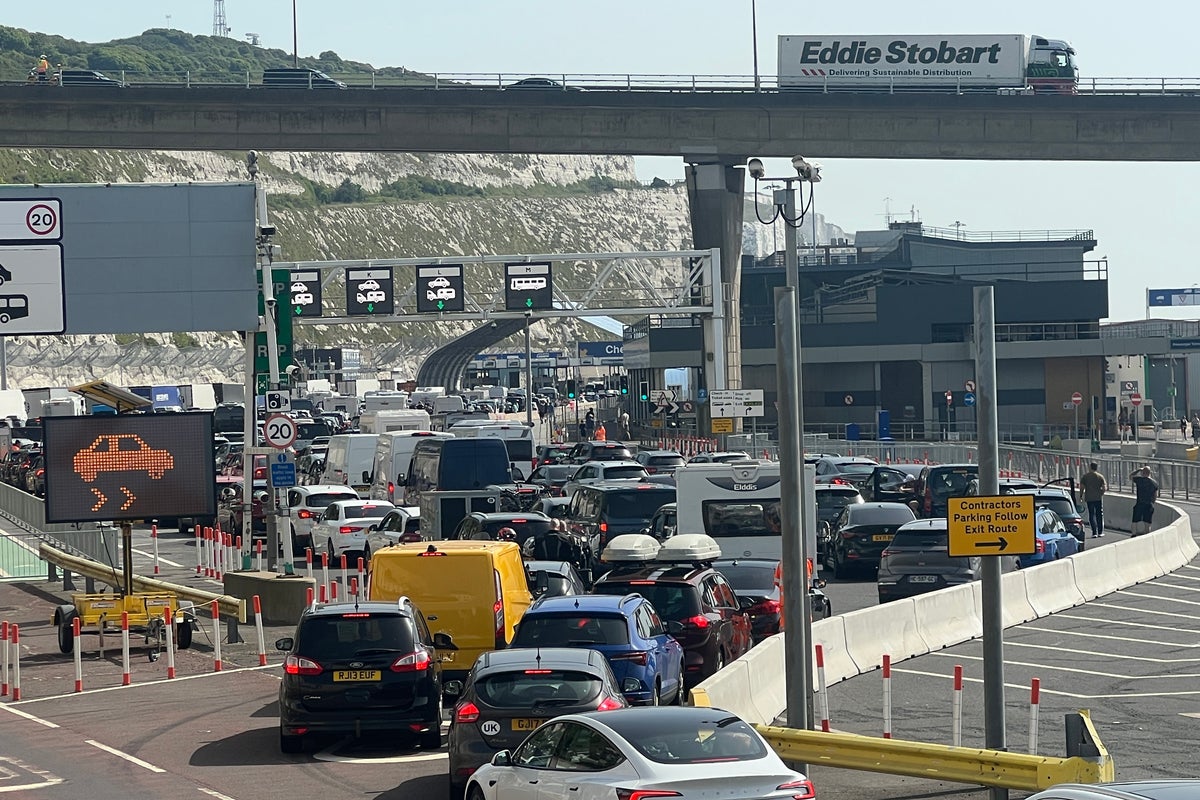
On Saturday morning, I watched from East Cliff in Dover what happens when the “border guard in command at the border crossing point” invokes said article.
Starting before dawn, queues had built up at Eastern Docks, the UK’s main departure point for ferries to Continental Europe.
The congestion was predictable. “Juxtaposed” border controls mean motorists and passengers are processed on British soil before departing for northern France. The system was never designed for anything more than the briefest of scrutiny of passports issued by a fellow member state of the European Union.
But the bold decision a decade ago to leave the EU was a vote (among other things) to become subject to the entry-exit system (EES). At that stage, the digital borders scheme was just a glint in the European Commission’s eye. The regulations were issued before the Brexit referendum.
We should have known what we were signing up for. After many postponements, Europe went 100 per cent EES on 10 April this year – and failed to cope with the subsequent first surge of British holidaymakers to Europe.
At around 9.30am, two things happened: the Port of Dover put out a message that motorists and their families on half-term holidays could expect to wait two hours queueing on the A2 or A20 before entering the Eastern Docks – whereupon they would spend a further 2h30m waiting to pass through the bureaucratic bottleneck of 11 Police aux Frontieres control points. And the chief French border officials decided the travellers, and the town, could take no more.
They doubtless checked the rules. Did “exceptional and unforeseen circumstances” prevail? Were “unforeseeable events” leading to “traffic of such intensity that the waiting time at the border crossing point becomes excessive”. Had “all resources been exhausted as regards staff, facilities and organisation”? Oui.
The message went out: stop registering all passport details on the EES database. Revert to analogue checks and stamping. The effect was magical: switching from freeze-frame to full speed in barely an instant.
Perhaps the official could have a word with their counterpart in Venice Marco Polo airport.
“I seriously believe that the back of the queue would have taken five hours at the rate they were processing people,” writes Simon Atkins. He had flown into an airport where passport control was “virtually empty except our flight from Stansted”. For the next 150 minutes he waited for fingerprinting and the facial biometric (quietly forgotten for now at the Port of Dover, by the way).
“No one at Marco Polo took charge or were able to help or guide people,” Simon writes. “It was an appalling experience. I feel for people with young children.”
The European Union and the Schengen area did not cave in when Article 9 came to the rescue of the good people of east Kent and the travellers simply trying to get away. The idea of a more secure digital border scheme is still valid. But now Brussels must pause and reflect. European Regulation 2016/399 was never designed to contend with the British. We make up more than half of the “third-country nationals” entering and leaving the Schengen area, and collectively add too much pressure, in too many inadequate border locations. Europe and the UK must think again.
Simon Calder, also known as The Man Who Pays His Way, has been writing about travel for The Independent since 1994. In his weekly opinion column, he explores a key travel issue – and what it means for you. After 32 years, this is his last such column.













.png?trim=73,184,2,9&width=1200&height=800&crop=1200:800)