Edinburgh’s tourist tax won’t solve the the problem of overtourism
Tourism levies are no silver bullet for the overtourism crisis, says Rob Perkins of Responsible Travel. Instead, cities like Edinburgh need to radically rethink how they manage tourism – starting with community engagement
 Aliver
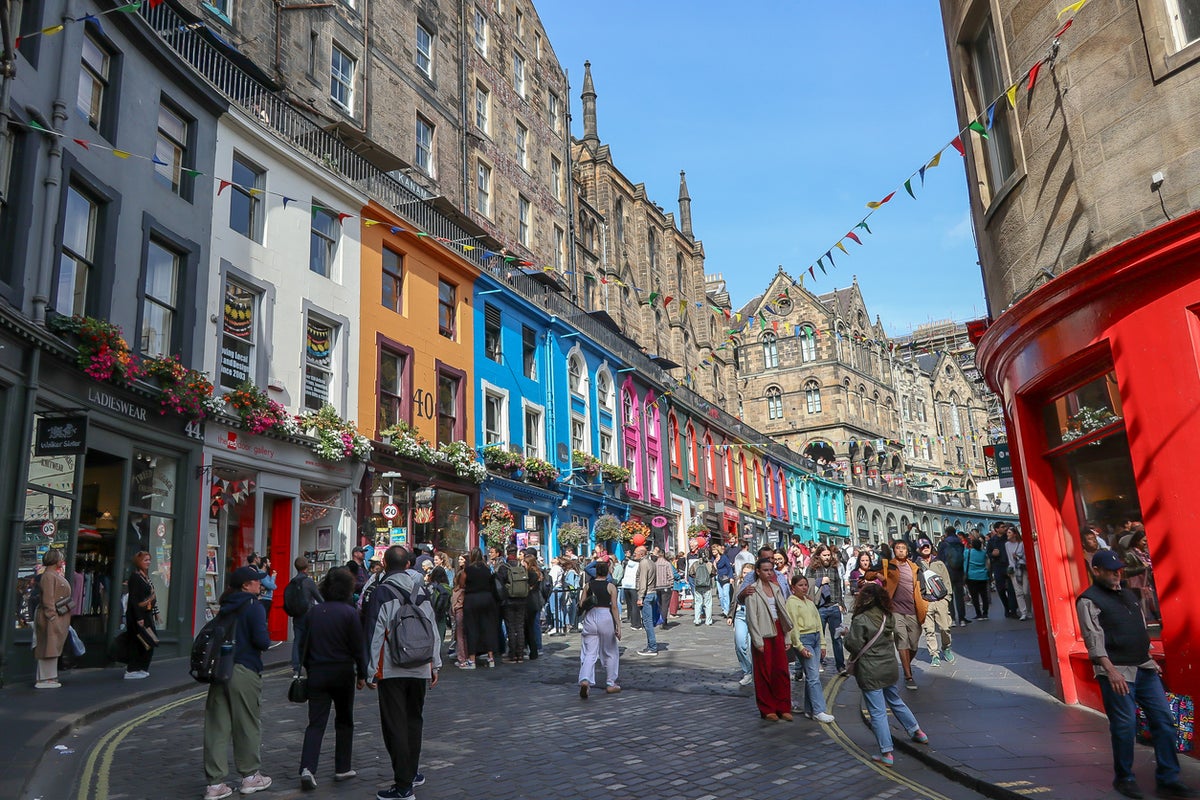
Edinburgh has become the first UK city to charge all overnight visitors a tourism tax. As of Friday, 24 July, anyone staying in paid accommodation will pay a five per cent fee on top of their original booking cost.
Accommodations will pass the levy onto the local authority, which says funds will be reinvested into Edinburgh’s infrastructure and public spaces, as well as arts and community projects including the famous Fringe Festival.
The council estimates proceeds could reach up to £50m a year – no small amount. But as an attempt to fix Edinburgh’s overtourism plight, it can only fall far short.
Edinburgh’s overtourism crisis
Tourism brings incredible economic benefits to Edinburgh, supporting some 40,000 jobs – around 11 per cent of the population. In 2024, tourists spent over £2.5bn in the Scottish capital. So, it’s no surprise this new tax is proving controversial, with many people worried that it could put some visitors off.
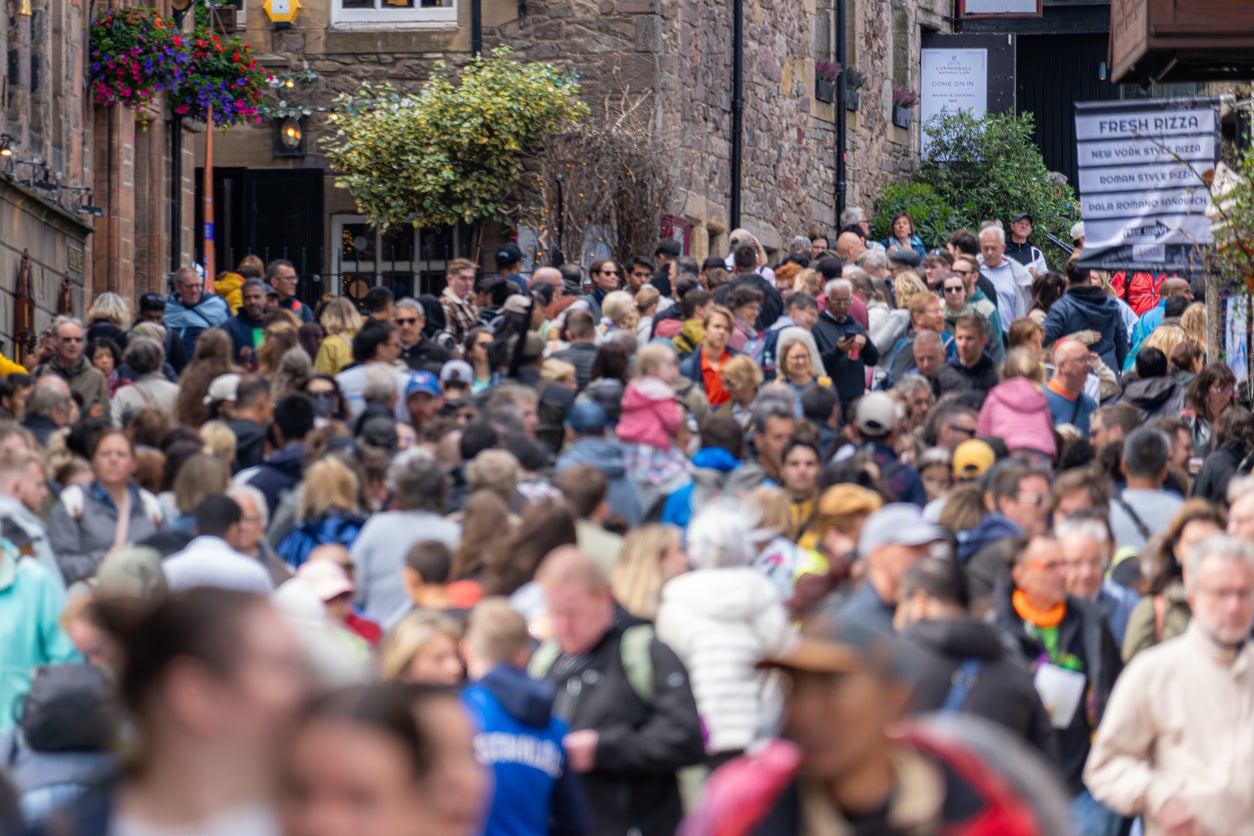
In Edinburgh, tourism has been allowed to expand for decades, concentrated in the city centre, to the detriment of residents and visitors alike. Concerns about this rapid growth, and how it is managed, are nothing new. Many locals worry that the industry is too focused on profit ahead of both visitor experience and the quality of life of residents.
Read more: High costs in Edinburgh ‘little to do’ with new visitor levy, says council
The proliferation of short-term lets has led to social displacement, as people must move further and further beyond the centre to find anywhere affordable to live. Although landlords of short-term lets must now be licensed and the city is cracking down on rule-breakers, there is criticism that it doesn’t go far enough.
Those people who do remain in central Edinburgh struggle with liveability, as nearby businesses cater mostly to the needs of tourists. Shop shelves are full of packaged sandwiches or tartan teddy bears, rather than the products residents need, while restaurants price their menus high and expect a quick turnover of customers anxious to get back to their sightseeing.
During festival season especially, commuters struggle to find space on buses and trams, forced to dodge suitcase-hauling tourists on pavements. Meanwhile, waste collection services are redeployed from suburban areas to focus on the city centre. Perhaps not coincidentally, the new overnight levy has been introduced just ahead of August, when millions of visitors descend on the city for the Edinburgh Festival.
Why Edinburgh’s tourist tax won’t stop overtourism
Edinburgh is the most expensive place in Western Europe for a city break, with accommodation the most significant factor. If people are willing to tolerate £200 a night for a three-star hotel, a small overnight levy is unlikely to make much difference.
Importantly, the levy doesn’t apply to day-trippers or cruise passengers – two groups that have a major impact on crowding, though a separate tax is being considered for cruise passengers.
We can also look to the experiences of other European destinations, from Venice to Lisbon, where, to date, tourism taxes have had little discernible effect on visitor numbers.
But Edinburgh’s problem isn’t simply about tourist numbers – it’s down to a lack of careful stewardship in the past.
How to solve Edinburgh’s overtourism problem
Tourism can only benefit everyone if everyone has their views heard. In Edinburgh, the implementation of the overnight levy is being advised by a forum of elected members drawn from academia, the third sector, businesses and local communities.
But there needs to be discussion and agreement between residents, local businesses and authorities on the wider basis of how the city should be promoted, whether visitor numbers should be capped, and how tourism should be managed.
Spreading tourism to other, less-visited parts of the city, the wider Lothian region and Scotland itself, will help. Edinburgh is one of the most congested cities in the world. But getting tourists out of cars and into trains, trams and buses will require major investment in extra vehicles, routes and maintenance. This is somewhere that the proceeds of a tourist tax could be very useful.
Luckily, Edinburgh has plenty of other European cities it can look to for ideas. Barcelona, for instance, has decided to stop attempting to grow tourist numbers altogether, reducing the number of pavement cafes so people can walk around more easily, and subsidising shops that residents actually need. Making the city more liveable for residents should make the visitor experience more enjoyable, too. It’s local people, after all, who create the culture and traditions that tourists come to see.
At the heart of the issue is this. Who is Edinburgh for? Is it to become like Venice, whose city centre is now essentially little more than a theme park? Or is it to be a place where residents can enjoy normal lives, and visitors can feel truly welcome and appreciated? The time to have this conversation is now, before the overtourism crisis gets worse. And if the new tourist tax gets people talking, then that can only be a good thing.
You can watch Responsible Travel’s overtourism documentary, Crowded Out, here
Read more: First UK city-wide tourist tax begins – here’s how much it will cost