Fast Food Marketing Strategies to Grow Restaurant Brands
Do you ever wonder how your favorite fast food restaurant manages to stay ahead in the fierce competition, constantly tempting your taste buds and making your tummy rumble with its delectable offerings? The solution can be found in the...
 Tfoso
Tfoso
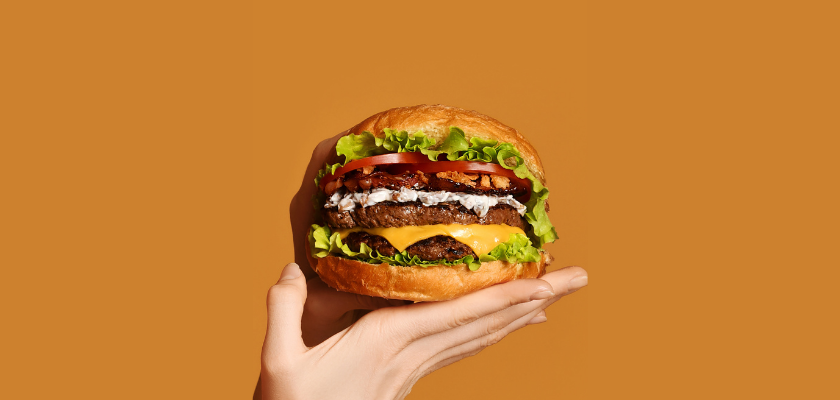
Do you ever wonder how your favorite fast food restaurant manages to stay ahead in the fierce competition, constantly tempting your taste buds and making your tummy rumble with its delectable offerings? The solution can be found in the fascinating realm of fast food restaurant digital marketing tactics!
In today’s ever-connected world, the secret sauce to success for fast food restaurants is their ability to harness the power of digital marketing strategies.
In this article, we are about to unveil the very strategies that keep fast food restaurants at the top of their game, satisfying not only your cravings but also captivating millions of hungry souls across the digital landscape.
Join us as we explore the magic behind fast food marketing strategies and reveal the game-changing marketing strategies that leave customers wanting more.
Inside Fast Food Marketing Strategies
What Is Fast Food Marketing? Why Fast Food Marketing Requires a Different Strategy How to Build a Fast Food Marketing Strategy High-Impact Fast Food Marketing Strategies Digital Marketing Strategies for Fast Food Restaurants Social Media Marketing for Fast Food Brands Fast Food Advertising Strategies Promotions and Limited-Time Offers for Fast Food Restaurants Online Ordering and Delivery Marketing Loyalty and Customer Retention Strategies Local Marketing Strategies for Fast Food Restaurants Marketing Strategies for Fast Food Restaurant Chains How to Build a Competitive Fast Food Marketing Strategy What Does a Food Marketing Agency Do for Fast Food Brands? How to Measure Fast Food Marketing Performance Frequently Asked Questions About Fast Food MarketingWhat Is Fast Food Marketing?
Fast food marketing falls under the broader “food marketing” umbrella, but it deserves to be treated as a distinct discipline, not merely part of restaurant marketing campaigns.
A fine-dining restaurant’s marketing priority is usually experience and storytelling; a fast food brand’s job is built around speed, convenience, and repeat habit. The audience isn’t being sold on a memorable evening out. They’re being sold on solving “I’m hungry, right now” as efficiently as possible.
That distinction shapes almost every marketing decision a fast food brand makes. Here are the dynamics that set the category apart:
Speed: Customers decide in seconds, often while walking, driving, or scrolling between tasks. Marketing messages need to be scannable and instantly understandable. There’s no room for a slow build-up. Convenience: Easy menu access, fast ordering, and fast delivery all need to be reflected in the communication itself. A confusing app or a cluttered menu page undoes what the advertising promised. Location: Physical proximity plays a major role in the purchase decision. A customer is far more likely to choose whichever brand is closest, open, and easy to reach, which makes location-aware marketing a necessity, not a nice-to-have. Pricing: Value perception directly shapes how a brand positions itself in the category. Fast food customers are highly price-aware, and pricing signals (value menus, combo pricing, “deal” language) do a lot of the persuasive work. Frequency: Customers can order more than once a week, which turns marketing into an ongoing loop rather than a single push. The goal is to be the default choice, repeatedly. Impulse purchase: Decisions are often unplanned, triggered by a visual, a smell, a notification, or simply passing a location. This is why visual appeal carries so much weight in fast-food creative. Delivery: The digital ordering and delivery ecosystem is now a core part of the marketing mix, obviously. Where and how a brand shows up inside a delivery app is itself a marketing decision. Repeat business: For fast food brands, growth comes less from new customer acquisition and more from getting existing customers to come back often. Retention economics matter more here than in almost any other restaurant category.Why Fast Food Marketing Requires a Different Strategy
Traditional restaurant marketing tends to work with longer consideration windows and lower purchase frequency; a diner might research a restaurant for a special occasion days in advance.
Fast food flips that model entirely: high purchase frequency, low consideration time, intense competition, and heavy location dependency all collide at once, and a delivery ecosystem sits on top of all of it.
The frequency-consideration mismatch
A customer might choose the same fast food brand several times a week, which means the brand needs to stay constantly top of mind, without winning attention just once. At the same time, that same customer is spending only a few seconds weighing the decision, so the message has to land instantly, without requiring explanation. This combination (high frequency, low consideration) is unusual, and it’s the reason fast food marketing leans so heavily on repetition, visual shorthand, and habit-building mechanics like loyalty apps.
Competitive density
Few categories pack as many competing options into the same few city blocks as fast food does.
A customer choosing lunch is often weighing five or six nearby options within the same price band, all reachable within minutes. That density means share of voice, visibility, and pure frequency of exposure matter enormously; a brand that goes quiet for a few weeks can lose meaningful ground.
Location dependency
Because proximity so heavily influences the decision, fast food marketing can’t be planned purely at the brand level. It has to work down to the level of the individual restaurant, factoring in local competition, local search behavior, and even local traffic patterns.
The delivery layer
Platforms like Uber Eats, DoorDash, and Grubhub have become both a new sales channel and a new competitive battleground. A brand’s strategy now has to account not just for the door of its own restaurant, but for its position, ranking, and visual presentation inside a customer’s delivery app.
Taken together, a fast food marketing strategy has to function as a living system that operates under constant pressure from speed, repetition, competitive density, and location.
How to Build a Fast Food Marketing Strategy
Building a solid fast food restaurant marketing strategy comes down to five foundational steps. Skipping any one of them tends to produce marketing that looks busy but doesn’t compound into real growth.
1. Clarify the target audience
Is the brand speaking to a speed-focused younger crowd chasing the latest limited-time item, families looking for an easy, affordable meal, or office workers grabbing a fast lunch between meetings?
Each segment has different triggers, different price sensitivity, and different channels where they actually spend time. Trying to speak to all of them with one generic message usually means speaking effectively to none of them.
2. Define competitive positioning
Does the brand win on price, speed, menu variety, indulgence, or healthier options?
This single decision should anchor every piece of communication that follows; visuals, tone of voice, promotion structure, even which platforms get the most investment.
3. Set menu and product priorities.
Which items serve as the brand’s “hero” products; the ones that show up in every ad and every social post?
Which items are reserved for seasonal or limited-time campaigns designed to create trial and urgency?
A menu without a clear hierarchy makes every campaign harder to plan.
4. Decide on a local vs. chain strategy.
A single-location restaurant and a multi-unit chain have very different marketing priorities. An independent operator can build 100% of their marketing around their immediate neighborhood. A chain has to balance central brand consistency with the flexibility individual locations need to compete locally.
5. Choose the right channel mix.
The right combination of social, search, email/SMS, in-app notifications, and delivery platforms should be chosen based on where the target audience actually spends time, how they prefer to order, and where budget will generate the most return.
Together, these five steps produce a strategy framework that’s specific to the brand, internally consistent, and measurable, the foundation everything else in this article builds on.
High-Impact Fast Food Marketing Strategies
A handful of tactics, executed well and working together, are what separate standout fast food brands from the pack. None of these work in isolation, the strongest fast food marketing programs run several of them simultaneously and let each one reinforce the others.
Imagine scrolling through your feed and stumbling upon a sumptuous image of a sizzling burger, adorned with melted cheese and fresh toppings. Your eyes lock onto the crispy golden fries, perfectly seasoned and served alongside a refreshing beverage. The visual feast is so vivid that you can almost taste the flavors, and before you know it, you find yourself craving that very meal.
When we look at the McDonald’s ads, for example, which take on an important part in McDonald’s marketing strategy, we just can’t stop thinking about ordering a delicious meal:
These carefully crafted, high-quality visuals are the secret ingredients that make fast food restaurants stand out in the digital landscape. They are strategically shared across social media platforms and the restaurant’s website, where they act as irresistible invitations for customers to indulge in their favorite treats.
Short-form video
Reels, TikToks, and Shorts that show product prep, satisfying sound design (the sizzle, the crunch, the pour), or fun brand moments consistently drive stronger organic reach than static posts. This format rewards personality and authenticity over polish; a slightly rough, entertaining video often outperforms an expensively produced one.
Like the following one:
Influencer and creator partnerships
In the age of social media influencers, a single recommendation holds the power to spark a food frenzy. Fast food restaurants have harnessed this influence to reach a wider audience by collaborating with popular personalities in the food and lifestyle niche. Imagine a famous food influencer, beloved by thousands of followers, raving about a new burger joint. With a simple post or story, they create a viral buzz around the restaurant’s offerings, piquing the curiosity of their devoted followers.
These influencers skillfully whip up engaging content featuring the restaurant’s most delectable dishes. They capture every scrumptious detail and share their delightful dining experiences with their captivated audience.
As a result, the restaurant gains instant credibility and exposure, attracting hordes of hungry food enthusiasts eager to taste the same culinary delights. Influencer partnerships have become a powerful marketing strategy that takes fast food restaurants from the shadows into the spotlight.
Let’s see how Subway’s partnerships with influencers are going:
Subway prefers to work with sports industry-related Instagram figures in accordance with its target audience: people who are into healthier options; in the post below, you can see a famous American football player, Patrick Mahomes:
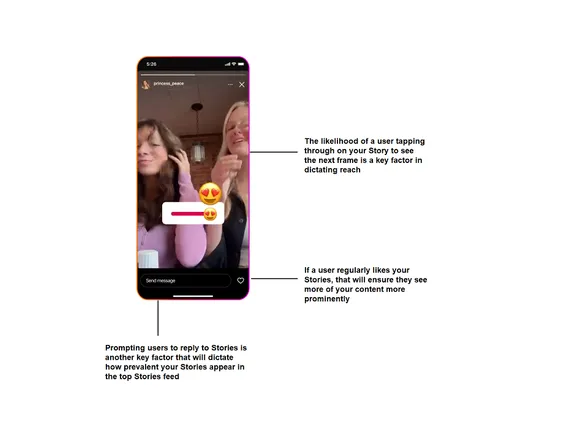
Fast food restaurants sprinkle the secret ingredient of social media engagement onto their marketing menu, creating a strong bond with their audience. By actively posting regular updates and high-quality images and videos, they keep their brand fresh in the minds of potential customers.
But it doesn’t end there. Social media engagement is a two-way street. Fast food restaurants actively respond to comments, address queries, and participate in interactive campaigns, making customers feel valued and heard.
As a result of these endeavors, fast food companies foster a sense of community around the brand, and a loyal community always eagerly awaits new offerings, which is actually among the ultimate business goals of fast food giants. The successful marketing strategies of fast food chains mostly focus on creating brand awareness and then loyalty.
For example, regularly posting engaging content is an essential part of Burger King’s marketing strategy, and the brand aims to make its followers share it with their friends and leave comments, and as a result, more people know and like the brand:
Here’s a similar example from another big fast food brand, KFC. And again, high engagement is among the key aspects of KFC’s marketing strategy:
User-generated content (UGC)
Photos and videos customers create on their own: unboxing a delivery order, reacting to a new menu item, filming a drive-thru haul… All are both cost-effective and a powerful form of authentic social proof. Encouraging UGC through branded hashtags, contests, or simple reposting builds a library of content the brand doesn’t have to produce itself.
We really love Cardi B’s UGC-style fast food videos. You may think that it’s not purely UGC since it sounds like paid collaboration; however, the way she promotes the products is worth analyzing as UGC:
Promotions and campaigns
Limited-time offers, combo deals, and price-led campaigns speed up the purchase decision in a low-consideration environment. A well-timed promotion can turn a “maybe later” into an “order now.”
A smooth online ordering experience
No matter how good the marketing is upstream, a fast, simple, mobile-first ordering flow is the step where that marketing actually converts into a sale. Every extra tap, every confusing menu category, and every slow-loading page is a place where a customer can abandon the order.
Loyalty programs
Implementing a well-crafted loyalty program can be a game-changer in building a base of dedicated customers. By offering exclusive rewards, enticing discounts, and limited-time deals to repeat visitors, restaurants can create a delightful incentive for customers to choose them over their competitors.
In other words, loyalty programs transform the dining experience into rewarding journeys, where each visit brings the promise of something extra special. And in this win-win situation, customers savor the perks, and the restaurant enjoys a loyal band of patrons who keep the flavor of their success alive.
If you want to develop a successful marketing strategy just like the big players in the industry do and ensure that everything goes fast and smoothly throughout this marketing project, check out our handpicked list of top food marketing agencies.
Digital Marketing Strategies for Fast Food Restaurants
Embracing digital marketing offers numerous benefits that can significantly impact a fast food restaurant’s success.
From reaching a wider audience to gaining invaluable insights into customer preferences, digital marketing paves the way for new success stories.
Let’s look at its benefits one by one but before diving deep, check out our digital marketing marketplace. It’s filled with high-quality digital agencies ready to present their best offers to you! Once you find a marketing agency in the marketing marketplace that captures your heart, you can breathe a sigh of relief knowing that every opportunity in the digital marketing world is being leveraged for your fast food brand.
Finding the right agency is only the first step; the real value lies in how they align and execute your brand’s growth strategy. A specialized partner bridges the gap between hiring expertise and building a cohesive online presence, turning raw promotional tactics into a streamlined marketing engine.
On the digital side, a fast food brand has multiple channels at its disposal, and the strongest programs treat them as parts of one connected customer journey rather than separate initiatives run by separate teams.
👉🏻SEO and local SEO
Ranking well for “[brand name] near me” or “fast food near me” searches drives foot traffic and online orders directly. Local SEO, an optimized Google Business Profile, consistent name/address/phone data across the web, and location-specific landing pages, is often the single highest-leverage digital investment for a multi-location brand, since it captures customers at the exact moment they’re deciding where to eat.
👉🏻Paid search
Showing up for brand-name searches, product-name searches, and “order [item] near me” intent queries recaptures traffic that might otherwise slip to a competitor sitting one spot higher in the results. This is defensive as much as it is offensive; brands that skip paid search on their own name often find competitors bidding on it instead.
👉🏻Paid social
Visually driven ads on platforms like Instagram, TikTok, and Facebook can be used for both broad awareness and direct order conversion, especially when paired with dynamic creative that rotates in seasonal or limited-time items.
👉🏻Organic social media
A steady stream of content that carries the brand’s voice, responds to culture in real time, and builds community, the layer that keeps a brand feeling alive between paid pushes.
👉🏻Email and SMS marketing
Personalized offers, especially to loyalty program members, deliver strong repeat-order rates at very low cost per message. A well-timed SMS (“your usual order, 20% off today only”) can outperform far more expensive channels on pure ROI.
👉🏻Mobile apps
Push notifications, in-app exclusive deals, saved payment methods, and easy reordering features are powerful drivers of both convenience and loyalty. The app is often where a brand has the most control over the entire customer experience, end to end.
👉🏻Delivery platforms
Visibility, ratings, and featured placement on platforms like Uber Eats, DoorDash, and Grubhub function as a discovery channel as much as a sales channel. So, many customers browse these apps the way they’d browse a search results page, choosing from whatever ranks highest and looks most appealing.
All of these channels should be planned as parts of one customer journey. Someone discovers the brand through paid social, checks it out via a local search, orders through the app, and gets pulled back in through an SMS offer a few days later. Managing each channel in isolation leaves that journey disconnected.
Social media for a fast food brand goes well beyond “post regularly and reply to comments.”
Real impact comes from building a distinct voice, a recognizable visual language, and a platform-specific content strategy that treats each channel differently (instead of cross-posting the same content everywhere!)
So, here are our suggestions:
Platform-specific content: Polished, well-lit product shots tend to perform well on Instagram, where the aesthetic bar is higher. TikTok, by contrast, rewards raw, fun, trend-driven content. Like, jumping on a trending sound or format often outperforms a beautifully shot ad. Treating every platform the same way leaves performance on the table on all of them.
A distinct brand voice: Some of the most talked-about fast food social accounts have built their entire presence around a recognizable tone; playful, sharp, self-aware, or willing to banter with followers and even competitors. That consistency of voice is what turns a brand’s account from a bulletin board into something people actively want to follow.
Community management: Fast, on-brand responses to comments, DMs, and tags directly build customer loyalty and turn casual followers into vocal fans. A brand that ignores its comments section is leaving free goodwill on the table.
Reacting to cultural moments: Timely, brand-appropriate content tied to what’s trending. A meme format, a cultural event, or a competitor’s announcement… It can multiply organic reach far beyond what a planned content calendar alone would deliver. This requires a level of agility that many brands under-invest in.
User participation. Contests, polls, “build your own combo” prompts, and other interactive formats turn followers from passive viewers into active participants, which social platforms tend to reward with additional organic reach.
Consistency on social media (showing up with a recognizable voice week after week) creates far more long-term value than any single viral moment, even a highly successful one.
Fast Food Advertising Strategies
Fast food advertising has moved well beyond billboards and TV spots. An effective advertising strategy today combines several paid channels, each doing a slightly different job in the funnel.
Paid social ads: Visual and video-first formats that appear naturally in the target audience’s feed, often built around a single hero product or a limited-time offer to keep the message simple and immediate.
Google Ads: Both search and display placements reach users with high purchase intent. Someone actively typing “fast food near me” or “[item] delivery” is about as high-intent as advertising gets.
Geo-targeting: Ads served to users within a set radius of a specific location, pointing them to the nearest restaurant with directions or an order link built in. This is one of the highest-converting tactics in the category precisely because it matches the category’s core dynamic: proximity drives decisions.
Delivery platform promotions: Featured placement, sponsored listings, and discount codes within delivery apps boost visibility inside a channel where customers are already primed to order. Often the difference between appearing on the first screen a customer sees and getting buried several scrolls down.
Retargeting: Re-engaging users who visited the website or opened the app but didn’t complete an order, often with a small incentive, recovers conversions that would otherwise be lost entirely.
Creator-led ads: Ad formats produced by creators that feel organic but are paid amplification behind the scenes. These consistently outperform traditional banner-style ads on engagement, because they arrive in a format the audience already trusts and enjoys.
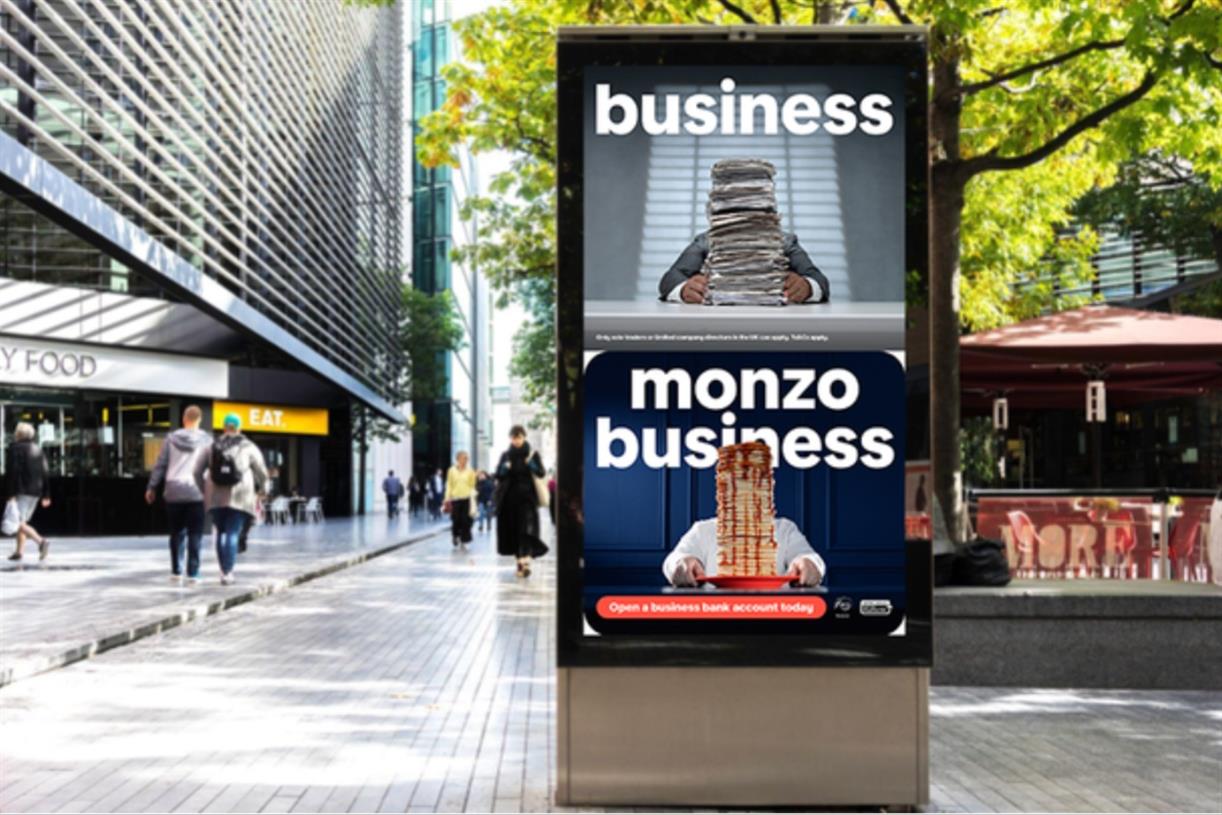
Out-of-home and traditional media: Billboards, transit ads, and drive-thru signage still matter for fast food specifically, precisely because of the location-dependency dynamic covered earlier. A well-placed billboard near a highway exit can drive immediate, trackable foot traffic in a way few other traditional formats can.
Limited-time offers (LTOs) are arguably the strongest growth lever in the fast food category, as you know. They drive trial, create urgency, and give the brand a steady stream of “new” to talk about without having to overhaul the core menu.
Meal deals: Bundled combinations (entrée, side, and drink) that boost perceived value and simplify the decision for the customer. A clear, well-priced deal often converts better than a menu of individually priced items, simply because it removes decision friction.
Bundles: Similar to meal deals but often built around a specific occasion. Family bundles, group meals, or add-on bundles designed to increase average order value.
Seasonal menu items: Time-limited products tied to a season, holiday, or cultural moment create curiosity, urgency (“only available until it’s gone”), and a reason for lapsed customers to come back and try something new.
App-only offers: Discounts and exclusive items available only through the mobile app or loyalty program drive both app downloads and repeat usage, while also generating valuable first-party data every time they’re redeemed.
Time-of-day and day-of-week promotions: Offers targeted at traditionally slower periods, like a mid-afternoon deal, a weekday-only discount, help smooth out demand and drive incremental orders during hours that would otherwise go underutilized.
The success of any LTO or promotion comes down to two things: precise timing and a genuinely clear sense of urgency in the messaging. A vague “limited time” claim does far less work than a specific countdown or a hard end date.
Online Ordering and Delivery Marketing
Time is precious, and fast food restaurants know this very well. They’ve embraced online ordering and delivery services to cater to the modern foodie’s needs. With just a few taps on their smartphones, customers can explore the menu, customize their orders, and have their favorite meals delivered straight to their doorsteps.
Most fast food restaurants are on famous food delivery apps like Glovo and Uber Eats. Here’s how Church’s Chicken leverages Uber Eats and highlights their partnership on Instagram:
So, we can simply say that online ordering and delivery now sit at the center of fast food marketing, not on the periphery of it. There’s an important distinction every brand needs to make here: first-party ordering (orders placed through the brand’s own website or app) versus orders coming through third-party delivery platforms like Uber Eats or DoorDash.
Why first-party ordering matters
First-party ordering gives the brand direct customer data (order history, contact information, preferences), meaningfully lower commission costs compared to third-party platforms, and the ability to integrate ordering directly with a loyalty program. This is why so many brands run visible campaigns specifically encouraging customers to order through the brand’s own app or site rather than a delivery platform. Every first-party order is both cheaper and more valuable long-term than a third-party one.
Why third-party platforms still matter
Delivery platforms offer broad access to new customers browsing the app who may never have encountered the brand otherwise, and exposure in a channel with enormous existing usage. The trade-off is real, though: high commission fees eat into margin, and the brand has limited control over presentation, ranking, and the customer relationship itself.
Building a coherent approach
A strong online ordering and delivery marketing strategy usually includes:
A fast, simple, mobile-first ordering flow with as few steps as possible between “I want this” and “order placed” Menu and pricing consistency across the website, app, and every delivery platform the brand appears on Clear incentives that nudge customers toward first-party ordering; for example, an app-exclusive discount or loyalty points that only accrue on direct orders Recognition that delivery speed and order accuracy shape the customer’s entire perception of the brand, regardless of which channel the order came throughGetting this balance right (leaning into first-party ordering where possible while still using third-party platforms for discovery) is one of the more consequential strategic decisions a modern fast food brand makes.
Loyalty and Customer Retention Strategies
Loyalty programs are one of the most effective ways fast food brands turn a one-time purchase into a habit. But a strong loyalty strategy today goes well beyond the classic “buy nine, get the tenth free” punch card. It’s become a core piece of digital infrastructure.
App-based rewards: Points, tier systems, and personalized offers delivered through the brand’s app enrich the entire ordering experience, giving customers a reason to open the app even when they weren’t already planning to order.
Frequency-based triggers: Automated campaigns based on actual customer behavior, for example, a win-back offer triggered automatically when a customer hasn’t ordered in two or three weeks, target the exact metric that matters most in fast food: how often someone comes back.
Personalization: Recommendations or offers based on a customer’s past order history (“try this again” or “you might like this new item, based on what you usually order”) meaningfully lift both conversion rates and average order value compared to generic, one-size-fits-all promotions.
Gamification: Streaks, challenges, surprise rewards, and progress bars toward the next reward tier tap into the same psychology that makes mobile games engaging, and they keep customers checking in with the app between purchases.
First-party customer data: Perhaps most importantly, a loyalty program gives the brand a direct customer database (like names, contact details, order history, preferences) that’s fully owned by the brand and independent of third-party platforms. In an environment where delivery apps and social platforms control so much of the customer relationship, this owned data is one of the most valuable long-term assets a fast food brand can build.
Loyalty is a relationship that needs to be actively nurtured throughout the entire customer lifecycle, from the first order to the hundredth.
Local Marketing Strategies for Fast Food Restaurants
A single independent restaurant, a franchise location, and a chain-owned unit each approach local marketing from very different starting points, even if they’re selling the exact same menu.
Single-location / independent restaurant:
The full marketing budget and message can be built entirely around the immediate neighborhood, offering maximum flexibility; sponsoring a local event, running a promotion tied to a nearby school or sports team, or simply becoming a recognizable local presence in a way a national chain never quite can.
Franchise location:
Marketing generally has to stay true to the central brand identity, like approved assets, tone of voice, pricing guardrails, while still having some, though usually limited, freedom to run local campaigns, sponsor community events, or adjust promotions to fit the immediate area.
Chain-owned location:
Local marketing operates almost entirely as an extension of the central strategy, executed within predefined frameworks and toolkits handed down from corporate marketing.
Regardless of ownership structure, the core local marketing toolkit looks similar:
1. Optimize Local SEO Build dedicated restaurant landing pages, use location keywords, and maintain accurate NAP details.
Search Visibility
2. Manage Google Business Profile Keep hours, menu, and photos current while actively driving and responding to customer reviews.
Trust & Reputation
3. Run Geo-Targeted Ads Deliver customized offers exclusively to potential customers within a set radius of your store.
Radius Ads
4. Launch Hyper-Local Promos Tie campaigns to local sports, school events, and neighborhood happenings that national ads miss.
Community
Marketing Strategies for Fast Food Restaurant Chains
For a multi-location chain, marketing comes down to answering one recurring question: how do you balance brand consistency with local relevance?
Get this wrong in either direction and the brand suffers. Too centralized and it feels generic and disconnected from each community; too decentralized and the brand identity fragments across locations.
Centralized campaigns: Brand identity, tone of voice, major creative assets, and flagship campaigns are managed centrally to keep perception consistent across every location, no matter where a customer encounters the brand.
Regional offers: Within that central framework, campaigns can still be adapted to regional tastes, local competition, or seasonal demand — a spicier item that performs well in one region, or a promotion timed around a regional event.
Franchise flexibility: Franchise locations are often given limited but meaningful autonomy over local budget allocation and certain campaign choices, letting individual owners respond to what’s actually happening in their immediate market.
Multi-location measurement: Tracking performance by location, region, and channel makes clear which campaigns are actually working and where. A promotion that performs brilliantly nationally might be masking dramatically different results location by location, and only granular measurement reveals that.
Coordinated launches: New product launches and major promotions need tight coordination across the supply chain, in-store operations, and marketing timing; a nationally advertised item that individual locations haven’t been stocked or trained for creates a gap between the promise and the experience.
How to Build a Competitive Fast Food Marketing Strategy
Building a competitive strategy is totally spotting the gaps they’ve left open and building a position they can’t easily match! So, here are our suggestions you may want to think of while building your fast food marketing strategy:
Competitor positioning: Understanding what messages, price points, and audiences competitors are targeting sharpens a brand’s own point of differentiation. If every competitor in the category is chasing the same value-menu price war, there may be more opportunity in leaning into quality, speed, or menu variety instead.
Pricing and promotion balance: Constant discounting erodes margin and can train customers to wait for a deal before ordering at all, while never promoting can weaken competitiveness in a category where customers actively compare deals across brands. The right balance is brand-specific and needs regular reassessment as competitors’ own pricing shifts.
Menu differentiation: Signature items competitors don’t have, like a specific sauce, a unique format, a flavor combination tied closely to the brand, create a competitive edge that exists outside of price. And, one that’s much harder for a competitor to copy quickly.
Convenience as a competitive lever: Order speed, delivery time, drive-thru efficiency, and location accessibility often matter more to fast food customers than taste alone. A brand that’s reliably faster than the competitor next door has a real advantage.
Share of voice: A brand’s digital visibility relative to competitors directly shapes long-term top-of-mind awareness. Falling behind on share of voice, even temporarily, tends to show up in declining traffic weeks or months later. How often it shows up in feeds, search results, and conversations… all are important.
Customer experience consistency: Consistency across every touchpoint drives repeat preference far more reliably than any single campaign. A brand can win the click and still lose the customer if the in-restaurant or delivery experience doesn’t match what the marketing promised.
What Does a Food Marketing Agency Do for Fast Food Brands?
A fast food brand has to coordinate dozens of moving parts: SEO, social content, paid advertising, influencer relationships, loyalty program design, delivery platform management, and performance measurement. Doing all of that well, in-house, stretches even strong marketing teams thin. That’s where a food marketing agency comes in.
A food marketing agency typically supports fast food brands with:
Brand strategy and positioning, helping define what the brand stands for and how that translates across every channel Social media content creation and management, including platform-specific creative and day-to-day community management Paid social and search advertising, from campaign strategy through creative production and ongoing optimization Influencer and creator partnerships, sourcing and managing relationships with creators whose audiences match the brand’s target segment Local SEO and Google Business Profile management, especially valuable for multi-location brands managing dozens or hundreds of individual listings Loyalty program design and CRM integration, connecting marketing technology with the systems that power personalized offers Campaign performance measurement and reporting, turning raw data from every channel into a clear picture of what’s workingBrands looking for the right agency partner can start with Digital Agency Network’s directory of food and beverage industry agencies, which makes it easier to compare specialists rather than starting from scratch. For inspiration from standout examples in the category, it’s also worth browsing iconic food marketing campaigns that have shaped how the industry thinks about creativity.
How to Measure Fast Food Marketing Performance
To know whether a fast food marketing strategy is actually working, the right metrics need to be tracked consistently and read together.
1. Track Online Orders & Basket Size Monitor order counts and average basket size, separating 1st-party and 3rd-party channels.
Digital Sales
2. Measure Store Foot Traffic Compare physical visits year-over-year to account for seasonal trends.
Foot Traffic
3. Monitor Promo Redemption Rate Track used offer percentages to fix uncompelling promos or poor targeting.
Promotions
4. Balance CAC vs. Lifetime Value Calculate paid channel acquisition costs against expected customer lifetime value.
Acquisition
5. Track Order Frequency Measure repeat purchases over time—the primary metric driving fast food economics.
Retention
6. Audit Loyalty Program Growth Track new sign-up velocity and the percentage of total sales from enrolled members.
Loyalty
7. Optimize Channel ROAS Track ad revenue per channel to shift budgets toward the highest-converting sources.
Ad Spend
8. Map Revenue by Location & Channel Identify top and bottom-performing stores and channels to allocate budget intelligently.
Allocation
Read together, these metrics build a real picture of performance: a campaign can drive plenty of online orders while quietly cannibalizing in-store visits, or generate strong redemption while doing nothing for actual repeat frequency. Isolated metrics can tell a misleading story; the combination is what reveals whether the strategy is actually working.
Wrapping Up
As we conclude this flavorful journey through the world of digital marketing strategies for fast food restaurants, it becomes evident that the recipe for success lies in leveraging technology to satisfy the cravings of modern consumers. From enticing visuals to influencer partnerships, each strategy plays a significant role in the fast food industry’s digital triumphs. For a successful fast food restaurant marketing journey, we suggest you get in touch with food marketing agencies in the UK to benefit from their expertise.
Frequently Asked Questions About Fast Food Marketing
What is fast food marketing?
Fast food marketing is a marketing approach built around speed, convenience, location, and repeat purchase behavior; the dynamics unique to fast food restaurants, as opposed to the longer consideration cycles typical of traditional restaurant marketing.
What are the best marketing strategies for fast food restaurants?
Strong visual content, short-form video, influencer partnerships, limited-time promotions, a frictionless online ordering experience, and loyalty programs are among the most effective strategies, especially when run together as a connected system rather than as isolated tactics.
How do fast food restaurants attract customers?
By capturing attention with appetizing visuals, a consistent social media presence, targeted advertising, and compelling promotions, then converting that interest into a sale through a fast, easy ordering experience both in-restaurant and online.
What digital marketing channels work best for fast food restaurants?
Local SEO, paid search, paid social, organic social media, email/SMS marketing, and strong visibility on delivery platforms typically deliver the strongest results when used together, since each channel plays a distinct role across the customer journey.
How do restaurant chains use digital marketing?
Chains generally use a hybrid approach: centralized brand consistency and flagship campaigns paired with regional and location-level campaigns that boost local relevance, supported by measurement that tracks performance down to the individual location.
Does social media marketing work for fast food brands?
Yes. Fast food brands that build a consistent, distinctive voice, especially on visual and video-first platforms, tend to see strong results in both awareness and order conversion, and a recognizable brand voice on social often becomes a competitive advantage in its own right.
How can fast food restaurants increase repeat orders?
Through personalized loyalty programs, app-exclusive offers, frequency-based win-back campaigns, and recommendations based on past order history. All aimed at increasing how often an existing customer orders, rather than only focused on acquiring new ones.
What does a food marketing agency do?
A food marketing agency supports a fast food brand end-to-end, from brand strategy and social media management to paid advertising, influencer partnerships, local SEO, loyalty program design, and performance measurement, often serving as the coordinating layer across dozens of moving marketing pieces at once.








_1.png)







.jpg&h=630&w=1200&q=100&v=7abd35f457&c=1)
.jpg&h=630&w=1200&q=100&v=7abd35f457&c=1)