From the Academy: Ritual
Innovation and tradition in Buddhist ritual The post From the Academy: Ritual appeared first on Tricycle: The Buddhist Review.
 Koichiko

Innovation and tradition in Buddhist ritual
A Tibetan Buddhism practitioner with a mala and hand mudra in prayer. | Photo: BJ Graf of RetreatTours
From the Academy is a monthly email newsletter for Premium subscribers, developed in collaboration with Tricycle’s resident Ho Family Foundation Buddhism Public Scholar. Each issue offers a scholarly take on a key topic in Buddhist thought and practice, with further readings and videos for exploration. Select issues are published here for the wider Tricycle community.
Why do we bow, chant, or light incense, even when we’re not always sure what it means? Ritual marks something as meaningful or sacred—an object, a place, or a moment in time. Through symbolic gestures, it sets these things apart from daily life and brings people together in a shared purpose.
Rituals usually follow a script, with a beginning, middle, and end. This structure lets communities pass them down over time and perform them the same way again and again. In this way, rituals deepen a sense of connection to a tradition and to others following in that tradition.
Ritual in Buddhist Practice
In Buddhist traditions, ritual comes in many forms, from simple acts like bowing or offering food to elaborate initiations. These practices often reflect a person’s role within a community or tradition. They frequently reaffirm a vow, honor a teacher, venerate an ancestor, or feed a hungry ghost.
Rituals vary widely across Buddhist cultures, each having its own style and emphasis. Local ritual customs help shape a community’s identity and instill a sense of belonging. Even brief gestures can reorient the practitioner to the sacred and help settle the body and mind. Placing the hands together in a sign of respect (Skt.: anjalimudra), chanting, and reciting an aspiration are common examples. These ritualized actions have long helped to frame and support practice in many Buddhist traditions.
Preserving and Adapting
Ritual has always been a crucial way of passing down Buddhist traditions, but its forms are never fixed. Over time and across cultures, they shift, usually slowly, but sometimes dramatically. These changes allow ritual to stay connected to the past while serving new needs in the present.
Thai monks, for example, have used the traditional ordination ceremony to bless and ordain trees, highlighting the need to protect the environment. This blending of old and new is not without controversy. As with many ritual adaptations, the meanings attributed to the act can diverge. Debates over its appropriateness offer a window into the evolving life of Buddhist communities.
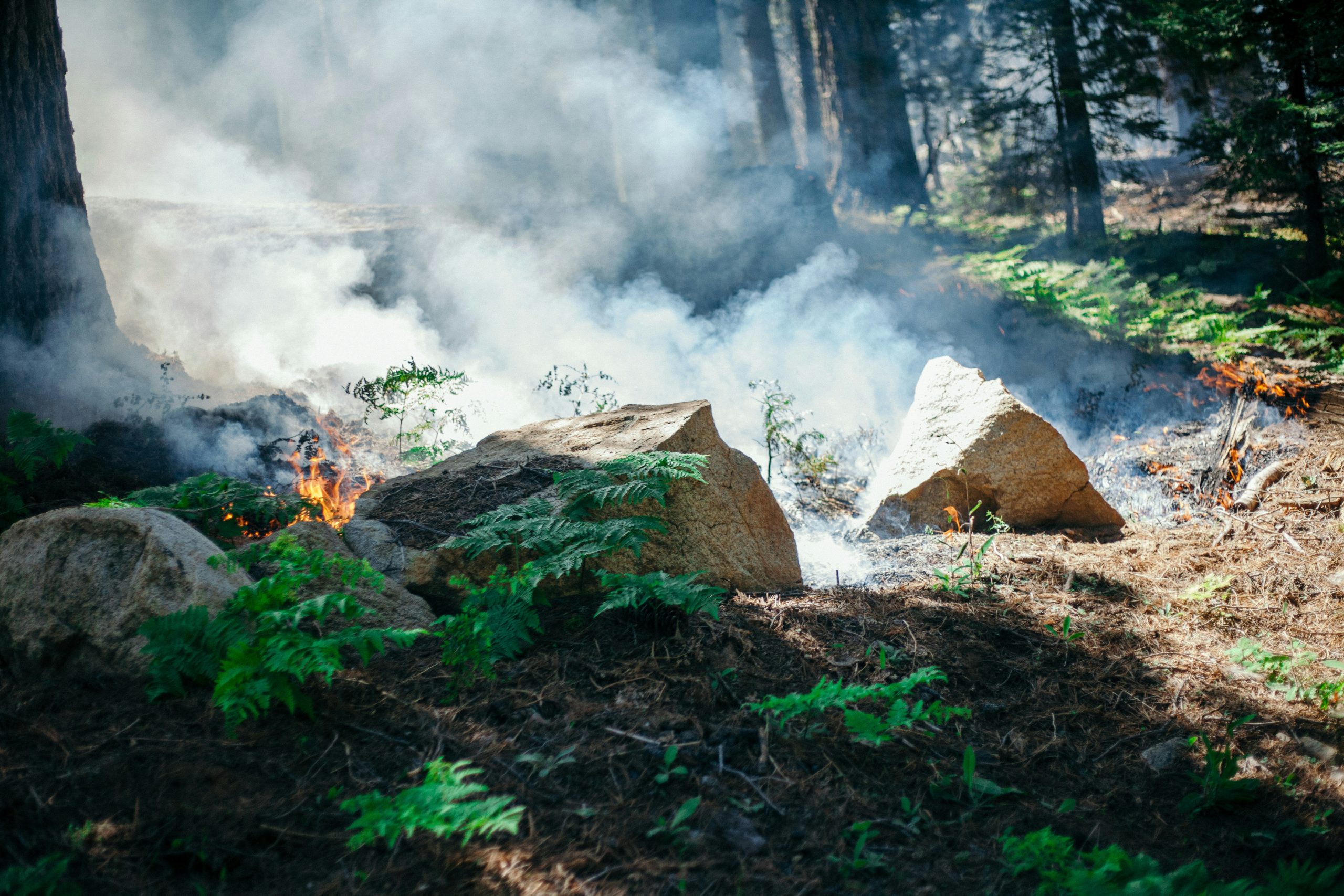
 A goma fire ritual at Jofuku-ji, Ehime Prefecture. The priest’s mantra, mudra, and flame follow a fixed sequence performed the same way at Shingon temples across Japan. | Photo: Dokudami / Wikimedia Commons
Modern Tensions
Today, adaptation also plays out in the tensions between traditional rituals and modern norms. For practitioners in contemporary cultures with egalitarian values, rituals can seem out of step, too hierarchical, and rooted in the past. New Buddhists in the West often encounter unfamiliar or culturally distant rituals as they take up a new tradition. For some, this leads to hesitation or skepticism; for others, it opens the door to unexpected insights. Despite such modern tensions, ritual practices remain central for much of the Buddhist world.
Many in the West see meditation as the heart of Buddhist practice. But they often frame it in psychological or scientific terms, detached from any ritual roots. Viewing meditation as a type of ritual can subtly alter one’s relationship to the practice. It brings structure, repetition, and a dedicated space, like returning to the same cushion each morning. The emphasis shifts from getting results to simply showing up.
Rituals in Transition
As Buddhism moves into new cultural settings, ritual forms begin to adapt. Generally, these adjustments unfold gradually, shaped by institutions, teachers, and practitioners alike. What emerges over time reflects both continuity and change. In the West, Buddhist rituals are still developing and may look different from what came before. However, even as new forms come into being, ritual continues to ask: What do we value enough to preserve, repeat, and pass on?
Additional Resources
Catherine Bell, Ritual Theory, Ritual Practice, 1992. A foundational academic work that challenges conventional understanding of ritual. Drikung Chetsang Rinpoche, “Buddhist Rituals for Westerners,” 2019, video. Drikung Chetsang Rinpoche argues that modern Western countries should incorporate their language and culture into Buddhist rituals. Harvey Whitehouse, “Rethinking Ritual: How rituals made our world . . . and how they could save it,” Royal Anthropological Institute, 2022, video. A cognitive anthropologist explores how rituals define the boundaries of social groups and bind their members together.
Thank you for subscribing to Tricycle! As a nonprofit, we depend on readers like you to keep Buddhist teachings and practices widely available.
This article is only for Subscribers!
Subscribe now to read this article and get immediate access to everything else.
Already a subscriber? Log in.