Google just changed how it grades the AI models you use for Android coding
Google resets its Android Bench leaderboard with a new testing framework and eight new models.
 Koichiko

Android Bench has a new testing framework and eight new models, so the rankings you remember are now out of date.
 Google
Google just changed how it measures which AI models are best at writing Android app code, and the update has shuffled the rankings developers use to pick their tools. The company’s Android Bench leaderboard, which launched in March, now runs on a new testing system called Harbor. Google says this replaces the older, more generic testing tool it used before, and gives a better read on how models perform on real Android tasks, like updating old code to Jetpack Compose or handling wearable device networking.
New models shake up the top of the list
Since the testing tool changed, Google ran every model through it again. Eight new models were added to the leaderboard, including Claude Fable 5, Claude Sonnet 5, Claude Opus 4.8, GLM 5.2, Kimi K2.7 Code, MiniMax M3, Qwen 3.7 Plus, and Qwen 3.7 Max.
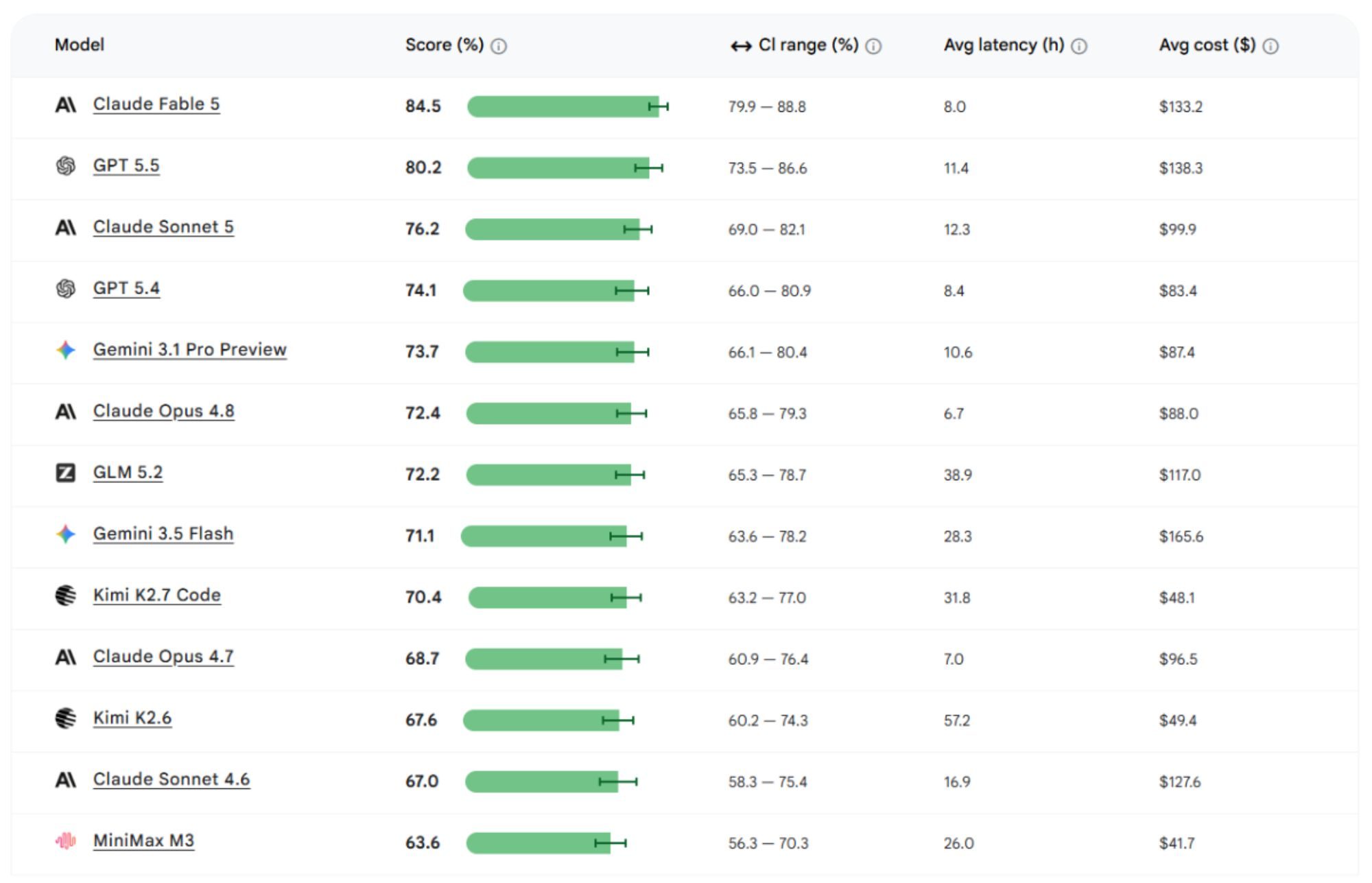 Android Bench
Claude Fable 5 now sits at the top with a score of 84.5 percent, followed by GPT 5.5 at 80.2 and Claude Sonnet 5 at 76.2. Among free, open-weight models, GLM 5.2 leads with 72.2 percent, ahead of Kimi K2.7 Code at 70.4. Google’s own Gemini 3.1 Pro is placed fifth with a score of 73.7 percent. If you refer to Android Bench to pick the right model for your coding work, you should head over to the Android Bench website and check the refreshed leaderboard.
Developers can now submit their own test tasks
When Google launched Android Bench in March, it published its testing methodology and test harness on GitHub for transparency. Now, it’s taking that open approach further by letting developers contribute their own Android development tasks to the benchmark. Developers can also run the tests themselves with their preferred models and share the results with the community.
The rankings are most likely to change as more new models show up, like OpenAI’s recently released GPT-5.6 Sol, Terra, and Luna. If you’re picking an AI tool for Android coding, treat the current leaderboard as a snapshot, not a permanent ranking, and check back before you commit to one for your next project.

Pranob is a seasoned tech journalist with over eight years of experience covering consumer technology. His work has been…
ChatGPT is coming for one of Google’s smartest Chrome features
OpenAI brings ChatGPT to Chrome to challenge Google's Gemini Side Panel

OpenAI is expanding ChatGPT beyond its website with the launch of a new Chrome extension that can understand the contents of the webpage you're viewing. The extension allows users to ask questions about a page, summarize articles, explain complex concepts, and even kick off longer AI-powered tasks without leaving their browser.
The move positions ChatGPT as a direct competitor to Google's Gemini in Chrome, which introduced similar context-aware browsing features earlier this year. While both tools aim to bring AI directly into web browsing, they take slightly different approaches to productivity and automation.
This open-source Mac app finds the junk files your deleted apps leave behind
Uninstally removes apps properly, leftovers and all
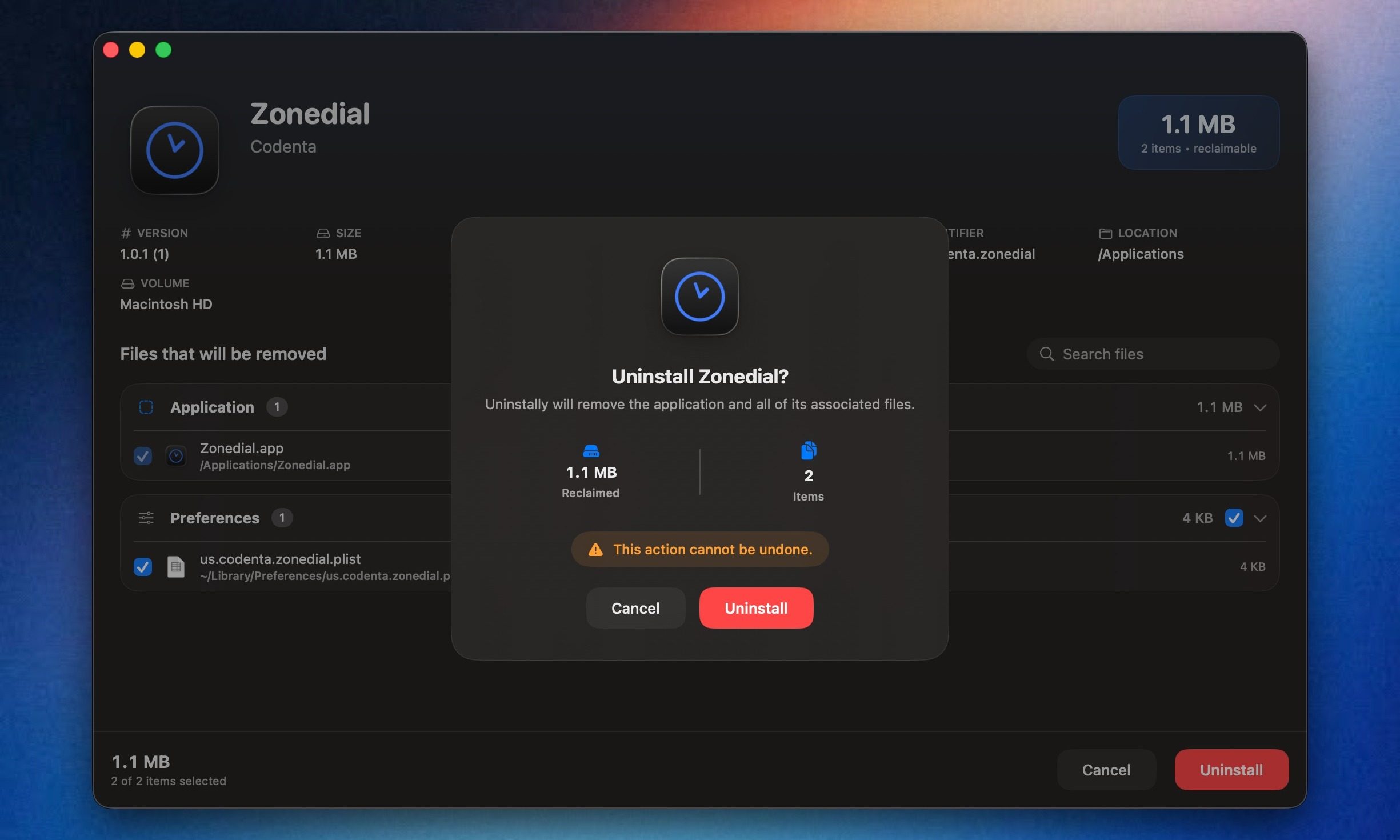
Uninstalling apps on macOS is usually very easy. You drag an app to the Trash, empty it, and move on. The annoying part is that many apps still leave residue behind, including support files, caches, preferences, containers, and logs. I have always found that frustrating, especially when old app data keeps sitting around long after the app itself is gone.
AppCleaner by FreeMacSoft has been the popular go-to option for this for years, and it still does the job well. But I recently came across a new open-source alternative called Uninstally by Codenta, which solves the same basic problem. It removes Mac apps along with the support files, caches, preferences, containers, logs, and other leftovers they usually leave behind.
AMD just made Ryzen laptop chips even more confusing, but here’s what’s actually new
The refreshed lineup brings more Zen 4 processors to mainstream and budget laptops.
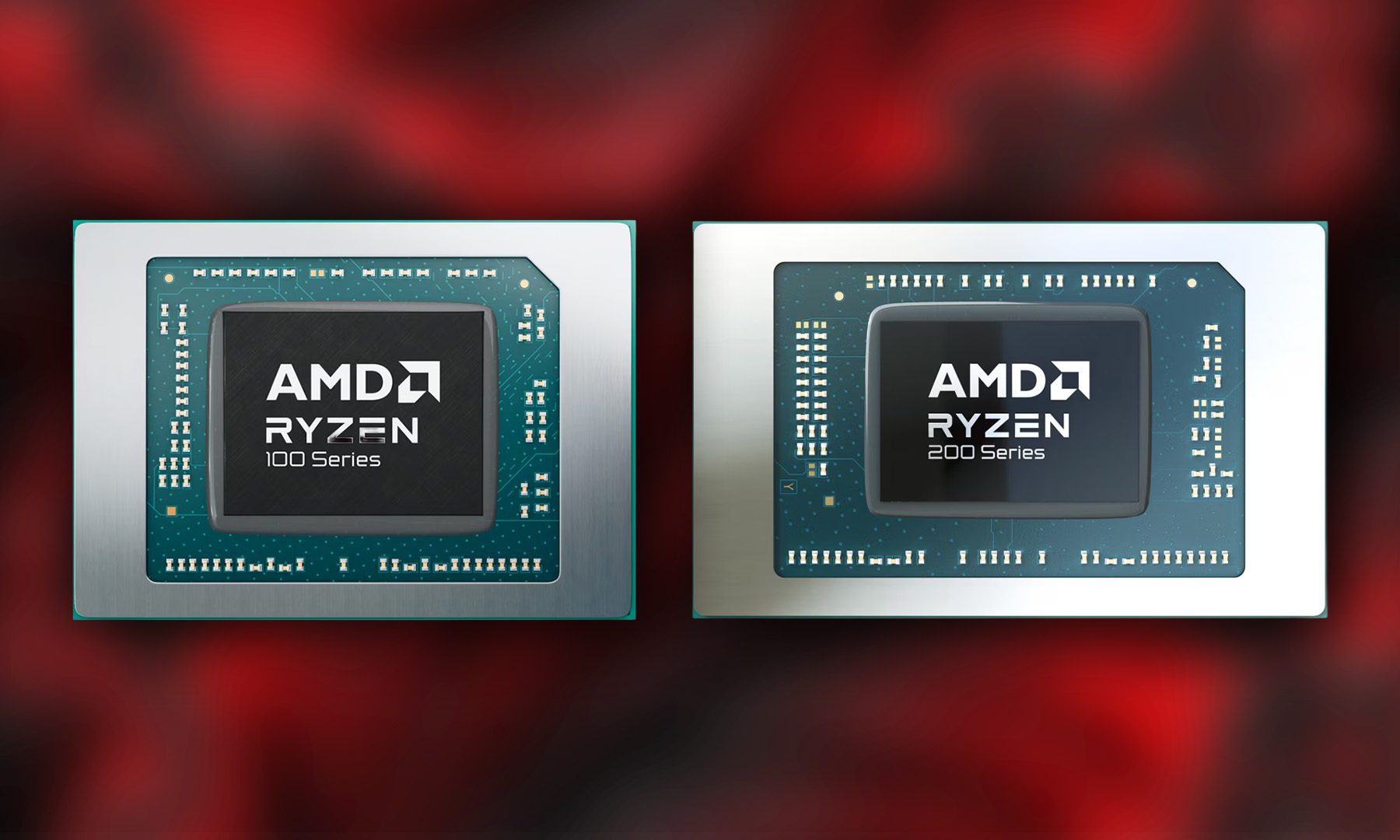
AMD has quietly expanded its mobile processor portfolio with 11 new Ryzen laptop processors, adding fresh models under both the Ryzen 200 and Ryzen 100 families. While that sounds straightforward enough, the bigger story isn't the chips themselves -- it's AMD's increasingly confusing naming strategy. The company has introduced seven new Ryzen 200 processors alongside four new Ryzen 100 models, but despite belonging to different series, many of them are actually built on the same Hawk Point silicon featuring Zen 4 CPU cores and RDNA 3 integrated graphics.
The Ryzen 200 series gets seven new CPUs