Google Maps SEO: 5 Proven Strategies to Rank Higher
But when potential customers search “pizza near me” or “plumber in London,” you’re nowhere to be found in the top three results. Your competitors are stealing your customers. Here’s the reality: just having a Google Business Profile doesn’t mean...
 ValVades
Article Performance
Data from Ahrefs
The number of websites linking to this post.
This post's estimated monthly organic search traffic.
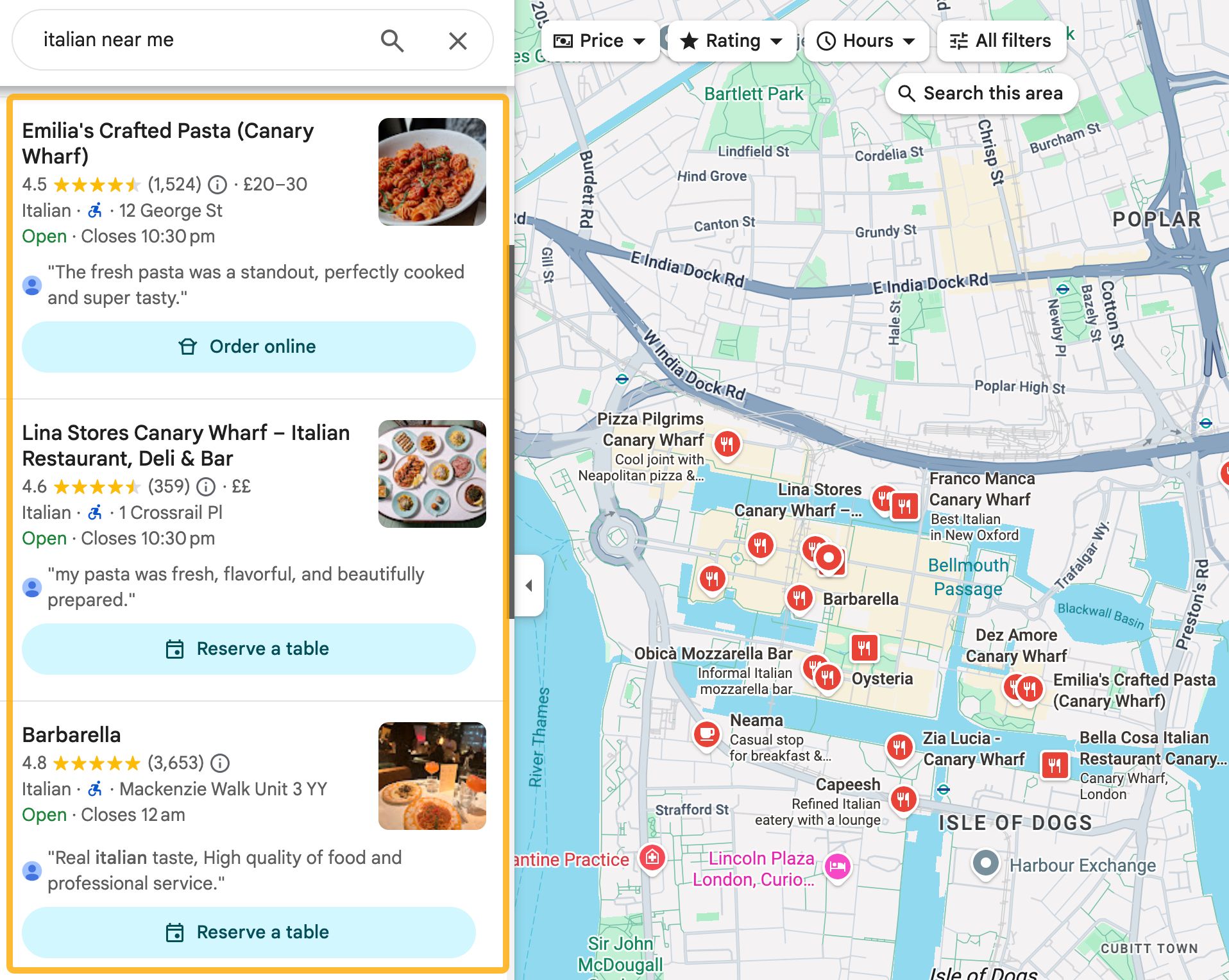
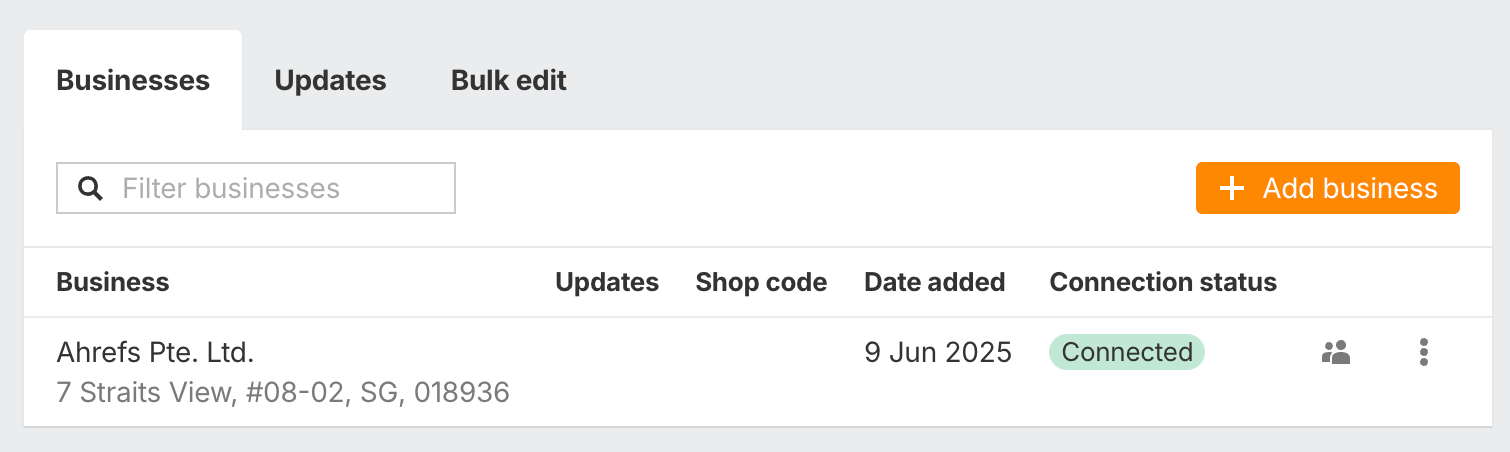
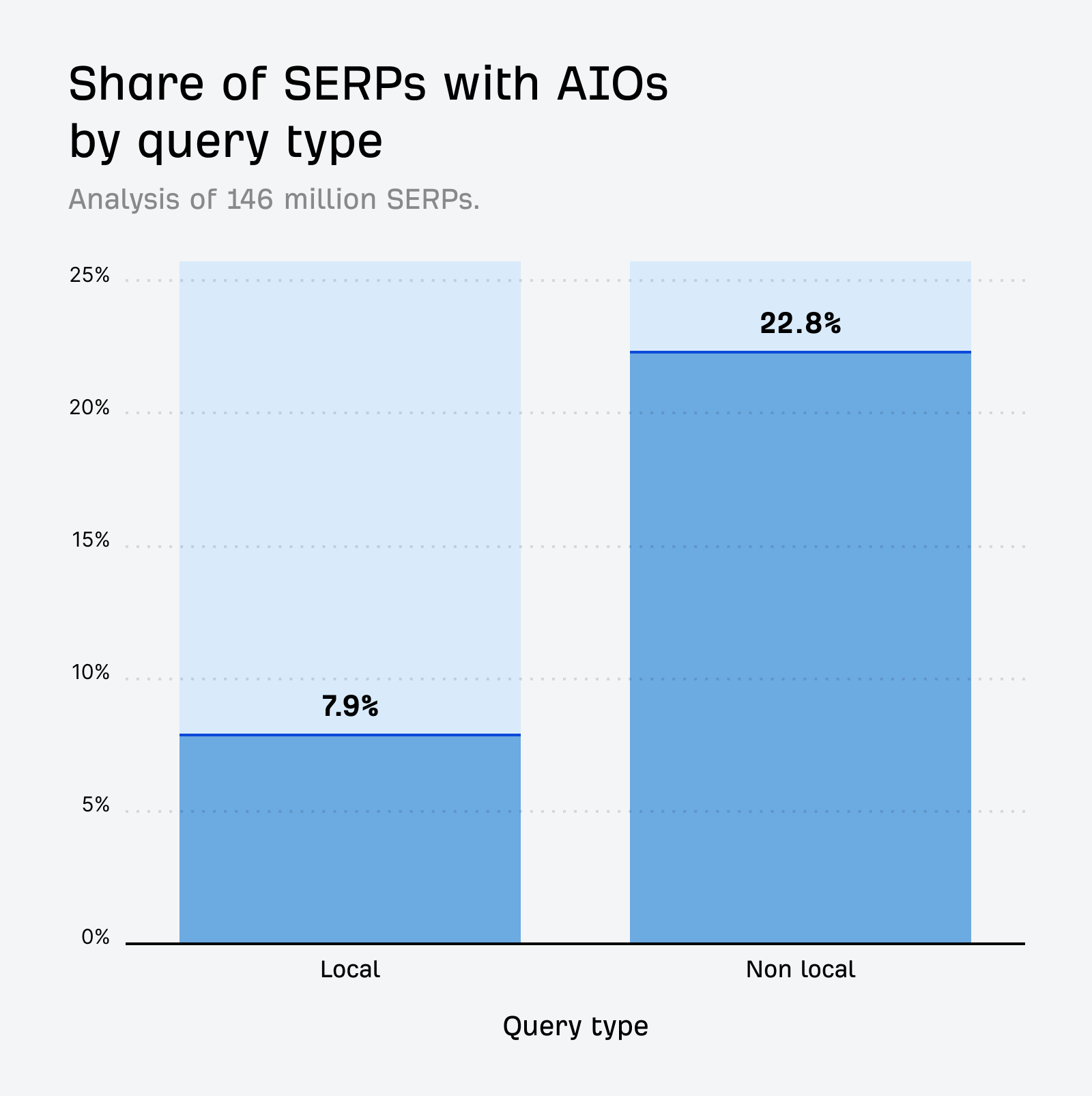
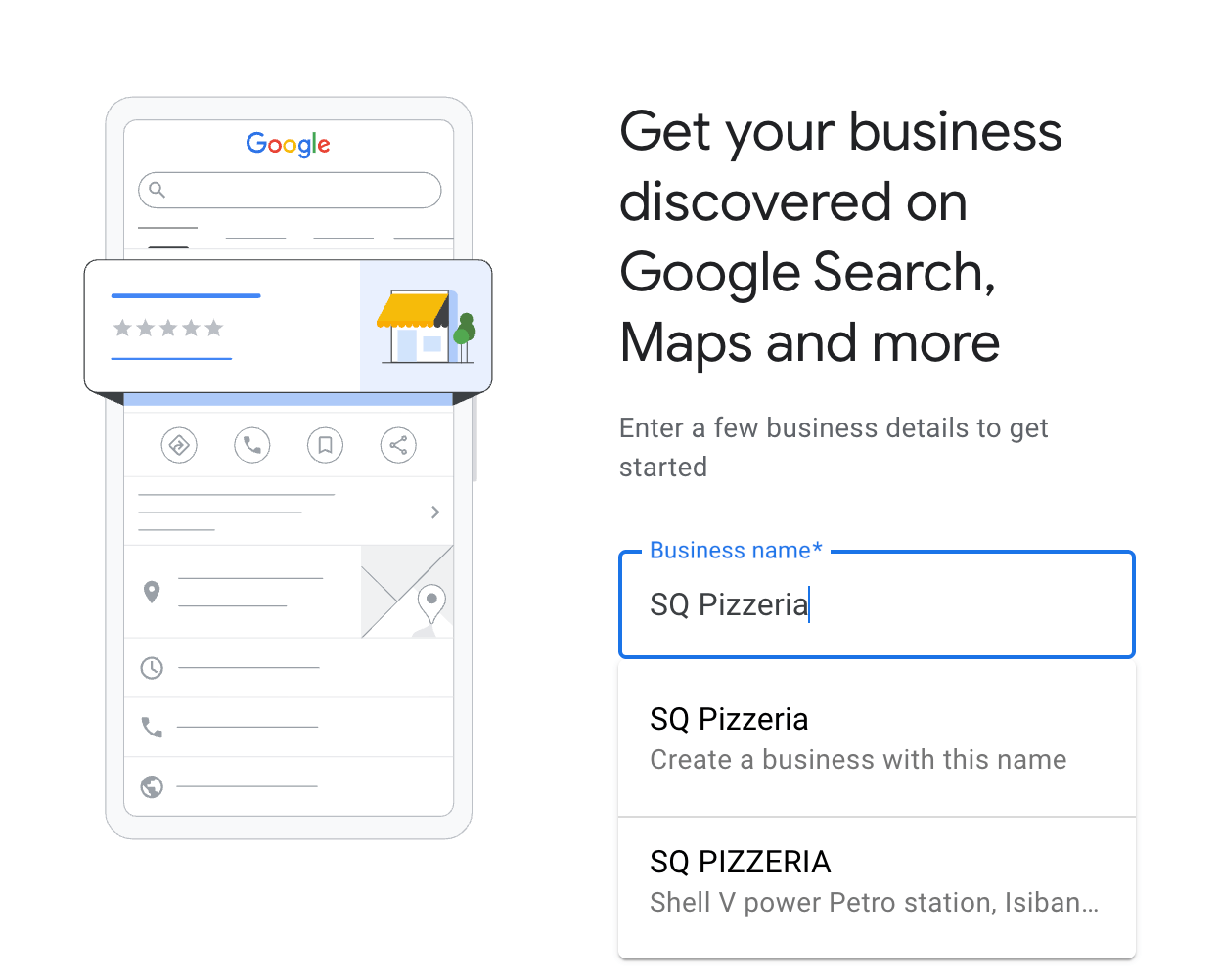
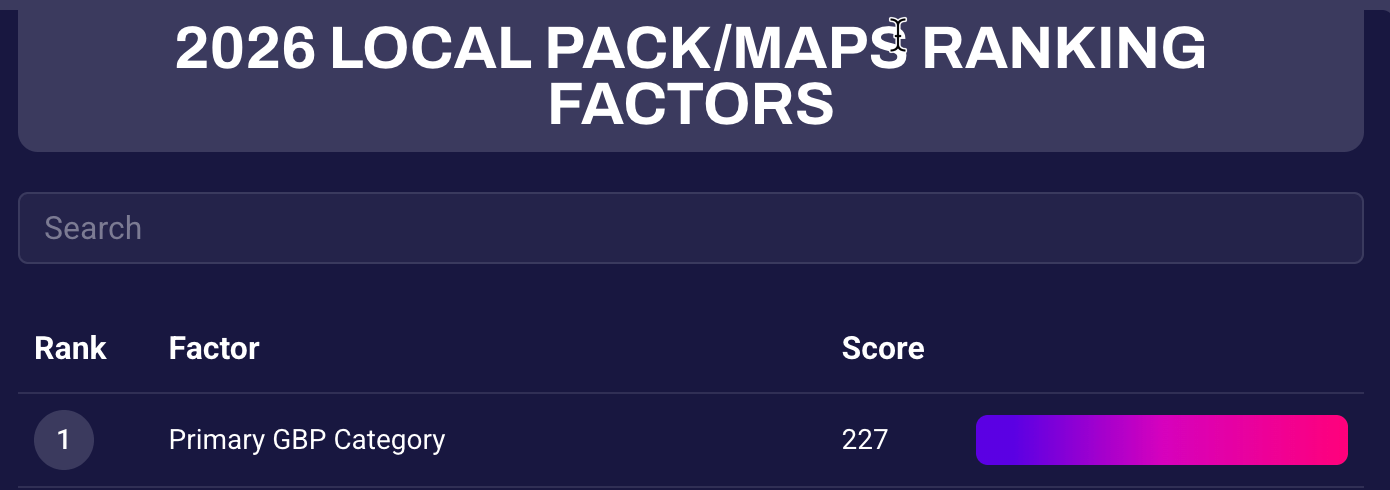
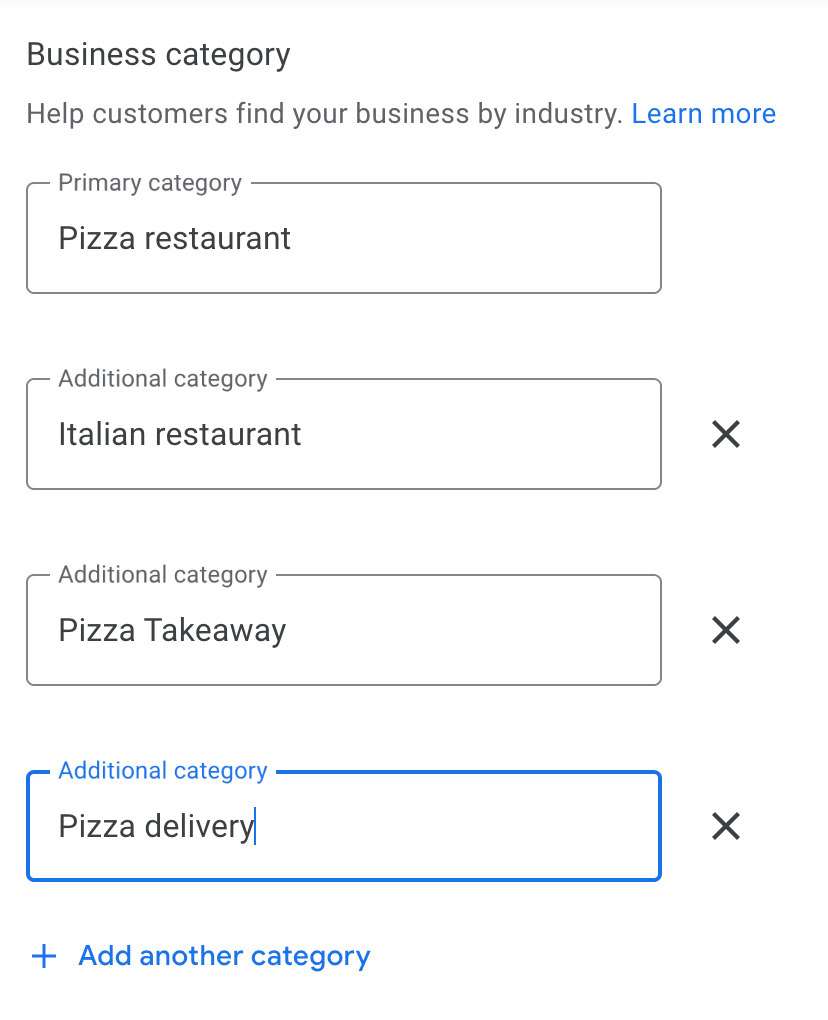
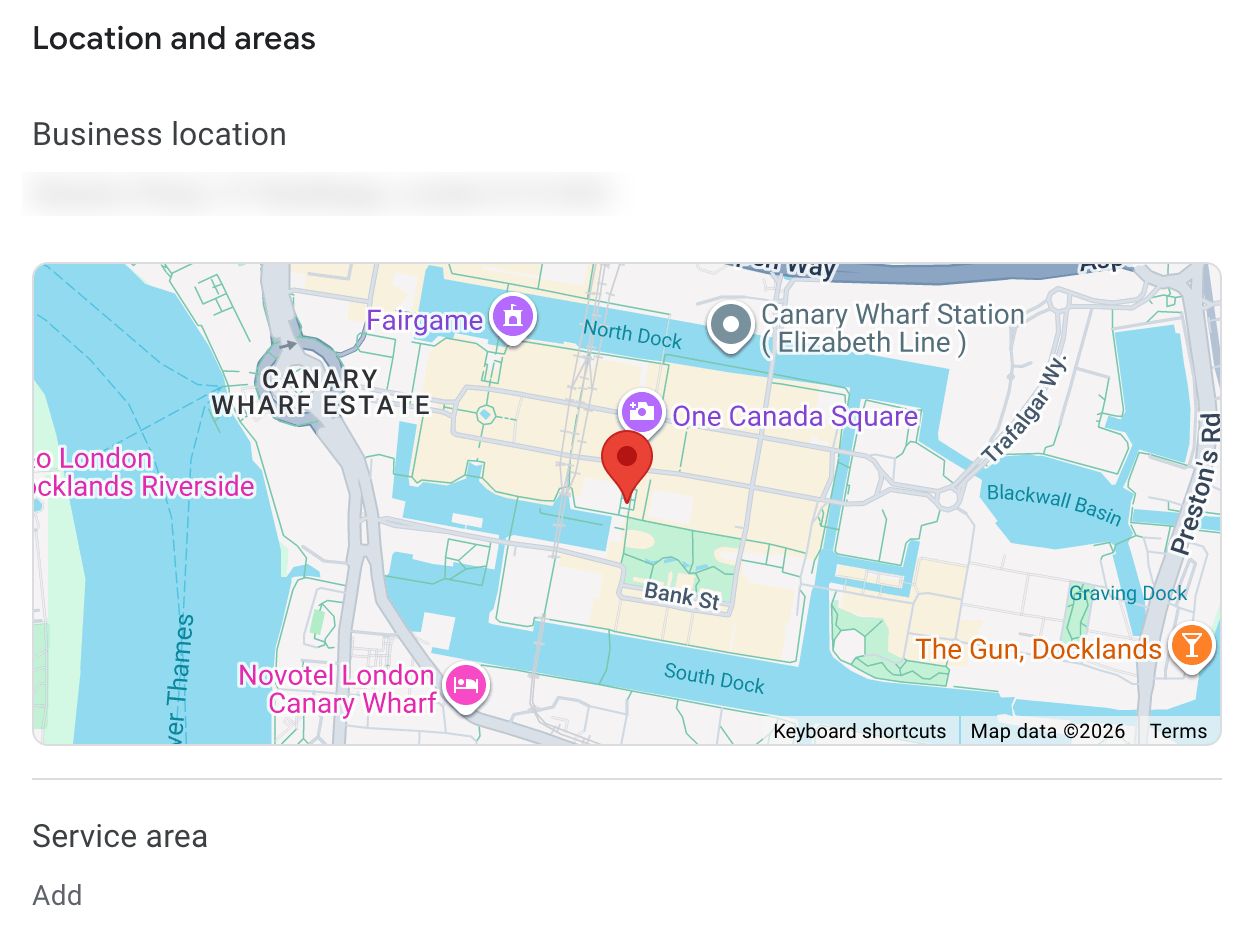
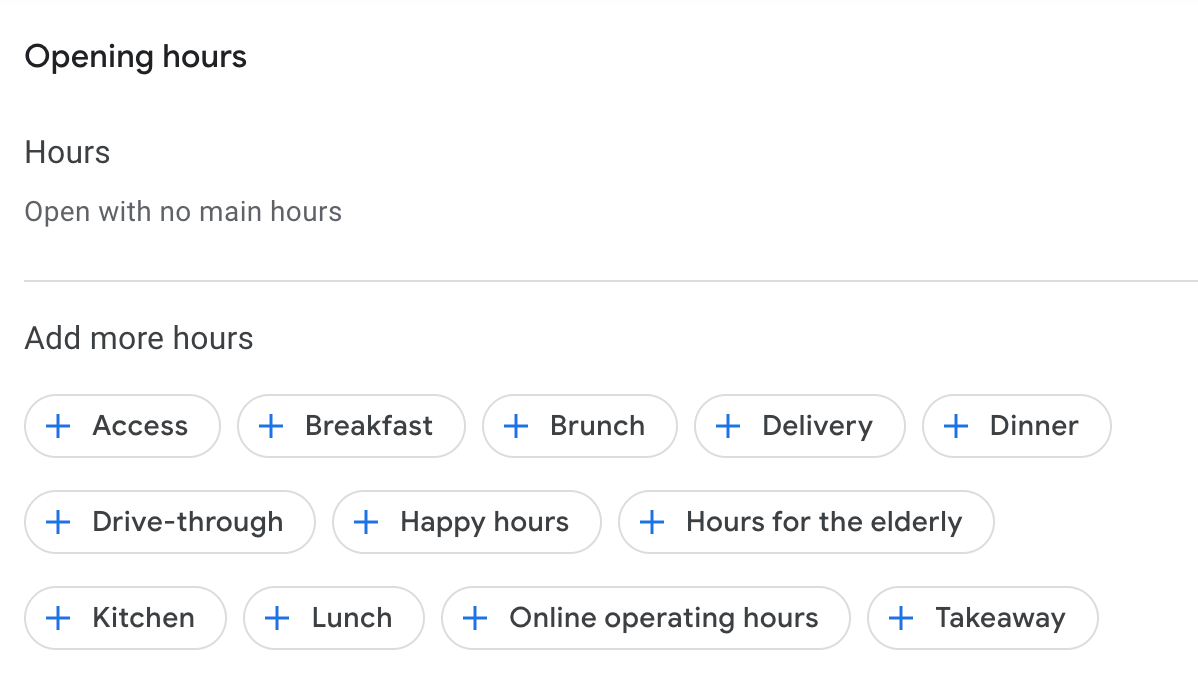
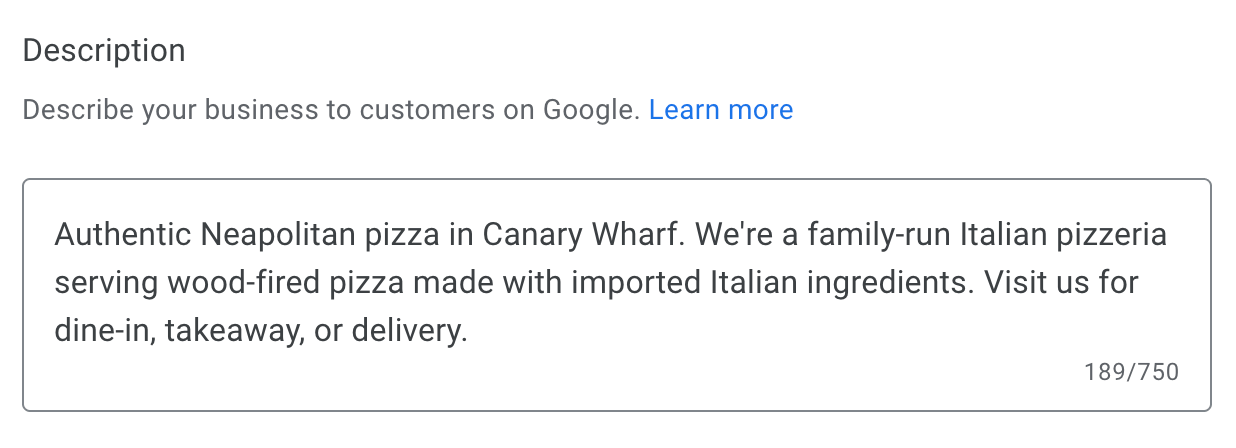
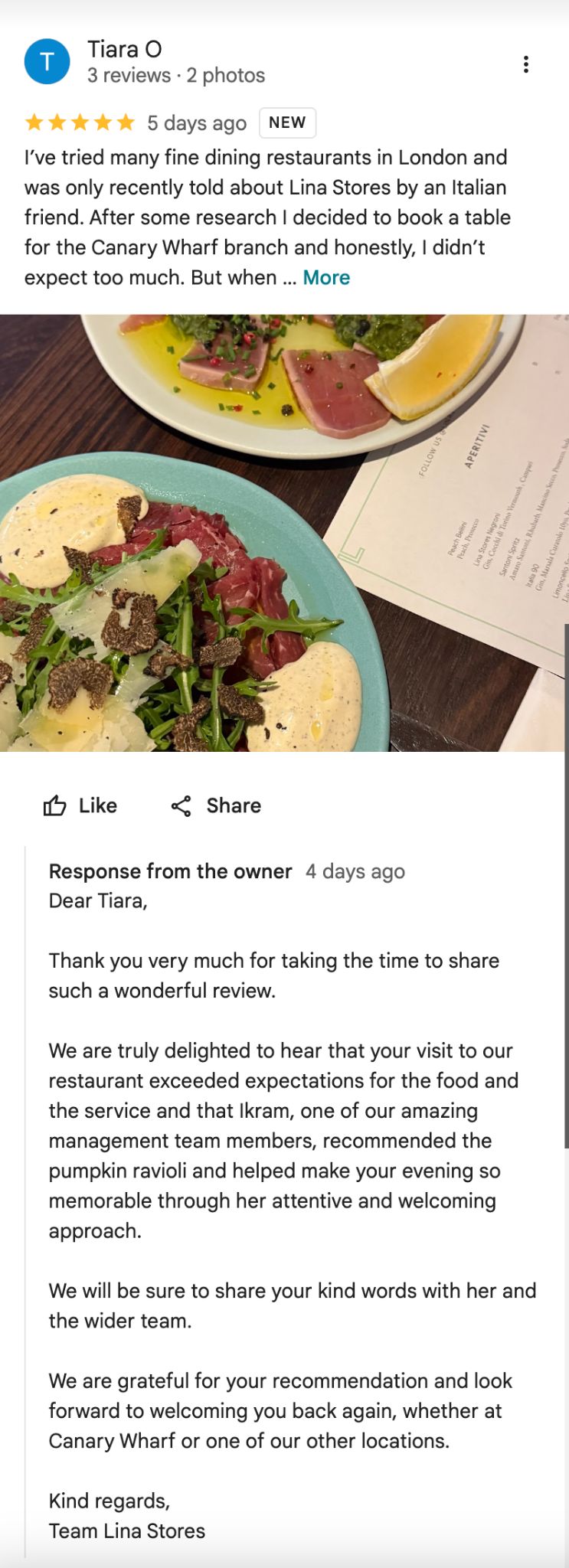
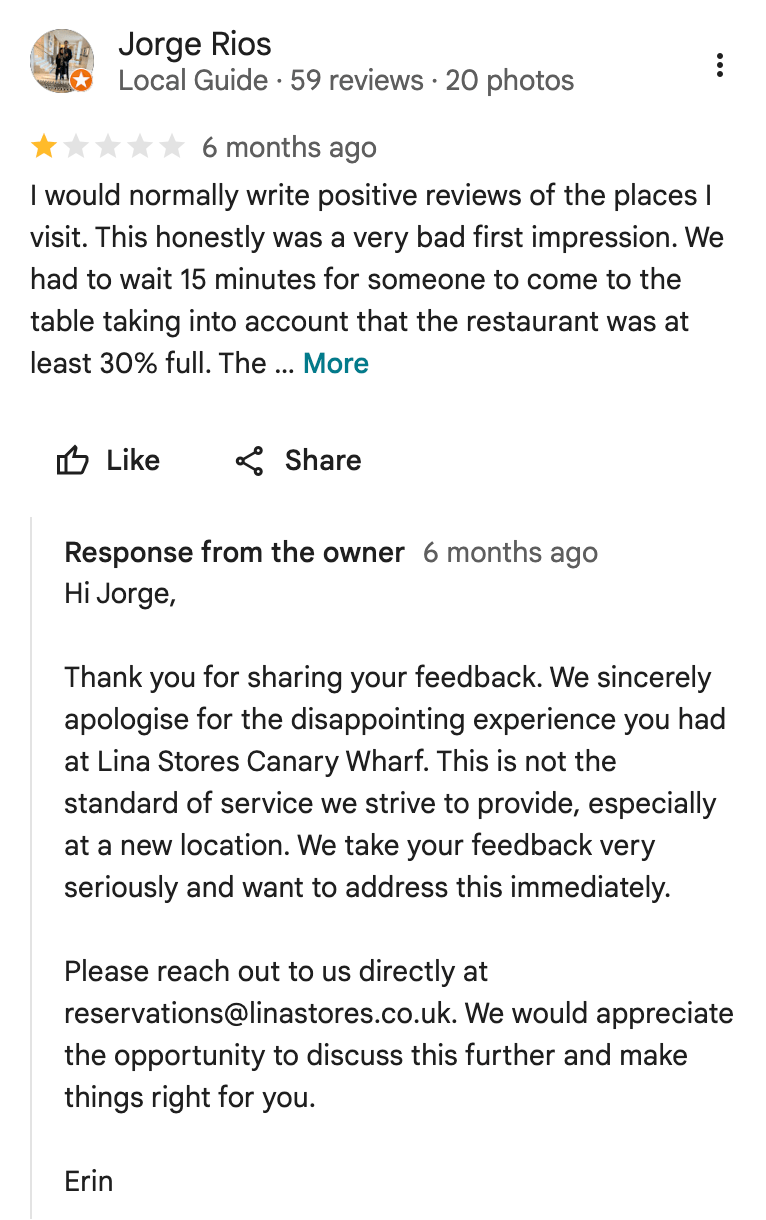
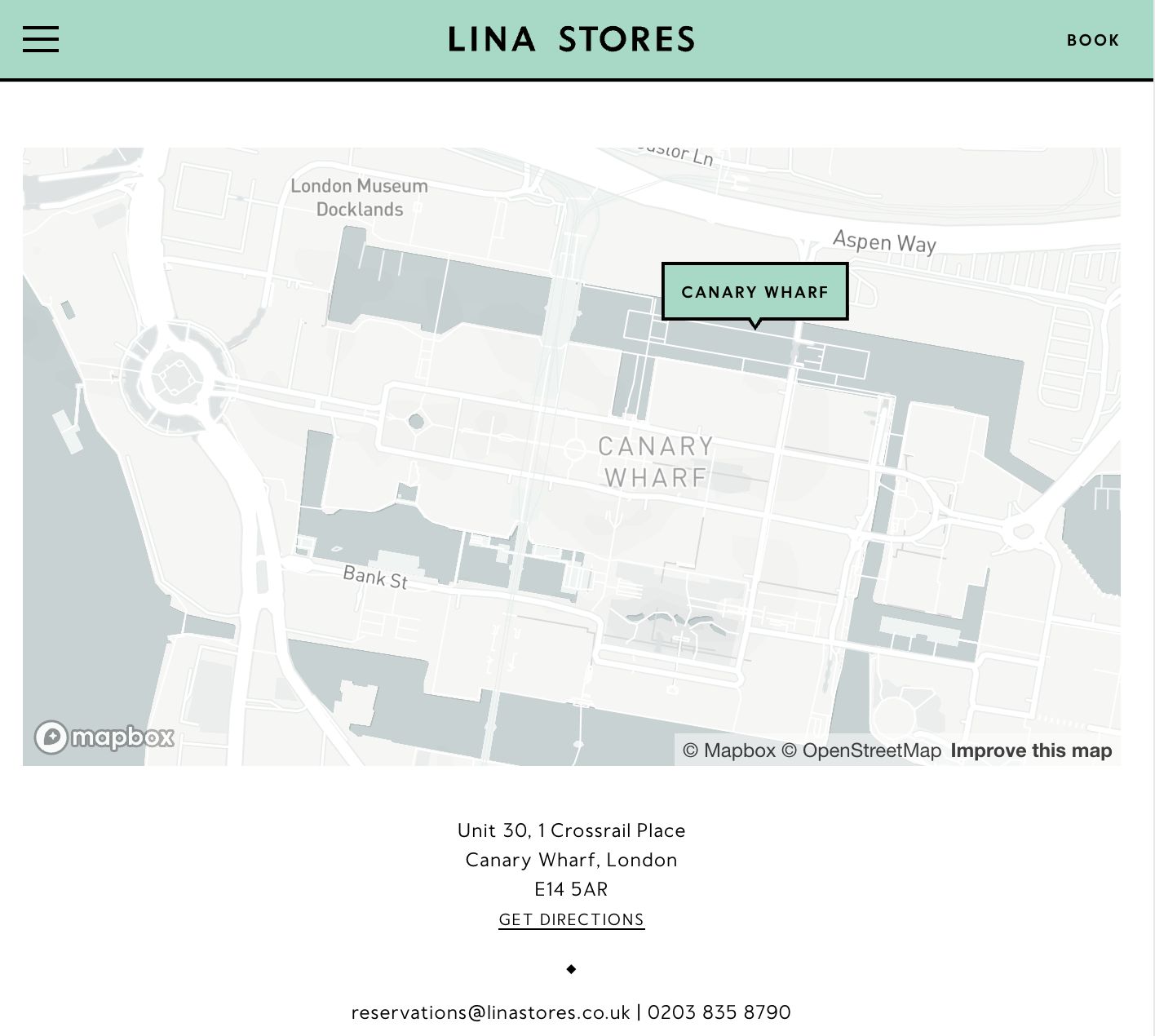
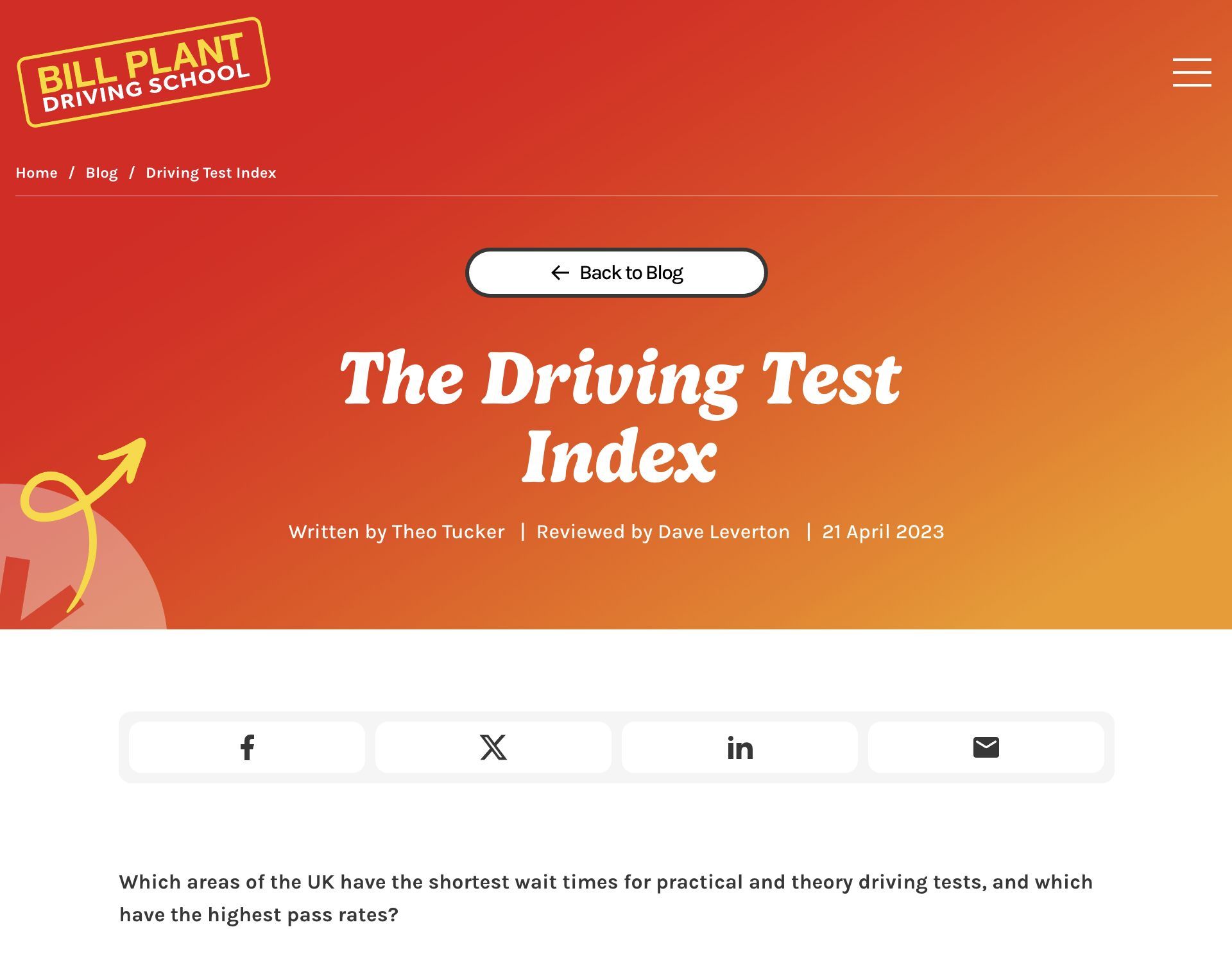
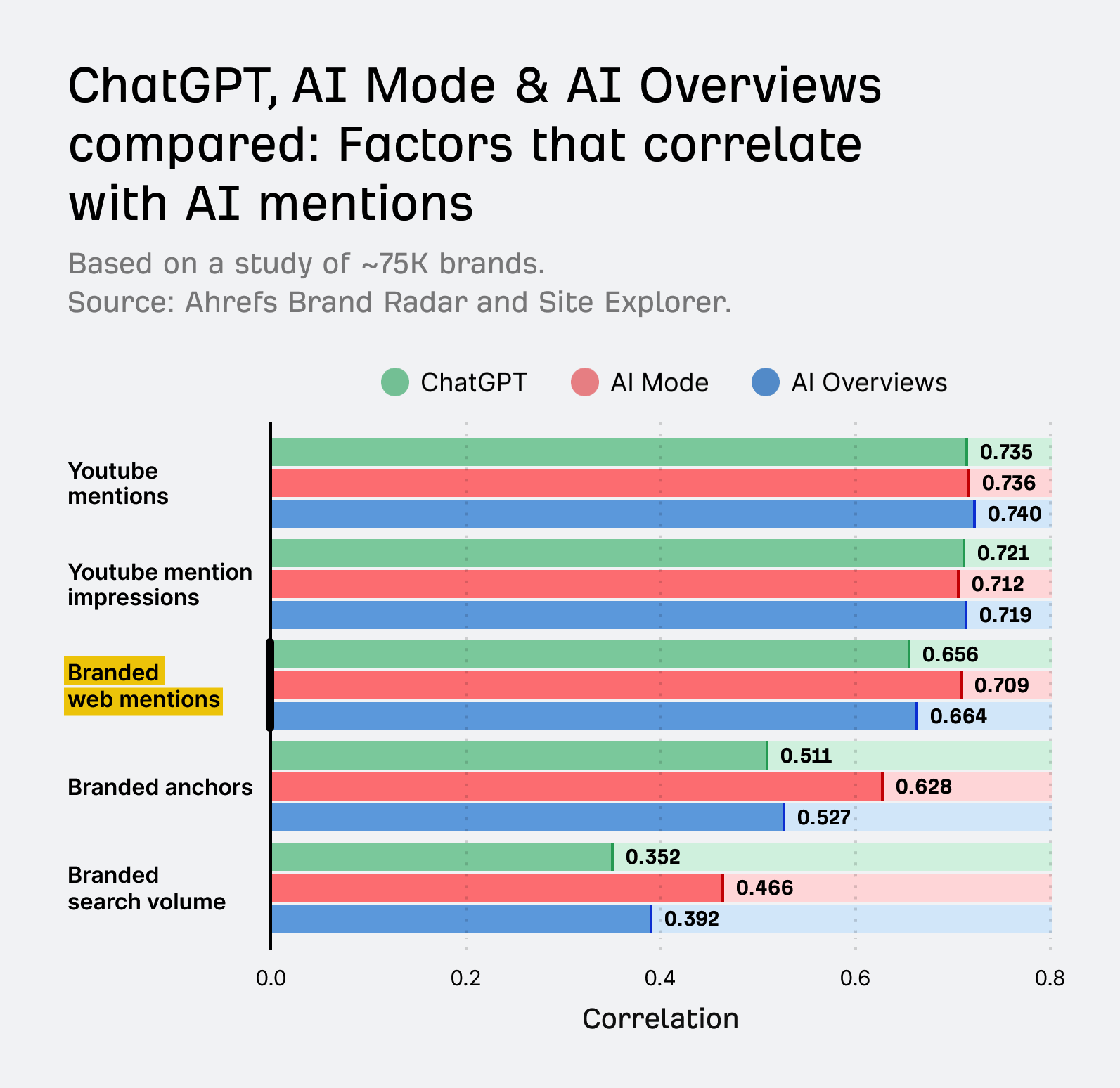
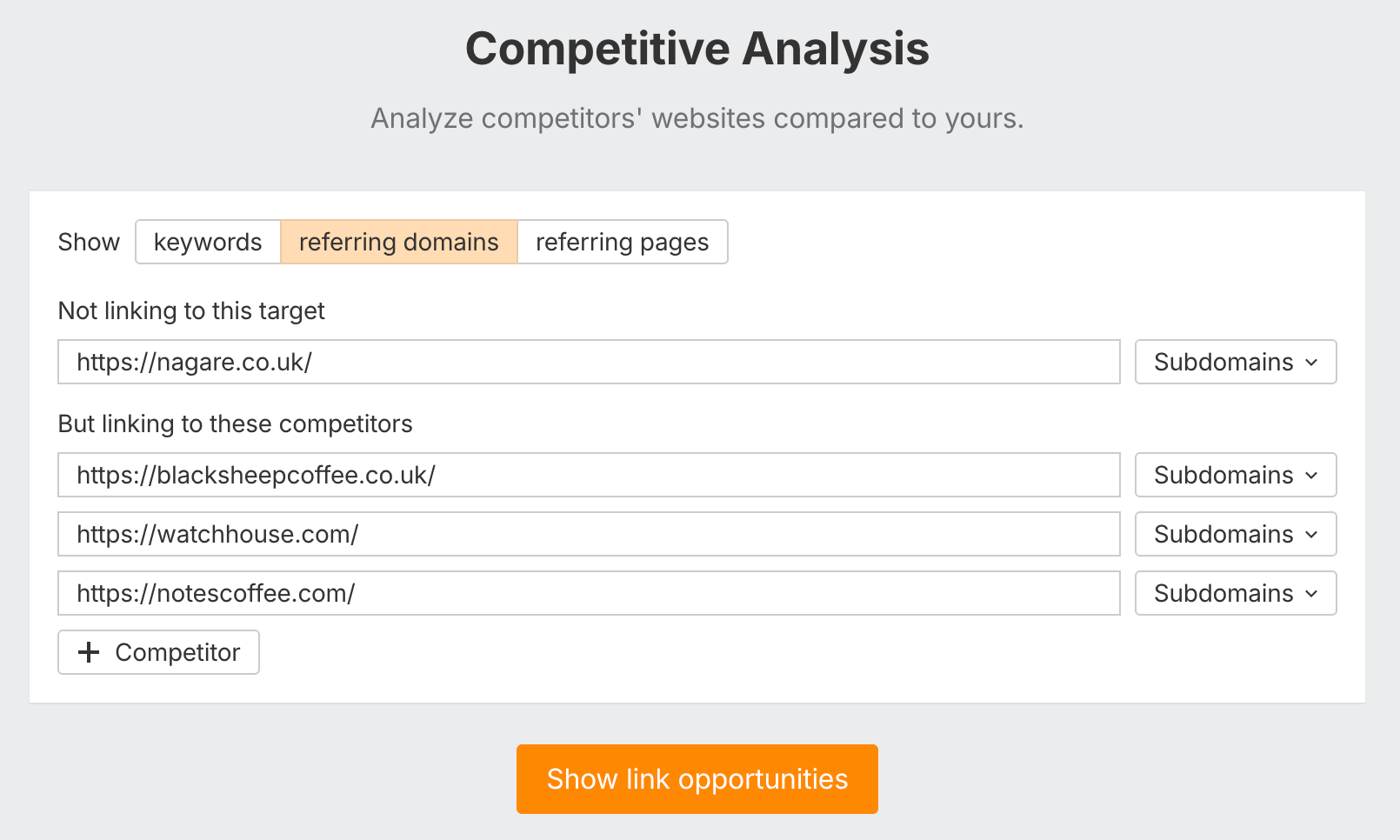
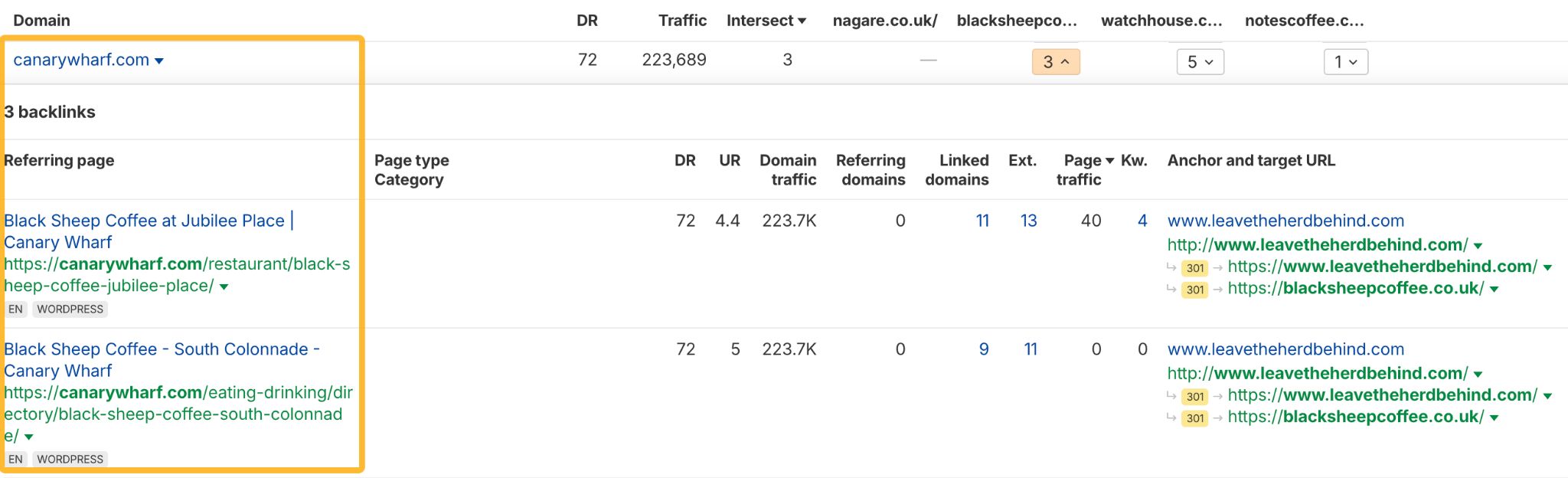
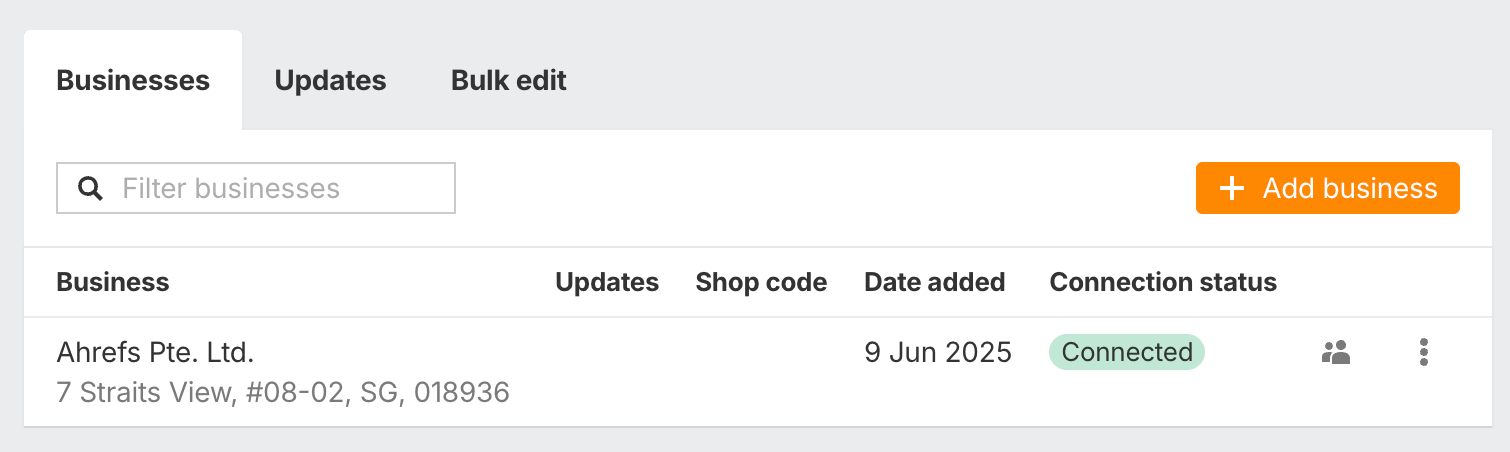
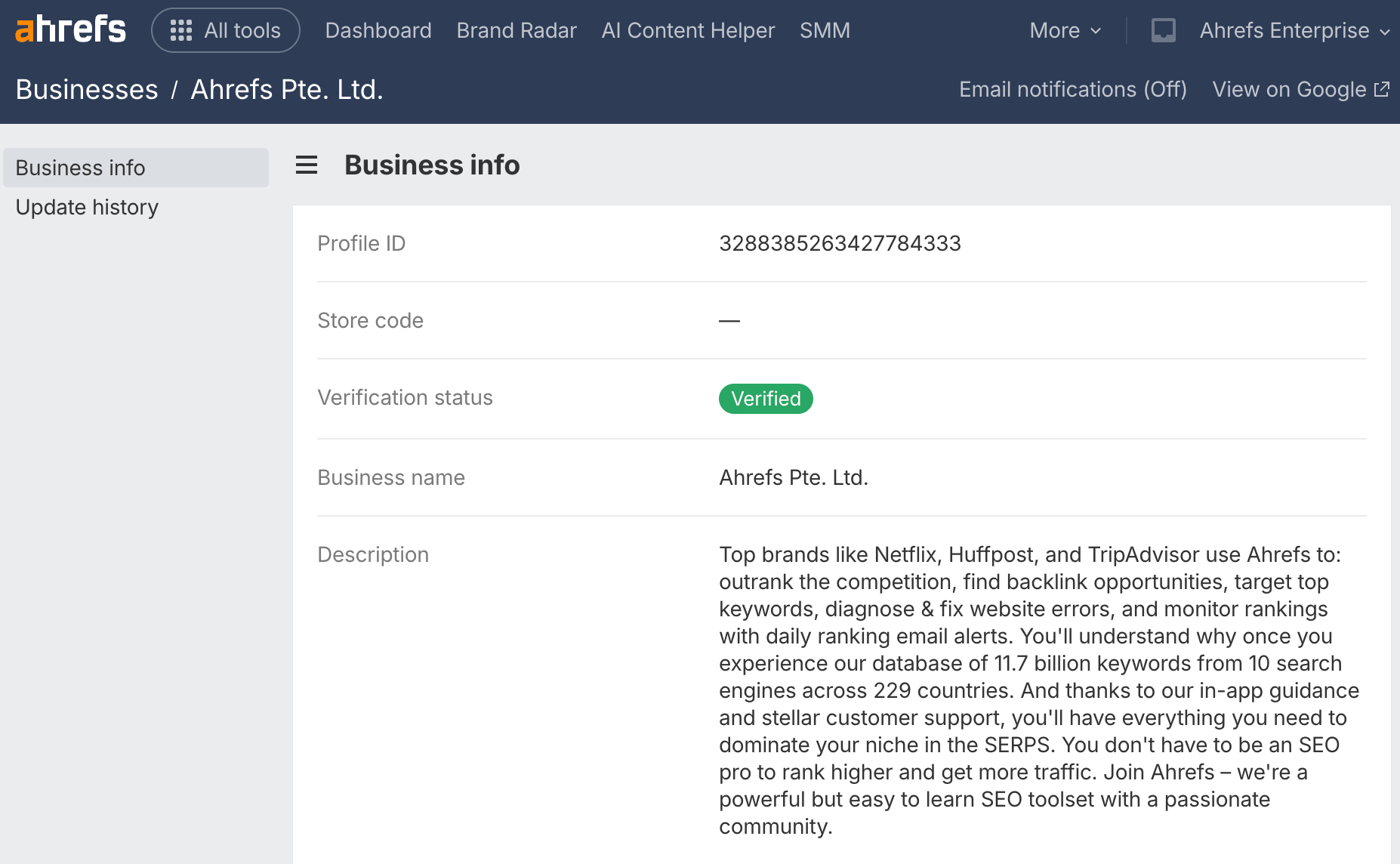
Your Google Business Profile is sitting there. Verified. Complete. Maybe even optimized. But when potential customers search “pizza near me” or “plumber in London,” you’re nowhere to be found in the top three results. Your competitors are stealing your customers. Here’s the reality: just having a Google Business Profile doesn’t mean Google will rank you. In fact, proximity is only one of many factors Google considers when deciding which businesses to show. In this guide, I’ll walk you through the five main strategies to improve your Google Maps ranking. Google Maps SEO is the process of optimizing your business listing to appear higher in Google Maps search results and the Local Pack—those three businesses that appear in a map box at the top of Google Search. When someone searches for “coffee shop” or “dentist near me,” Google displays local results based on three main factors: The higher you rank, the more visibility you get. And visibility drives foot traffic, phone calls, and revenue. Pro Tip Monitor your GBP with Ahrefs’ GBP Monitor Google allows anyone to suggest edits to your profile. That can be problematic since competitors can sabotage your businesses by adding wrong information or changing your hours. To stay on top of changes, use Ahrefs’ GBP Monitor. GBP Monitor allows you to: Nearly 90% of consumers use Google Maps, and 46% of all Google searches have local intent. If you’re not showing up in the Local Pack, you’re invisible to a massive segment of potential customers. Local search is also (currently) the most undisrupted by Google’s AI Overviews. According to our research, only 7.9% of local searches trigger an AI Overview. Your Google Business Profile (GBP) is the foundation of your Google Maps presence. These optimizations directly impact how Google determines your relevance for local searches. This seems obvious, but you’d be surprised how many businesses skip this step or leave it to chance. If you haven’t claimed your Google Business Profile, you have zero control over the information Google displays about your business. Anyone can suggest edits. Your hours might be wrong. Your phone number could be outdated. Here’s how to claim your listing: Verification typically takes 5-14 days if done by postcard. Once verified, you gain full control over your listing and can proceed with optimization. According to Whitespark’s 2026 data, your primary category is the #1 ranking factor for Google Maps. Your primary category tells Google exactly what your business does. Choose incorrectly, and you’ll rank for the wrong searches (or not rank at all). Here’s how to select your primary category: For example: Don’t try to game the system by selecting unrelated categories. Google will penalize you for category confusion (mixing unrelated industries), and it’s listed as a suspension risk factor. If you’re a service area business (SAB)—meaning you serve customers at their location rather than at your business address—you might be tempted to hide your address. Don’t. Google’s algorithm heavily favors businesses that show their physical address in the city being searched. A plumber with an office in London will rank higher for “plumber London” than one who hides their address. Here’s what to do: If your pin is slightly off, manually adjust it in your dashboard. Google actively prioritizes businesses that are open when someone searches. If it’s 8 PM and your competitor is open while you’re closed, they’ll rank higher. Here’s what to do: Also avoid labels like “hours might differ”. These appear when Google detects inconsistencies between your website, your GBP, and third-party data sources. Keep everything aligned. An incomplete profile signals to Google that your business isn’t actively managed. This means filling out: The more information Google has, the better it can match your business to relevant searches. Your business description should be compelling, accurate, and include relevant keywords naturally. Here’s a good example for a pizzeria in Canary Wharf: “Authentic Neapolitan pizza in Canary Wharf. We’re a family-run Italian pizzeria serving wood-fired pizza made with imported Italian ingredients. Visit us for dine-in, takeaway, or delivery.” Notice the natural inclusion of: Avoid keyword stuffing your business name (e.g., “Joe’s Pizza | Best Pizza Canary Wharf | Wood Fired Pizza London”). This violates Google’s guidelines and can get you suspended. Google offers a predefined list of services for most categories. For a pizzeria, you’ll want to include things like: Photos make your listing more appealing and serve as ranking signals. Google analyzes images to understand what you offer. Upload at least 20-30 photos including: Photos that match target keywords perform better. If you’re optimizing for “wood-fired pizza,” make sure you have photos of your wood-fired oven and pizzas coming out of it. Also encourage customers to upload their own photos. A good idea would be to add QR codes on the table, on the menu, or on their bills to encourage customers to share photos (and reviews of course). Your Google Business Profile has a Q&A section where anyone can ask questions and anyone can answer them (including competitors). Take control by seeding your own FAQs. For example, for our pizzeria, we might add questions like: Answer each question thoroughly, and include keywords naturally. This helps Google understand what you offer and can appear in search results. Google uses reviews as a trust signal. Businesses with more recent, positive reviews rank higher and convert better. Reviews are massively important. Here’s what matters most: Here are some ideas on how to consistently get more reviews: If you have the budget and can afford it, offer incentives for leaving a review. For example, when I was in Granada, Spain, the restaurant I was dining at offered me free desserts in exchange for a Google review. In Istanbul, they offered me a free shot of raki. While in Singapore, a restaurant offered me 10% off the entire bill. Reply within 24-48 hours with personal responses. Don’t use any templates. For example, here’s a response from Lina Stores, an Italian restaurant: And here’s how they responded to a poor review: Note how they provided a way to contact the management and how the manager even signed off with her name. Great personal touch. Your website directly influences how Google evaluates your local business. A well-optimized site reinforces your GBP and helps you rank in both Maps and organic results. For your landing pages, you’ll want to have: Create individual pages for each major offering: Each page should: Schema markup helps Google understand your business information. Add LocalBusiness schema to your homepage including: Use Google’s Structured Data Markup Helper or hire a developer to add it to your site. Validate it with Google’s Rich Results Test. This signals to Google that you’re located where you say you are. Your prominence on the wider web (citations, backlinks, media mentions) tells Google your business is established and trustworthy. Citations are mentions of your business name, address, and phone number (NAP) on other websites. Here’s where to list your business: Critically: Your NAP must be identical everywhere. If your GBP says “123 Main Street,” don’t use “123 Main St” on Yelp. Even punctuation matters. And even though local queries are undisrupted by AI Overviews for now, there’s no guarantee it’ll be the same forever. According to Whitespark’s AI Search Visibility data, citations are even more important for appearing in LLM responses. The #4 ranking factor for AI visibility is “Quality/Authority of Unstructured Citations”. So get listed on authoritative local news sites, blogs, and government directories too. Backlinks from local websites signal to Google that you’re prominent in your community. A few ideas on how to build local backlinks: Another way is to get featured on local news. Grand openings, milestones, or community involvement could be legitimate reasons to pitch your local newspaper on covering. Otherwise, you’d want to think beyond just getting local publications to link to your homepage. Having interesting data could entice local journalists to cover it. For example, a local driving school pulled data from the UK Driver and Vehicle Licensing Agency (DVLA) to find out which areas of the UK have the shortest wait times for driving tests, and which have the highest pass rates: This was covered by many local newspapers: We call this the Tabloid Technique. Learn how to execute this strategy in the post below. According to our research, branded web mentions correlate highly with AI visibility. So, you’d want to be on lists like “best pizza in London”, “top restaurants in Canary Wharf”, etc. Here’s how you can find these lists: This will show you websites that link to your competitors, but not you. Many of them will be directories and expert-curated lists. For example, you can see that canarywharf.com links to all three competitors: If you’re located in Canary Wharf, you’ll want to be on this list. See if you can reach out to them and get listed on their website too. Local SEO isn’t set-it-and-forget-it. Ongoing management ensures you maintain and improve your rankings. Google allows anyone to suggest edits to your profile. Competitors or pranksters can change your hours, add wrong information, or upload inappropriate photos. To stay on top of changes, use Ahrefs’ GBP Monitor. GBP Monitor allows you to: This is especially critical for multi-location businesses. Manual monitoring is time-consuming and error-prone. If something’s wrong with any of your locations, you can bulk edit everything at once using GBP Monitor. No more clicking through to each location and having to change things one by one. Ranking higher on Google Maps isn’t a one-time task. It’s an ongoing process. The businesses that dominate local search are the ones that: Start with the highest-impact tactics: The time investment is 10-15 hours upfront, then 3-5 hours per week for ongoing management. But the payoff is worth it. And remember: good SEO is just good marketing. Build a great business, serve your customers well, and the rankings will follow.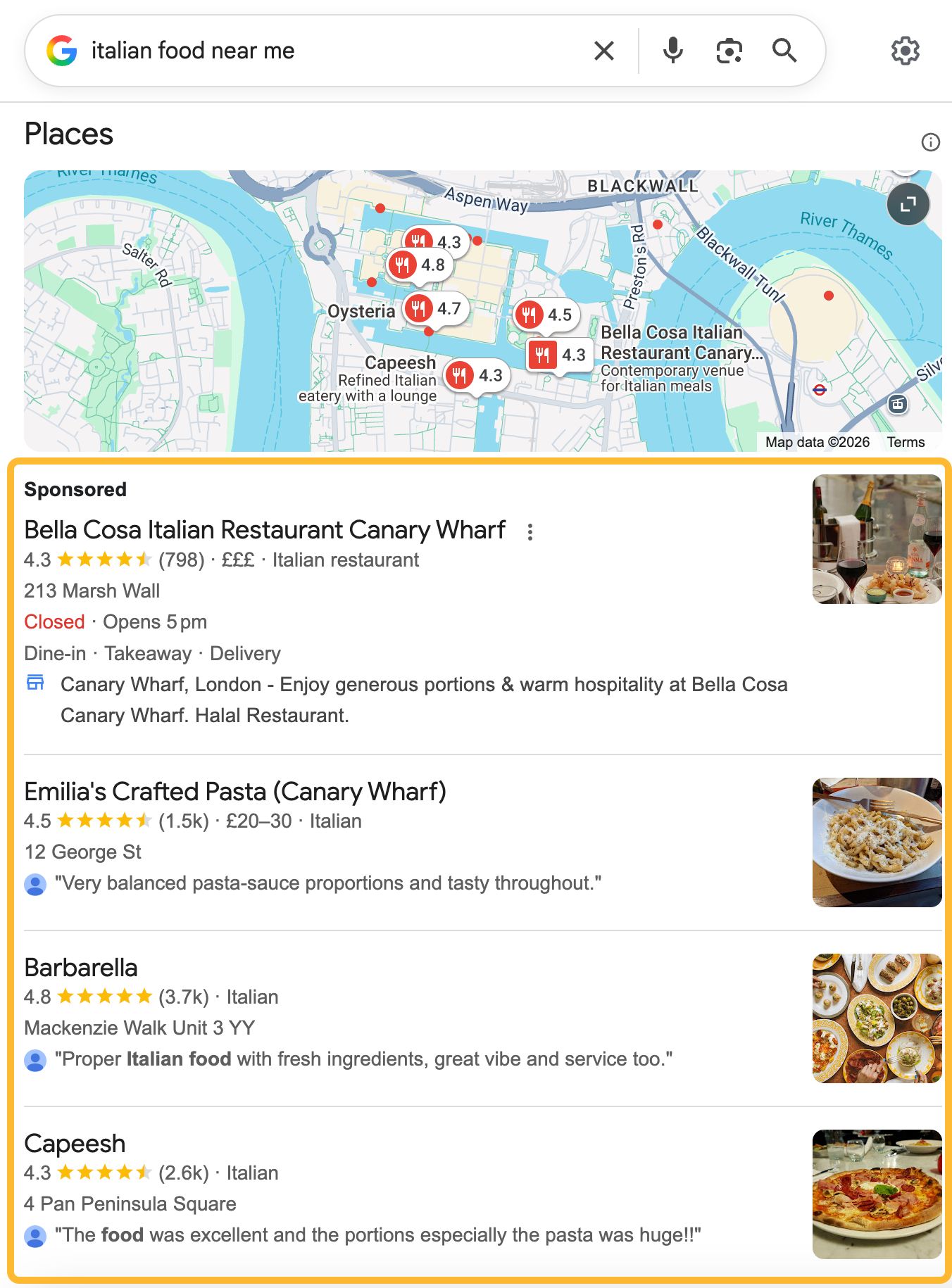
Claim and verify your listing
Choose the most specific category possible
Set your physical address
Get your hours right (especially peak times)
Complete every field in your profile
Write a keyword-rich business description
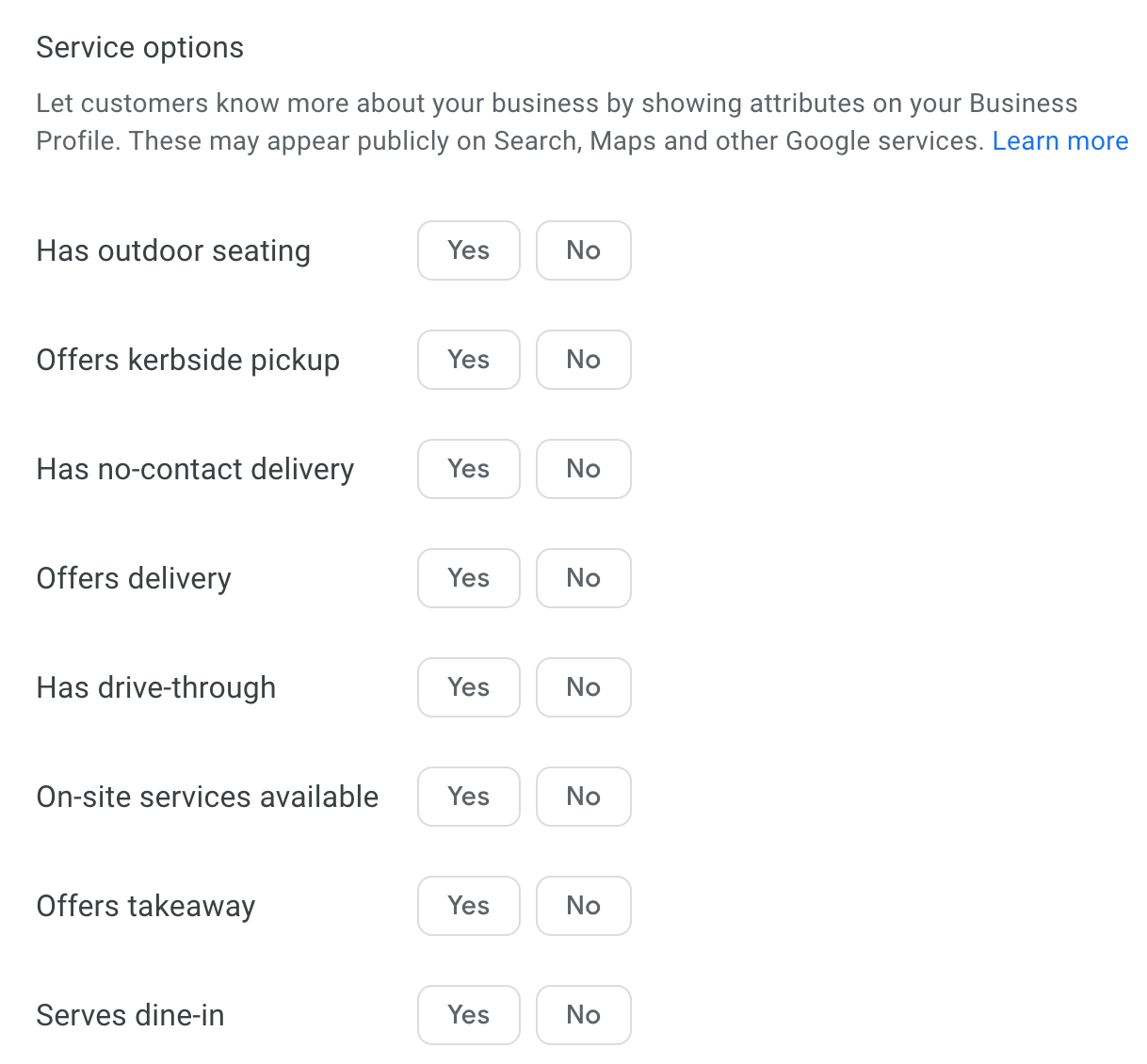
Add services
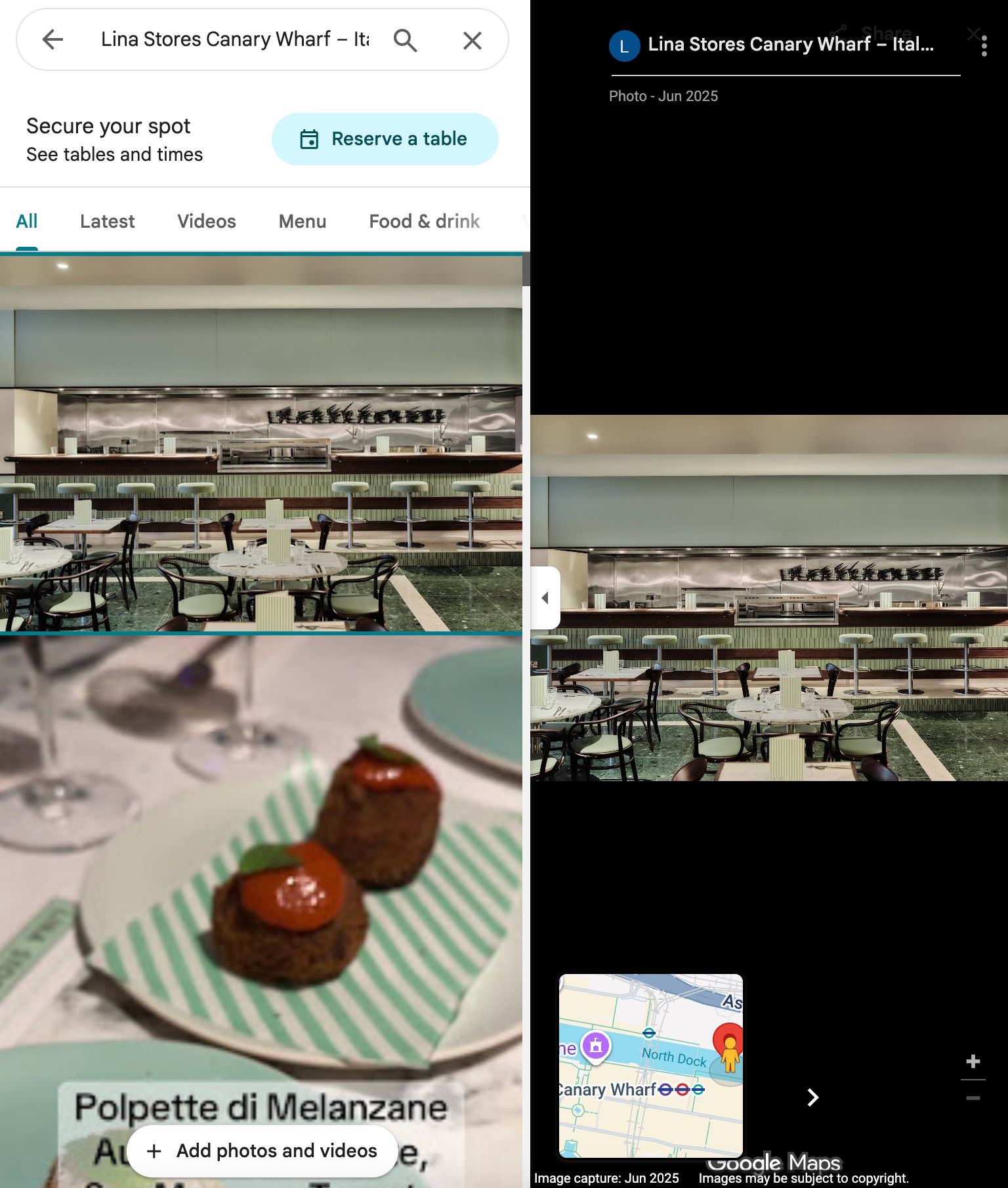
Upload high-quality photos (lots of them)
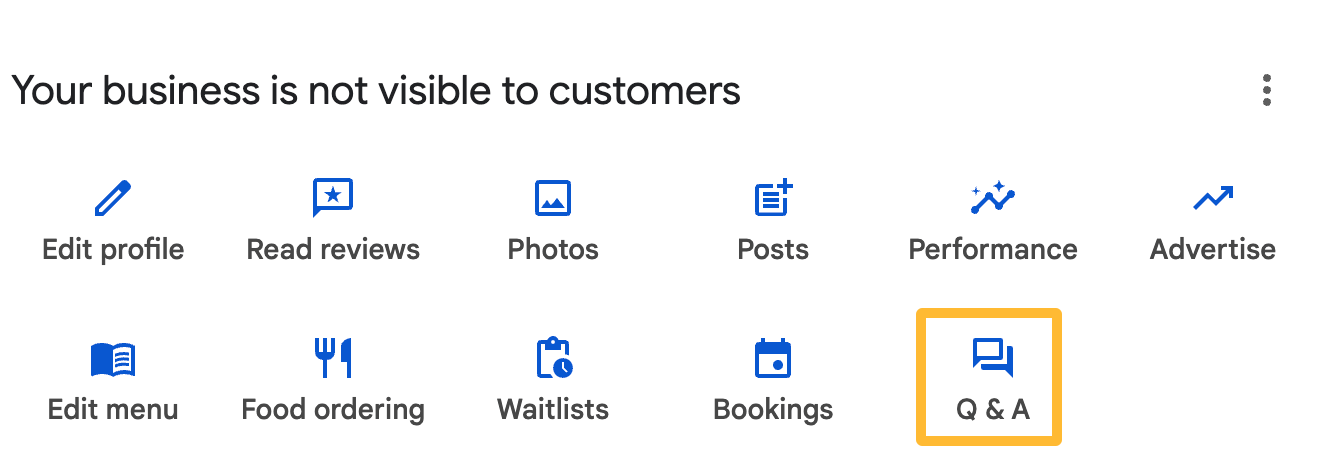
Control your Q&A section
Generate reviews consistently (not in bursts)

Respond to every review (positive and negative)
Optimize your website for local keywords
Create dedicated service pages
Add LocalBusiness schema markup
Embed a Google Map showing your location
Build local citations with consistent NAP

Build local backlinks

Get featured on “best of” lists
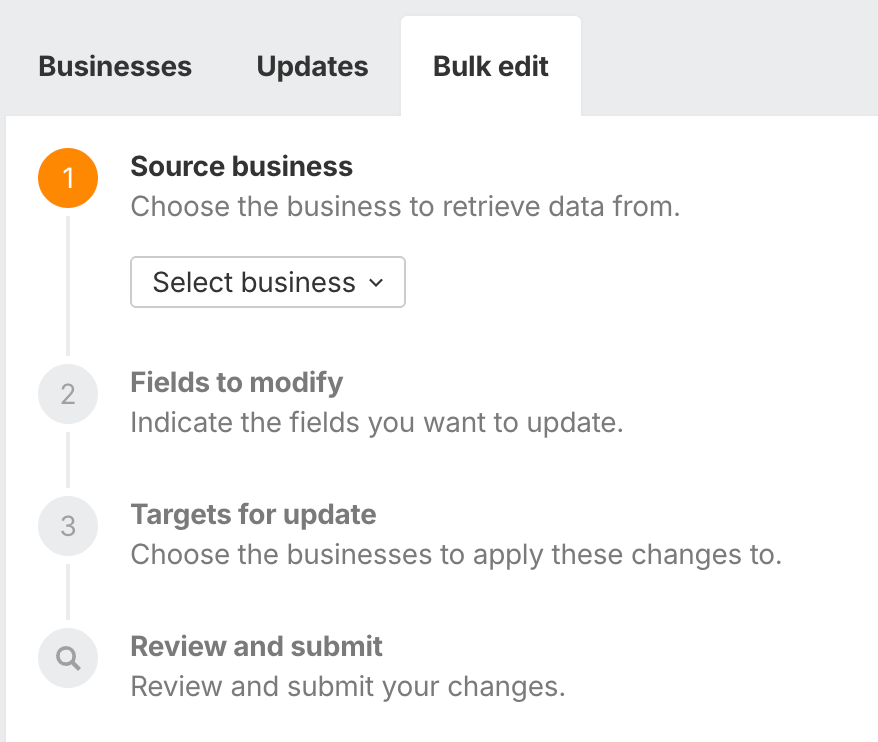
Monitor your profile with GBP Monitor
Final thoughts