I Tried The 5 Healthiest Olive Oils — What I Look For As An RD
They're rich in antioxidants.
 BigThink

Registered Dietitian Nutritionist
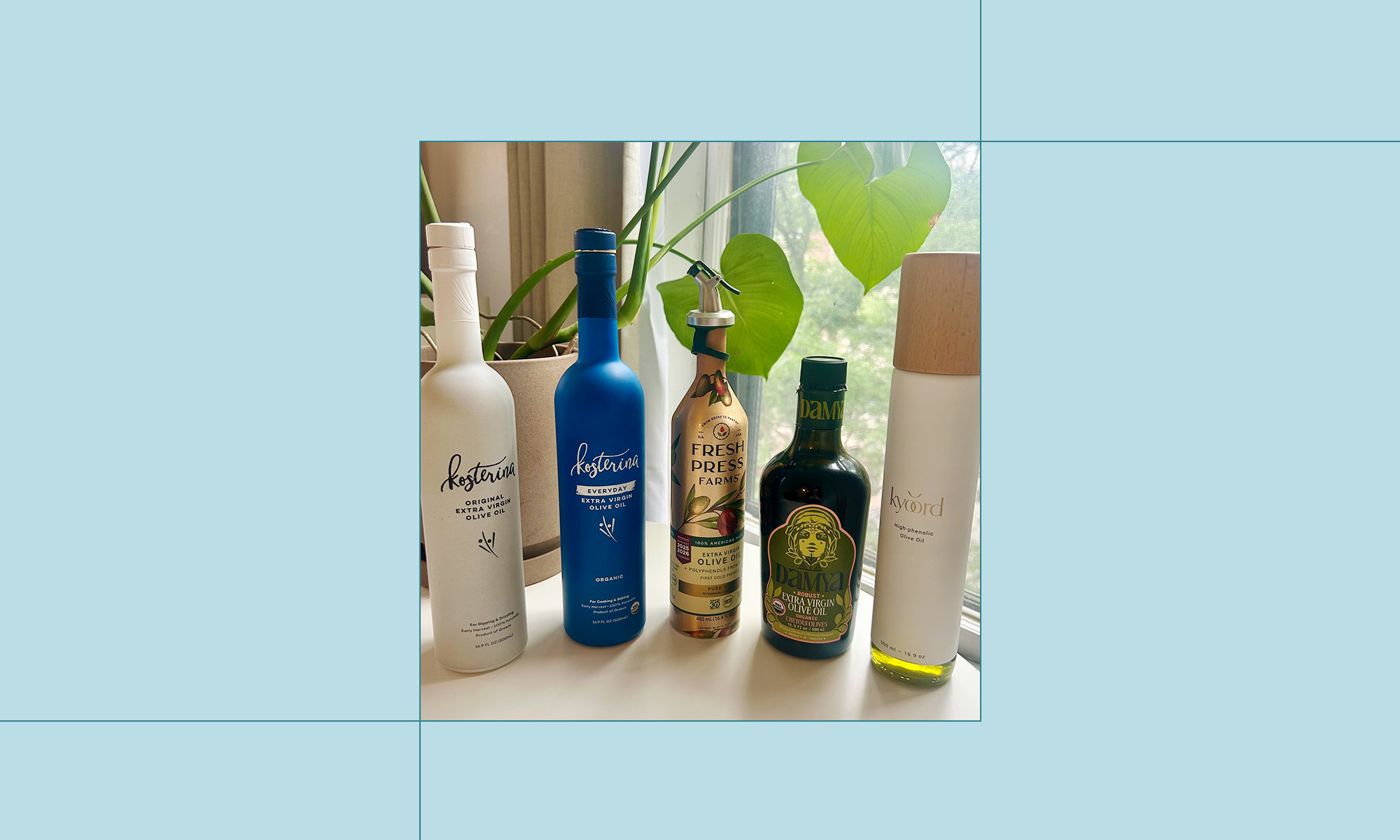
Image by Molly Knudsen / mbg creative July 01, 2026 We carefully vet all products and services featured on mindbodygreen using our Our selections are never influenced by the commissions earned from our links. Olive oil is a cornerstone of the Mediterranean diet, and decades of research link regular olive oil consumption to benefits for heart health, healthy aging, and even longevity. Yes, this is in part due to olive oil’s impressive fatty acid profile (including oleic monounsaturated fats). But olive oil is also a rich source of polyphenols—naturally occurring plant compounds with antioxidant properties. The issue is that most olive oils don’t disclose their polyphenol content, and levels can shift based on olive variety, harvest timing, and processing methods. That’s where high-phenolic olive oils come in. These are intentionally produced and often tested to preserve higher levels of polyphenols, typically through early harvests and careful cold extraction. I sampled several high-polyphenol olive oils side by side, evaluating flavor, freshness, and sourcing. Here’s what you need to know before buying. Image by Molly Knudsen Best overall OriginGreece Olive varietyKoroneiki Polyphenols350–500 mg/kg Voted world's best olive oils of 2026 Cooking & finishing options for everyday use 100% Koroneiki olives grown in Greece Lower polyphenol concentration in the Everyday (cooking & baking oil ) Kosterina's Extra Virgin Duo earned my top overall pick because it takes the guesswork out of choosing the right olive oil for the job. Rather than relying on a single bottle, the set includes one organic everyday oil for cooking and baking, alongside a more robust finishing oil for drizzling over vegetables, salads, or fresh bread. Both are made from Koroneiki olives grown in Greece (a variety naturally rich in polyphenols) and offer a fresh, peppery flavor without being overpowering. It's also one of the most approachable options for anyone new to high-phenolic olive oil, giving you versatility in the kitchen without sacrificing quality. Image by Molly Knudsen Best drizzling oil OriginUnited States Olive varietyKoroneiki, Arbosana & Arbequina Polyphenols1,000 mg/kg Light & herbaceous flavor Grown & cold pressed in the U.S. Fresh Press Farms Pure Gold was the biggest surprise of the group. At just $13, it’s the most budget-friendly option. It’s light and more herbaceous than some of the bolder options on this list, yet still has a guaranteed polyphenol concentration of 1,000 mg/kg (if not higher). With this particular oil, olive-derived polyphenols that are lost during olive milling processes are recovered and reincorporated. It’s my go-to choice for finishing salads, drizzling over veggies, and dipping warm bread. (Plus, there's even a pour spout for convenience). Fresh Press Farms is located in Georgia, and all the olives are grown, harvested, cold-pressed, and bottled on site (and then to your shelves within 3 months!). It’s the definition of fresh, and I love supporting U.S. farmers. While the olive oils are not certified organic, no chemical fertilizers are used. Image by Molly Knudsen Best bold-flavored olive oil Origin Tunisia Olive varietyChetoui Polyphenols 831.24 mg/kg A bold peppery taste that’s still balanced Unique olive variety native to Tunisia Flavor may not suit every palate Damya Robust is an olive oil with personality, and it’s the bottle I'd reach for when serving guests. Made from Chetoui olives 1(a variety native to Tunisia known for producing exceptionally bold oils), it’s intense without being overpowering. This pick has a pronounced peppery finish with enough complexity to stand up to grilled meats, roasted vegetables, and aged cheeses—yet I also loved it drizzled over one of my favorite summer meals: sliced tomatoes, burrata, and flaky salt. This year's harvest of Chetoui olives was particularly noteworthy thanks to favorable rainfall, resulting in exceptional fruit quality. The USDA-certified organic oil is never blended across regions or harvests, giving it a distinct sense of place. Do not sleep on Tunisian olive oils. Image by Molly Knudsen Best mixed olive variety OriginGreece Olive varietyLianolia & Koroneiki Polyphenols 1007 mg/kg High polyphenol concentration Founded by a Ph.D. in molecular biology Good for cooking & baking If your priority is maximizing polyphenols, Kyoord is difficult to beat. Its blend of Koroneiki and Lianolia olives delivers more than 1,000 mg/kg of polyphenols, including especially high levels of oleocanthal and oleacein2 (the compounds largely responsible for olive oil's signature peppery bite and antioxidant properties). Of the four oils I sampled, this one had the earthiest flavor profile. It pairs best with savory dishes like roasted vegetables, pasta, hearty soups, and marinades rather than delicate seafood. While it's one of the pricier options, the premium reflects the labor-intensive process required to preserve these compounds.

Kosterina Extra Virgin Duo by Kosterina Extra Virgin Duo
Pros & Cons
Pros
Cons

Fresh Press Farms Pure Gold Olive Oil
Pros & Cons
Pros

Damya Robust Extra Virgin Olive Oil
Pros & Cons
Pros
Cons

Kyoord High-Phenolic Olive Oil
Pros & Cons
Pros
How we chose
To narrow down the best high-polyphenol olive oils, we looked for brands that prioritize quality, transparency, and exceptional flavor. Here's what made the cut:
What counts as a high-polyphenol olive oil?
The concentration of these antioxidants is typically measured in milligrams per kilogram of oil (mg/kg). While there's no universal definition of a "high-polyphenol" olive oil, these are the generally recognized ranges:
Several factors influence how many polyphenols end up in the finished bottle. One of the biggest is harvest timing. Olives picked early in the season (while they're still green) naturally contain more polyphenols than fully ripened fruit. That's why many premium olive oils proudly advertise that they're "early harvest."
The extraction process also matters. High-quality producers typically cold-press olives shortly after harvest to preserve these delicate compounds, as excessive heat and prolonged processing can degrade them. The tradeoff is lower oil yields, which is one reason high-polyphenol olive oils tend to cost more than conventional grocery store options.
Finally, the specific olive variety impacts polyphenol count, too. Kalamon or Kalamata is considered a polyphenol powerhouse, with levels often reaching 1,000–1,500 mg/kg and a bold, peppery flavor thanks to compounds, like oleocanthal. Other standout varieties include Koroneiki (500–900 mg/kg), Picual (400–800 mg/kg), Coratina (300–700 mg/kg), and Chetoui.
However, a higher polyphenol content doesn't automatically mean an oil tastes "better." These compounds contribute bitterness and pepperiness, so exceptionally high-polyphenol oils often have a more assertive flavor profile.
However, as noted above, there are several lighter options. The high-polyphenol olive oil you like most will depend on your preferences and what types of dishes or cooking methods you lean on most.
The benefits of high-polyphenol olive oil
Most research has looked at total olive oil consumption rather than comparing high-phenolic olive oil intake to low.
Additional research shows that olive oil can:
Frequently Asked Questions
How much olive oil should you consume each day?
Research suggests that consuming about 1½ tablespoons of olive oil daily is associated with many of its heart health benefits (but of course, you can consume more!). Even smaller amounts (as little as half a tablespoon a day) may still offer benefits when consumed consistently as part of an overall healthy eating pattern.
Does high-polyphenol olive oil taste different?
Sometimes! Polyphenols contribute bitterness and the peppery sensation you feel at the back of your throat. That said, flavor also depends on the olive variety, where it's grown, and how it's processed. Some oils are bright and herbaceous, while others are earthy, buttery, or intensely peppery.
Can you cook with high-polyphenol olive oil?
Many high-quality extra virgin olive oils are suitable for everyday cooking, including sautéing and roasting. Some brands formulate specific oils for higher-heat cooking, while others are best reserved for drizzling or finishing dishes to showcase their flavor. Check the producer's recommendations for the best use.
The takeaway
If you're already using olive oil regularly, upgrading to a high-polyphenol extra virgin olive oil is one of the easiest ways to get more out of an everyday staple. I am now a true proponent for having multiple high-polyphenol options on hand at a time. That’s why the Kosterina Extra Virgin Duo is fantastic for daily use. However, I still want something like Damya’s Robust to liven up a dish.
Once you switch to and find the right high-phenolic olive oil for you, you won’t be able to go back to anything else. And you can’t go wrong with any of the options here.