Intel’s future CPU roadmap leaks reveal a company in attack mode
Intel’s upcoming CPU roadmap featuring Nova Lake, Razor Lake, Titan Lake, and Moon Lake is reportedly back on track as the company ramps up efforts against AMD.
 FrankLin

Nova Lake, Razor Lake, and Titan Lake are all lined up to fight AMD.
 Intel Core
Intel
Intel Core
Intel
Intel is done playing catch-up. After years of delays, roadmap reshuffles, and awkward gaps in its lineup, the company is now reportedly accelerating multiple CPU families at once in an attempt to hit back at AMD from every angle. And honestly, this might be the most confident Intel has looked in years.
What is Intel planning with Nova Lake, Razor Lake, and Titan Lake?
According to a new report from Digitimes, Intel’s PC roadmap is now firmly back on track, with several upcoming CPU families lined up over the next few years. The company is reportedly preparing an aggressive rollout involving Nova Lake, Razor Lake, Titan Lake, and Moon Lake, all aimed at strengthening Intel’s position against AMD, Apple, and Qualcomm. Here’s a brief overview of how things stack, via Guru3D:
| Architecture | Expected Launch | Market Segment | CPU Architecture | Key Features | Platform Notes |
| Nova Lake | H2 2026 | Desktop / High Performance PCs | Coyote Cove P-Cores + Arctic Wolf E-Cores | Higher core counts, up to 288MB cache, hybrid architecture | Nova Lake-S desktop platform |
| Razor Lake | Q4 2027 | Desktop / Enthusiast PCs | Griffin Cove P-Cores + Golden Eagle E-Cores | Major IPC improvements, hybrid architecture | Rumored pin compatibility with Nova Lake motherboards |
| Titan Lake | 2028 | High-End Desktop / Mobile APU | Unified Copper Shark cores | Potential removal of P/E core split, rumored NVIDIA RTX GPU tile integration | Direct competitor to AMD Strix Halo-class APUs |
| Moon Lake | 2028 | Entry-Level Laptops / Chromebooks | E-Core-only architecture | Low power consumption, cost-optimized design | Successor to Twin Lake |
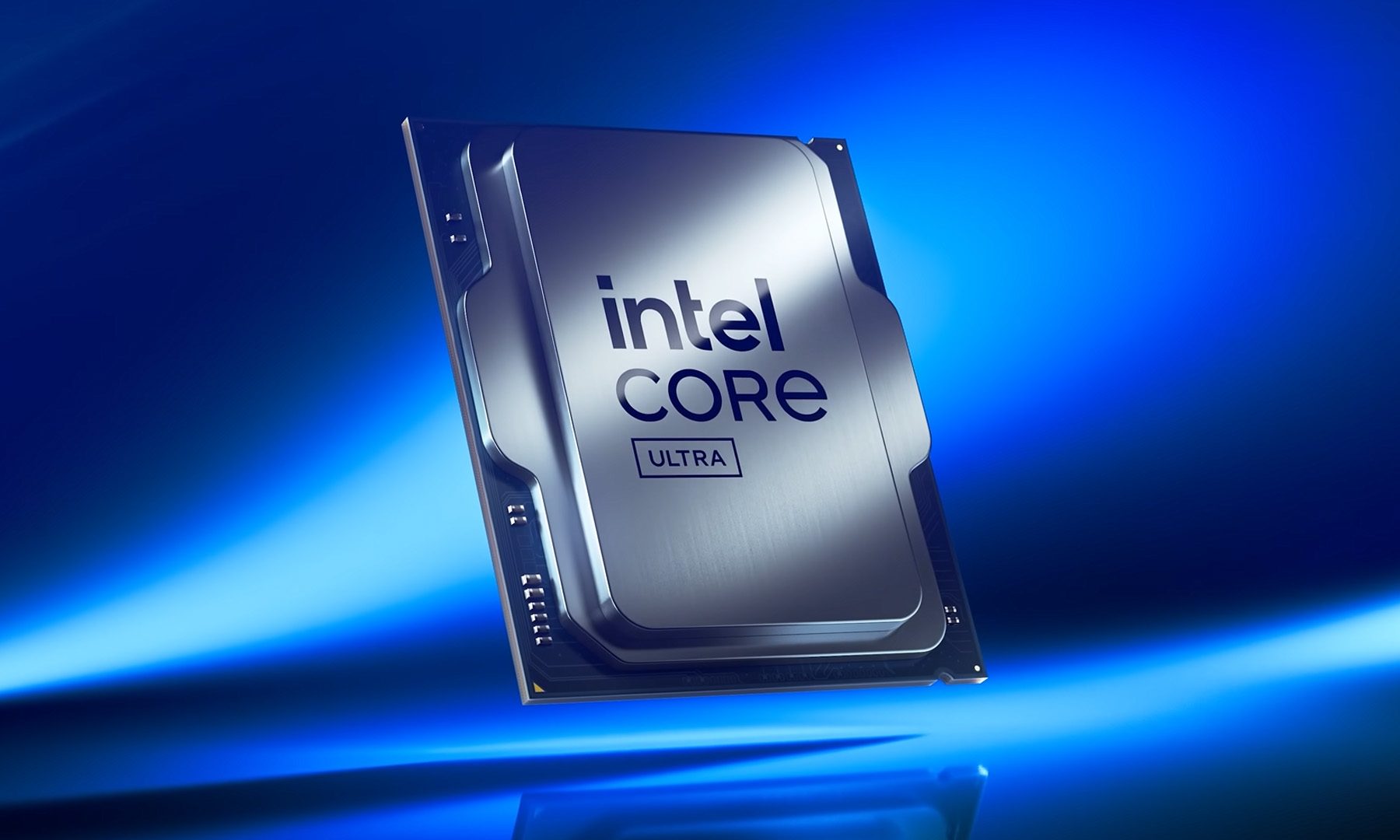
The first big step is expected to be Nova Lake, launching in the second half of 2026. This lineup is rumored to bring massive upgrades, including desktop chips with up to 52 cores and 288MB cache, alongside new Coyote Cove and Arctic Wolf core architectures. Then comes Razor Lake in 2027, which is reportedly designed to be pin-compatible with Nova Lake platforms, allowing easier upgrades for both desktop and mobile systems.
 Intel
Intel
Further down the roadmap, Intel is preparing Titan Lake, which could introduce a unified CPU core design and even an NVIDIA-partnered “Serpent Lake” chip featuring RTX-based graphics technology. The latter would compete more directly against AMD’s Strix Halo APUs for high-performance mobile systems. And finally, there is Moon Lake, a low-power, E-core-focused platform aimed at affordable systems and entry-level devices.
Is Intel finally done fumbling its CPU roadmap?
For years, Intel’s biggest problem was not necessarily bad chips, but inconsistent execution. Delays, canceled plans, and confusing launches gave AMD plenty of room to dominate enthusiast and performance segments. Now though, the tone coming from supply-chain reports is very different. Intel’s roadmap is reportedly stabilizing, yields are improving, and products are expected to launch on schedule instead of slipping repeatedly.
 Intel
Intel
There is also a clear strategy emerging. Instead of relying on one flagship lineup, Intel is building multiple CPU families targeted at different markets, from high-end gaming desktops to AI laptops and budget systems. Whether all of these chips actually land on time is still the big question. But for the first time in a while, Intel’s roadmap feels less like damage control and more like a genuine counterattack.

Varun is an experienced technology journalist and editor with over eight years in consumer tech media. His work spans…
iOS 27 could treat AI models like default apps, and that may finally get me to use Apple Intelligence
While Android locks you into Gemini and Windows defaults to Copilot, Apple's iOS 27 is reportedly handing you the controls for the very first time.

Most people who use AI daily, including me, have already found their preferences. I use a paid Claude subscription to help with my editorial chores (headline brainstorming, fine-tuning the tone, etc.), while Gemini is my go-to AI model for image generation and background research, especially when I want to go deep on a topic.
Maybe you use Perplexity for search or ChatGPT for code, and that's absolutely fine, as it only boosts your productivity and gets you the right information faster. The problem is, the operating system on your phone or laptop isn't aware of your choice, and until now, it didn't even care before imposing its own choice of AI.
This compact SSD enclosure has active cooling to sustain 80Gbps speeds for as long as you need
Satechi's DotDisk tackles the thermal throttling problem that plagues most compact drive enclosures.

Large file transfers have a habit of starting fast and finishing slow, and thermal throttling is typically to blame. Satechi's new DotDisk SSD enclosure addresses that with a built-in microfan to keep your drive cool under load.
A built-in fan solves the problem passive cooling can't
Kids are bypassing online age checks by drawing fake beard on their face
Kids are beating age checks in cartoonishly funny ways

A fake beard might be the funniest new loophole in online safety check. According to a recent Internet Matters report, some children have been drawing facial hair on themselves to trick facial age-estimation tools into thinking they are older. One parent said their 12-year-old used an eyebrow pencil to draw a moustache and was verified as 15.
Can a fake beard really beat online age checks?