Kundalini vs Hatha Yoga: What’s the Difference & Which Is Right for You?
Most people who search for the difference between Kundalini Yoga and Hatha Yoga already sense that these two paths are not the same. They are right. But the real difference goes deeper than what most articles explain, and the...
 Koichiko
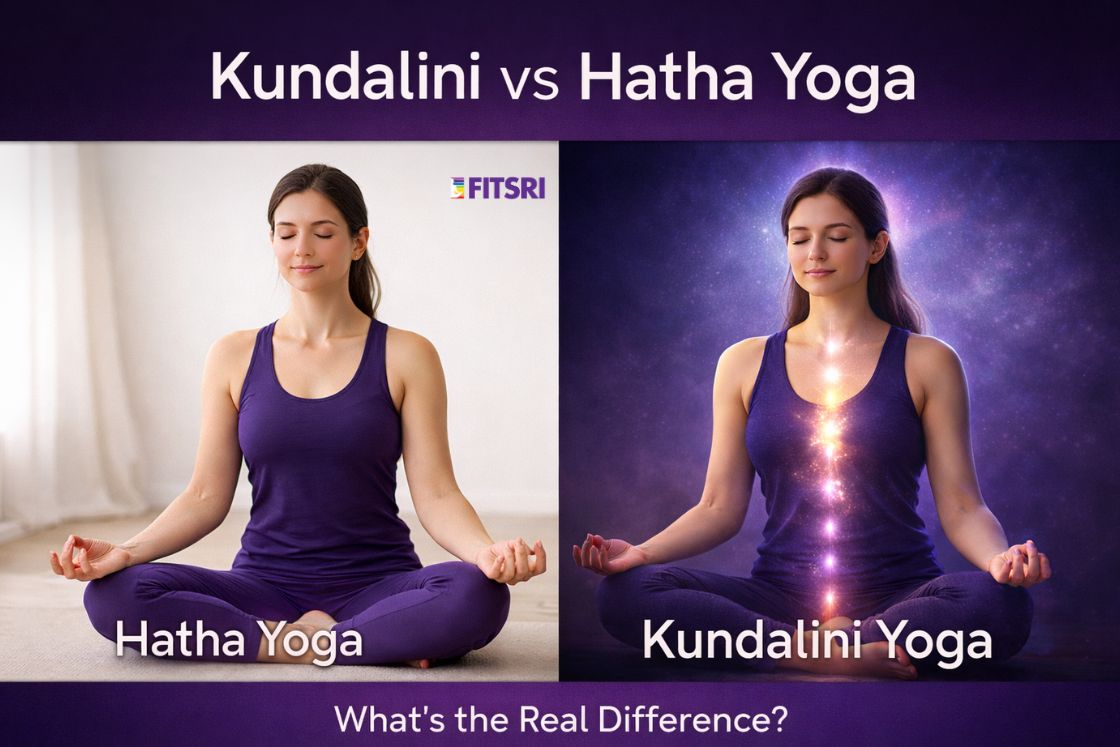
Most people who search for the difference between Kundalini Yoga and Hatha Yoga already sense that these two paths are not the same. They are right. But the real difference goes deeper than what most articles explain, and the way these two practices relate to each other is often misunderstood.
Kundalini Yoga and Hatha Yoga are often presented as two different styles, but they are not equal alternatives in the way many people assume. They serve different purposes and are traditionally practiced at different stages of a student’s journey.
Hatha Yoga focuses on preparing the body, breath, and energy system. It builds stability, clears tension, and creates the internal balance needed for deeper practices. Kundalini Yoga, in its classical sense, works with the awakening of a much more powerful inner energy, something that is approached only when that foundation is in place.
This is where much of the confusion begins, especially in the West. These practices are often simplified or presented out of context, which makes it difficult to understand how they actually fit together.
In simple terms, one prepares the system, and the other becomes possible because of that preparation.
In this article, you will see both clearly. What each one is, how they differ, where they overlap, and most importantly, which one makes sense for you right now.
Kundalini Yoga vs Hatha Yoga: Quick Comparison
Before going deeper, here is a simple way to understand the difference at a glance. This helps clear the confusion most people have when they first come across these two paths. If you are new, you don’t need to memorise this. It simply shows how Kundalini Yoga maps inner energy.
| Main purpose | Prepare and balance body, breath, and energy | Awaken dormant inner energy and expand awareness |
| Focus | Physical body, breath, and pranic balance | Chakra system and dormant energy (Kundalini Shakti) |
| Level | Suitable for beginners | Traditionally practiced after preparation |
| Practices | Asana, pranayama, shatkarma, mudra, bandha | Advanced pranayama, kriya, bandha, chakra meditation |
| Pace | Slow, steady, and methodical | Gradual but more intense and internal |
| Safety | Generally safe when practiced correctly | Requires guidance and proper foundation |
| Role in practice | Foundation of the path | Next stage of deeper inner work |
What this comparison makes clear is that these are not two competing styles where you simply pick one over the other. In the classical understanding, they are connected. Hatha Yoga builds the conditions. Kundalini Yoga works with what becomes possible once those conditions are real.
Kundalini yoga in the West vs Classical Kundalini Yoga
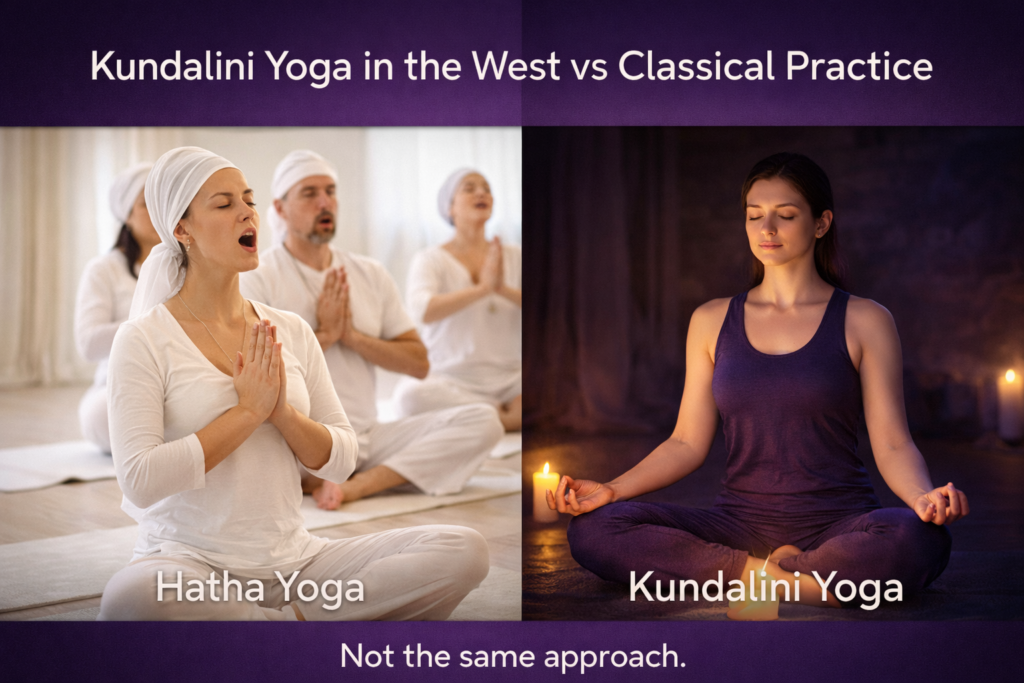
If you have come across Kundalini Yoga in a Western studio, there is a good chance you have seen the style developed by Yogi Bhajan in the late 1960s. It is widely taught across the United States and Europe and often includes white clothing, structured breathwork, chanting, and set sequences of kriyas.
This approach has its own community and has helped many people. At the same time, it comes from a different lineage than what Kundalini Yoga refers to in the classical tradition, and the two are not exactly the same.
In this article, when we refer to Kundalini Yoga, we are speaking about the classical approach described in the Tantric texts and in Swami Satyananda’s Kundalini Tantra. This approach is quieter, more internal, and unfolds gradually over time, based on a specific understanding of how energy moves within the system.
Knowing this distinction will help you understand the comparisons that follow, especially when looking at how Kundalini Yoga relates to Hatha Yoga in a traditional context.
Join Our Live 40-Day Kundalini Yoga Teacher Training Course
What Is Hatha Yoga?
Hatha Yoga is one of the most misrepresented terms in the modern yoga world. Walk into most studios offering a Hatha class and you will find something that looks like gentle stretching with some slow breathing. That is a very narrow slice of what Hatha Yoga actually is.
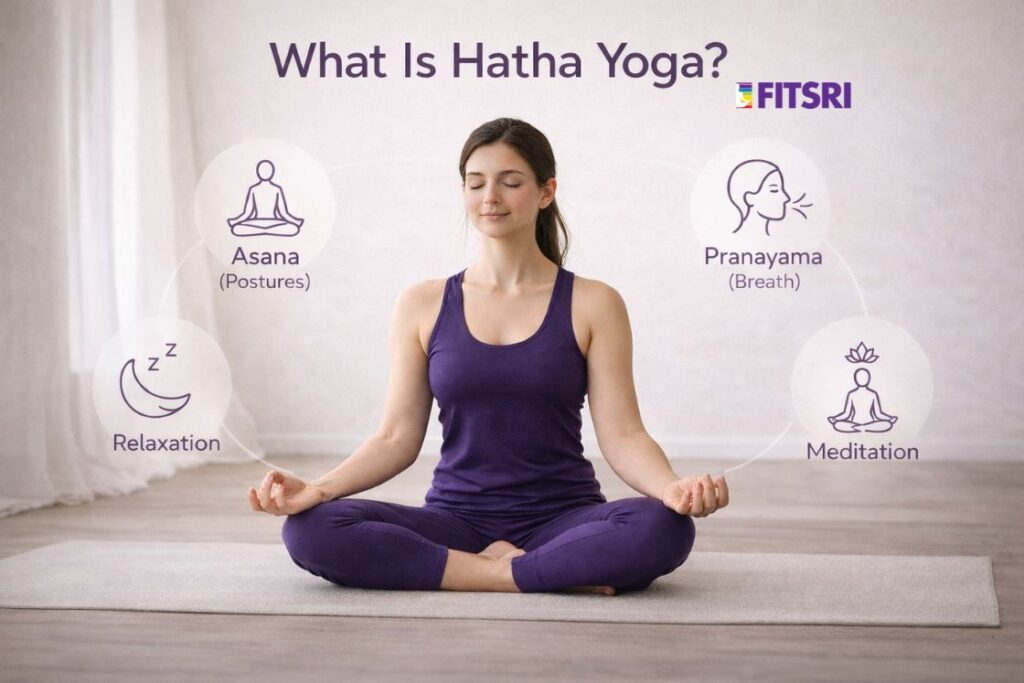
In the classical tradition, Hatha Yoga is a complete system for preparing the human body, nervous system, breath, and energy for meditation and higher states of awareness. The name itself explains its purpose. Ha represents the solar energy in the body: active, heating, and outward-moving. Tha represents the lunar energy: receptive, cooling, and inward-moving. Hatha Yoga is the science of bringing these two forces into balance so that the mind can eventually become still.
That stillness is not something you achieve through willpower. It is something that happens naturally when the system is clean and balanced. And that is exactly what Hatha Yoga is designed to create.
What Hatha Yoga Practices Actually Include
A complete Hatha Yoga practice is made up of several elements working together:
Asana: steady postures that release tension and open the body Pranayama: structured breathing practices that regulate energy Shatkarma: cleansing techniques such as neti and kapalabhati Mudra: gestures that help direct pranic flow inward Bandha: internal locks that contain and channel energy Yoga Nidra: deep conscious relaxation that prepares the mind for withdrawal Meditation: the natural outcome of a balanced systemPracticed together and consistently, these elements do something that physical exercise cannot. They clean and stabilise the nervous system at a deep level. They reduce the noise in the mind that builds up from daily stress, distraction, and suppressed tension.
Over time, they create an inner environment where meditation actually happens rather than just being attempted.
Hatha Yoga is a complete path on its own. Someone who practices it sincerely for years will notice genuine changes in their health, clarity, and quality of attention. It is also the necessary preparation for everything that follows, including Kundalini Yoga.
What Is Kundalini Yoga?
Kundalini Yoga, in the classical sense, is not a style of yoga class. It is a specific science focused on awakening Kundalini Shakti, a vast dormant energy described in the classical texts as resting at the base of the spine, in the region of Muladhara Chakra.
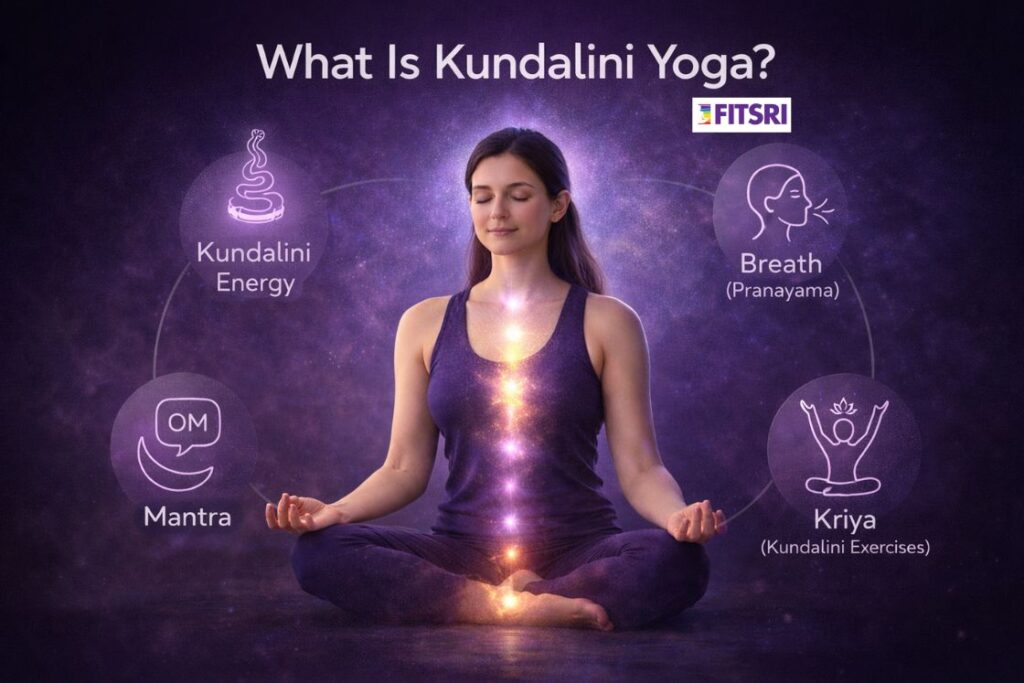
Most people have heard this term used loosely, often attached to an image of something dramatic: energy shooting up the spine, visions, bliss states, or sudden awakening. The classical texts describe something quite different. Kundalini awakening is usually a gradual process. It unfolds over time as the system becomes increasingly ready to sustain it. In most practitioners, the early signs are subtle: a deepening of perception, a clearer sense of inner direction, greater steadiness in difficult situations, and a pull toward silence.
The classical texts are consistent on one point. You do not pursue Kundalini awakening the way you pursue a goal. You prepare the ground, and it awakens in its own time.
What Kundalini Awakening Actually Feels Like
This is the question most Western students have and most articles avoid answering clearly. So here is an honest picture.
In the early stages, Kundalini awakening does not typically feel like anything extraordinary. You might notice a deepening quality of stillness in meditation that was not there before. Your breath may slow considerably without effort. There can be a sense of warmth or movement along the spine during practice. Some people experience a spontaneous turning inward of attention, where external distractions hold less pull.
In more active phases, particularly when the energy encounters blocked areas in the system, the experience can be more intense. This might include strong heat in the body, involuntary movements during meditation, vivid dreams, or a surfacing of emotions that have been stored for a long time. This is one of the main reasons preparation matters. A nervous system that has been stabilised through Hatha Yoga can handle and integrate these experiences. One that has not been prepared can be genuinely destabilised by them.
Over the longer term, the most reliable sign of Kundalini awakening is not intensity at all. It is an increasing clarity and stability of awareness that becomes part of daily life, not just something that happens on the mat.
The Chakra System: Central to Kundalini Yoga
To understand Kundalini Yoga properly, you need to understand the chakra system. Not as a wellness concept, but as the actual map that Kundalini Yoga uses to describe how energy moves through the human system.
The classical tradition describes seven major energy centres along the spinal column, each governing a different dimension of human experience. As Kundalini Shakti moves upward through these centres, the qualities associated with each one become more accessible. Here is the full picture:
| Root (Mooladhara) | Base of spine | Stability and survival |
| Sacral (Swadhisthana) | Lower abdomen | Emotions and creativity |
| Solar Plexus (Manipura) | Navel area | Confidence and willpower |
| Heart (Anahata) | Centre of chest | Love and connection |
| Throat (Vishuddhi) | Throat | Communication |
| Third Eye (Ajna) | Between eyebrows | Intuition |
| Crown (Sahasrara) | Top of head | Awareness and consciousness |
Kundalini Yoga works with this entire map, systematically. The practices are chosen and sequenced specifically to open these centres in order, beginning from Muladhara at the base and working upward. This is why the process is gradual. Each chakra has its own associated patterns, blockages, and qualities. Moving through them takes time.
What Kundalini Yoga Practices Include:
Advanced pranayama such as Bhastrika or controlled breath retention
Bandhas like Moola Bandha to direct energy upward
Mudras that influence the flow of prana within the system
Chakra awareness and meditation, working step by step through the energy centres
Kriya Yoga practices, which combine breath, movement, and concentration in a structured sequence
Ajapa Japa, the spontaneous awareness of mantra with the breath
Some of these practices also appear within advanced Hatha Yoga. The difference lies in how they are used. In Kundalini Yoga, they are applied more directly toward awakening and guiding energy through the chakra system.
One important point to understand is that Kundalini Yoga is not about chasing intense experiences. Sensations, emotions, or unusual states can arise during practice, but these are not the goal. The real process is gradual and often subtle. It involves increasing clarity, stability, and awareness over time.
For this reason, guidance becomes essential. While basic yoga practices can be learned and practiced independently, Kundalini-oriented work is traditionally introduced by a teacher who understands how to pace the process and respond to what arises.
Seen in this way, Kundalini Yoga is not separate from Hatha Yoga. It builds on it. The preparation done through Hatha Yoga makes the system capable of handling the deeper changes that Kundalini work can bring.
Key Differences Between Kundalini Yoga and Hatha Yoga
While both Kundalini Yoga and Hatha Yoga come from the same broader yogic tradition, they are not practiced in the same way or for the same immediate purpose. Understanding their differences clearly can help you choose the right starting point and avoid confusion.
Purpose and Goal
Hatha Yoga is primarily concerned with preparation. Its goal is to purify and balance the body, breath, and energy system so that the mind can become steady. It creates the foundation for deeper practices.
Kundalini Yoga, on the other hand, works with awakening inner energy and expanding awareness. Its focus is not preparation, but transformation at a deeper level of consciousness.
Approach to Practice
Hatha Yoga follows a steady and methodical approach. Practices are repeated consistently over time, allowing gradual changes to take place in the body and mind.
Kundalini Yoga is more internal and direct in its approach. It works specifically with the movement of energy through the system, often using focused techniques that require more sensitivity and awareness.
Type of Practices Involved
Hatha Yoga includes a broad range of practices such as asana, pranayama, cleansing techniques, mudras, bandhas, and relaxation methods like Yoga Nidra.
Kundalini Yoga uses some of these same tools, but in a more targeted way. Practices often include advanced pranayama, specific bandhas, chakra meditation, and kriya-based sequences designed to influence the flow of energy directly.
Level of Intensity
Hatha Yoga is generally gentle to moderate in intensity. It is suitable for beginners and can be adapted to different levels of ability.
Kundalini Yoga can feel more intense, not necessarily in a physical sense, but in how it affects the mind and internal state. Because of this, it is traditionally introduced after a period of preparation.
Role of the Body and Mind
In Hatha Yoga, the body and breath are the main entry points. By working with them, the mind gradually becomes calm and focused.
In Kundalini Yoga, the focus shifts more toward the inner experience. The body is still involved, but the emphasis is on awareness, energy movement, and the deeper layers of the mind.
Safety and Guidance
Hatha Yoga can be practiced safely on your own once you understand the basics. A teacher is helpful, but not always necessary at the beginning.
Kundalini Yoga requires guidance. Because it works with deeper layers of the system, having an experienced teacher helps ensure that the process unfolds in a balanced and stable way.
Progression on the Path
Hatha Yoga is often the starting point. It builds the strength, balance, and clarity needed for more advanced practices.
Kundalini Yoga is traditionally approached later, once the foundation is stable. It is not separate from Hatha Yoga, but a continuation of the same path at a deeper level.
Taken together, these differences show that Kundalini Yoga and Hatha Yoga are not opposing choices. They are part of a natural progression. For most people, the practical path begins with Hatha Yoga, and over time, can deepen into Kundalini-oriented practices when the system is ready.
Benefits of Hatha Yoga
Hatha Yoga works slowly, but its effects are steady and reliable. Instead of creating quick changes, it builds a strong foundation in the body and mind over time.
One of its main benefits is physical balance and stability. Regular practice improves flexibility, posture, and strength, but more importantly, it reduces unnecessary tension in the body. This makes everyday movement easier and more comfortable.
Hatha Yoga also has a strong effect on the nervous system. Through breathwork and relaxation practices like Yoga Nidra, it helps shift the body out of constant stress. Many people notice better sleep, improved focus, and a calmer response to daily challenges.
Another important benefit is mental clarity. As the breath becomes more regulated and the body more settled, the mind naturally becomes less scattered. This creates a better foundation for meditation, even for beginners.
At a deeper level, Hatha Yoga supports the balance of prana, or life energy. This is not always something you feel immediately, but over time it leads to a sense of steadiness and inner ease that is difficult to achieve through physical exercise alone.
For most people, these benefits are already significant. They improve health, reduce stress, and create a stable base for any further inner work.
Benefits of Kundalini Yoga
Kundalini Yoga works at a deeper level, so its benefits are also more internal and less predictable. It is not about improving flexibility or fitness, but about changing how energy and awareness function within the system.
One of the most noticeable effects is an increase in inner awareness. As practices deepen, attention naturally turns inward. This can lead to clearer perception, stronger intuition, and a better understanding of one’s own patterns.
Kundalini Yoga can also bring a sense of expanded energy and vitality. When prana begins to move more freely, people often experience greater mental alertness and a feeling of being more alive and present.
Another important aspect is emotional release and integration. Stored tension and unresolved patterns may surface during practice. While this can feel challenging at times, it is part of a deeper process of clearing and balancing the system.
Over time, the most significant benefit is a shift in consciousness itself. This is not always dramatic. It can show up as greater stability, less reactivity, and a more grounded sense of awareness in daily life.
Because these changes happen at a deeper level, they require patience and proper guidance. The benefits are not immediate in the way physical improvements are, but they tend to be more lasting.
Which One Should You Choose?
For most people, the choice between Kundalini Yoga and Hatha Yoga becomes much simpler when you look at your current level and what you are actually looking for from your practice.
Choose Hatha Yoga if:
You are new to yoga or returning after a long break You want to improve flexibility, posture, and overall physical balance You feel stressed, restless, or mentally scattered You want a steady and structured practice you can build over time You prefer something simple, grounded, and easy to begin without complexityHatha Yoga gives you a clear starting point. It helps you understand your body, regulate your breath, and develop consistency. Even if your long-term interest is in deeper practices, this foundation is essential.
Choose Kundalini Yoga if:
You already have a consistent yoga or meditation practice You feel ready to explore deeper inner work beyond the physical level You are interested in energy, awareness, and the chakra system You are working with a qualified teacher who can guide your practice You are comfortable with a slower, more internal process rather than quick resultsKundalini Yoga is not something to rush into. It becomes meaningful when your system is prepared and when the practice is introduced in the right way.
A More Honest Perspective
In the classical tradition, this is not really a choice between two separate paths.
For most practitioners, the journey begins with Hatha Yoga. Over time, as the body, breath, and mind become stable, deeper practices related to Kundalini may be introduced naturally.
Trying to skip this process usually leads to confusion or inconsistency. Building a strong base first makes the entire path more stable and effective.
If You Are Still Unsure
If you are deciding where to begin, keep it simple.
Start with Hatha Yoga. Practice regularly, even if it is just a short daily routine. Focus on learning the basics properly rather than trying to move quickly.
As your practice becomes more steady and your awareness deepens, the next steps will become clearer. You do not need to force the process. In yoga, progress tends to come from consistency rather than intensity.
Can Beginners Practice Kundalini Yoga Safely?
This is one of the most common concerns, and it is a valid one.
Beginners can safely start with basic yoga practices, including simple asana, gentle pranayama, and relaxation techniques like Yoga Nidra. These are all part of Hatha Yoga and form the natural starting point for anyone new to the path.
When it comes to Kundalini Yoga, the answer is more nuanced. Introductory practices that build awareness of breath and subtle sensations can be explored carefully. However, the more direct Kundalini techniques, especially those involving strong breath retention, bandhas, or intense focus on energy movement, are traditionally not self-taught.
The key point is not fear, but readiness. Kundalini practices are safest and most effective when the body, breath, and mind have already been prepared. This preparation reduces the chances of imbalance and makes the experience more stable and meaningful.
If you are new, there is no disadvantage in starting with Hatha Yoga. In fact, it is the most reliable way to progress without confusion or unnecessary strain.
FAQs
1. Is Kundalini Yoga better than Hatha Yoga?
Neither is better. They serve different purposes. Hatha Yoga prepares the system, while Kundalini Yoga works at a deeper level once that preparation is in place. For most people, Hatha Yoga is the practical starting point.
2. Which is easier for beginners?
Hatha Yoga is easier to begin with. It focuses on the body and breath, making it more accessible and easier to practice consistently. Kundalini Yoga usually requires some prior experience and guidance.
3. Can I practice both Kundalini and Hatha Yoga together?
Yes, but not as separate or competing practices. In a traditional approach, Hatha Yoga forms the base, and Kundalini-oriented practices are gradually added when appropriate. They are part of the same path rather than two unrelated systems.
4. How long should I practice Hatha Yoga before starting Kundalini Yoga?
There is no fixed timeline. For some people, it may take a few years of consistent practice. For others, longer. The focus should be on building a stable foundation rather than reaching a specific milestone quickly.
5. What is the role of Yoga Nidra in this path?
Yoga Nidra is often underestimated because it looks like relaxation from the outside. In the classical tradition it is a precise practice for training the mind to enter deep pratyahara, the withdrawal of awareness from the senses. This capacity is foundational for both meditation and for the internal work of Kundalini Yoga. Most practitioners who practice Yoga Nidra consistently for several months notice a significant deepening of their meditation and a greater ease in accessing inner stillness.
























.jpg&h=630&w=1200&q=100&v=1a56ad72fe&c=1)