LG is getting into humanoid robots, and Nvidia is helping it build them
LG's humanoid robot finally has a real target date: early 2027, built on NVIDIA's Jetson Thor chip and Isaac GR00T model.
 Koichiko

This isn't just another robot teaser. LG and NVIDIA just outlined actual hardware.
 LG
LG
With time, more and more legacy hardware companies seem to be racing to bolt a humanoid robot onto their roadmap. The latest entrant is LG, joining the race with tentative timelines.
The company’s bipedal humanoid, built on Nvidia’s robotics stack, is planned for early 2027, and it’s backed by a broader push into AI factories and self-driving vehicle platforms.
Great to welcome @LGE_Global Group Chairman Kwang-mo Koo and LG leaders to NVIDIA as we enter the next chapter of our collaboration.
Together, we’re expanding our work across AI infrastructure, physical AI and robotics.
We’re excited about what our teams can build together. pic.twitter.com/75yVaxSdIT
What exactly is LG building with Nvidia?
Earlier this week, LG and Nvidia signed a memorandum of understanding at Nvidia’s Santa Clara headquarters. LG Corp chairman Kwang Mo Koo and Nvidia CEO Jensen Huang were both in the room.
The centerpiece is a bipedal humanoid robot LG plans to reveal publicly in early 2027, timed for CES 2027. From what we know, it runs on Nvidia’s Jetson Thor chip, which powers reasoning, and the Isaac GR00T foundation model for processing. Nvidia’s Halos safety system, billed as the industry’s first full-stack safety framework built for robots, is also onboard.
To make the robots, LG is sourcing actuators, sensors, and batteries from its own Electronics, Innotek, and Energy Solution divisions, which should be both convenient and economical.
However, LG isn’t waiting until 2027 to start real-world testing. This year, the company is deploying its wheel-based robot, LG CLOiD (the home robot showcased earlier this year), as a factory trial. To feed the machines a massive amount of training data, the partnership also includes building a “robot data factory” powered by LG CNS’s PhysicalWorks platform.
NVIDIA and LG are expanding their collaboration to accelerate the next wave of physical AI.
Building on years of work together, @JensenHuang and LG Group Chairman Kwang-mo Koo are advancing joint efforts across AI factories, robotics, and autonomous vehicles — combining LG’s… pic.twitter.com/8aPC2VfhSS
What about the AI factories and self-driving push?
Beyond robots, LG is building two factories in the next two years. These include an AI factory reference site on Nvidia’s Vera Rubin platform by mid-2027. It will be followed by an 80-megawatt LG AI Factory in Cheonan, South Korea, by mid-2028.
To me, the goal sounds less like an internal priorities shift and more like an upcoming product that the company could package and sell to other tech giants.
Nvidia’s Halos safety framework is the detail worth watching here, since humanoid robots sharing floor space with human workers have been the industry’s biggest liability question for years.

For more than five years, Shikhar has consistently simplified developments in the field of consumer tech and presented them…
Googlebook may use older Snapdragon chips to build more affordable laptops
Snapdragon X Plus and X Elite models could be in development

Google has already confirmed that Googlebook will support more than one chipmaker, and a new leak may have revealed the first Snapdragon models in development.
New code references uncovered by GbookHub reportedly link two Googlebook designs, codenamed Annite and Pic, to Qualcomm’s Snapdragon X Plus X1P-42-100 processor. Both are also said to be tied to a board platform called Mica.
Google’s Gemini app adds a toggle to disable AI watermarks, with some exceptions
Your AI creations no longer need a visible stamp.
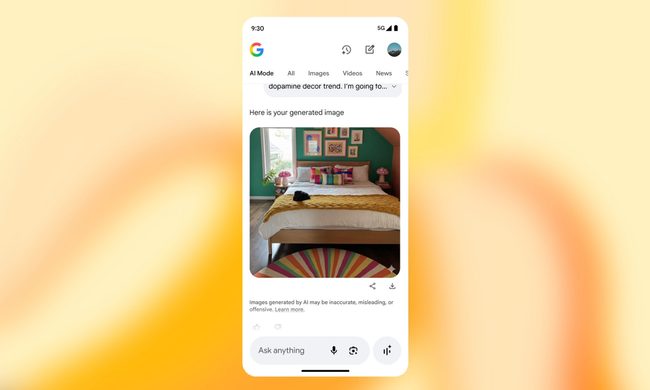
If you have ever generated an image with Gemini and gotten annoyed by that stamped-on watermark, Google finally heard you. Gemini is rolling out a new setting called Media Watermarks that lets you toggle visible watermarks on or off across everything you create, including images made with Nano Banana, videos made with Omni, and music made with Lyria. Until now, that visible watermark was applied automatically with no way to turn it off.
https://twitter.com/geminiapp/status/2088277477672255830?s=46
U.S. courts will now make government use of spyware tools public
U.S. courts will soon start putting numbers on government spyware use

U.S. courts are set to begin publicly reporting how often federal judges authorize the government to use spyware and hacking tools to intercept real-time communications, giving the public its first standardized view of how frequently these surveillance techniques are being used.
The change will begin with data collected for the 2028 Wiretap Report, which will be published in 2029. The Administrative Office of the U.S. Courts told TechCrunch that the report will introduce a new “spyware/hacking” category covering wiretaps conducted using hacking tools and spyware, known to federal authorities as network investigative techniques, or NITs.








/cdn.vox-cdn.com/uploads/chorus_asset/file/25822655/Screenshot_4_Downtown.jpg)












![Scrunch AI alternatives compared: Features, pricing, and fit [2026]](https://53.fs1.hubspotusercontent-na1.net/hubfs/53/scrunch-alternatives-1-20260812-5006620.webp)