Mark Zuckerberg wants AI superintelligence in everyone’s hands
Zuckerberg says Meta can put superintelligence in billions of hands. Its reach makes that plausible, but users would still depend on Meta to build the models, set the safeguards and define their limits.
 ValVades

Meta says it can bring advanced AI to billions of people, though access won’t give users control over the infrastructure, safeguards, or limits behind it
 Meta
Meta
In an opinion essay for The Wall Street Journal, Mark Zuckerberg lays out a modest ambition for Meta’s AI. He wants to put superintelligence in everyone’s hands, giving ordinary people technology powerful enough to improve their health or help them work.
Zuckerberg presents personal superintelligence as an alternative to advanced AI being controlled by a few institutions. Meta can certainly distribute it on a scale few companies could match. What users would receive is an assistant built and governed somewhere else, with its most important decisions made for them.
How Meta can reach billions
Meta’s apps averaged 3.56 billion daily active users in March 2026. More than 1 billion people already use Meta AI each month.
 Rachit Agarwal / Digital Trends
That reach makes Zuckerberg’s distribution plan unusually plausible. Meta wouldn’t need to sell another gadget or persuade people to join an unfamiliar service. It could quietly place increasingly capable AI inside apps billions already open, allowing superintelligence to arrive as another update waiting beside the usual collection of new buttons.
Who still controls the superintelligence
Wide availability won’t change who builds the technology. Stanford’s 2026 AI Index found that industry produced more than 90% of notable frontier models in 2025. Developing them requires computing power and money concentrated among a small number of companies.
Meta expects to spend between $125 billion and $145 billion on infrastructure in 2026 alone. Users won’t decide how the models are built or which safeguards they follow. Those choices remain with the company paying for the data centers.
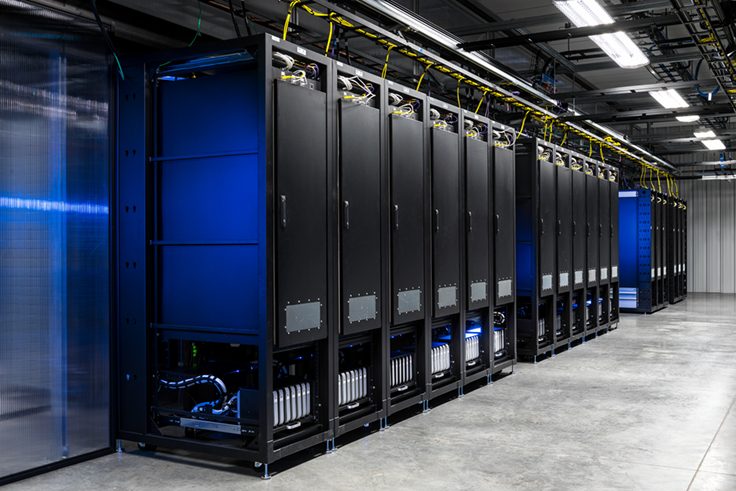 Facebook data center Meta
Personal superintelligence could give far more people powerful AI tools. Meta would still decide which ones reach them and where their limits sit.
Do Americans actually want it
Availability assumes an appetite that isn’t guaranteed. A June 2026 Pew survey found that 63% of Americans believe AI is advancing too quickly. Only 8% have high confidence that American companies will develop it responsibly.
Meta already has enough reach to put advanced AI in front of billions. The next detail to watch is whether users gain meaningful control over its safeguards and limits, or merely another Meta feature they never asked for.

Paulo Vargas is an English major turned reporter turned technical writer, with a career that has always circled back to…
The US government just blacklisted foreign-made robots and power inverters
Uncle Sam just said no thanks to foreign robots and power inverters, at least the new ones.
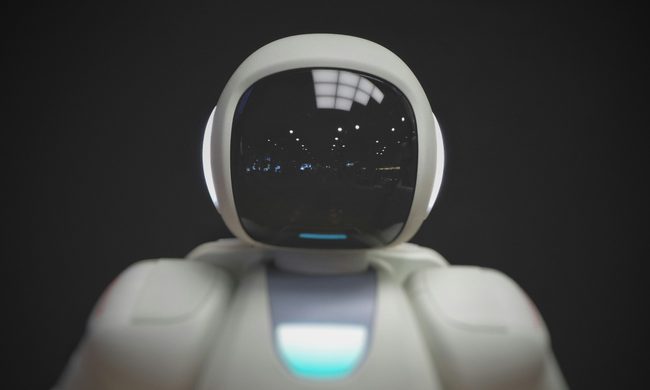
Months after banning all foreign routers and subsequently approving some of them in weeks, the FCC is back at it again, and this time robots and power inverters are in its crosshairs.
The Federal Communications Commission has added two new entries to its Covered List, and this time the targets are advanced robots and power inverters made outside the US. The move follows a White House-led security review that flagged both categories as genuine risks to national security.
I tried Dell’s sleek XPS 13 and it’s a breath of fresh air for budget Windows laptops
Dell shrank the XPS 13’s price without stripping away its premium identity
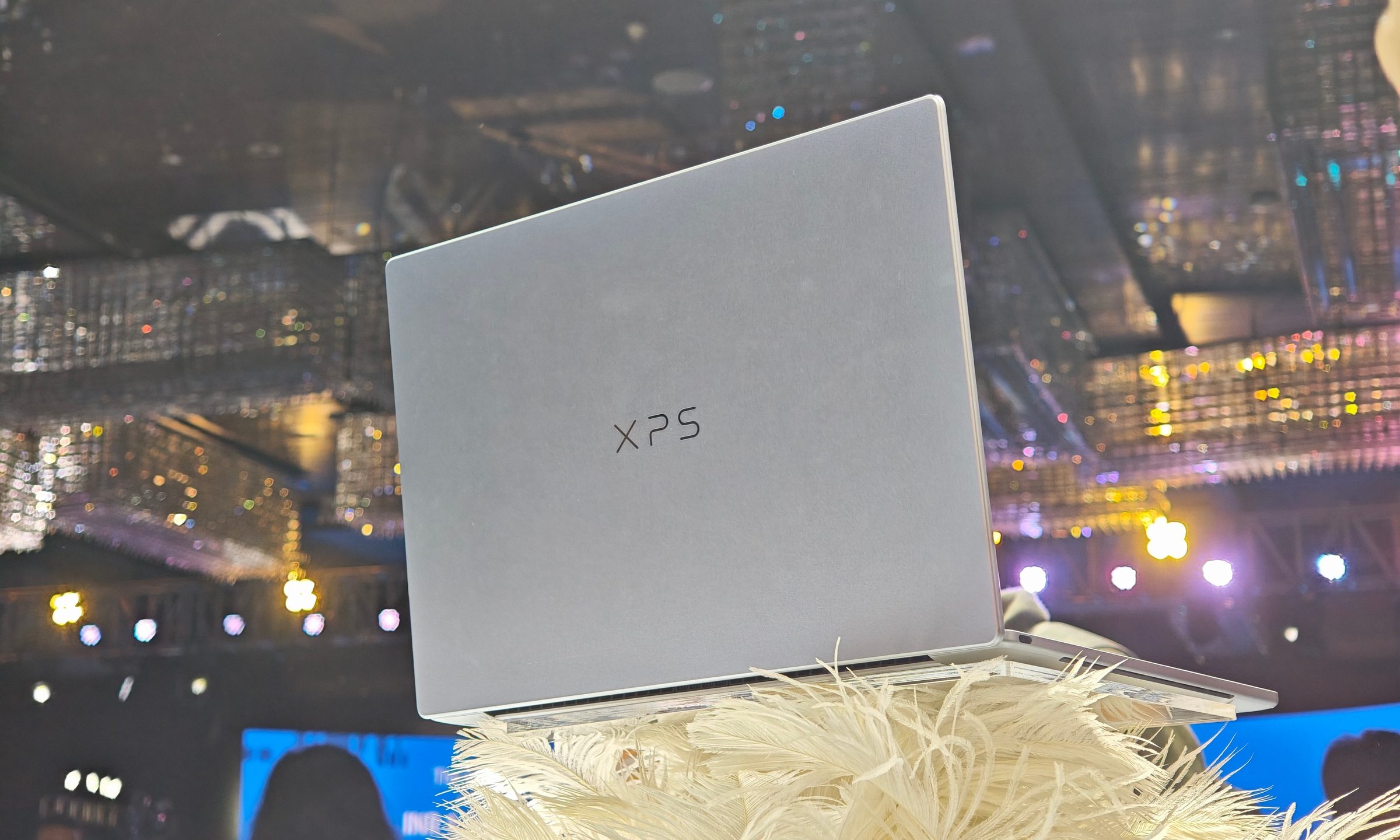
When Apple launched the MacBook Neo, it reset my expectations for affordable laptops. Its $599 starting price paired an aluminum body with the polish people expect from a MacBook, leaving Windows manufacturers with a difficult target to chase. While that price has since risen, it is still a solid laptop for the price it is listed at.
During Computex 2026, I saw a possible answer to this MacBook. After spending time around several affordable Windows laptops at the show, I wrote about how the category finally appeared ready to move beyond plastic bodies and poor displays-- and one of the models that I was particularly looking forward to was the Dell XPS 13.
Study says relying on AI can turn doubt into false confidence
AI is making it harder for people to say "I don't know."
You'd think getting wrong advice would make you more cautious. New research says the opposite happens when that advice comes from AI. A study led by Valerio Capraro, a psychology professor at the University of Milan-Bicocca, found that incorrect AI advice made people less accurate, yet noticeably more confident in their answers (via IBM Think).
The study also found that people who received incorrect AI advice became far less willing to admit they didn't know an answer, even when staying silent was an option, and they were rewarded for accuracy.









/cdn.vox-cdn.com/uploads/chorus_asset/file/25334828/STK466_ELECTION_2024_CVirginia_F.jpg)