Pepsi Marketing Strategy: Iconic Campaigns and the Taste of Pop Culture
Renowned all over the world, Pepsi is definitely a necessary component of people’s gatherings and meals! But have you ever wondered how this company came to be, given its evident success? Beginning as a small operation in North Carolina...
 ShanonG
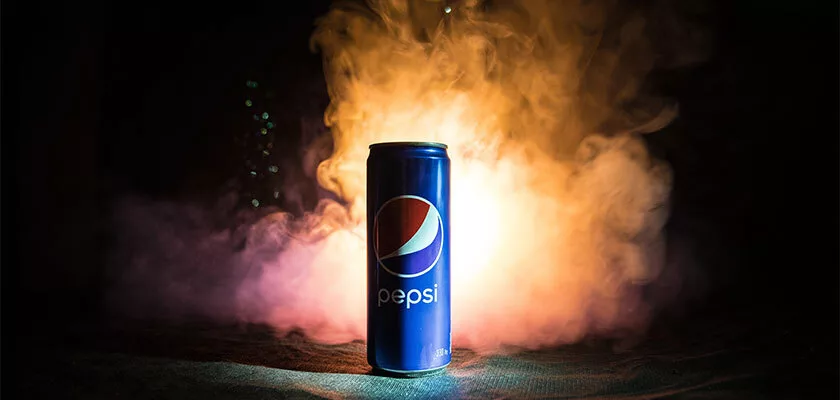
Renowned all over the world, Pepsi is definitely a necessary component of people’s gatherings and meals! But have you ever wondered how this company came to be, given its evident success?
Beginning as a small operation in North Carolina in 1893, Pepsi has grown into a global phenomenon, with distribution in over 200 countries. As one of the largest food and beverage brands in the world, Pepsi has had a significant impact on the marketing industry. Pepsi’s marketing strategy is one that every marketer ought to look at to gain insight from because it has an extensive record of effective marketing campaigns and creative strategies.
In 2020, despite the global challenges posed by the pandemic, PepsiCo reported a net revenue of over $70 billion, underscoring its resilience and the effectiveness of its diversified portfolio strategy. This figure not only reflects the brand’s financial health but also its ability to adapt and thrive in changing market conditions.
In this article, we’ll take a closer look at Pepsi’s marketing strategy, including its history, target audience, Pepsi’s advertising strategies, experiential marketing campaigns, and more. Let’s dive right in!
Inside Pepsi Marketing Campaigns
The History of Pepsi Marketing Mix of Pepsi: A Short Lesson of Strategy and Innovation Pepsi’s Target Audience: Understanding The Brand’s Demographics SWOT Analysis of Pepsi Pepsi Marketing Strategies & Campaigns Greatest Advertising Campaigns of Pepsi Pepsi Zero Sugar “Better With Pepsi” Campaign Michael Jackson – Pepsi Generation Campaign Pepsi Super Bowl Halftime Show 2020 x Shakira & Jennifer Lopez Pepsi “That’s What I Like” Campaign Pepsi x UEFA Champions League Partnership Pepsi Wild Cherry “Get Wild” Campaign Pepsi “Make Your Gameday Epic” Campaign Pepsi “Thirsty For More” Featuring David Beckham A Quick Look at Pepsi’s All Time Rival: Coca Cola Pepsi Marketing Strategy and Campaigns FAQsThe History of Pepsi
Invented by Caleb Bradham in 1893 under the name of “Brad’s Drink”, Pepsi was initially sold in his drugstore to relieve indigestion. After being renamed as Pepsi-Cola in 1898, Pepsi quickly became a competitor to Coca-Cola, and by the 1930s, it was the second most popular soft drink in the world.
In the following decades, Pepsi continued to grow in popularity, and in 1965, the PepsiCo conglomerate was formed. Over the years, Pepsi has introduced various flavors and advertising campaigns to remain competitive in the soft drink market until today. But how did Pepsi achieve dominance in this highly competitive market? What are the secrets to the company’s marketing strategy?
Marketing Mix of Pepsi: A Short Lesson of Strategy and Innovation
Pepsi’s marketing mix, a blend of product, price, place, and promotion, shows us a dynamic approach to staying relevant and competitive. Let’s take a look at the layers of Pepsi’s marketing mix, exploring the strategies that have cemented its status as a household name.
Product: A Symphony of Flavors
Pepsi’s product strategy is anything but monolithic. At its core, PepsiCo offers a wide array of beverages and snacks, but focusing on the beverage side, Pepsi brand itself has diversified far beyond its classic cola. From Diet Pepsi to Pepsi Max , and more exotic flavors like Pepsi Wild Cherry, the brand continuously innovates its product line to cater to a broad spectrum of tastes and dietary preferences. Pepsi is committed to diversity and making sure there is a Pepsi for everyone, as evidenced by its diversification.
In recent years, innovation has been at the forefront of Pepsi’s product strategy. Recognizing the growing consumer demand for healthier options, Pepsi has introduced products like Pepsi Zero Sugar, which offers the beloved Pepsi taste without the sugar. Such innovations reflect Pepsi’s agility in responding to market trends and consumer health consciousness.
Are You Thirsty for Success?
We know what you need—a refreshing sip of strategic expertise. Below are our carefully selected agencies, each with a proven track record in Food & Beverage marketing.
Price: Balancing Affordability and Value
Pepsi’s pricing strategy skillfully balances affordability with perceived value. The brand employs competitive pricing to ensure its products are accessible to a wide audience, yet it also leverages promotional pricing strategies, such as discounts and bundle offers, to drive sales and consumer engagement. Through this strategy, Pepsi goods not only appeal to consumers who are price conscious but also create a sense of loyalty and value among its clientele.
Place: Ubiquity Through Strategic Distribution
Pepsi’s distribution strategy is a marvel of logistics and market penetration. The brand ensures its presence in a variety of outlets, from supermarkets and convenience stores to restaurants and vending machines, making Pepsi products readily available to consumers wherever they are. Moreover, Pepsi has embraced eCommerce, recognizing the shift towards online shopping, thereby expanding its reach to digital platforms and delivery services. This omnipresence is crucial in maintaining Pepsi’s market dominance and catering to the convenience-driven consumer.
Promotion: Engaging Consumers with Creative Flair
Pepsi’s promotional tactics are a blend of traditional and digital marketing strategies, designed to engage consumers across multiple touchpoints. Pepsi’s advertising campaigns often feature celebrities and leverage popular culture, connecting with audiences through relatable and aspirational content.
Social media has a significant place in Pepsi’s promotional strategy as well, with the brand using platforms like Instagram or TikTok to interact with consumers, launch contests, and share engaging content.
@pepsi Need some WILD game day snack inspo for this weekend? ✨ Let us know which you are trying on Sunday #GetWild ♬ original sound – PepsiIn recent years, Pepsi has doubled down on experiential marketing, creating immersive brand experiences that resonate with consumers on a personal level. From sponsoring major events like the Super Bowl Halftime Show to launching pop-up experiences, Pepsi uses these opportunities to create memorable moments that strengthen emotional connections with the brand.
PepsiCo’s Innovations and Adjustments
To stay competitive, Pepsi has not only expanded its product line but PepsiCo also embraced sustainability and social responsibility in the brand’s marketing mix. The company has launched initiatives aimed at reducing its environmental footprint, such as using recycled materials in its packaging and investing in renewable energy.
In fact, PepsiCo is committed to reducing the amount of virgin plastic in all of its beverage products by 35% by the year 2025. This initiative is part of its broader goal to make 100% of its packaging recyclable, compostable, or biodegradable by 2025.
Pepsi’s Target Audience: Understanding The Brand’s Demographics
The world of soft drinks is highly competitive. Thus, understanding and appealing to the right audience is perhaps the most important step towards a beverage brand’s success. Pepsi, however, has mastered the art of it, tailoring its marketing efforts to resonate with diverse consumer groups.
Pepsi’s target demographic is as varied as its product lineup, encompassing a wide range of ages, lifestyles, and geographic locations. At its core, Pepsi aims to appeal to a youthful, vibrant audience, positioning itself as a brand for those who are young at heart, regardless of their actual age.
Age Groups: The Young and the Young at Heart
Pepsi has traditionally focused on the younger demographics, particularly targeting teenagers and young adults aged between 15 and 35. This focus is evident in the brand’s advertising campaigns, which often feature pop culture icons, music, and sports celebrities that appeal to a younger audience. However, Pepsi’s appeal is not confined to the youth alone; the brand’s messaging also connects with older demographics who identify with a youthful spirit and energy, making it a beverage for all ages.
Lifestyle Segmentation: A Drink for Every Occasion
Pepsi positions itself as the perfect companion for a variety of occasions – from casual gatherings with friends to celebratory moments and everything in between. Pepsi targets its marketing at people who lead active, social lives by highlighting how its drinks can make these situations better. Whether it’s through sponsoring major sporting events or creating ads that depict Pepsi at the heart of life’s joyful occasions, the brand consistently aligns itself with a dynamic and engaging lifestyle.
SWOT Analysis of Pepsi
| Strengths Global Brand Recognition: Exceptional worldwide awareness built over decades of historic marketing campaign equity. Robust Distribution & Portfolio: Benefits from a powerful global distribution network and a diverse multi-beverage product portfolio. Cultural Advantage: Unique market edge driven by high-profile collaborations with musicians, athletes, filmmakers, and major entertainment properties. PepsiCo Ecosystem: Leveraging the parent company’s massive food and beverage network to dominate cross-category snack/soda occasions and retail partnerships. | Opportunities Functional Beverage Innovation: Capitalizing on explosive health trends with the 2026 launch of Pepsi Prebiotic Cola (Original and Cherry Vanilla), offering low-calorie, low-sugar options packed with 3 grams of prebiotic fiber per can. Growth Sectors: Strong positioning to scale rapidly within zero sugar segments, limited-edition flavors, and emerging international markets. Modern Marketing & Sales: Driving heavy consumer acquisition through creator-led social campaigns, sports entertainment ecosystems, and frictionless eCommerce channels. |
| Weaknesses Fierce Competition: Intense, relentless rivalry from Coca-Cola, specifically within the classic cola and zero-sugar segments. Market Share Deficit: Despite steady growth, Pepsi Zero Sugar historically lags behind Coke Zero in the U.S. carbonated soft drink market share. Health Perception Issues: Traditional soda brands face a steeper uphill battle to maintain relevance as the public increasingly pivots toward alternative, better-for-you beverages. | Threats Market Substitutes: Constant industry pressure from functional energy drinks, sparkling waters, private-label sodas, and niche probiotic drink brands. Shifting Consumer Attitudes: Changing public health perceptions and structural declines regarding sugar intake and processed beverages present long-term risks. Regulatory & Sustainability Pressures: Tightening global sugar taxes, rising packaging waste concerns, and eco-friendly manufacturing expectations heavily dictate future profitability. |
Pepsi Marketing Strategies & Campaigns
PepsiCo has been a major player in the food and beverage industry for over a century. The company has a diverse portfolio of brands that includes Pepsi, Frito-Lay, Quaker Oats, Tropicana, and Gatorade. Pepsi marketing strategy is focused on creating a strong emotional connection with consumers through a combination of different marketing techniques and the company’s marketing campaigns are designed to appeal to a wide range of consumers, from young adults to families, and from health-conscious individuals to sports enthusiasts.
One of the key elements of Pepsi’s marketing strategy is definitely its strong brand identity. Pepsi is known for its fun, youthful, and aspirational image, and it uses this image to connect with consumers around the world. You could find it challenging to create a distinctive brand identity for your business and question how to do it the way Pepsi did; nevertheless, food and beverage marketing agencies in the USA can help you achieve this.
Pepsi’s Interactive and Experiential Marketing Approach
Pepsi excels in creating interactive marketing campaigns that engage consumers directly. The Pepsi Challenge, one of the most famous marketing campaigns in history, invited consumers to blind taste tests against Coca-Cola, fostering consumer interaction and brand loyalty. More recently, Pepsi has utilized augmented reality (AR) and virtual reality (VR) experiences to engage consumers in novel ways, such as the Pepsi Max Unbelievable campaign. Experiential marketing remains a key strategy for Pepsi, with the brand creating events and experiences that leave lasting impressions on participants.
Pepsi has also launched pop-up experiences and interactive installations in various cities, offering consumers a unique way to engage with the brand. These events often feature product tastings, interactive games, and photo opportunities, making them highly shareable on social media.
@averagesocialite NYC: Quick ~ More tickets are available now for the @Pepsi 125 Diner Experience through Oct 29! This experience was so fun ~ from the photo ops to the Pepsi inspired menu. Don’t miss out! #pepsi #pepsi125diner #nyc #newyorkcity #thingstodonyc #popup #nycpopup #nycfoodie #britneyspears #cardib #shaq #colachup #pepsihalftime #pepsichallenge ♬ som original – Re.what?Pepsi’s Limited Edition Flavors and Collaborative Products
Pepsi frequently introduces limited edition flavors and collaborates with other brands to create unique products. These initiatives generate excitement and buzz among consumers, encouraging them to purchase while they can. For example, Pepsi x Peeps, a marshmallow-flavored cola, and Pepsi Mango, the brand’s first permanent flavor introduction in five years as of 2021, showcase Pepsi’s innovative approach to product development.
Pepsi’s Celebrity Endorsements and Pop Culture Integration
Pepsi has a storied history of partnering with celebrities and integrating into pop culture, making it a trendsetter in advertising. Pepsi has used the enormous fan bases of celebrities like Michael Jackson, Beyoncé, and most recently, the K-pop sensation BTS to create excitement, attract younger consumers, and remain relevant in the continually changing entertainment industry.
Pepsi’s Sponsorships and Partnerships
In addition to celebrity endorsements, Pepsi also sponsors a variety of sporting and other cultural events helping the company to associate its brand with positive experiences. With these collaborations, as the primary sponsor of numerous well-known sports events like the Super Bowl, NBA, and UEFA Champions League, Pepsi has established an important association between brands and sporting events.
Pepsi’s Social Media Presence
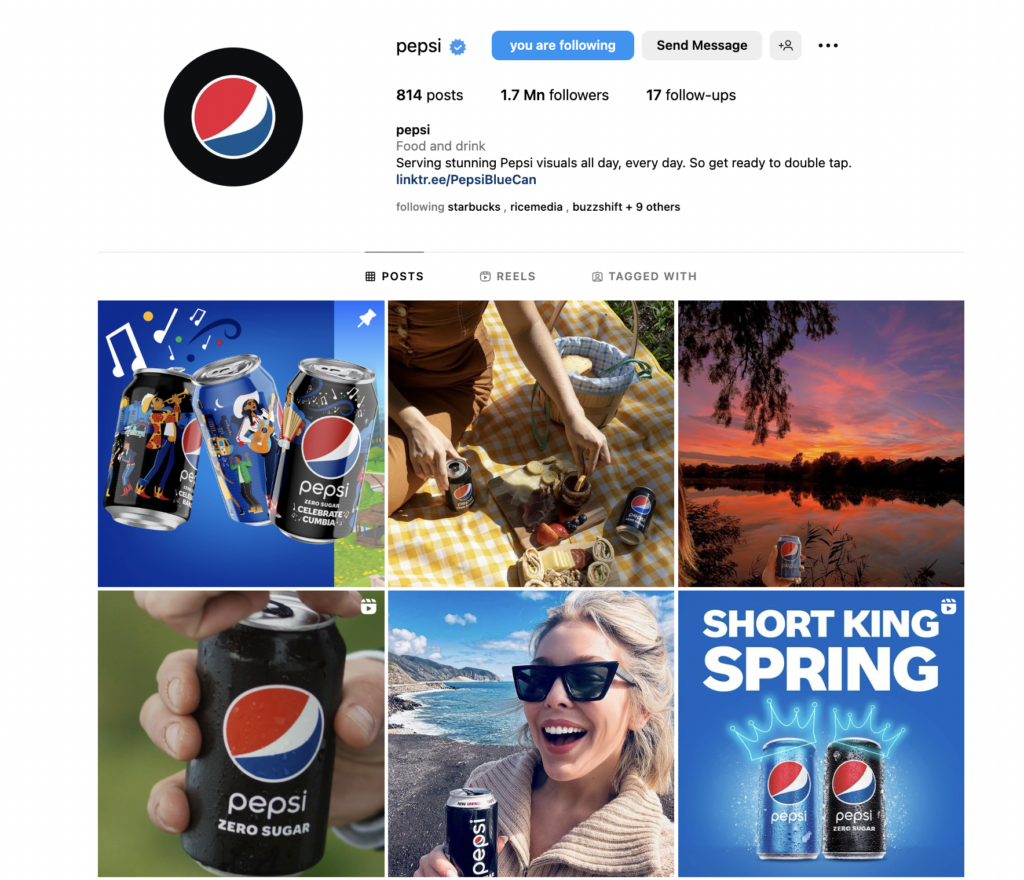
Pepsi is also active on social media, and it uses this platform to connect with consumers and promote its products. The brand has a large following on platforms like Facebook, Twitter, and Instagram, and it uses these platforms to share news about its products, run contests, and engage with consumers.
With over 1.5 million followers, Pepsi’s Instagram account is always very active and engaging. The brand posts high-quality images with people enjoying the beverage as well as familiar faces like Lindsay Lohan to ace the instagram marketing game. Social media requires dedication and can become highly time-consuming to engage with your brand’s target audience. If you struggle to maintain a strong social media strategy as a business, we advise you to collaborate with social media marketing agencies in USA to have a captivating social media presence, similar to what Pepsi has.
Greatest Advertising Campaigns of Pepsi
Pepsi ad campaigns often feature celebrities and popular culture references, and they’re designed to appeal to a wide range of consumers. The brand’s packaging is another key element that sets it apart from competitors; customers of all ages love the red, blue, and white logo.
We all know that Pepsi has made significant investments in memorable and creative advertising campaigns; they have collaborated with well-known figures from the world of entertainment including Michael Jackson, Britney Spears, and Kendall Jenner. These endorsements help in expanding Pepsi’s target audience as well as improving the brand’s reputation and image.
Before listing Pepsi’s most effective advertising campaigns:
Why We Chose These Pepsi Campaigns
We selected the following Pepsi campaigns because each one reveals a different side of the brand’s marketing strategy.
First, they show Pepsi’s long-standing ability to connect with pop culture. From Michael Jackson to Megan Thee Stallion and David Beckham, Pepsi repeatedly uses celebrity partnerships not as decoration, but as a way to enter cultural conversations.
Second, these campaigns show how Pepsi turns competition with Coca-Cola into a creative asset. The Pepsi Challenge, “Better With Pepsi,” and “The Choice” all use rivalry as part of the story.
Third, we included campaigns that connect Pepsi to specific consumption moments: burgers, game day, football finals, concerts, road trips, and social hangouts. That matters because the strongest beverage advertising does not just say “buy this drink”; it shows people when and why the drink fits into their lives.
Finally, we focused on a mix of iconic and recent campaigns so the article reflects how Pepsi’s advertising evolved from mass media fame to modern, multi-platform, social-first brand building.
Pepsi Zero Sugar “Better With Pepsi” Campaign
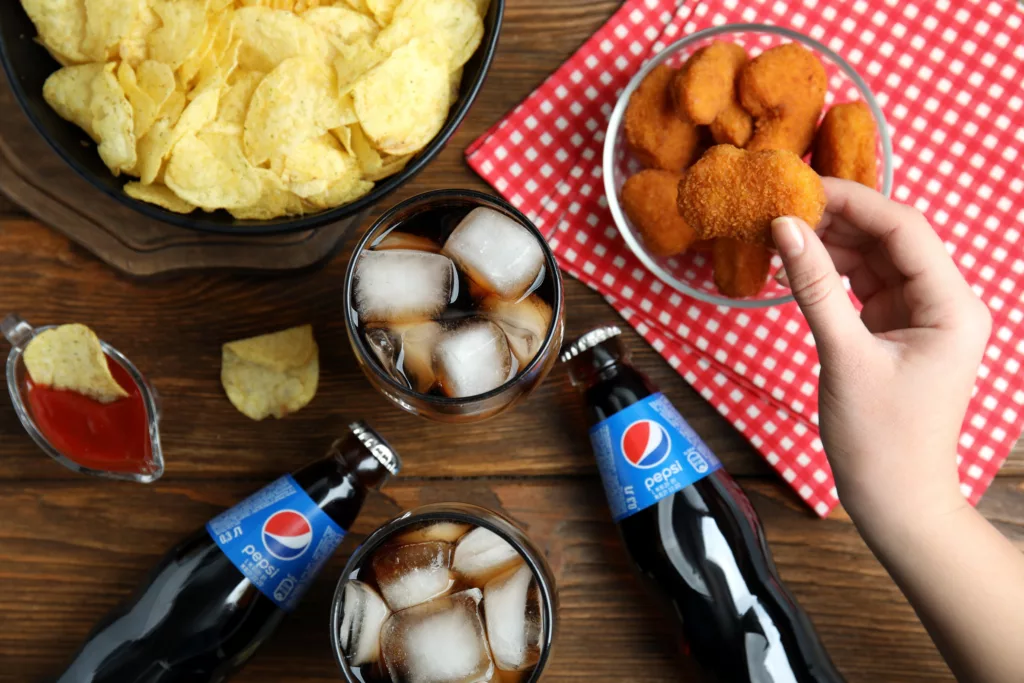
#BetterWithPepsi campaign emphasized the idea that certain foods taste “Better With Pepsi,” particularly focusing on the Pepsi Zero Sugar variant. It cleverly positioned Pepsi as the perfect complement to popular foods, using humor and relatable situations to appeal to its audience. The campaign featured various digital ads, pepsi social media ads, and TV commercials, highlighting the no-sugar option as the ideal choice for health-conscious consumers who do not want to compromise on taste.
Why That Campaign Worked
“Better With Pepsi” worked because it was visually simple, culturally cheeky, and strategically precise. It did not try to explain Pepsi’s entire brand. It focused on one moment: eating burgers.
The campaign also cleverly borrowed attention from fast-food culture without needing formal partnerships with every chain. It turned packaging, color recognition, and food pairing into a shareable brand idea.
Michael Jackson – Pepsi Generation Campaign
Aimed for young adults, Pepsi launched its “Pepsi Generation” campaign in the 1960s featuring legendary Michael Jackson.
Why That Campaign Worked
The campaign worked because Michael Jackson was not just a celebrity endorsement; he was a cultural event. Pepsi attached itself to the excitement surrounding one of the biggest entertainers in the world.
It also helped define Pepsi’s long-term marketing personality: youthful, music-driven, celebrity-led, and more rebellious than its main competitor.
Pepsi Super Bowl Halftime Show 2020 x Shakira & Jennifer Lopez
Despite being a prominent sponsor of sporting events, Pepsi has also supported many shows and festivals, including Coachella and the Super Bowl Halftime Show. Pepsi is able to market its products to a large audience both at the event and in the surrounding area by sponsoring events like these.
Why That Campaign Worked
Pepsi Super Bowl Halftime Show 2020 x Shakira & Jennifer Lopez worked because it placed the brand at the center of one of the world’s biggest entertainment moments. The Super Bowl Halftime Show is not just a performance; it is a cultural event watched, discussed, clipped, and shared globally.
By sponsoring the show featuring Shakira and Jennifer Lopez, Pepsi connected itself with music, performance, Latin culture, celebrity power, and mass entertainment all at once. The performance generated huge conversation online, giving Pepsi visibility beyond the live broadcast itself.
Pepsi “That’s What I Like” Campaign
Pepsi’s “That’s What I Like” campaign, launched in the U.S., was aimed at celebrating the unapologetic enjoyment of Pepsi by its fans. It featured everyday people in moments of genuine joy and satisfaction while enjoying a Pepsi, capturing the essence of the brand’s connection with its consumers’ love for life’s simple pleasures. This campaign was spread across multiple media channels, including TV, digital platforms, and social media, reinforcing the brand’s position as a source of joy and refreshment.
Why That Campaign Worked
Pepsi “That’s What I Like” campaign worked because it brought the brand back to something very simple but powerful: unapologetic enjoyment. Instead of trying to over-explain the product or chase a complicated cultural message, the campaign celebrated people enjoying Pepsi in their own way — dancing, singing, relaxing, eating, or simply having fun.
Pepsi x UEFA Champions League Partnership
Continuing its association with sports, Pepsi launched a series of campaigns tied to its sponsorship of the UEFA Champions League. These campaigns featured global football stars and aimed to capture the excitement and passion surrounding one of the world’s most prestigious football competitions. Through digital content, limited-edition packaging, and fan experiences, Pepsi leveraged this partnership to enhance its brand visibility and engagement with football fans worldwide.
Why That Campaign Worked
The UEFA partnership works because football is global, emotional, and deeply social. Pepsi does not need to interrupt the fan experience; it can become part of it.
The Kick Off Show format is especially effective because it sits at the intersection of sport and music — two areas where Pepsi has long-standing credibility. It gives the brand visibility in a high-attention moment before one of the world’s biggest club football matches.
Pepsi Wild Cherry “Get Wild” Campaign
In 2024, Pepsi launched the “Get Wild” campaign for Pepsi Wild Cherry. The campaign encouraged consumers to celebrate their “wild” side and featured national TV spots built around a more playful, personality-driven version of “wild.”
Rather than presenting wildness as extreme or unrealistic, Pepsi made it feel more relatable. This gave the campaign a lighter, more accessible tone while still keeping the energy associated with the Wild Cherry product.
Why That Campaign Worked
“Get Wild” worked because it gave a product variant its own personality. Pepsi Wild Cherry is not just another flavor; it becomes a mood.
The campaign also aligned with the way younger consumers engage with brands: through identity, humor, and small moments of self-expression. It made the flavor feel like a lifestyle choice, not just a product extension.
Pepsi “Make Your Gameday Epic” Campaign
Pepsi’s 2024 “Make Your Gameday Epic” campaign combined NFL culture, cinema, music, and celebrity power. Inspired by Paramount Pictures’ Gladiator II, the campaign featured Megan Thee Stallion, NFL stars Josh Allen, Derrick Henry, Justin Jefferson, and Travis Kelce, along with a new version of Queen’s “We Will Rock You.”
The campaign launched ahead of the 2024 NFL season and transformed game day into a cinematic spectacle. Instead of treating sports sponsorship as logo placement, Pepsi turned it into entertainment.
Why That Campaign Worked
The campaign worked because it merged multiple fandoms at once: NFL, music, film, celebrity culture, and nostalgia.
It also understood the scale of game day. For many consumers, football is not just a sport; it is a weekly social ritual. By making game day feel “epic,” Pepsi positioned itself as part of the excitement, not just a drink on the table.
Pepsi “Thirsty For More” Featuring David Beckham
In 2025, Pepsi brought back a new chapter of its global “Thirsty For More” platform with David Beckham. The campaign’s message was simple:
If you love it, it’s never a waste.
The campaign focused on unapologetic enjoyment, doing what you love, whether that means karaoke, road trips, gaming, dancing, or taking time for yourself. It positioned Pepsi as a brand that celebrates personal joy rather than productivity or perfection.
Why That Campaign Worked
“Thirsty For More” worked because it gave Pepsi a flexible global platform. The idea can travel across cultures because the desire to enjoy life without guilt is universal.
David Beckham also gives the campaign a strong cross-generational appeal. He connects sport, style, nostalgia, and global celebrity status, making him a natural fit for a brand that wants to feel both iconic and current.
A Quick Look at Pepsi’s All Time Rival: Coca Cola
PepsiCo and Coca-Cola are two of the largest FMCG companies in the world, but they have several key differences in their products, marketing, and business strategies. While both companies produce carbonated soft drinks, PepsiCo has a more diversified product portfolio that includes non-carbonated beverages like Gatorade, Tropicana, and Aquafina. Coca Cola, on the other hand, has focused more on carbonated soft drinks and has a smaller portfolio of non-carbonated beverages.
Their marketing strategy differs from each other as well. Pepsi has traditionally targeted younger demographic with its marketing campaigns, using celebrity endorsements and sponsorships of music and sports events to appeal to this audience. Coca-Cola marketing strategy, meanwhile, has aimed for a broader, more universal appeal with its “Share a Coke” and “Taste the Feeling” campaigns.
And finally, while both companies have strong brand identities, PepsiCo has positioned itself as a more youthful and innovative brand, while Coca-Cola has emphasized its long history and tradition. Both brands are no doubt major players in the FMCG industry and are constantly innovating to stay competitive. If you want to reach and convert high-value consumers as well, you can consider finding FMCG marketing agencies in the USA to assist you in achieving your company objectives.
Pepsi Marketing Strategy and Campaigns FAQs
What is Pepsi’s marketing strategy?
Pepsi’s marketing strategy is built around youthfulness, innovation, and pop culture relevance. By leveraging celebrity endorsements, experiential campaigns, and a strong social media presence, Pepsi maintains emotional connections with consumers. Its approach combines a diversified product portfolio, competitive pricing, strategic global distribution, and bold, lifestyle-focused advertising to stay top-of-mind in a saturated market.
What’s the difference between Coca-Cola and Pepsi’s marketing strategy?
While both brands are giants in the soft drink industry, Pepsi and Coca-Cola take notably different marketing approaches. Pepsi positions itself as the younger, edgier, and more trend-focused brand, often collaborating with celebrities, sponsoring music and sports events, and launching bold, limited-time products. Coca-Cola, on the other hand, leans into nostalgia and universal connection, emphasizing timeless values like happiness and togetherness. This contrast defines how each brand builds its emotional appeal.
How does Pepsi promote their products?
Pepsi promotes its products through a mix of traditional and digital marketing channels. These include celebrity-driven commercials, viral social media campaigns, experiential pop-ups, sports sponsorships, and influencer partnerships. Pepsi is also known for tying its promotions to cultural moments—like the Super Bowl Halftime Show or trending TikTok challenges—ensuring relevance and visibility among younger demographics.
How can Pepsi increase its market share?
To increase its market share, Pepsi can continue diversifying its product lineup with healthier and more sustainable options, strengthen its presence in emerging markets, and enhance personalization in digital campaigns. Expanding strategic partnerships and leveraging data-driven marketing to target niche segments can also fuel growth. Additionally, deeper investments in eCommerce and direct-to-consumer strategies will help Pepsi tap into shifting consumer behaviors.
Conclusion
PepsiCo has a long history of successful marketing campaigns and innovative strategies that have helped it to become one of the largest food and beverage companies in the world. Through a combination of Pepsi advertising, experiential marketing, and social media engagement, PepsiCo has been able to create a strong emotional connection with consumers and build brand awareness and loyalty.
Most crucially, PepsiCo has been able to increase its reach and growth by adjusting its marketing strategies to local cultures and preferences. Certainly, each of these elements plays a part in Pepsi’s success as a global brand.









![The Usability Testing Playbook [Expert Tips & Sample Questions]](https://www.hubspot.com/hubfs/usability-testing-1-20250305-3357250.webp)








![AEO checker tools that measure answer engine visibility [2026]](https://53.fs1.hubspotusercontent-na1.net/hubfs/53/aeo-checker-1-20260903-3858273.webp)