Precision on Camera: How Image-Guided Drug Delivery Is Changing Medicine
Imagine a therapy so precise that physicians can see the medicine reach its target, right down to the tumor or a spot in the brain, in real time. That’s not futuristic sci-fi anymore; it’s happening now through Image-Guided Drug...
 Lynk
Lynk
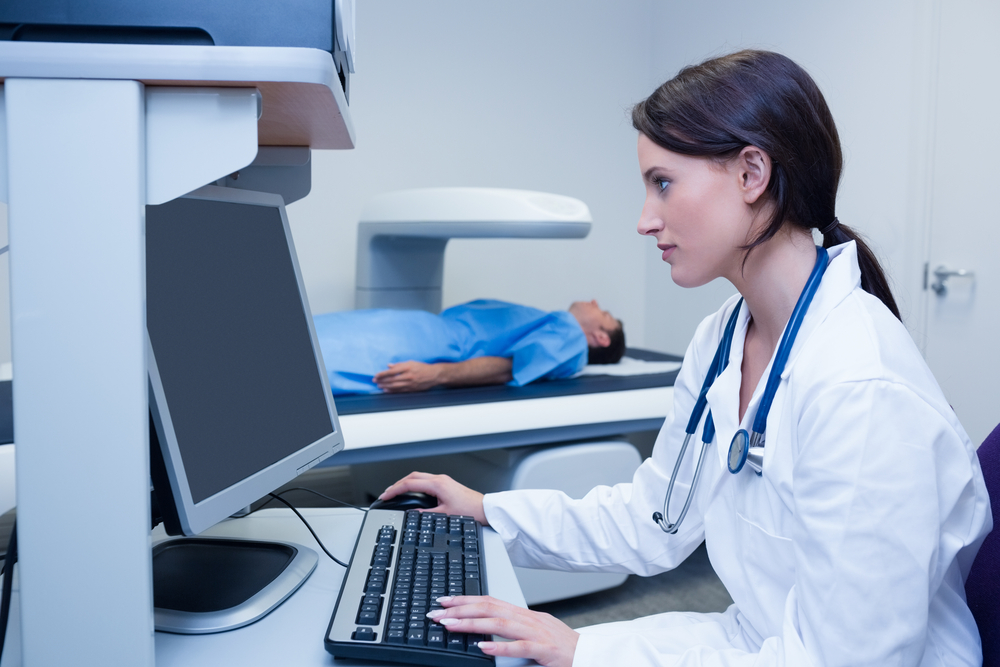
Imagine a therapy so precise that physicians can see the medicine reach its target, right down to the tumor or a spot in the brain, in real time. That’s not futuristic sci-fi anymore; it’s happening now through Image-Guided Drug Delivery (IGDD), one of the most exciting revolutions in modern healthcare. According to BIS Research, the global IGDD market is expected to skyrocket from $51.4 million in 2024 to nearly $983 million by 2035, growing at a stunning 31% annual rate. The reason is simple: IGDD gives doctors control, precision, and confidence like never before. Traditional drug delivery often operates like a broadcast: a medication is administered via the bloodstream, with the hope that sufficient of it will reach the target. IGDD, by contrast, is a guided missile. Using advanced imaging tools such as MRI, CT, or ultrasound enables clinicians to precisely track and direct drugs to where they’re needed, minimizing side effects and maximizing results. This precision is game-changing for diseases where accuracy is everything, especially in cancer treatment and neurological disorders. It’s already helping oncologists deliver chemotherapy straight to tumors, and neurologists infuse gene therapies deep into the brain without open surgery. At the heart of IGDD are two major systems: Together, they form a synchronized system that combines mechanical precision with visual guidance. As imaging becomes sharper and devices more flexible, IGDD is becoming safer, faster, and more accessible. No surprise oncology dominates this market, accounting for over 75% of current use. From liver and pancreatic cancers to brain tumors, doctors are using image-guided infusions to deliver drugs directly to the tumor site. But another exciting frontier is neurology. IGDD is helping overcome one of medicine’s most significant barriers, the blood-brain barrier, which blocks most drugs from reaching the brain. Through guided cannulas and real-time imaging, treatments for Parkinson’s disease, epilepsy, and rare genetic disorders are now possible. IGDD remains largely hospital-driven, with hospitals accounting for over 90% of market activity. That’s because these procedures need hybrid operating rooms equipped with MRI or CT imaging and interventional specialists. However, as equipment becomes smaller and procedures get easier, clinics and research centers are expected to join the movement. In time, image-guided therapies could become as common as today’s laparoscopic surgeries. Several key forces are pushing IGDD forward: The road isn’t entirely smooth, of course. High setup costs, complex integration, and training needs are real challenges. But the pace of innovation is helping them overcome them fast. While North America currently leads the global market, Asia-Pacific (APAC) is where the next big leap is coming from. BIS Research projects the region to grow at a phenomenal 41.7% CAGR, rising from $3.9 million in 2024 to $175.8 million by 2035. Countries like India, China, and South Korea are investing heavily in imaging and interventional technologies. For a region dealing with a growing burden of cancer and neurological diseases, IGDD offers a powerful blend of precision and cost-effectiveness. In India, where access to advanced care is expanding rapidly, image-guided drug delivery could become a cornerstone of modern cancer and neurotherapy centers in the coming decade. The IGDD market is buzzing with innovation from both established giants and nimble startups: Each advancement pushes IGDD closer to routine clinical practice, turning what was once a research concept into a life-saving standard. The future of IGDD goes far beyond cancer and brain disorders. Researchers are exploring its use in cardiology, liver disease, and even regenerative medicine. There’s also growing interest in magnetically controlled microrobots, tiny particles that can navigate blood vessels to deliver drugs with pinpoint accuracy. As imaging grows sharper and navigation systems become more intuitive, image-guided therapies could redefine what “minimally invasive” truly means. Image-guided drug delivery represents a simple but powerful shift; seeing is healing. It’s about giving doctors the ability not just to administer treatment, but to monitor it, adjust it in real time, and measure outcomes instantly. The BIS Research study makes one thing clear: IGDD isn’t a niche technology anymore; it’s the next big leap in precision medicine. As hospitals, innovators, and healthcare systems embrace it, the impact could be nothing short of transformative. From the operating rooms of Boston to the oncology wards of Mumbai, the message is the same- the future of treatment is guided, visible, and unmistakably precise. To learn more about this study, click here.A New Way to Deliver Medicine
The Technology Behind the Magic
Cancer and the Brain: The Big Battlegrounds
Why Hospitals Are at the Forefront
What’s Driving This Boom
Asia-Pacific: The Next Hotspot
Meet the Innovators Behind the Breakthrough
Tomorrow’s Therapy, Today
The Big Picture: A New Chapter in Precision Medicine









![How AI Is Set To Impact Marketers [Infographic]](https://imgproxy.divecdn.com/ncyA9Lg_YuHT4zn9qtTju-sXyJhQ5kT0ZkJ80Hjv2tM/g:ce/rs:fit:770:435/Z3M6Ly9kaXZlc2l0ZS1zdG9yYWdlL2RpdmVpbWFnZS9mdXR1cmVfb2ZfYWlfbGlua2VkaW5fMi5wbmc=.webp)



![30 Engaging Hooks for Instagram Reels [Infographic]](https://imgproxy.divecdn.com/35XuSvKLoQuDRcTkaErdUj62QFq1x2ZS1HAdklmGgY0/g:ce/rs:fit:770:435/Z3M6Ly9kaXZlc2l0ZS1zdG9yYWdlL2RpdmVpbWFnZS9yZWVsc19ob29rczIucG5n.webp)